Molecular features of prenylated (iso)flavonoids from Fabaceae in relation to their potential NorA inhibition in Staphylococcus aureus
Marina Ika Irianti, Janniek Henrieke Ritsema, Jos Hageman, Jean-Paul Vincken, Carla Araya-Cloutier

TL;DR
This study explores how certain plant compounds from the Fabaceae family might inhibit a key resistance mechanism in Staphylococcus aureus, offering potential new ways to combat antibiotic resistance.
Contribution
The paper introduces the first predictive QSAR models for prenylated (iso)flavonoids as NorA inhibitors and identifies two promising lead compounds.
Findings
Seven prenylated (iso)flavonoids significantly enhanced ciprofloxacin activity in NorA-overexpressing S. aureus.
QSAR models showed polar surface area and hydrophobicity balance are key for NorA inhibition.
Pharmacophore models suggest neobavaisoflavone and wighteone are top candidates for further development.
Abstract
The overexpression of the NorA efflux pump is known to be an important factor in the antimicrobial resistance mechanism of Staphylococcus aureus. Therefore, NorA inhibition can help disarm this pathogen and tackle antimicrobial resistance. In this study, we aim to unravel the molecular properties of prenylated (iso)flavonoids from Fabaceae as potential NorA inhibitors and to propose leading compounds for future research. A collection of 37 prenylated isoflavonoids and flavonoids (obtained by purification, chemically synthesized, or commercially purchased), collectively referred to as (iso)flavonoids, was evaluated for its activity against norA-overexpressing Staphylococcus aureus using the checkerboard assay with ciprofloxacin (NorA substrate) and erythromycin (primarily non-NorA substrate), in combination with ethidium accumulation assays. Moreover, a norA-knockout Staphylococcus…
Genes, proteins, chemicals, diseases, species, mutations and cell lines named across the full text — each resolved to its canonical identifier and authoritative record.
Click any figure to enlarge with its caption.
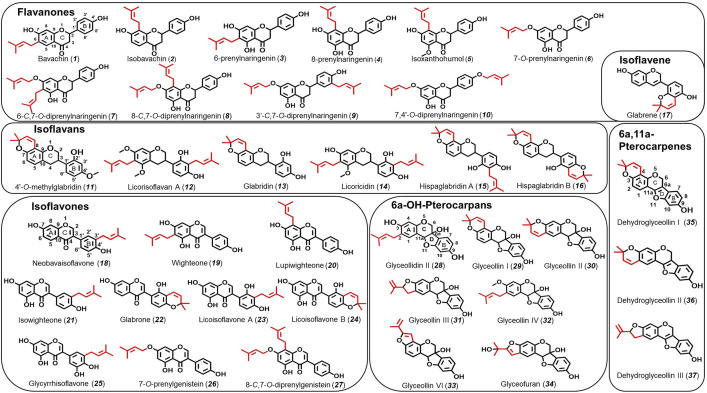 Figure 1
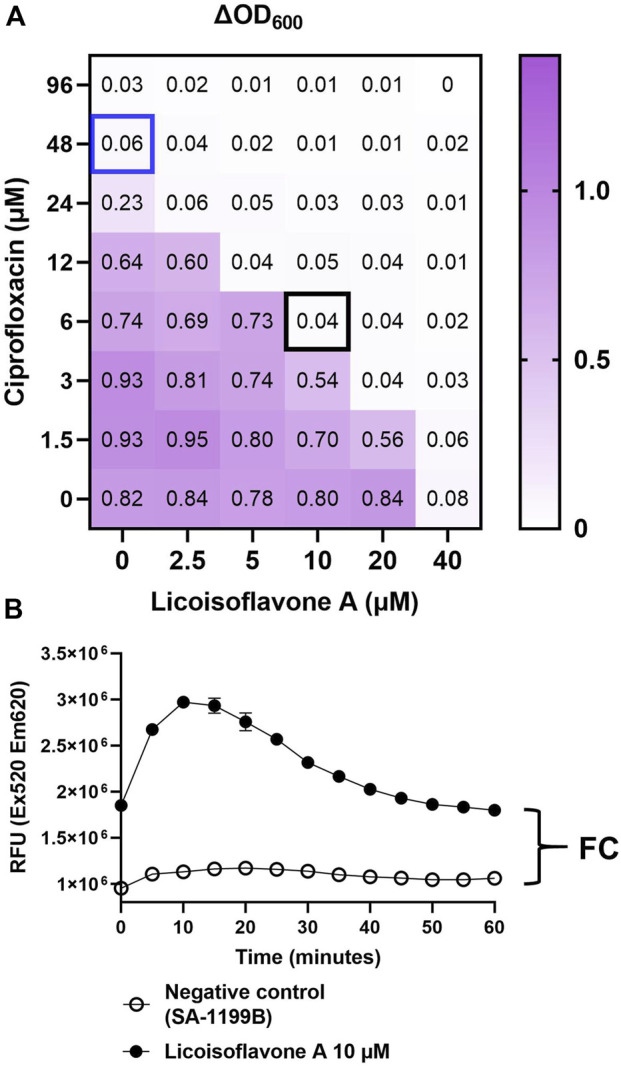 Figure 2
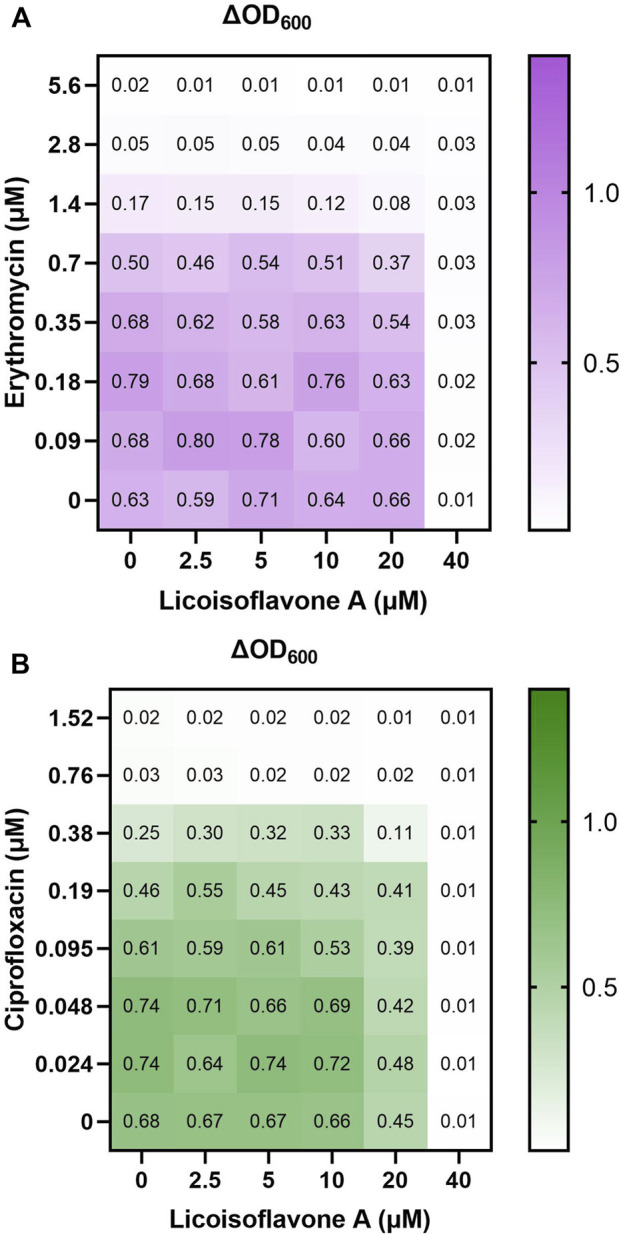 Figure 3
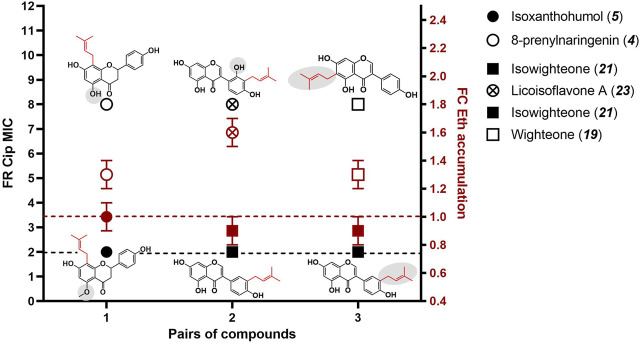 Figure 4
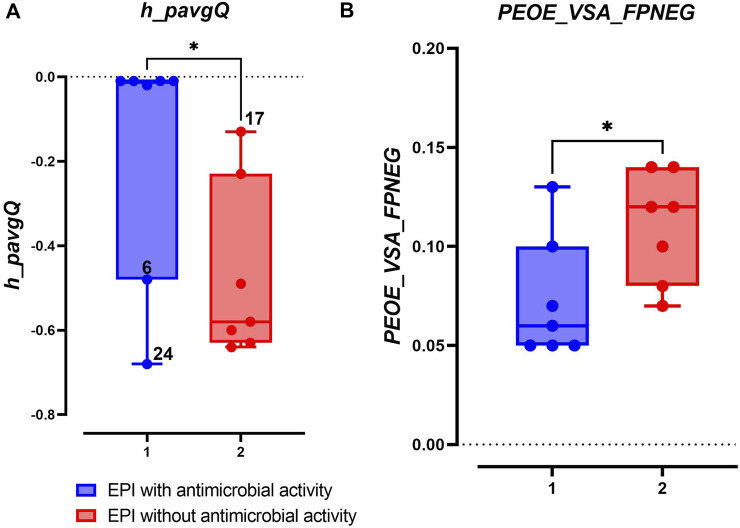 Figure 5
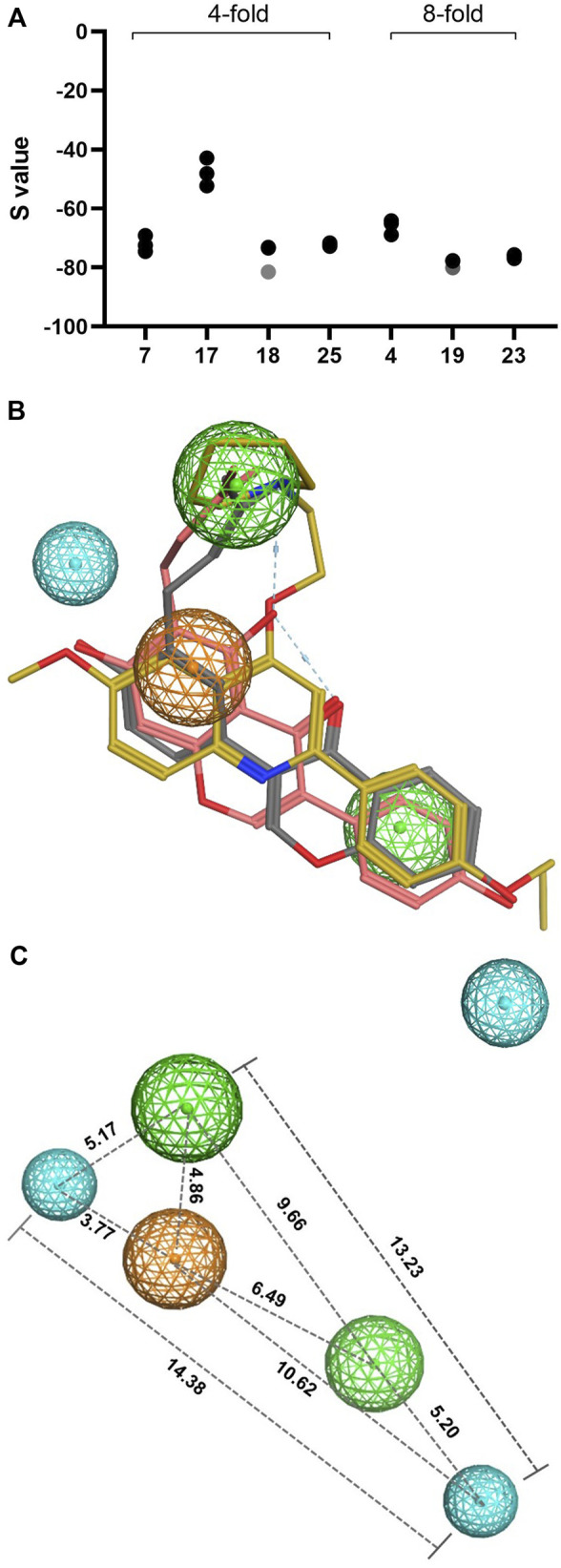 Figure 6
Peer Reviews
No public reviews on file for this paper yet. If you reviewed it on a platform where reviews are public (OpenReview, ICLR, NeurIPS, ICML), you can paste yours below so the community can read it here.
Videos
No videos yet. Explain this paper in a talk, walkthrough, or lecture? Add one.
Taxonomy
TopicsBioactive natural compounds · Biological Stains and Phytochemicals · Sirtuins and Resveratrol in Medicine