CD276 immature glycosylation drives colorectal cancer aggressiveness and T cell mediated immune escape
Janine Soares, Dylan Ferreira, Andreia Miranda, Martina Gonçalves, Marta Relvas-Santos, Andreia Brandão, Paula Paulo, Sofia Cotton, Rui Freitas, Mariana Magalhães, Eduardo Ferreira, Beatriz Marinho-Santos, Luís Pedro Afonso, André M. N. Silva, Carlos Palmeira, Francisco Amado

TL;DR
This study shows that immature glycosylation of CD276 in colorectal cancer promotes tumor aggression and immune evasion, suggesting it as a potential biomarker and treatment target.
Contribution
The study reveals how CD276's immature glycosylation drives CRC progression and immune escape, identifying it as a novel therapeutic target.
Findings
CD276 with immature O-glycans is enriched in aggressive CRC and correlates with poor survival.
C1GALT1 knockout increases CD276 stability, tumor invasion, and T cell suppression.
Aberrant CD276 glycosylation promotes immunosuppressive signaling and immune checkpoint activity.
Abstract
Colorectal cancer (CRC) progression is fuelled by immune evasion, yet the underlying molecular mechanisms remain to be fully characterized. CD276 (B7-H3), an immune checkpoint glycoprotein frequently overexpressed in aggressive tumors, is extensively modified by glycosylation, a process known to regulate protein stability, localization, and immune interactions. However, its glycosylation-dependent functions in CRC remain unclear. TCGA Transcriptomic data were analysed to identify glycogene alterations linked to patient prognosis. The O-glycome of advanced CRC and normal mucosa was profiled by mass spectrometry. CD276 expression and glycosylation were examined in primary tumors, lymph nodes, and metastases by immunohistochemistry, proximity ligation assays, and dual immunofluorescence. CRC proteomic datasets from PRIDE (≥ 90 cases) were reanalyzed to map CD276 immature glycosylation…
Genes, proteins, chemicals, diseases, species, mutations and cell lines named across the full text — each resolved to its canonical identifier and authoritative record.
Click any figure to enlarge with its caption.
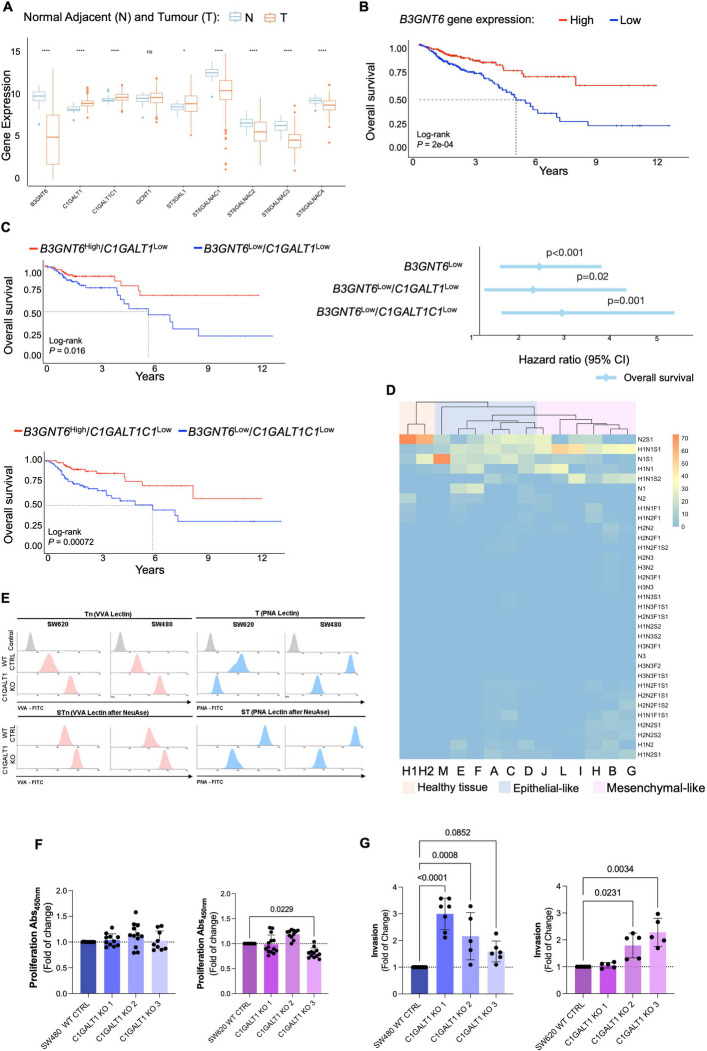 Figure 1
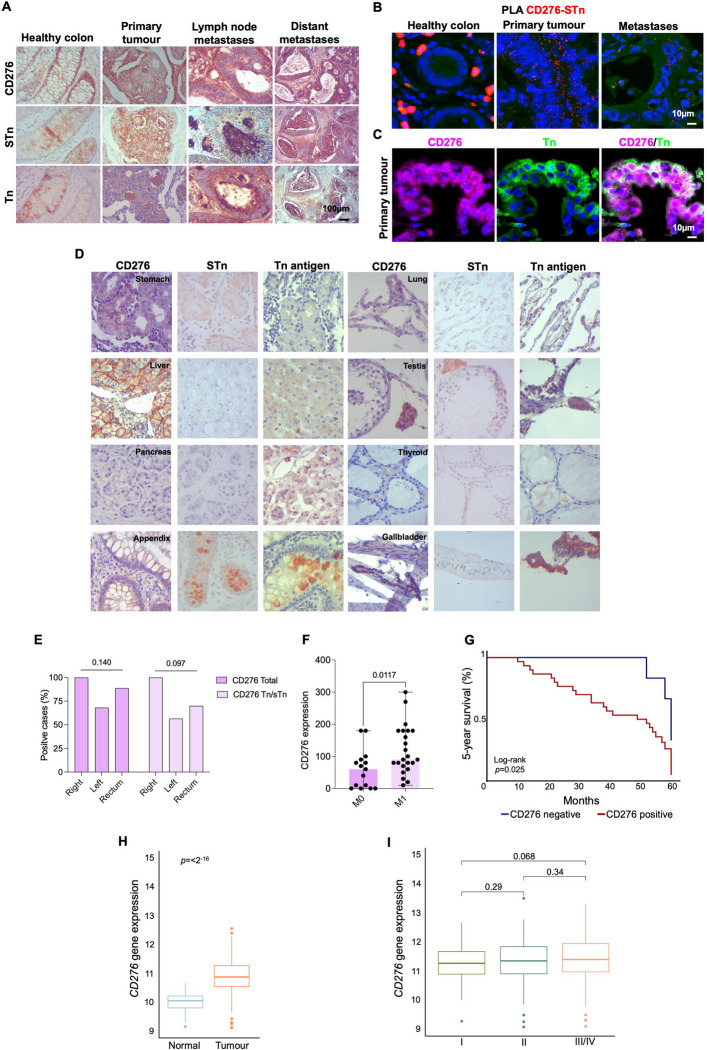 Figure 2
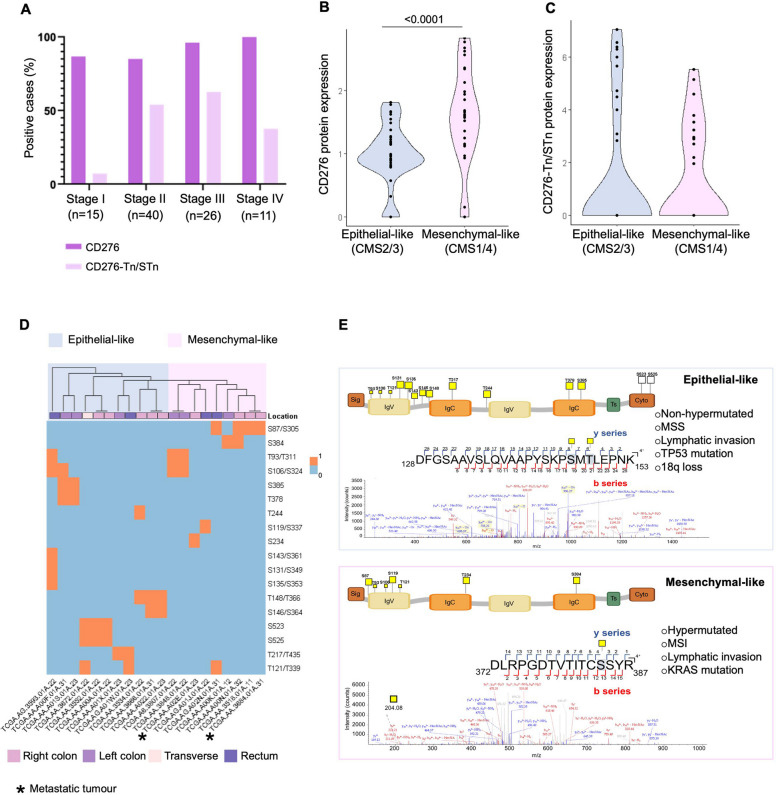 Figure 3
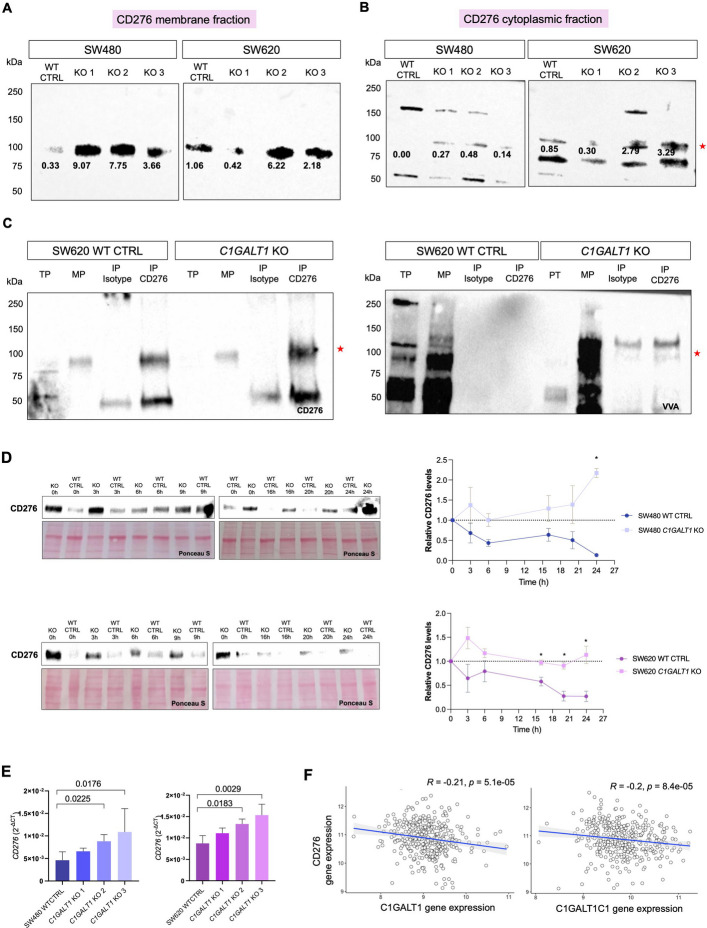 Figure 4
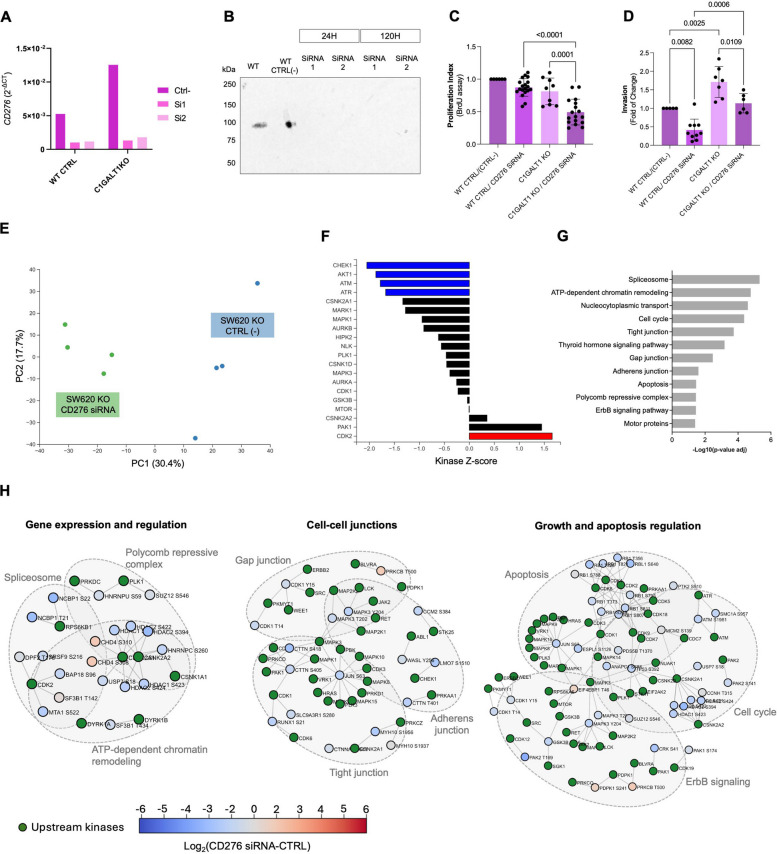 Figure 5
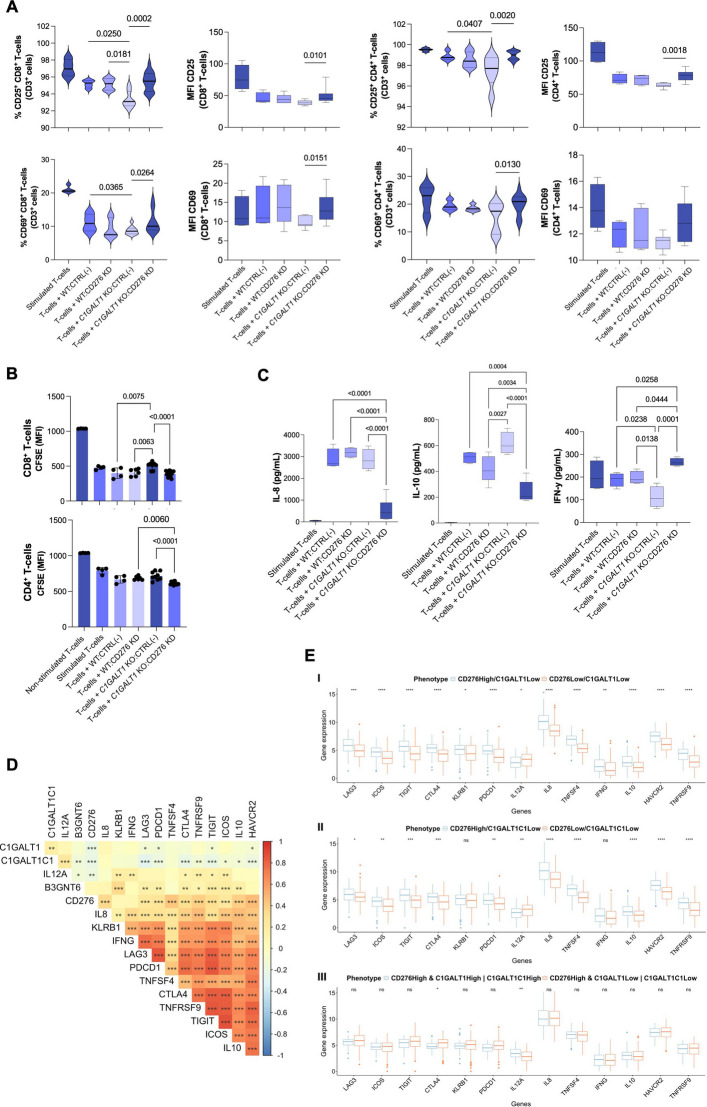 Figure 6
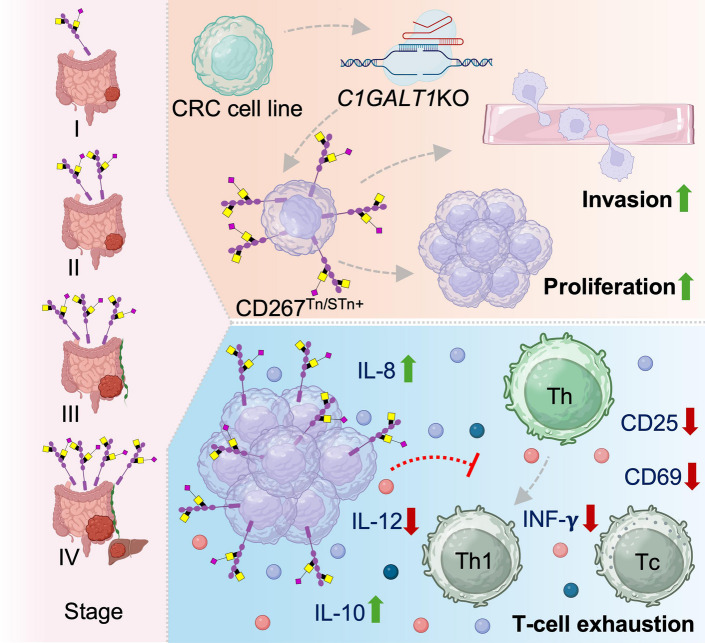 Figure 7
Peer Reviews
No public reviews on file for this paper yet. If you reviewed it on a platform where reviews are public (OpenReview, ICLR, NeurIPS, ICML), you can paste yours below so the community can read it here.
Videos
No videos yet. Explain this paper in a talk, walkthrough, or lecture? Add one.
Taxonomy
TopicsGlycosylation and Glycoproteins Research · Immunotherapy and Immune Responses · Cancer Immunotherapy and Biomarkers