Neodymium and Yttrium Adsorption on Citrate-Modified Cellulose: Experimental and Computational Insights
Alessio C. Perri, Giorgio De Luca, Nasser AL-Hamdani, Vincenzo Algieri, Emilia Furia, Elpida Piperopoulos, Giuseppina Anna Corrente, Amerigo Beneduci

TL;DR
This paper explores using citrate-modified cellulose to adsorb neodymium and yttrium, offering a sustainable alternative to traditional separation methods.
Contribution
The study introduces cellulose citrate as a novel adsorbent for rare earth elements with pH-dependent selectivity and validated mechanisms.
Findings
Cellulose citrate shows higher adsorption capacity for neodymium at higher concentrations.
Adsorption equilibrium is reached within 60 minutes and is strongly pH-dependent.
Computational models confirm the experimental adsorption behavior and binding mechanisms.
Abstract
Neodymium (Nd) and yttrium (Y), two rare earth elements, play a crucial role in a wide range of technologies, and their separation is a challenging process. Adsorption-based approaches offer a sustainable and cost-efficient substitute for the most widely used solvent extraction procedure. Here, we assess the potential of cellulose citrate (CC) as an adsorbent for the removal of Y and Nd through both experimental and computational approaches. CC was successfully synthesized by reacting raw cellulose extracted from Spartium junceum (Spanish broom) with molten citric acid using a green approach that does not require any solvent. The final goal is to shed light on the mechanism of adsorption by citrate-functionalized cellulose by interpreting the adsorption measurements through kinetics and isotherm adsorption models, as well as Density functional theory (DFT) calculations and molecular…
Genes, proteins, chemicals, diseases, species, mutations and cell lines named across the full text — each resolved to its canonical identifier and authoritative record.
Click any figure to enlarge with its caption.
 Figure 1
 Figure 2
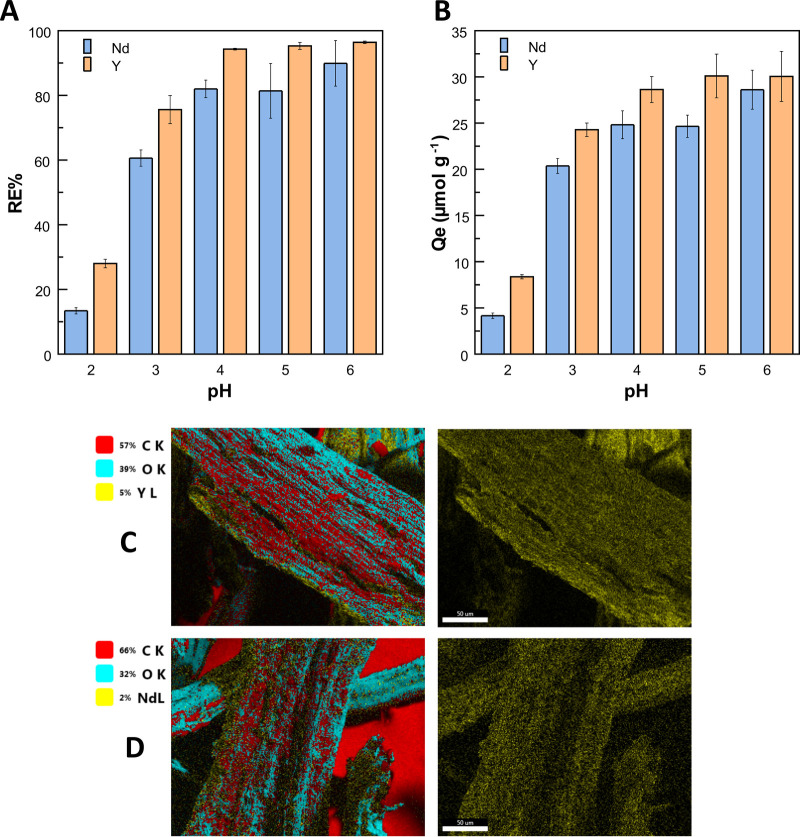 Figure 3
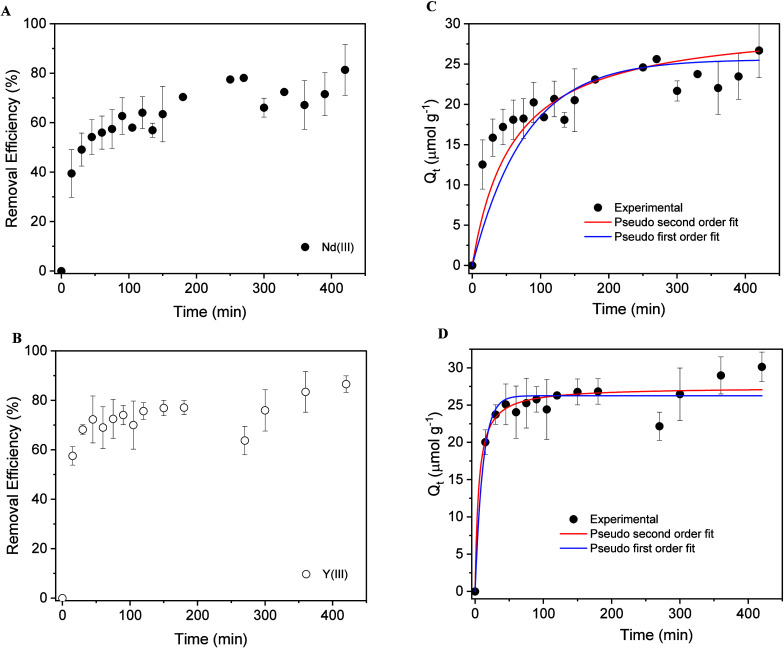 Figure 4
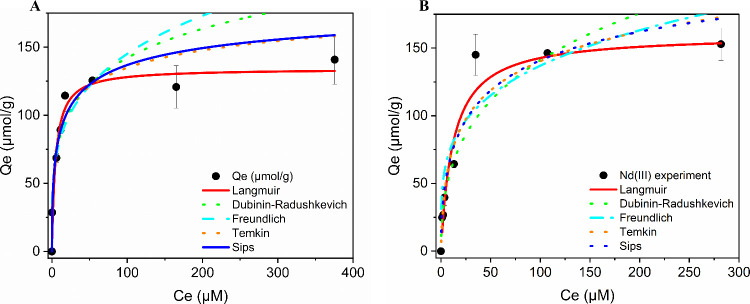 Figure 5
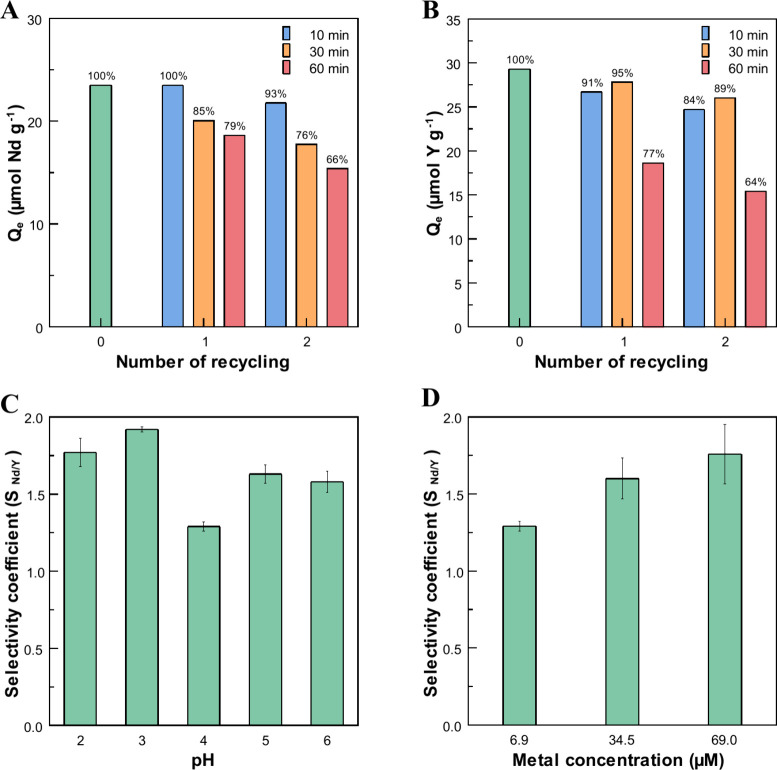 Figure 6
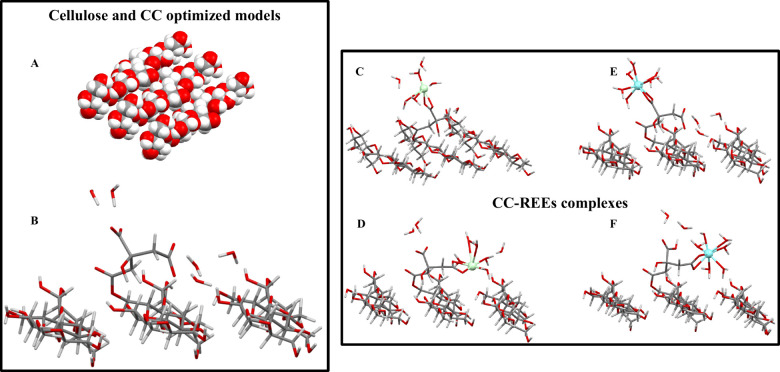 Figure 7
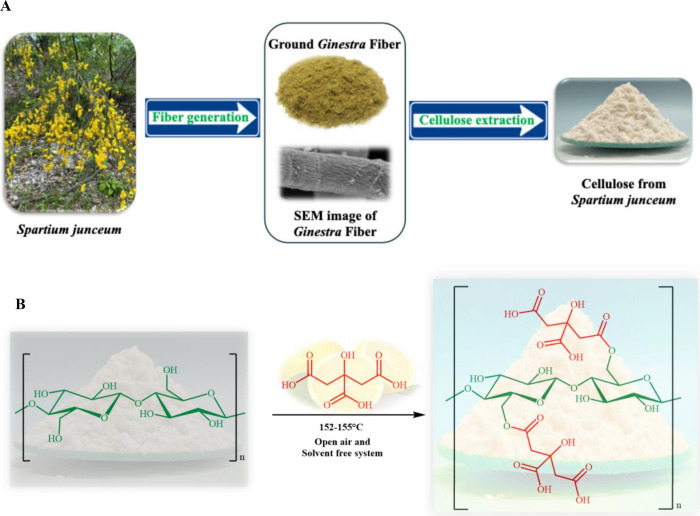 Figure 8
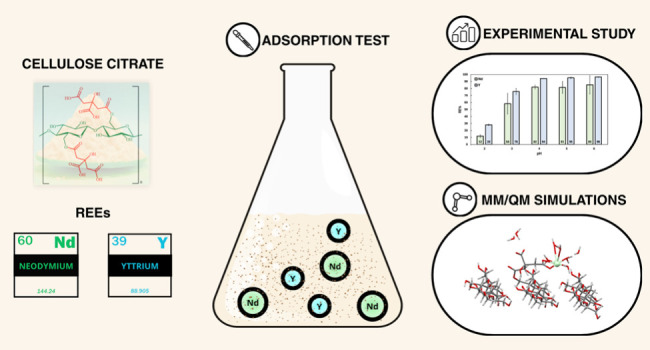 Figure 9
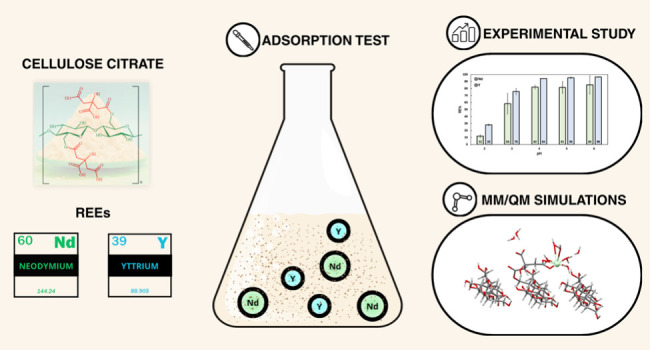 Figure 10
 Figure 11
 Figure 12
 Figure 13
 Figure 14
 Figure 15
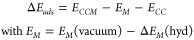 Figure 16
 Figure 17
 Figure 18
 Figure 19
 Figure 20
 Figure 21
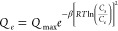 Figure 22
 Figure 23
 Figure 24
 Figure 25
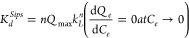 Figure 26
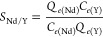 Figure 27
Peer Reviews
No public reviews on file for this paper yet. If you reviewed it on a platform where reviews are public (OpenReview, ICLR, NeurIPS, ICML), you can paste yours below so the community can read it here.
Videos
No videos yet. Explain this paper in a talk, walkthrough, or lecture? Add one.
Taxonomy
TopicsExtraction and Separation Processes · Adsorption and biosorption for pollutant removal · Geochemistry and Elemental Analysis