Capsaicin-Inspired Hydroxamate Hybrids as Selective HDAC6 Inhibitors with Antiproliferative Activity in Hematological Malignancies
Lara Gimenez Borges, Thais Nascimento de Oliveira Alves, Sandra Valeria Vassiliades, Jorge Antonio Elias Godoy Carlos, Karoline de Barros Waitman, Sebastian Hilscher, Mike Schutkowski, Wolfgang Sippl, Maurício Temotheo Tavares, Monica Franco Zannini Junqueira Toledo

TL;DR
Researchers designed new compounds that selectively inhibit HDAC6, a protein linked to cancer, and showed they can stop the growth of blood cancer cells.
Contribution
The paper introduces capsaicin-inspired hydroxamate hybrids as novel, selective HDAC6 inhibitors with strong antiproliferative effects in hematological malignancies.
Findings
Compounds 7a and 7c showed strong antiproliferative activity against Jurkat, Namalwa, and K-562 cells with IC50 values of 3.0–4.5 μM.
7a and 7c inhibited HDAC6 with nanomolar potency and over 300- and 1600-fold selectivity over HDAC1.
Molecular docking and Western blot confirmed HDAC6 inhibition and α-tubulin hyperacetylation, supporting their mechanism of action.
Abstract
A series of capsaicin-inspired benzodioxol-benzyl-hydroxamate hybrids was synthesized in three steps with high purity (≥95%) and excellent yields (71–94%). Compounds 7a and 7c exhibited the strongest antiproliferative effects against Jurkat, Namalwa, and K-562 cells (IC50 = 3.0–4.5 μM). Enzymatic assays revealed potent and selective HDAC6 inhibition in the nanomolar range (IC5 0 = 0.040 μM ± 0.011 for 7a and 0.007 μM ± 0.001 for 7c), with over 300- and 1600-fold selectivity versus HDAC1, respectively. Western blot confirmed target engagement through α-tubulin hyperacetylation, while molecular docking and dynamics studies supported stable bidentate zinc coordination and favorable hydrophobic interactions in the HDAC6 active site. Computational ADMET analyses further supported the experimental findings. These findings identify 7a and 7c as potent and selective HDAC6 inhibitors with…
Genes, proteins, chemicals, diseases, species, mutations and cell lines named across the full text — each resolved to its canonical identifier and authoritative record.
Click any figure to enlarge with its caption.
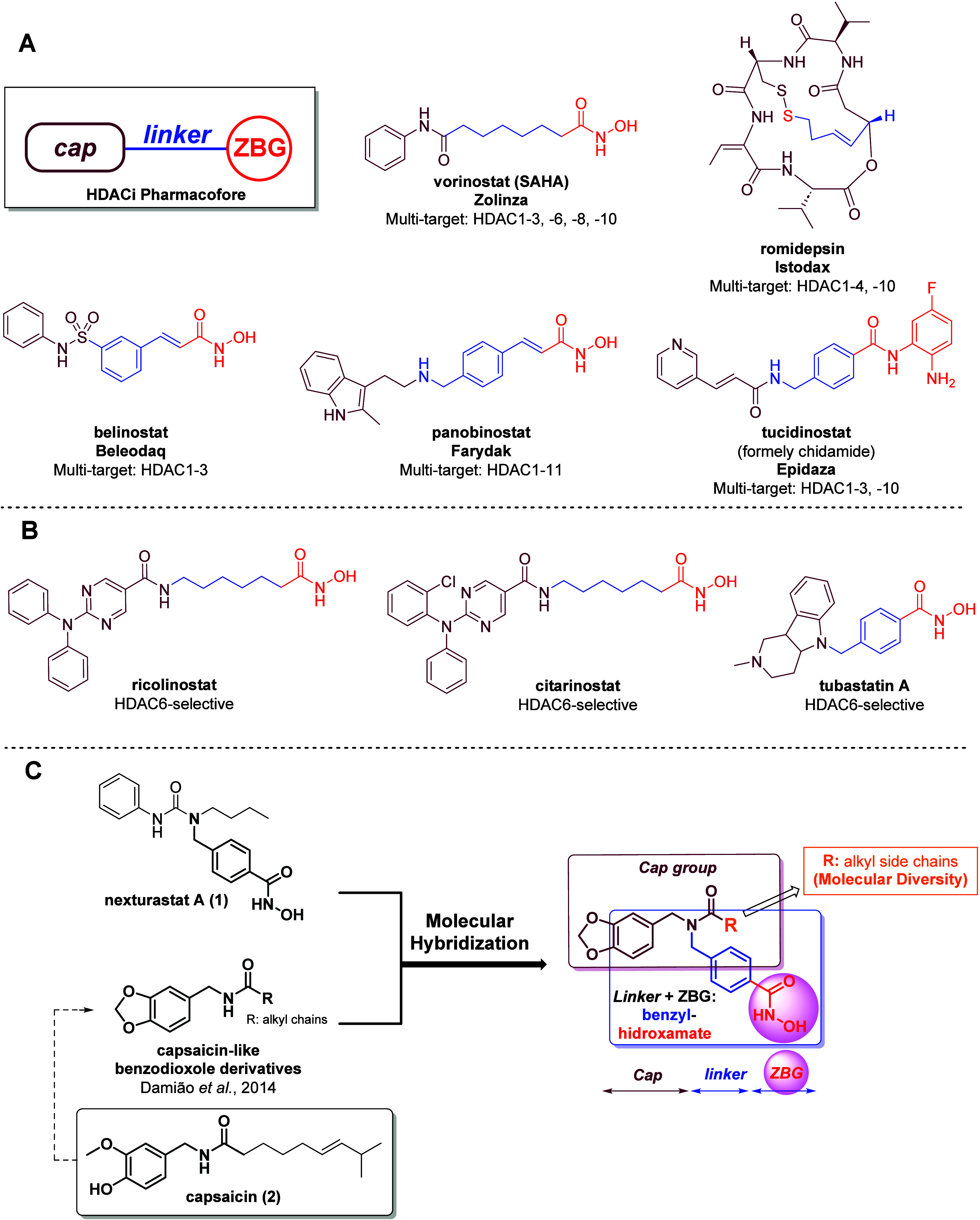 Figure 1
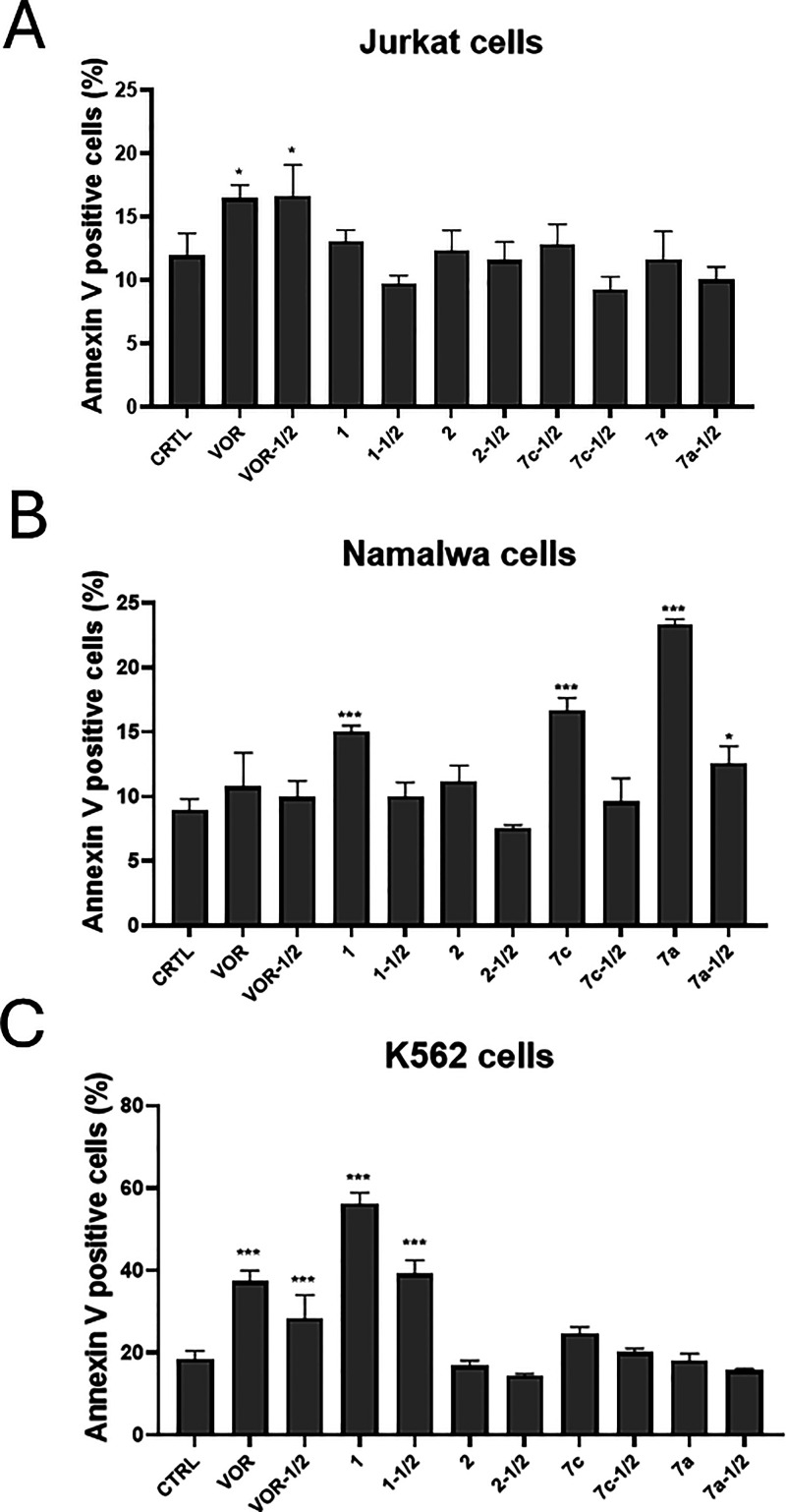 Figure 2
 Figure 3
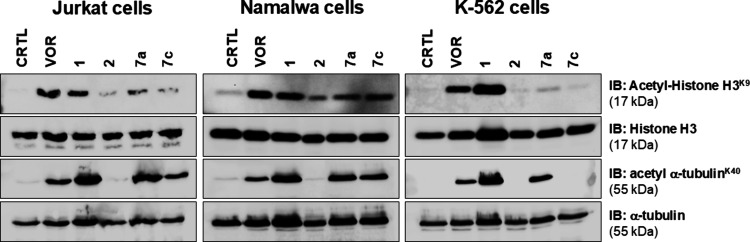 Figure 4
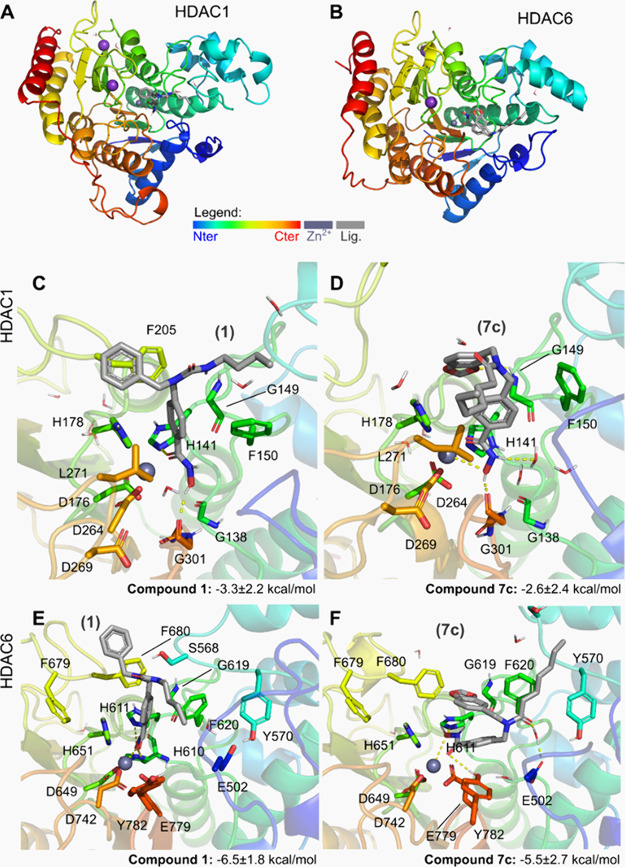 Figure 5
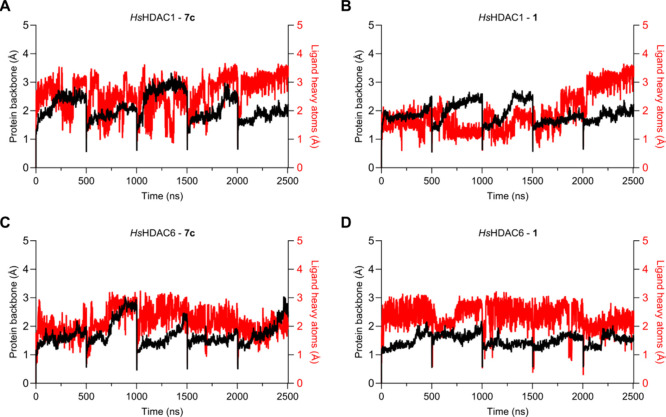 Figure 6
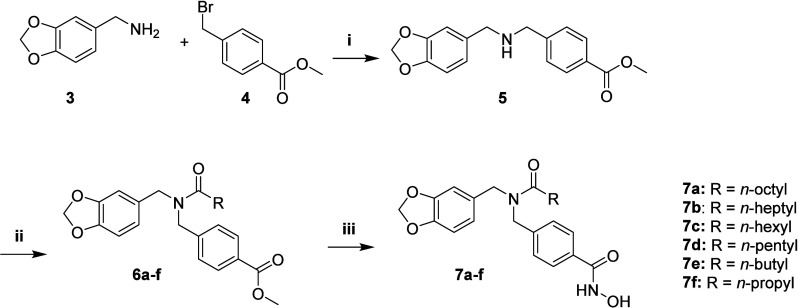 Figure 7
 Figure 8
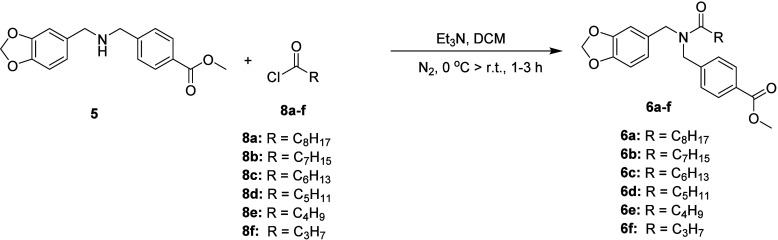 Figure 9
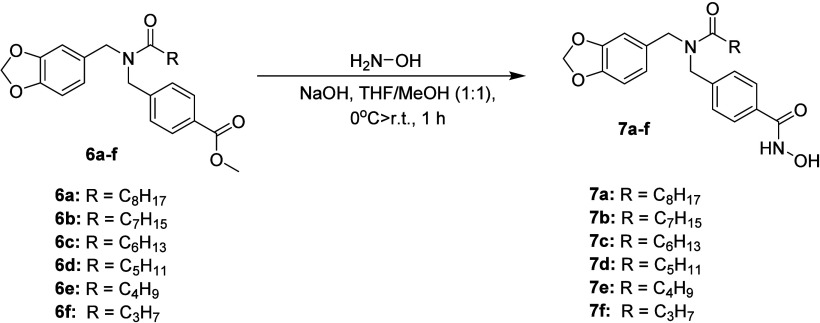 Figure 10
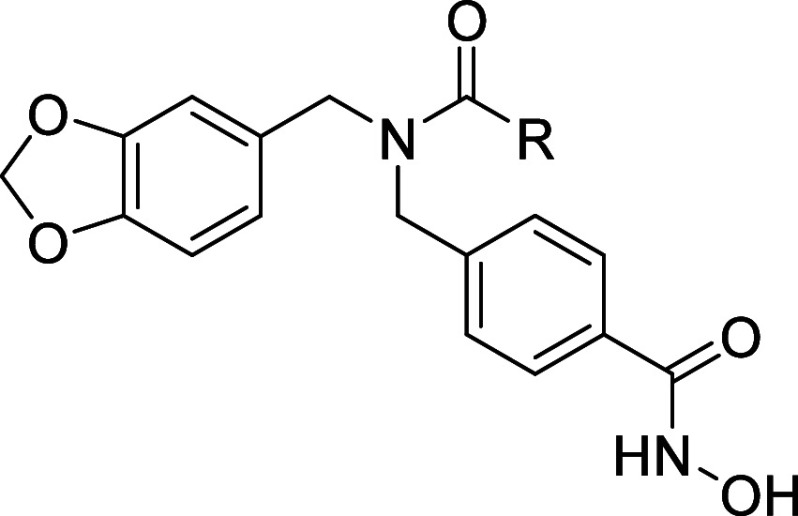 Figure 11
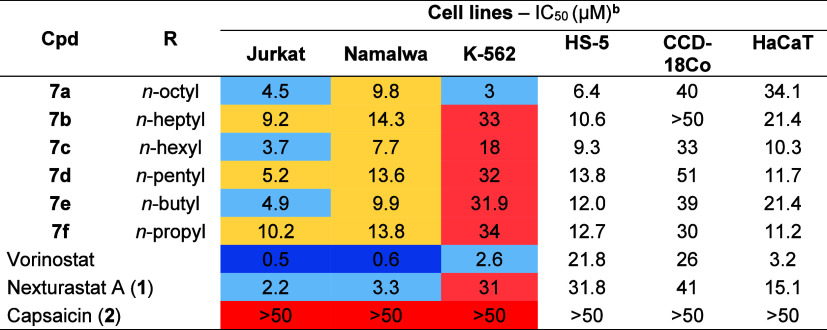 Figure 12
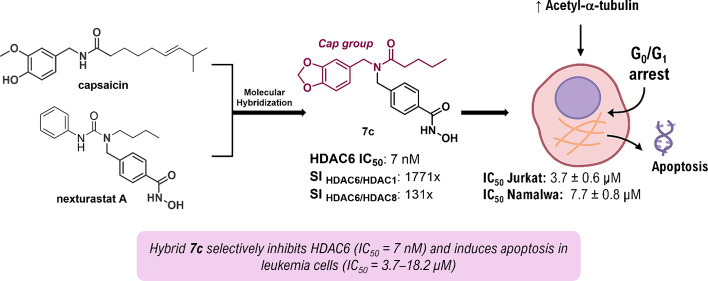 Figure 13
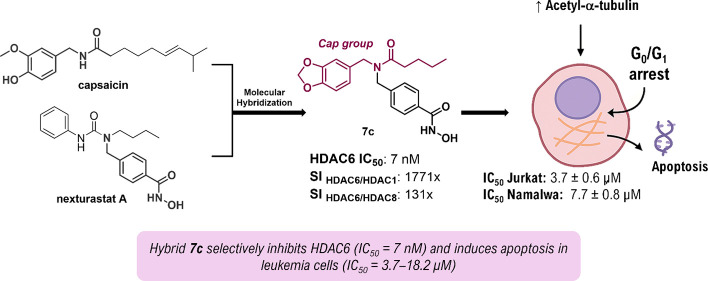 Figure 14
Peer Reviews
No public reviews on file for this paper yet. If you reviewed it on a platform where reviews are public (OpenReview, ICLR, NeurIPS, ICML), you can paste yours below so the community can read it here.
Videos
No videos yet. Explain this paper in a talk, walkthrough, or lecture? Add one.
Taxonomy
TopicsHistone Deacetylase Inhibitors Research · Peptidase Inhibition and Analysis · Neuropeptides and Animal Physiology