3D rGO and rGO/TiO2–Modified Melamine Sponges: Sorbents for Oil and Emerging Organic Pollutant Removal
Kelly Leite dos Santos Castro Assis, Thayane Almeida de Medeiros, Druval Santos de Sá, Carolina Carvalho de Mello, Nádia Cristina Da Silva Iack, Adriana Maria da Silva, Renata Antoun Simão, Braulio Soares Archanjo, Carlos Alberto Achete

TL;DR
This paper presents a new method to modify melamine sponges with graphene and titanium dioxide for removing oil and pollutants from water.
Contribution
The study introduces a sustainable, multifunctional sorbent combining rGO and TiO2 for oil and organic pollutant removal.
Findings
The modified sponges showed an oil uptake capacity of 85 times their own weight.
The material achieved high adsorption efficiencies for pollutants like methylene blue and ibuprofen.
The sponges maintained high removal efficiency after nine reuse cycles.
Abstract
Environmental disasters resulting from the exploitation of natural resources, such as oil spills, have severe and lasting impacts on ecosystems. In this work, melamine sponges were modified with reduced graphene oxide (rGO) and titanium dioxide nanosheets (TiO2) to develop multifunctional materials for environmental remediation. Prior to TiO2 modification, the sponges were coated with rGO of different sheet sizes to evaluate the influence of rGO dimensions on surface coverage and material properties. Graphene oxide was reduced using ascorbic acid as a green reducing agent, and the process was accelerated in a microwave reactor. The resulting 3D material exhibited hydrophobic and oleophilic characteristics, enabling efficient and selective oil absorption from water. Structural and morphological characterizations confirmed the successful modification of the sponge, which displayed an…
Genes, proteins, chemicals, diseases, species, mutations and cell lines named across the full text — each resolved to its canonical identifier and authoritative record.
Click any figure to enlarge with its caption.
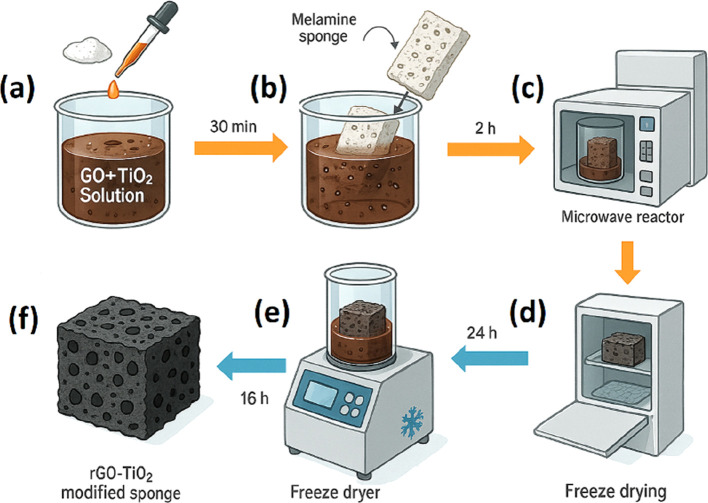 Figure 1
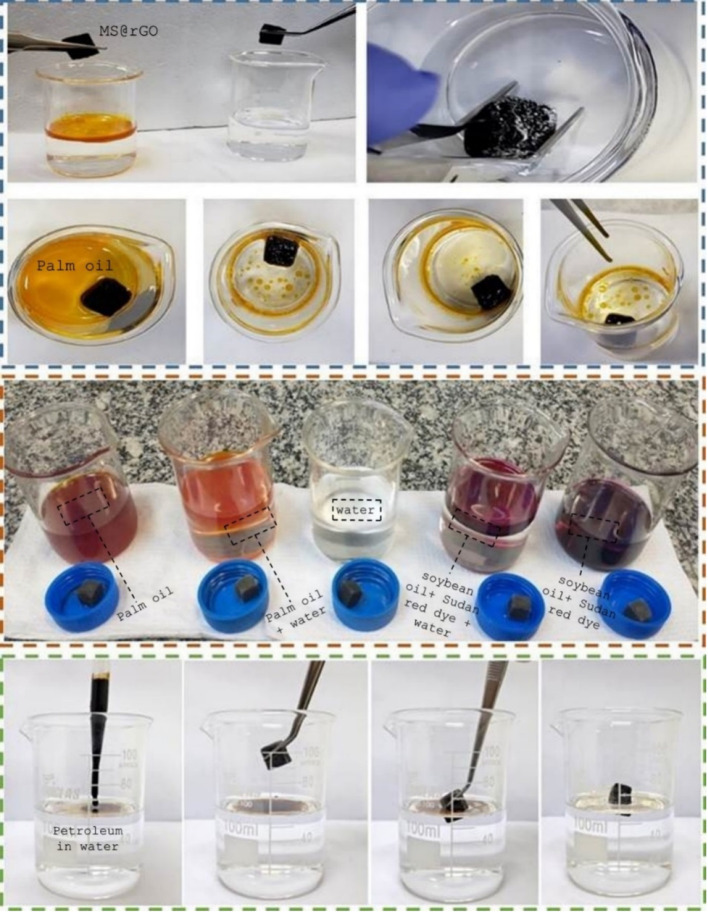 Figure 2
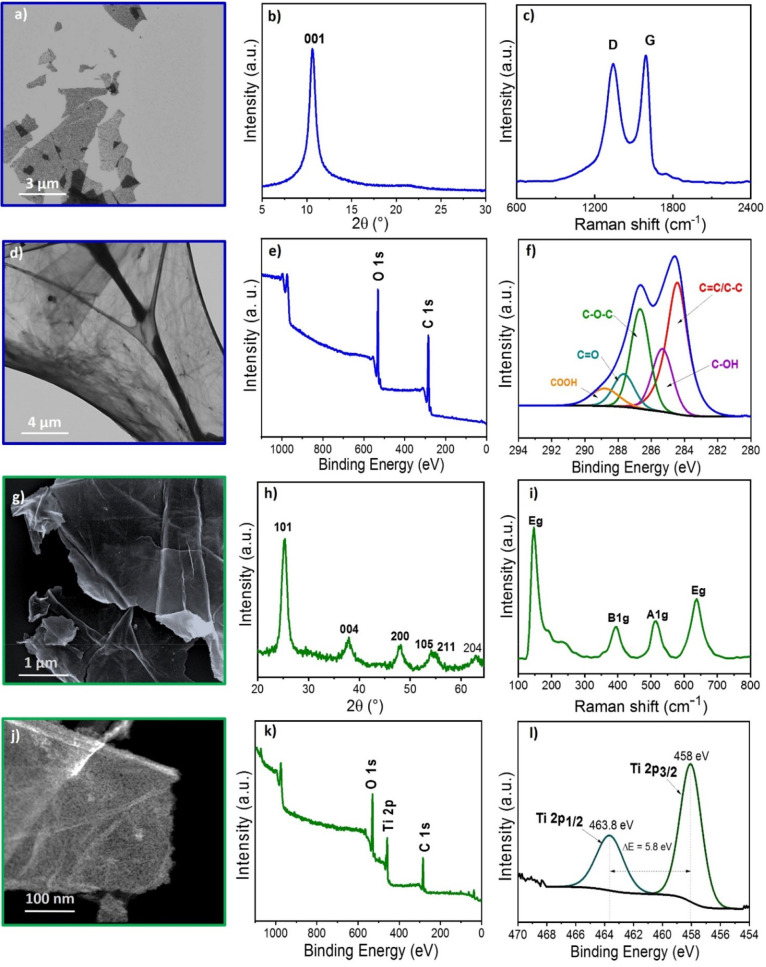 Figure 3
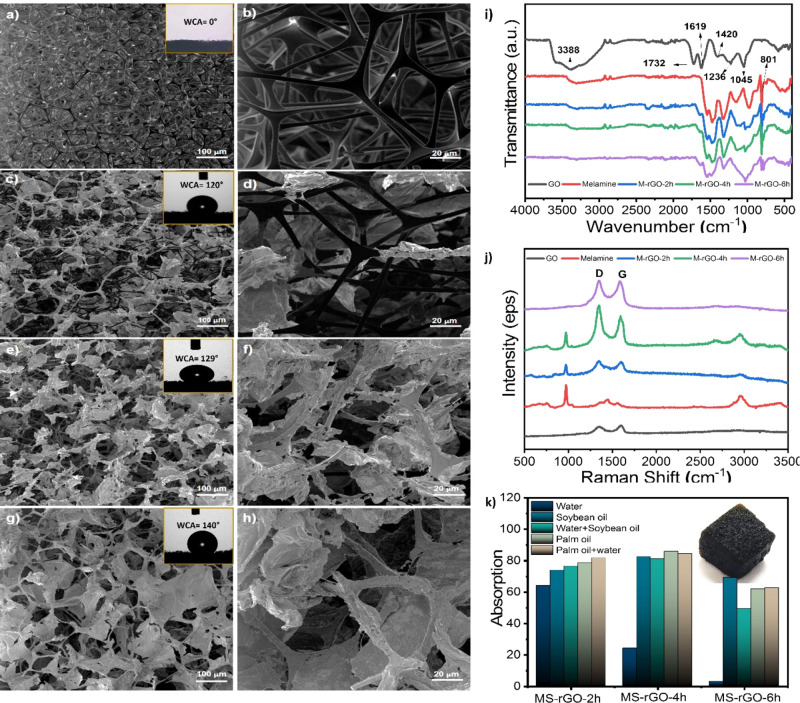 Figure 4
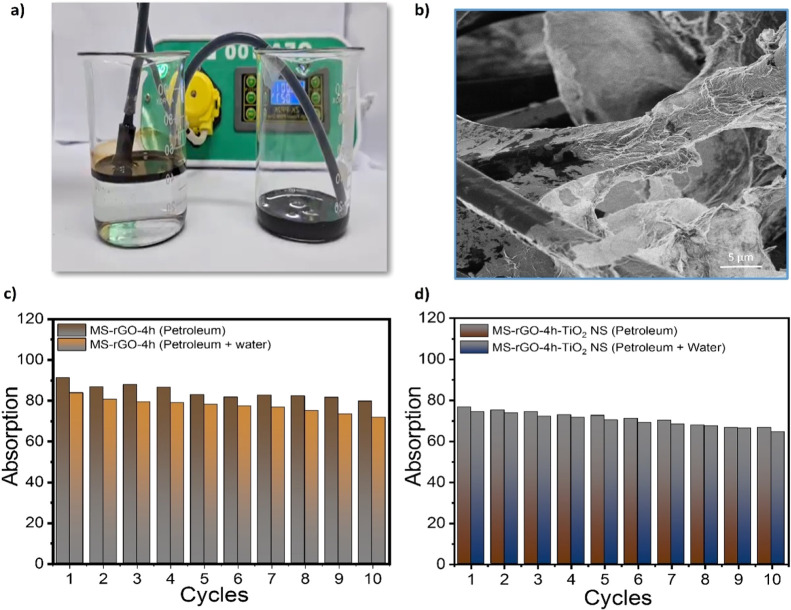 Figure 5
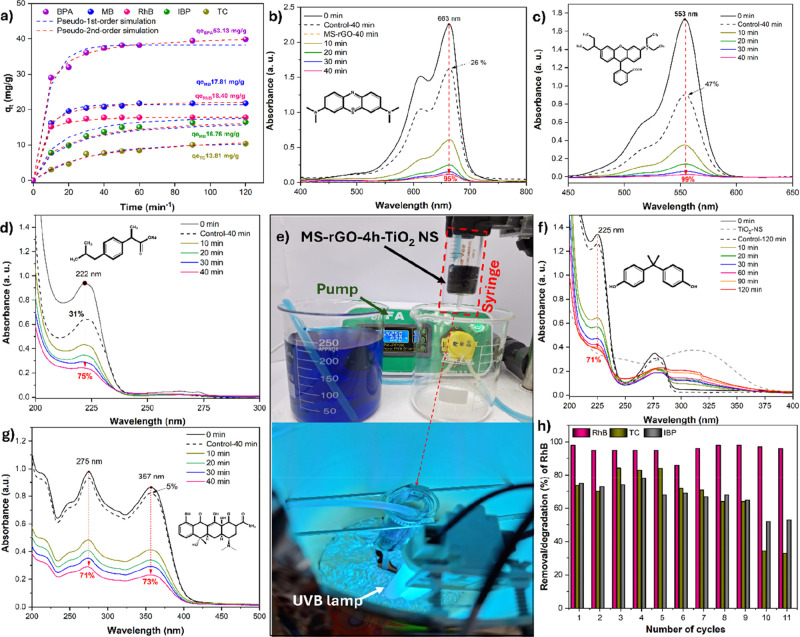 Figure 6
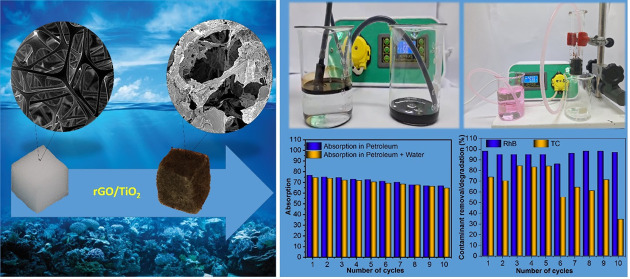 Figure 7
 Figure 8
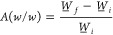 Figure 9
 Figure 10
 Figure 11
 Figure 12
 Figure 13
 Figure 14
Peer Reviews
No public reviews on file for this paper yet. If you reviewed it on a platform where reviews are public (OpenReview, ICLR, NeurIPS, ICML), you can paste yours below so the community can read it here.
Videos
No videos yet. Explain this paper in a talk, walkthrough, or lecture? Add one.
Taxonomy
TopicsSurface Modification and Superhydrophobicity · Adsorption and biosorption for pollutant removal · Advanced Photocatalysis Techniques