Characterizing Organic Gunshot Residues with Low-Frequency Raman and Terahertz Vibrational Spectroscopies
Salvatore Zarrella, Margaret P. Davis, Mary N. Boyden, Timothy M. Korter

TL;DR
This paper shows how low-frequency Raman and terahertz spectroscopy can detect and distinguish organic gunshot residues, which are important in forensic investigations.
Contribution
The study introduces low-frequency vibrational spectroscopy as a novel method for identifying and quantifying organic gunshot residues.
Findings
LFRS and THz-TDS can distinguish between ethyl centralite and methyl centralite based on unique spectral features.
LFRS was found to be more sensitive for detecting these compounds, with specific peaks at 98.8 cm–1 and 111.7 cm–1.
The strongest spectral features arise from torsional motions of phenyl rings in the molecular crystals.
Abstract
Low-frequency (10–300 cm–1) vibrational spectroscopy is a promising method for enhancing the detection of solid-state organic gunshot residues (OGSRs) which serve as vital trace evidence in crime scene investigations. The use of low-frequency Raman spectroscopy (LFRS) and terahertz time-domain spectroscopy (THz-TDS) allows for the measurement of material-specific lattice vibrations that originate not only from individual molecules, but also from motions between molecules in the solid-state. Together, these vibrations yield unique spectral profiles for compound recognition and characterization. In this study, LFRS and THz-TDS data for two common and structurally similar OGSRs are presented and analyzed: 1,3-diethyl-1,3-diphenylurea (ethyl centralite) and 1,3-dimethyl-1,3-diphenylurea (methyl centralite). Despite their similarities, both exhibit distinctive Raman and THz spectra, and the…
Genes, proteins, chemicals, diseases, species, mutations and cell lines named across the full text — each resolved to its canonical identifier and authoritative record.
Click any figure to enlarge with its caption.
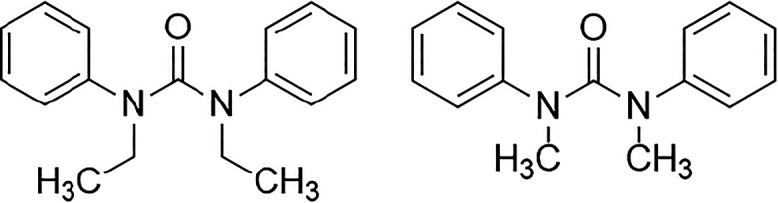 Figure 1
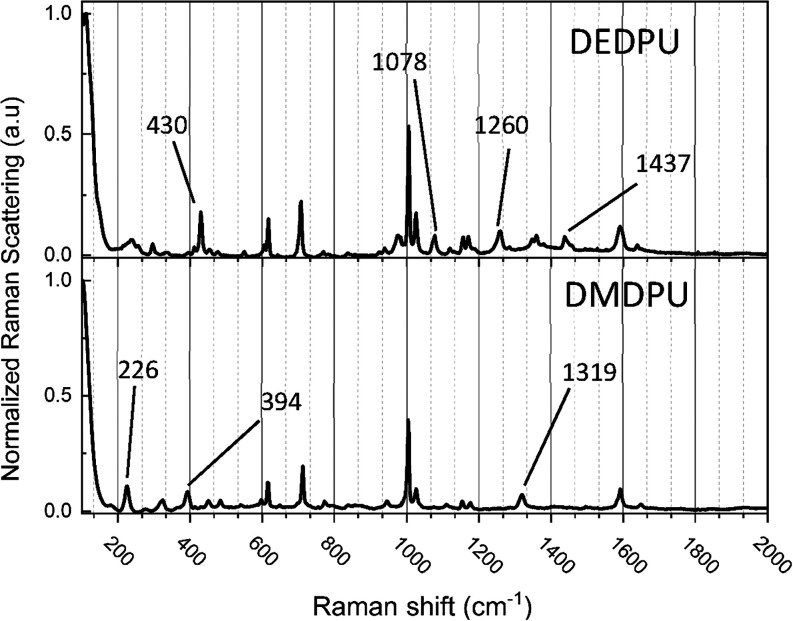 Figure 2
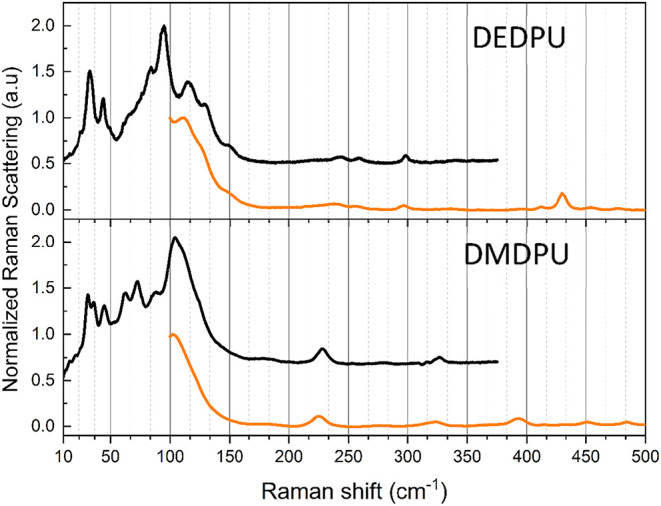 Figure 3
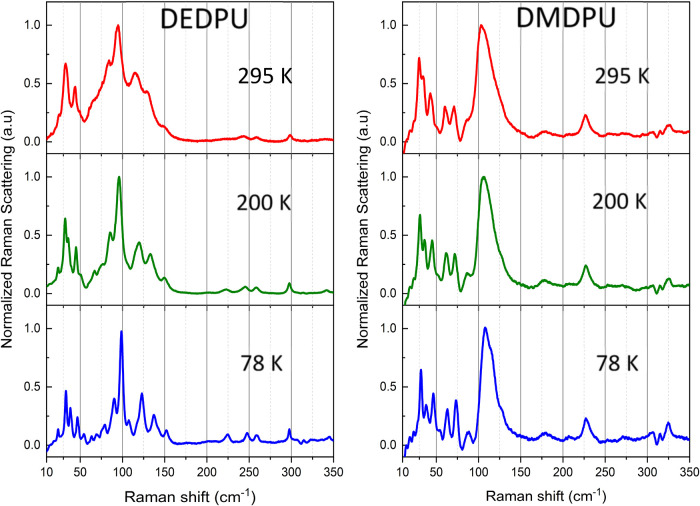 Figure 4
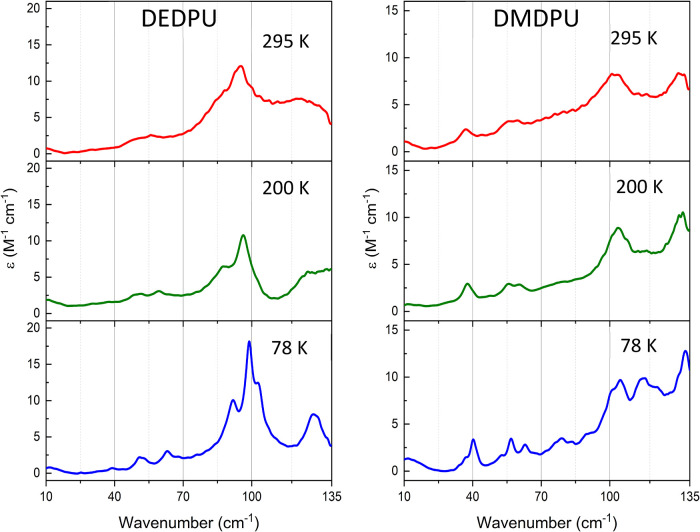 Figure 5
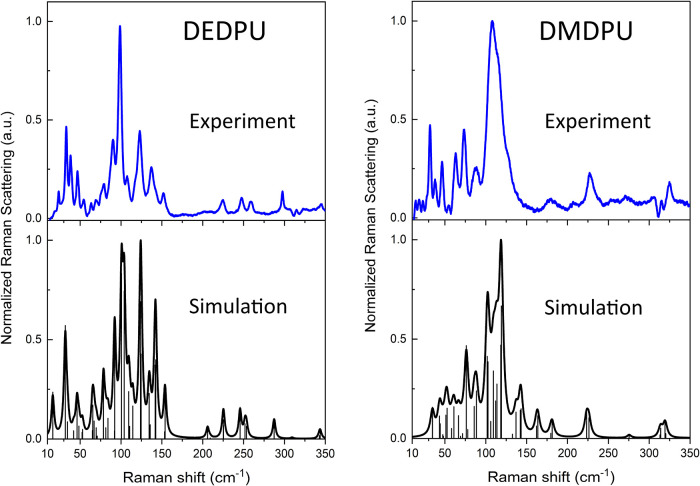 Figure 6
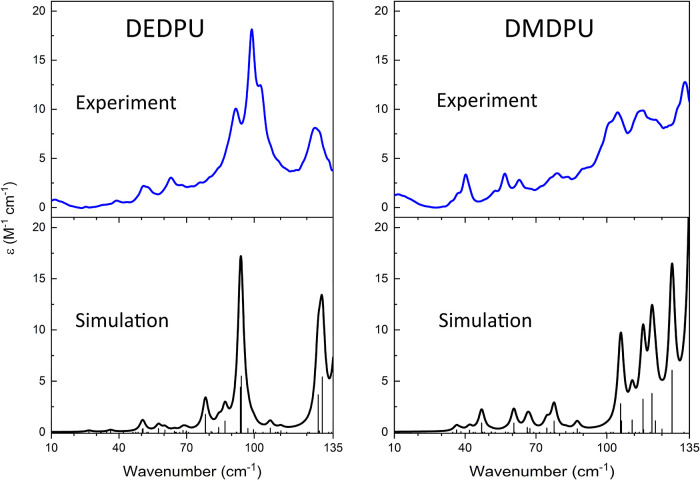 Figure 7
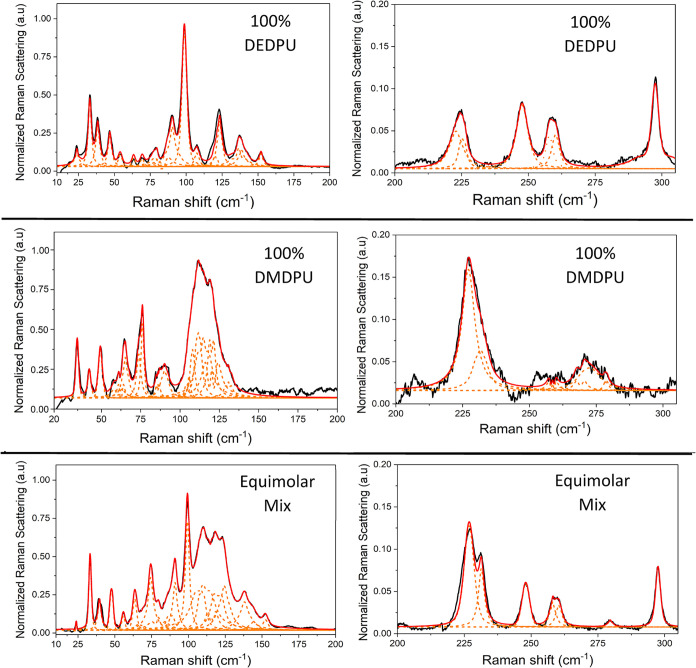 Figure 8
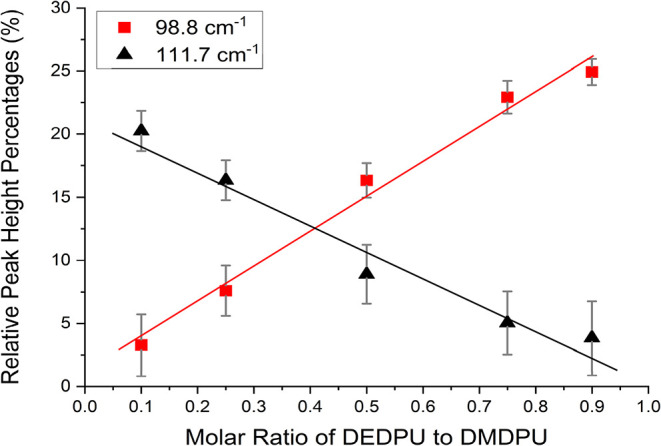 Figure 9
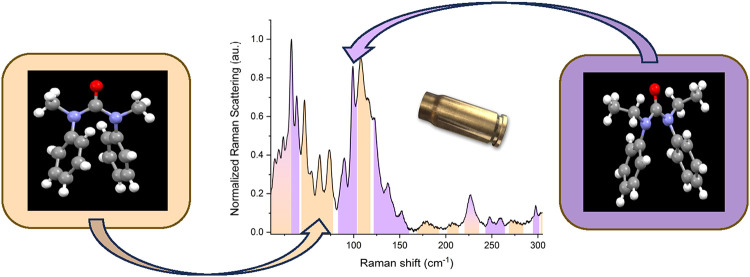 Figure 10
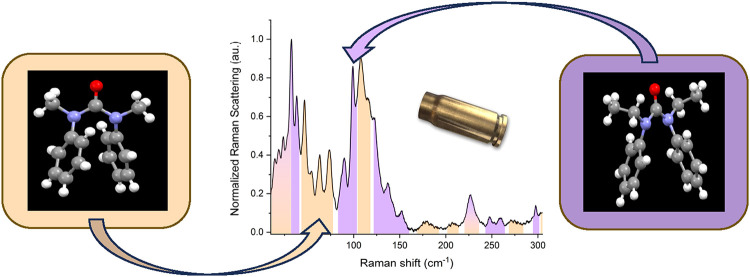 Figure 11
Peer Reviews
No public reviews on file for this paper yet. If you reviewed it on a platform where reviews are public (OpenReview, ICLR, NeurIPS, ICML), you can paste yours below so the community can read it here.
Videos
No videos yet. Explain this paper in a talk, walkthrough, or lecture? Add one.
Taxonomy
TopicsTerahertz technology and applications · Forensic and Genetic Research · Spectroscopy Techniques in Biomedical and Chemical Research