Big Data for Drug Discovery: Some Historical Landscape, Considerations, and Applications for a Medicinal Chemist
João A. L. de Lima, Lucas Silva Franco, Lídia M. Lima

TL;DR
Big Data is transforming drug discovery by integrating diverse data types and AI, enabling faster and more cost-effective development of new drugs and personalized therapies.
Contribution
The paper highlights how Big Data extends beyond ligand discovery to support novel target identification and individualized therapies in medicinal chemistry.
Findings
Big Data integration with AI and high-throughput screening accelerates the identification of compounds with optimal pharmacological profiles.
Big Data supports the identification of new pharmacological targets through genomic, proteomic, and metabolomic data integration.
The use of Big Data in later drug development stages, including regulatory evaluation and clinical translation, is now essential.
Abstract
Big Data (BD) has the potential to transform the process of drug discovery. The integration of chemical, biological, pharmacological, and clinical information facilitates the expeditious conception of high-value projects, thereby enhancing the identification of hits and the generation of superior leads or repositioned candidates while concomitantly reducing time and costs. In this review, we demonstrate that BD extends beyond the scope of ligand discovery, thereby supporting the identification of novel pharmacological targets through the integration of genomic, proteomic, and metabolomic data sets. This integration adds further depth and guides the development of individualized therapies. When combined with combinatorial chemistry, high-throughput screening, and artificial intelligence (AI), BD expedites the identification of compounds that exhibit optimal pharmacokinetic and…
Genes, proteins, chemicals, diseases, species, mutations and cell lines named across the full text — each resolved to its canonical identifier and authoritative record.
Click any figure to enlarge with its caption.
 Figure 1
 Figure 2
 Figure 3
 Figure 4
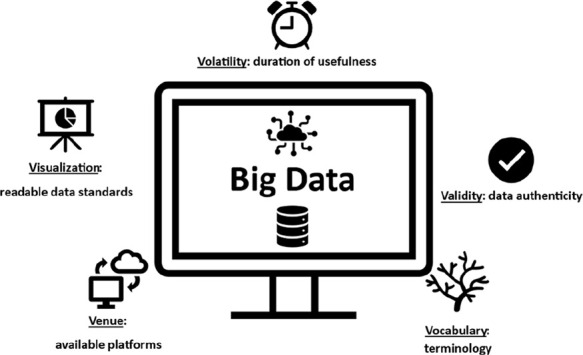 Figure 5
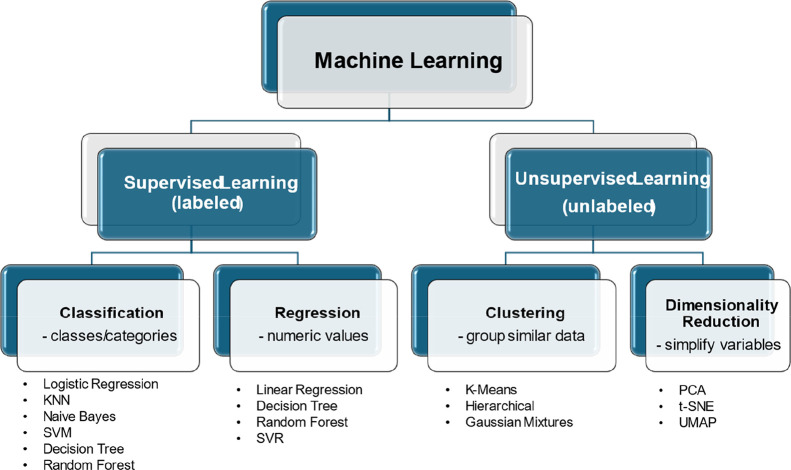 Figure 6
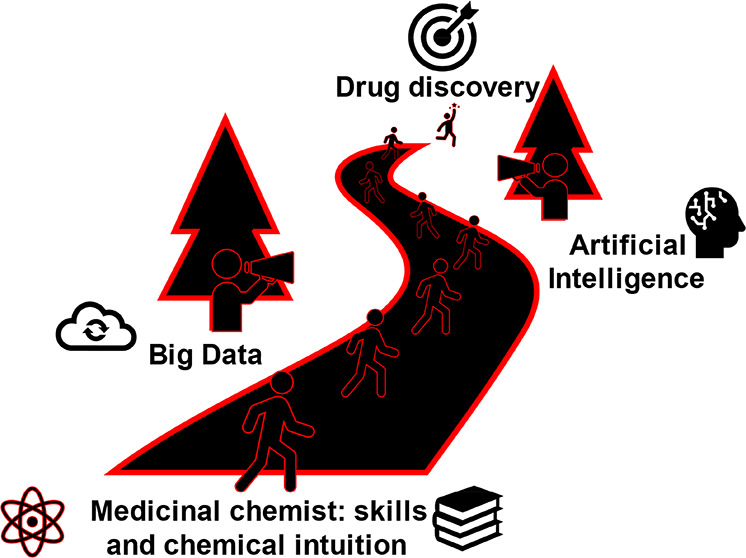 Figure 7
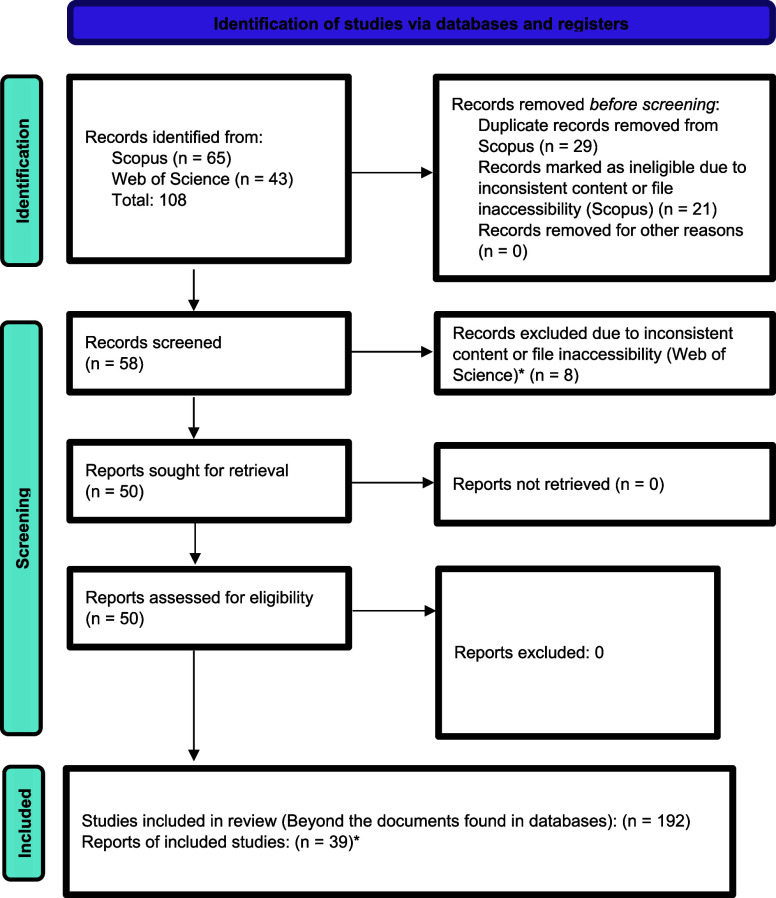 Figure 8
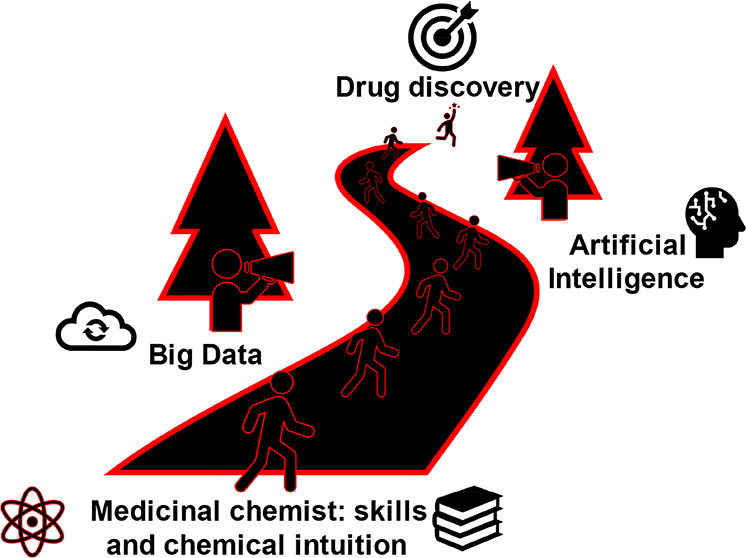 Figure 9
Peer Reviews
No public reviews on file for this paper yet. If you reviewed it on a platform where reviews are public (OpenReview, ICLR, NeurIPS, ICML), you can paste yours below so the community can read it here.
Videos
No videos yet. Explain this paper in a talk, walkthrough, or lecture? Add one.
Taxonomy
TopicsComputational Drug Discovery Methods · Machine Learning in Materials Science · Biomedical Text Mining and Ontologies