Property Variations of Binder-Free Lignin-Rich Fiber Networks Driven by Forming Processes and Hot Pressing
Sara Paunonen, Amanda Mattsson, Gunilla Pettersson, Jukka A. Ketoja

TL;DR
This study examines how different forming methods and hot pressing affect the properties of lignin-rich fiber sheets, finding that extreme pressing conditions enhance strength regardless of initial structure.
Contribution
The paper introduces how extreme hot-pressing conditions can override initial structural differences in lignin-rich fiber networks, enhancing material strength.
Findings
Compressed air-laid sheets showed highest air permeance and smallest pore size, beneficial for particle filtering.
Foam-laid sheets had weaker performance at moderate pressing but matched water-laid sheets under extreme conditions.
Extreme pressing conditions led to high tensile and compression strength due to polymer interdiffusion overriding hydrogen bonding.
Abstract
Sheets made from lignin-rich fiber raw materials can be bonded by hot pressing without external binders. This paper explores how air-laid, foam-laid, and water-laid web formation methods, initial sheet moisture content, as well as hot-pressing conditions (5 MPa, 100–260 °C, 1–60 s), impact the physical properties of board-like materials made of chemi-thermomechanical softwood fibers. In addition to the structural characterization of the hot-pressed materials by X-ray microtomography, air permeance, water contact angle, dry and wet tensile strength, and in-plane compression properties were measured. Despite the significant structural densification, characteristics of the forming method were retained after hot pressing in the final sheet properties. The compressed air-laid sheets had the highest air permeance and the smallest mean pore size, which could be beneficial for particle…
Genes, proteins, chemicals, diseases, species, mutations and cell lines named across the full text — each resolved to its canonical identifier and authoritative record.
Click any figure to enlarge with its caption.
 Figure 1
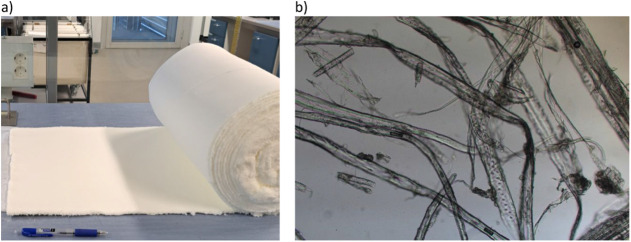 Figure 2
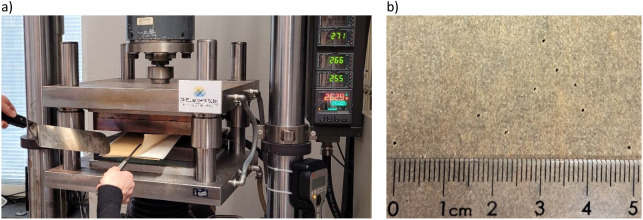 Figure 3
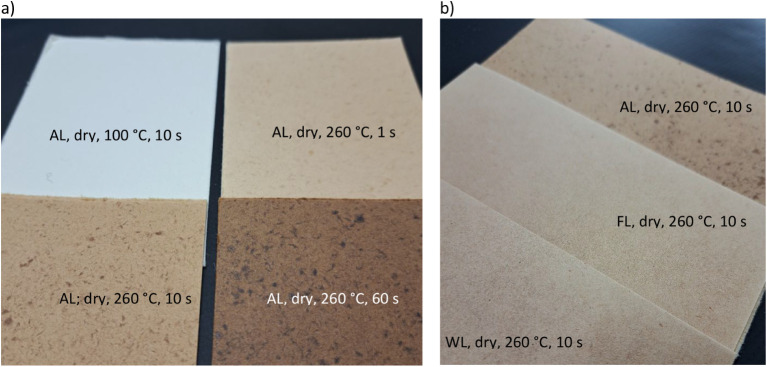 Figure 4
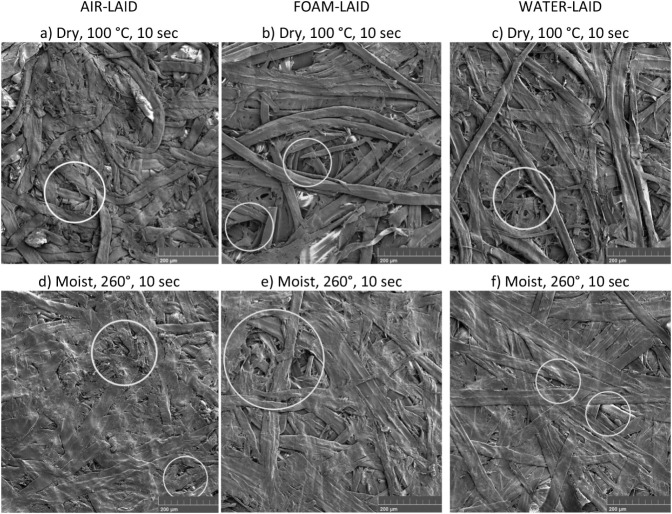 Figure 5
 Figure 6
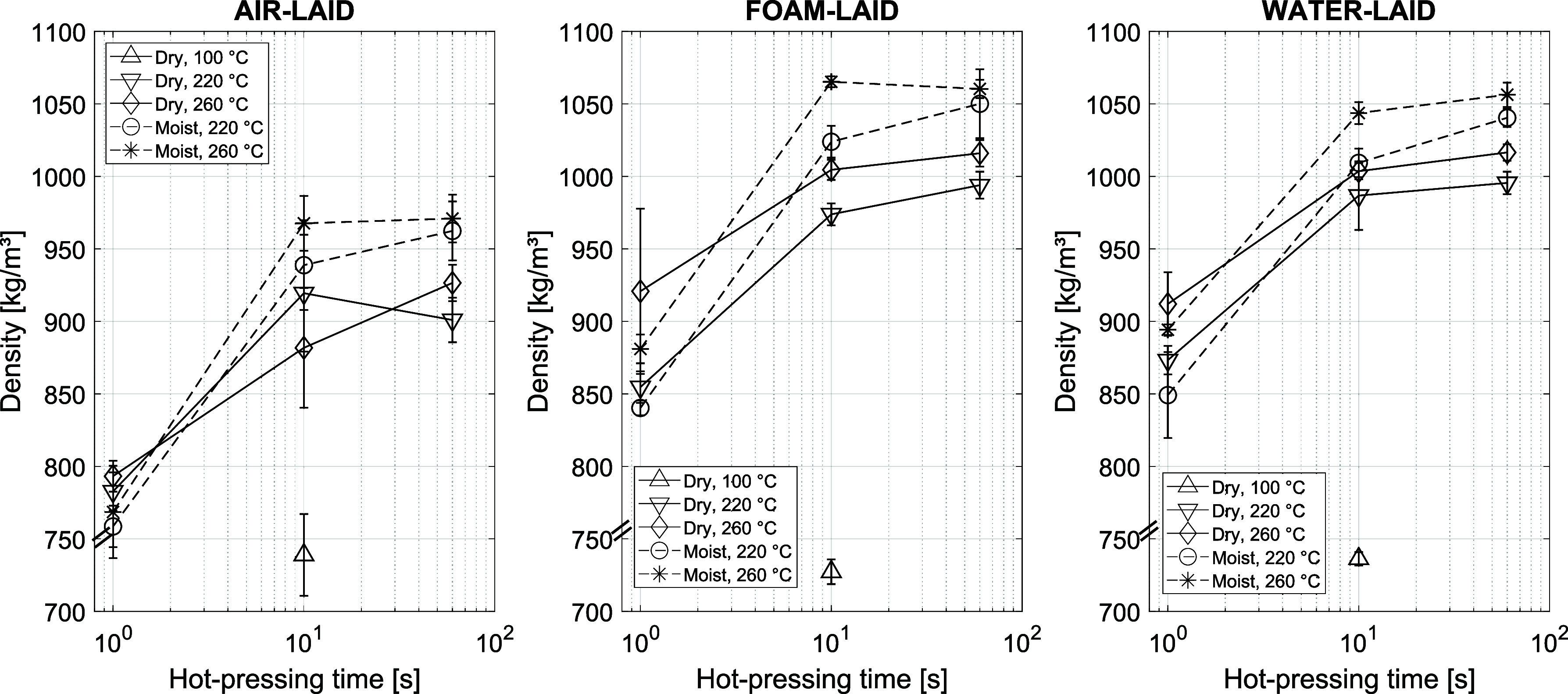 Figure 7
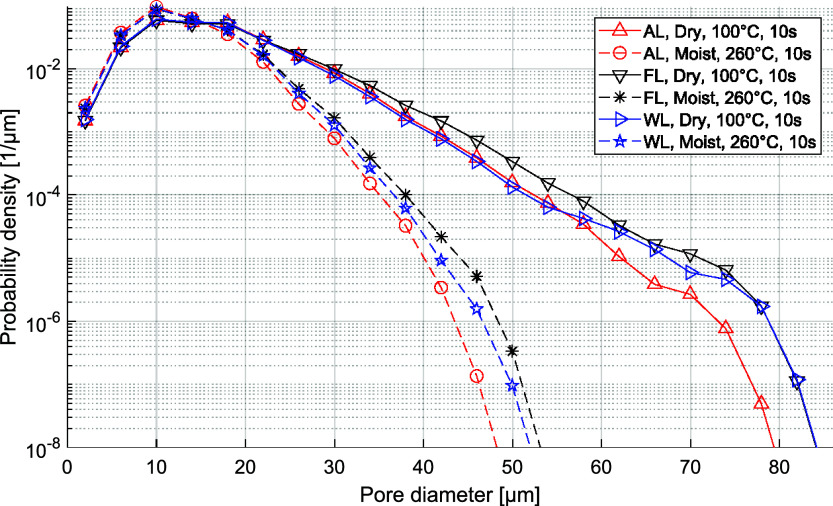 Figure 8
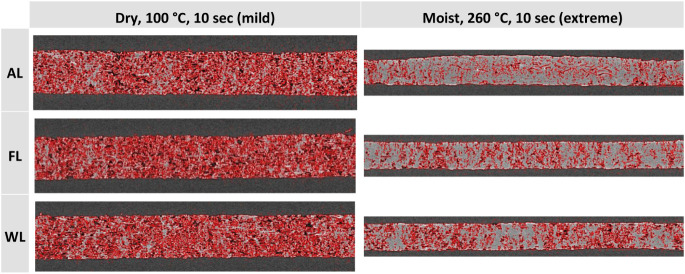 Figure 9
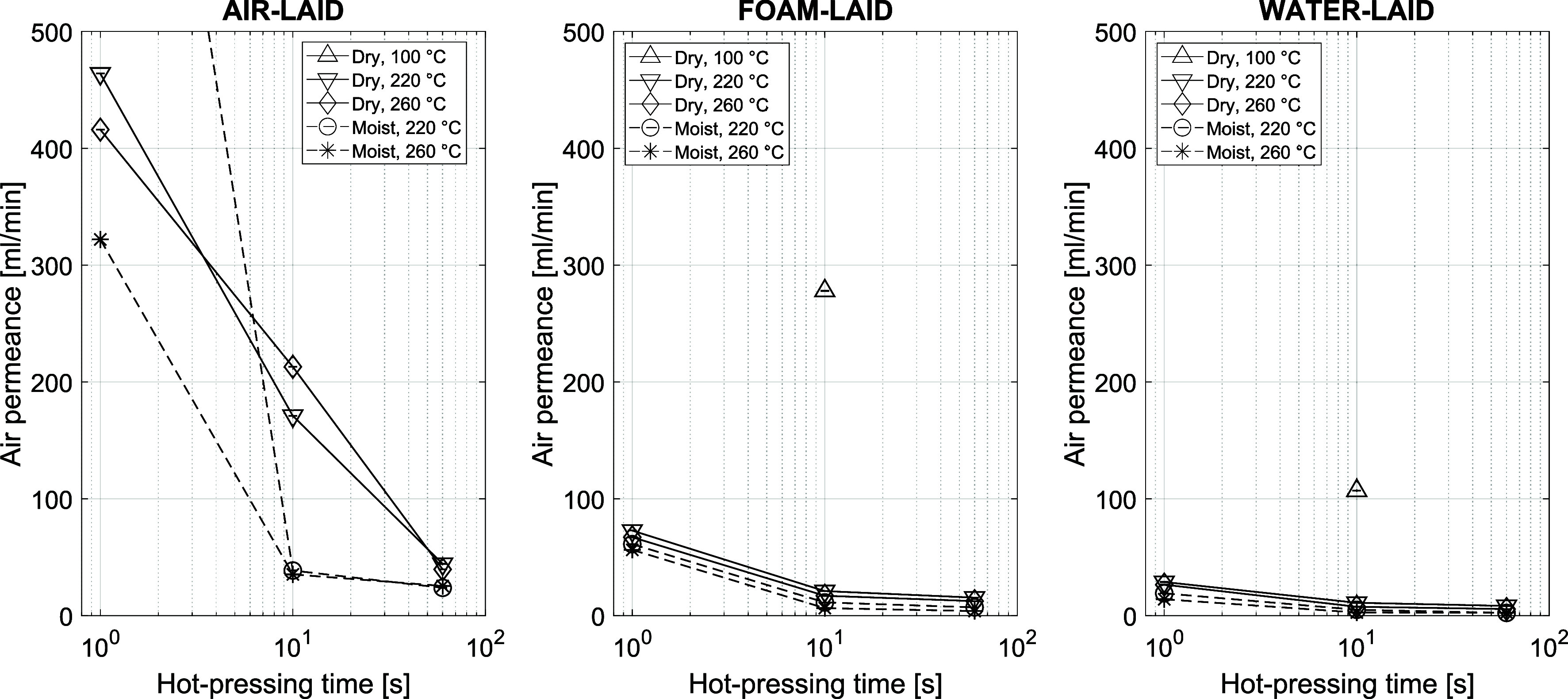 Figure 10
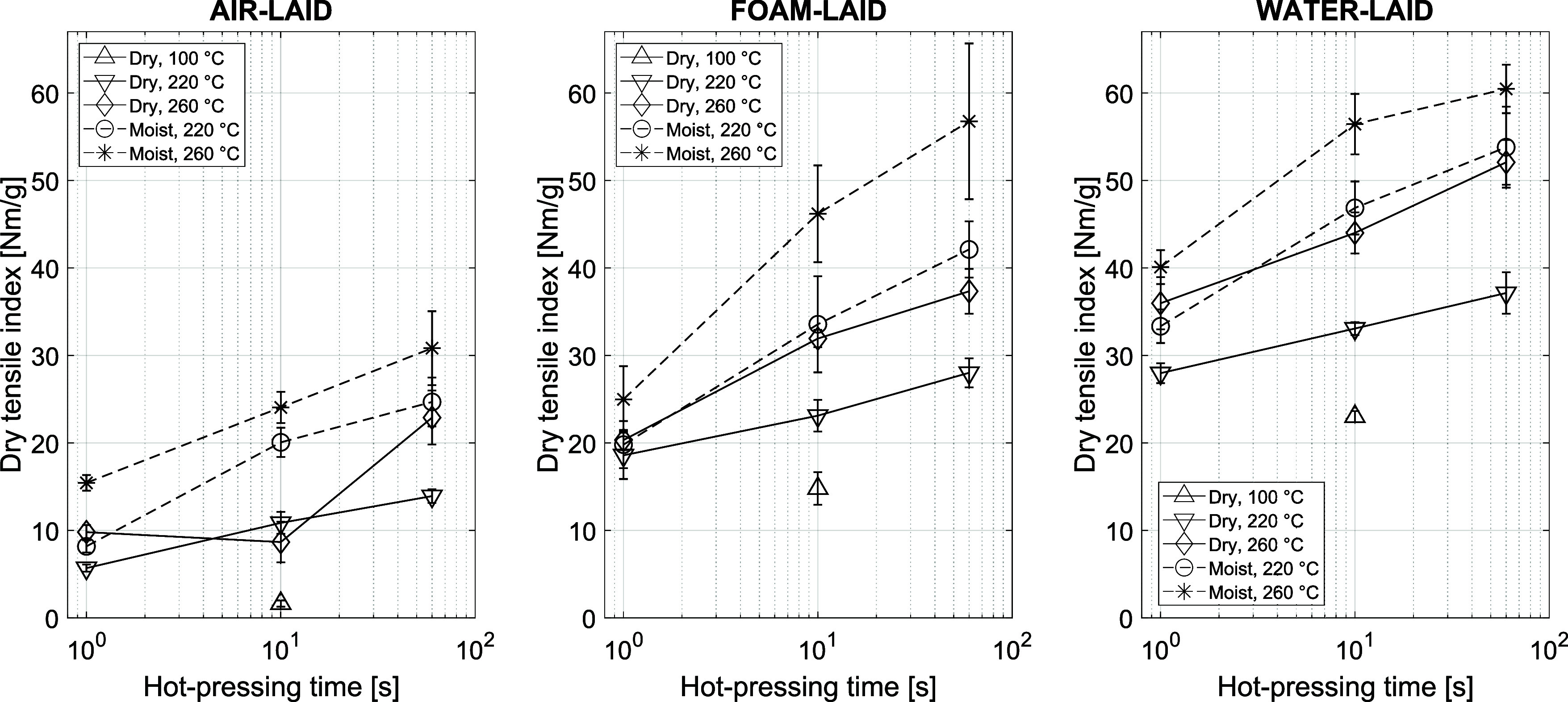 Figure 11
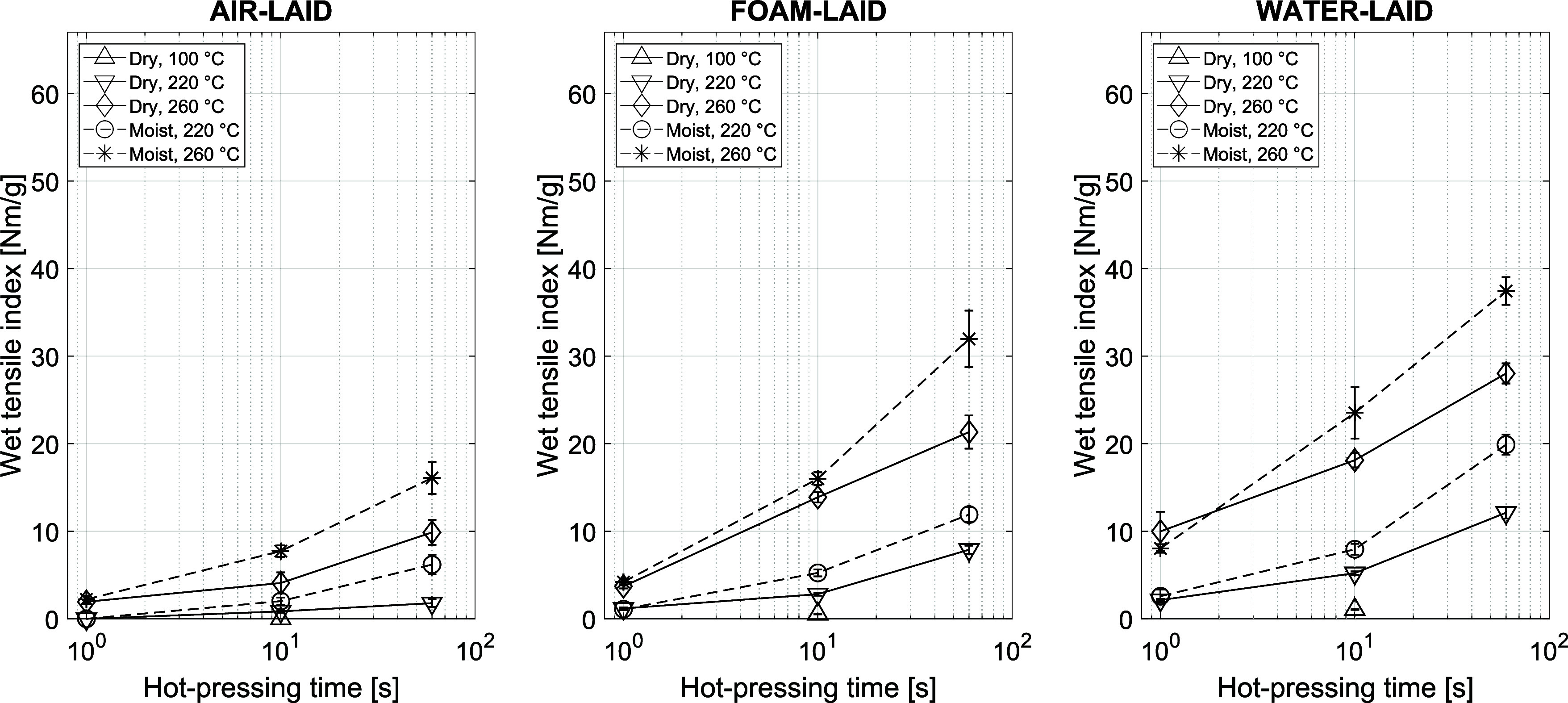 Figure 12
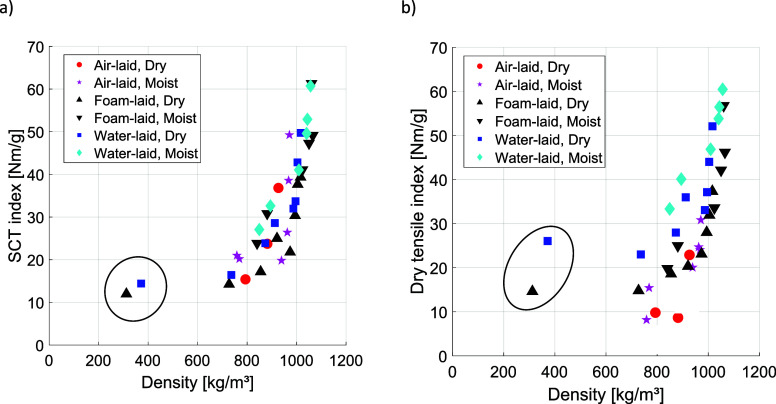 Figure 13
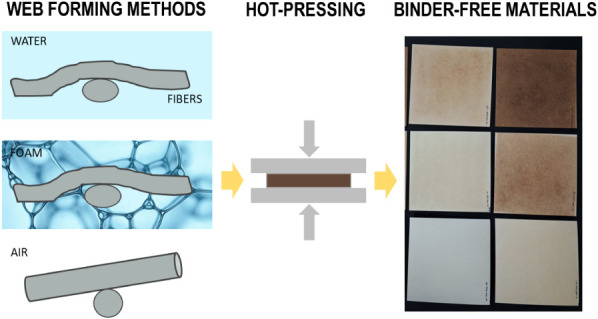 Figure 14
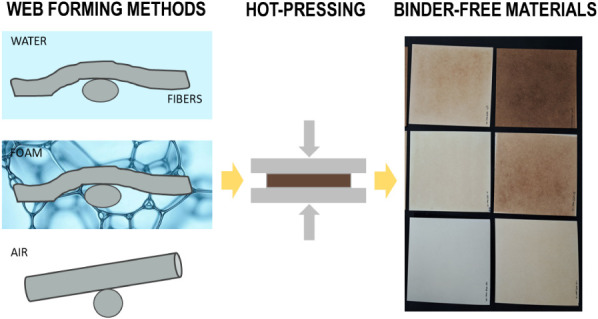 Figure 15
Peer Reviews
No public reviews on file for this paper yet. If you reviewed it on a platform where reviews are public (OpenReview, ICLR, NeurIPS, ICML), you can paste yours below so the community can read it here.
Videos
No videos yet. Explain this paper in a talk, walkthrough, or lecture? Add one.
Taxonomy
TopicsLignin and Wood Chemistry · Advanced Cellulose Research Studies · Wood Treatment and Properties