Spectroscopic Insights into the Electrochromism of Hexagonal Tungsten Oxides (HTOs)
Tao Gao

TL;DR
This study uses spectroscopy to understand how protons and electrons change the structure and properties of hexagonal tungsten oxides during electrochromic processes.
Contribution
The paper reveals how proton insertion affects structural and electronic properties of HTOs, offering new insights into electrochromic mechanisms.
Findings
Proton insertion in Na-WO3 nanorods modifies lattice parameters and reduces local symmetry.
Protons prefer small trigonal windows, and their insertion is linked to water molecule dynamics in larger tunnels.
Electrochromic coloration leads to band gap narrowing and a new near-infrared absorption band due to charge injection.
Abstract
Spectroscopic techniques, including X-ray diffraction (XRD) and Fourier transform infrared (FTIR) spectroscopy, were employed to unravel the microscopic details of proton insertion and extraction in hexagonal tungsten oxides (HTOs), thereby providing new insights into the underlying electrochromic mechanisms. Hexagonal sodium tungsten bronze (Na-WO3) was selected as a representative HTO material and prepared hydrothermally. The resulting Na-WO3 nanorods had typical diameters of 10–200 nm and lengths of several microns and crystallized in a hexagonal structure (space group P6/mmm, No. 191) with unit cell parameters a = 7.3166(8) Å and c = 3.8990(8) Å and elongated along the ⟨001⟩ direction. Proton insertion during the electrochromic (EC) coloration process induced significant changes in both long-range and local structural order, as evidenced by modified lattice parameters (a = 7.4192(6)…
Genes, proteins, chemicals, diseases, species, mutations and cell lines named across the full text — each resolved to its canonical identifier and authoritative record.
Click any figure to enlarge with its caption.
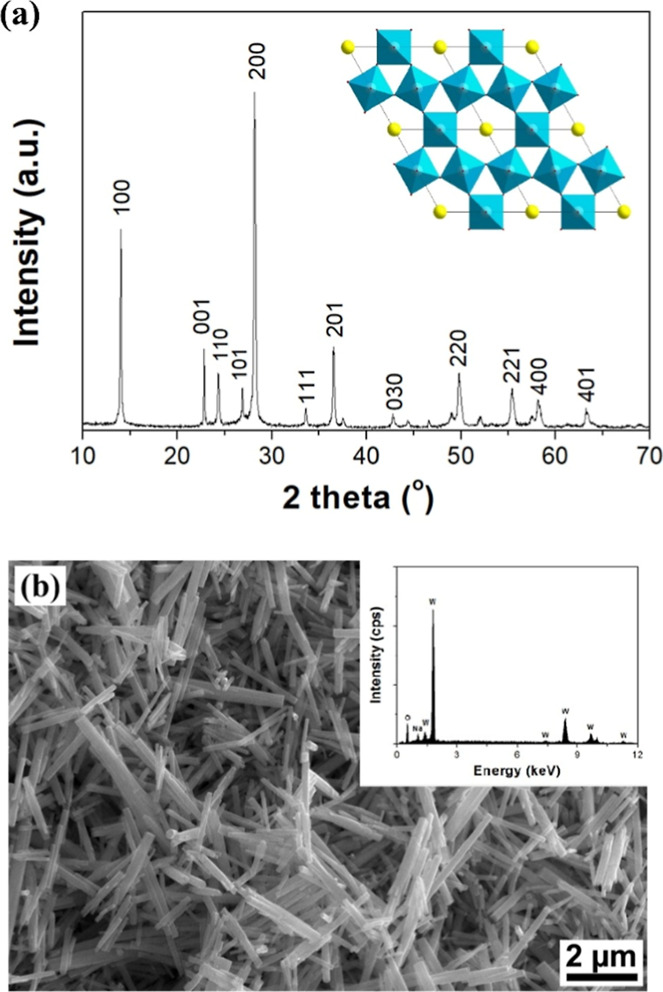 Figure 1
 Figure 2
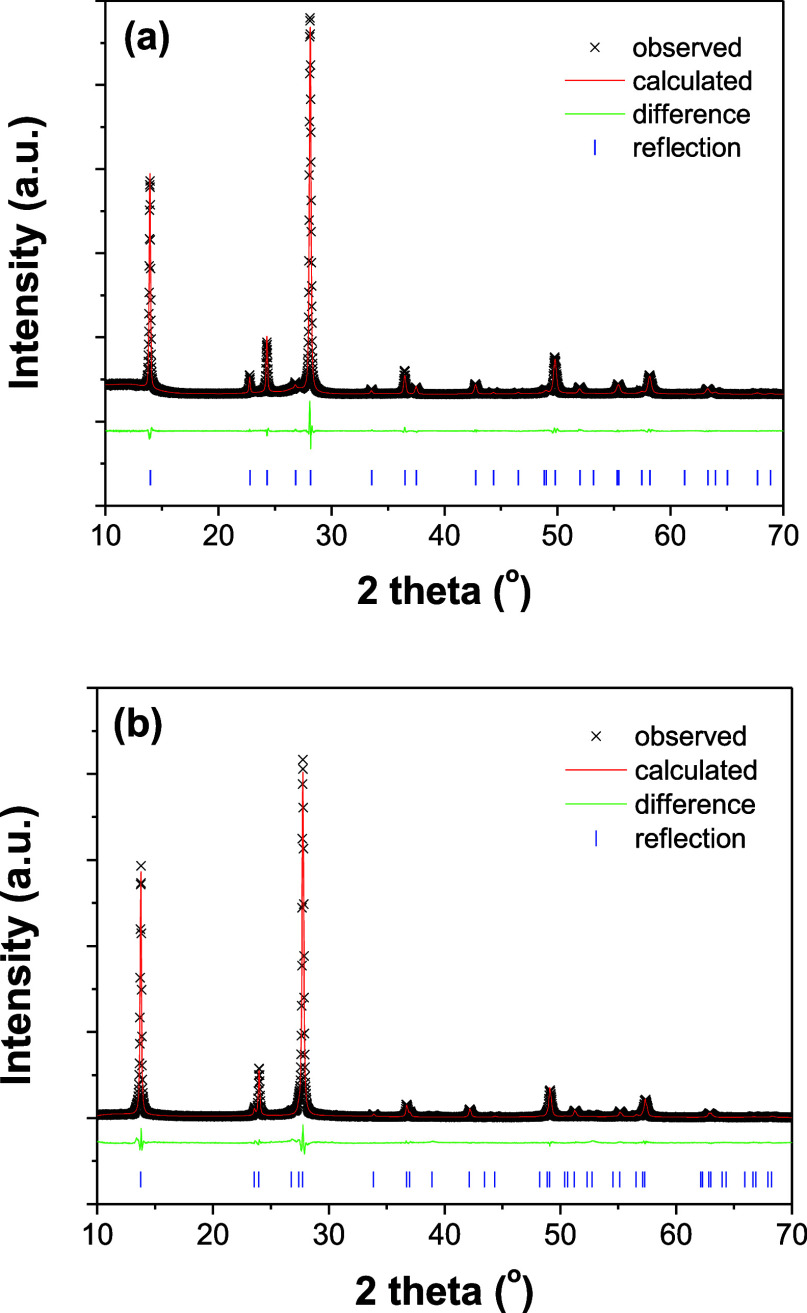 Figure 3
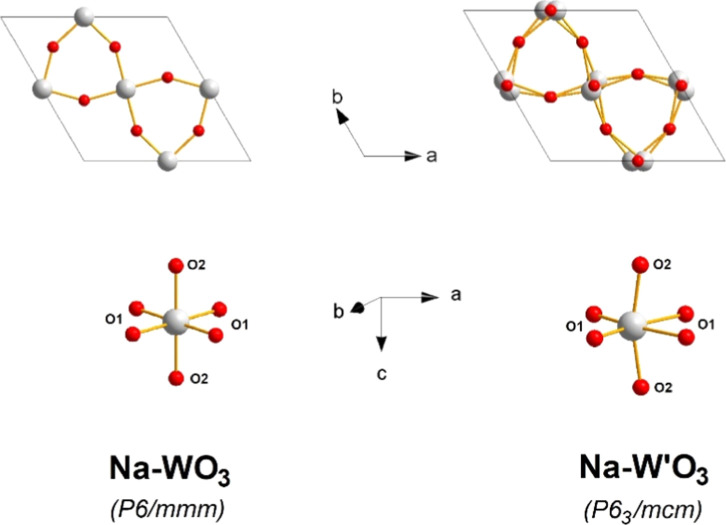 Figure 4
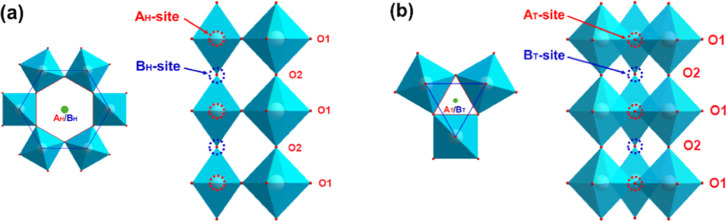 Figure 5
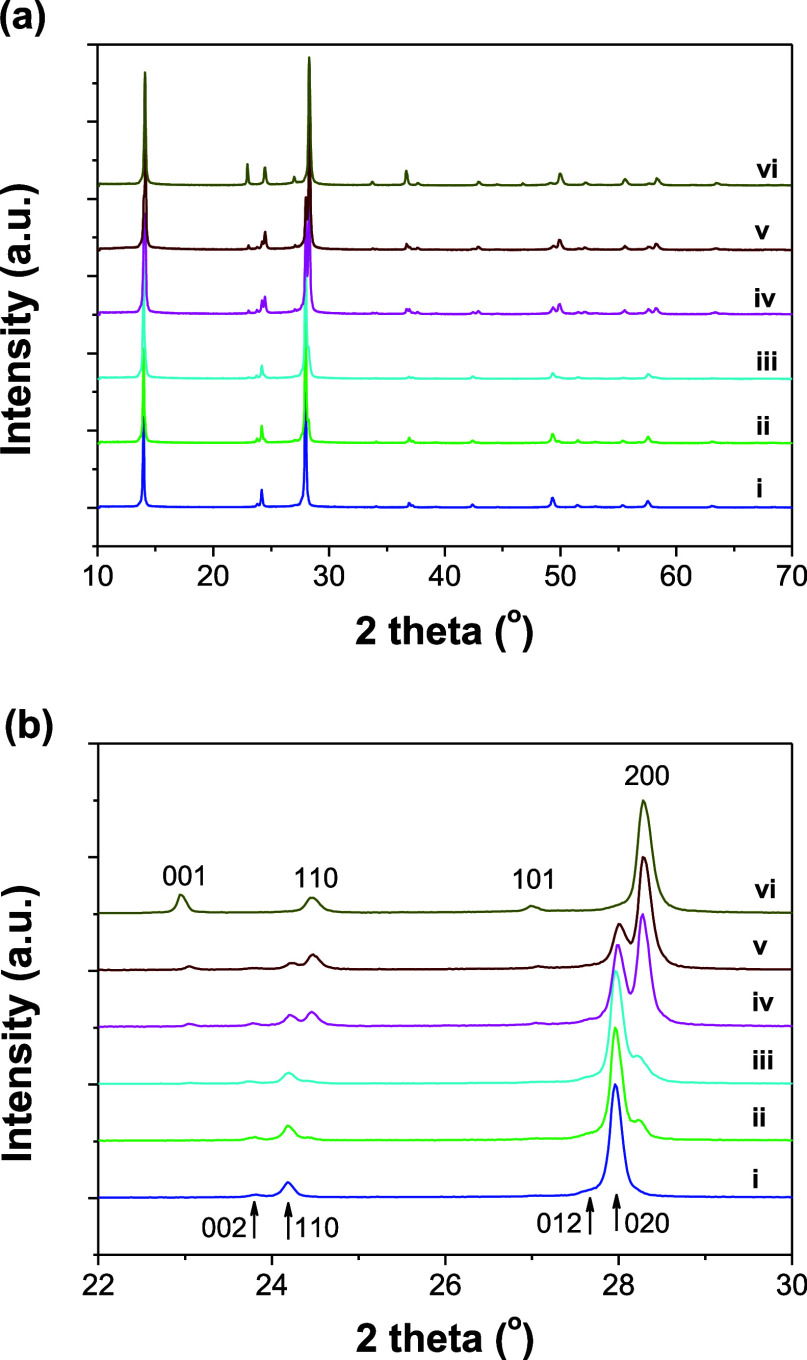 Figure 6
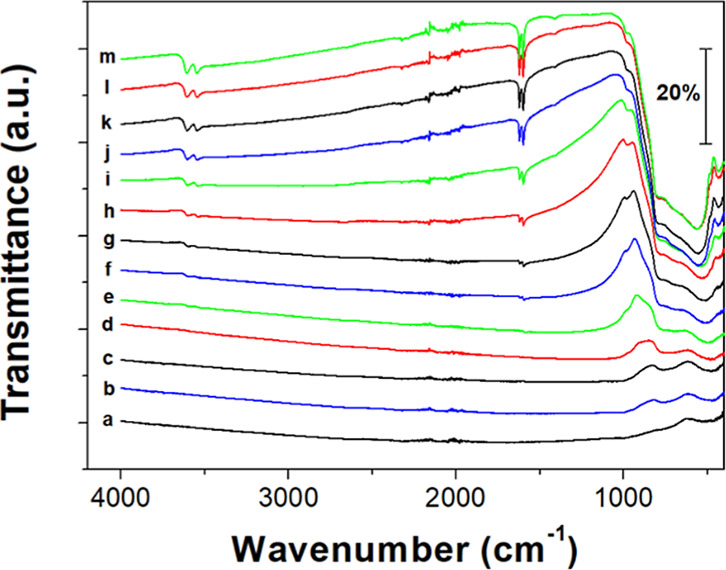 Figure 7
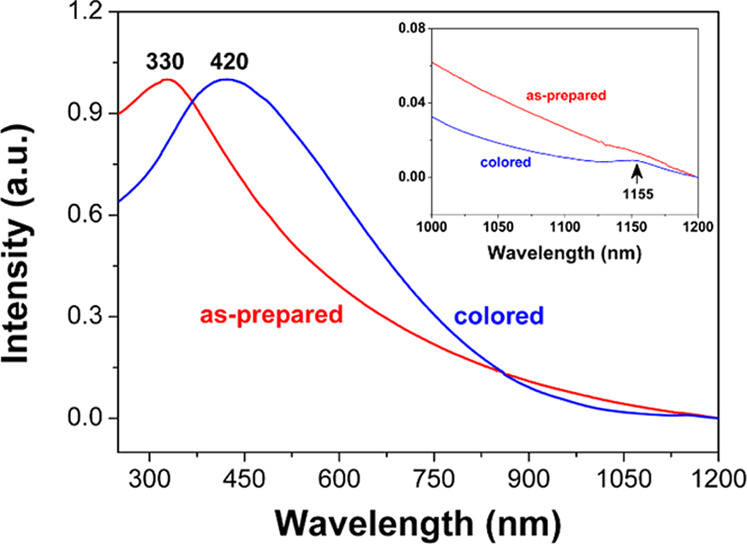 Figure 8
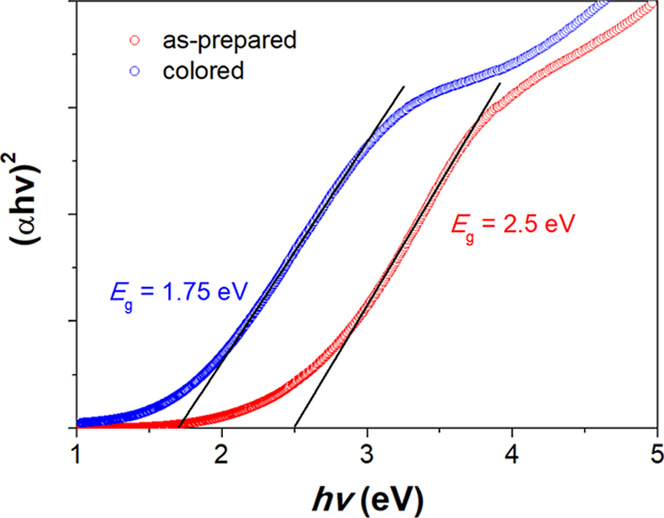 Figure 9
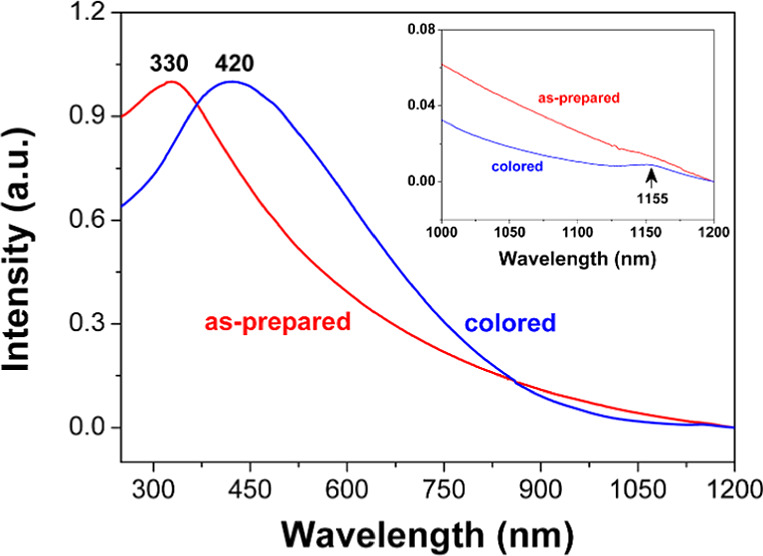 Figure 10
 Figure 11
 Figure 12
 Figure 13
 Figure 14
Peer Reviews
No public reviews on file for this paper yet. If you reviewed it on a platform where reviews are public (OpenReview, ICLR, NeurIPS, ICML), you can paste yours below so the community can read it here.
Videos
No videos yet. Explain this paper in a talk, walkthrough, or lecture? Add one.
Taxonomy
TopicsTransition Metal Oxide Nanomaterials · Advancements in Battery Materials · Conducting polymers and applications