Platinum Atoms Dynamics on the Surface of Hexagonal Boron Nitride Containing Vacancy Defects
Sadegh Ghaderzadeh, Ilya Popov, Wolfgang Theis, Jesum Alves Fernandes, Andrei N. Khlobystov, Elena Besley

TL;DR
This paper explores how to control the formation of single-atom platinum catalysts on boron nitride surfaces with defects, using computational models and defect engineering.
Contribution
The study introduces a defect-engineering approach to fabricate single-atom catalysts by extending the Volmer–Weber growth mechanism to include surface vacancy defects.
Findings
Diffusion barriers on pristine surfaces do not reflect realistic growth conditions for single-atom catalysts.
Surface vacancy defects significantly influence the atom-to-nanocluster ratio during catalyst fabrication.
Ambient oxygen affects platinum interactions with defects and promotes clustering.
Abstract
Single-atom catalysts (SACs) have transformed the field of heterogeneous catalysis by enabling efficient utilization of metal atoms and enhancing the selectivity and activity of chemical reactions. The propensity of metal atoms to aggregate into nanoclusters complicates the consistent production of SACs and creates challenges in understanding their interactions with naturally defected supports. Based on the example of platinum SACs on hexagonal boron nitride, this study combines ab initio computational methods with kinetic nucleation model to propose a route to controlled fabrication of SACs through defect engineering. It shows that diffusion barriers obtained for an isolated SAC on pristine surface do not represent realistic growth conditions and highlights the importance of accounting for collective atomic behavior when modeling nucleation and growth processes. The study extends the…
Genes, proteins, chemicals, diseases, species, mutations and cell lines named across the full text — each resolved to its canonical identifier and authoritative record.
Click any figure to enlarge with its caption.
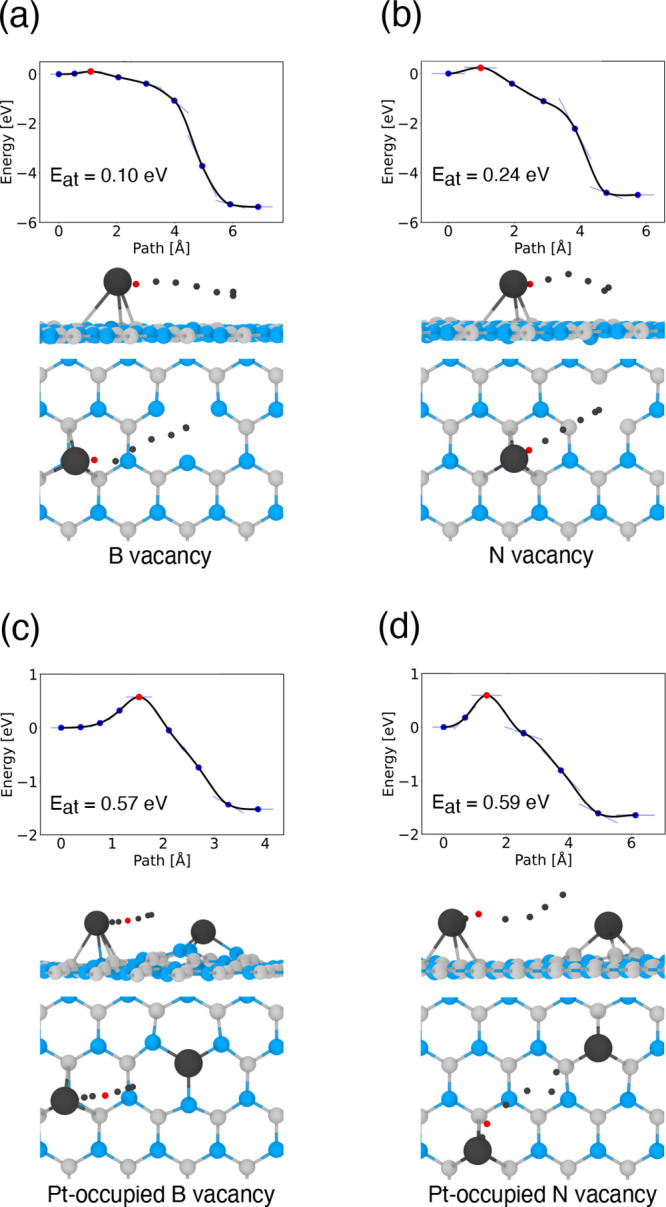 Figure 1
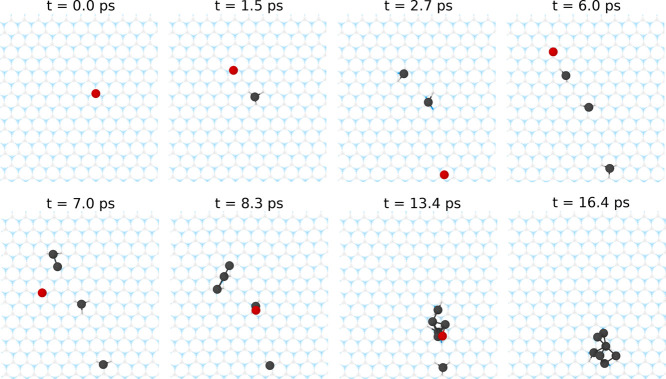 Figure 2
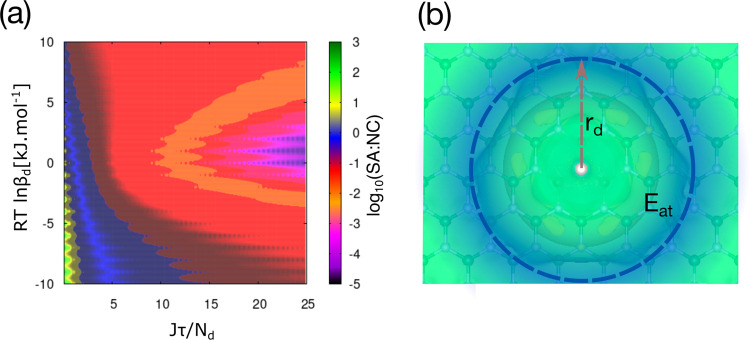 Figure 3
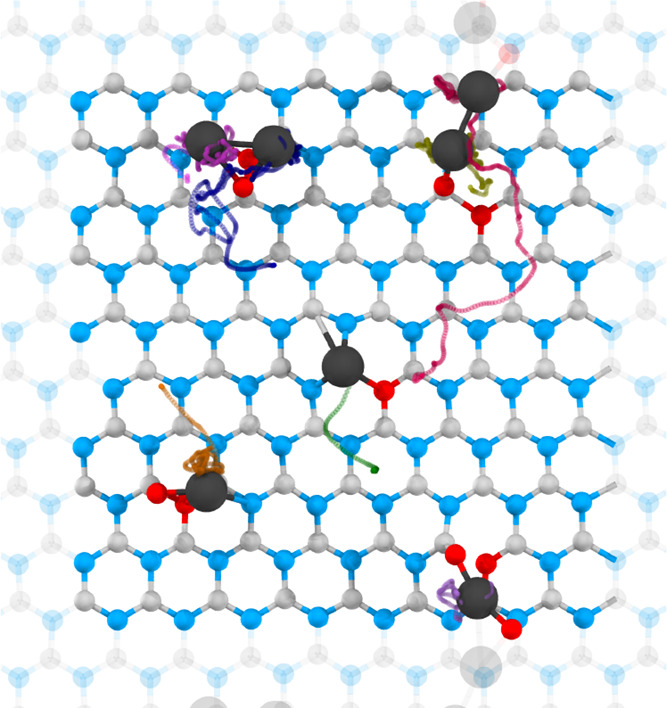 Figure 4
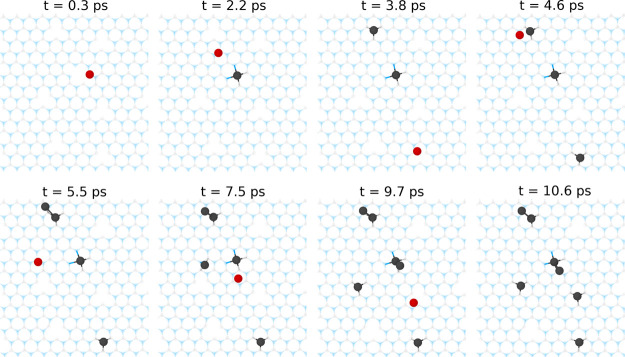 Figure 5
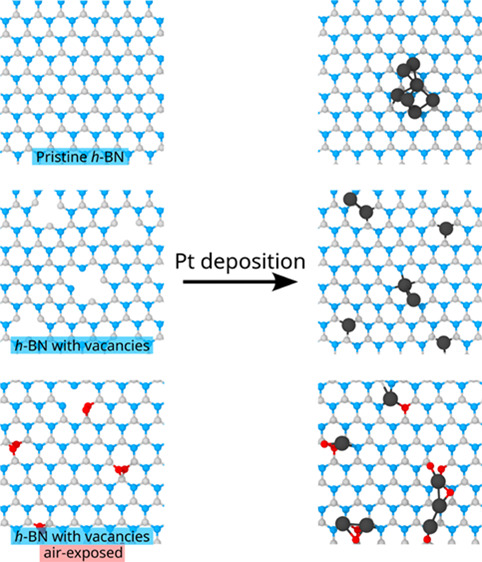 Figure 6
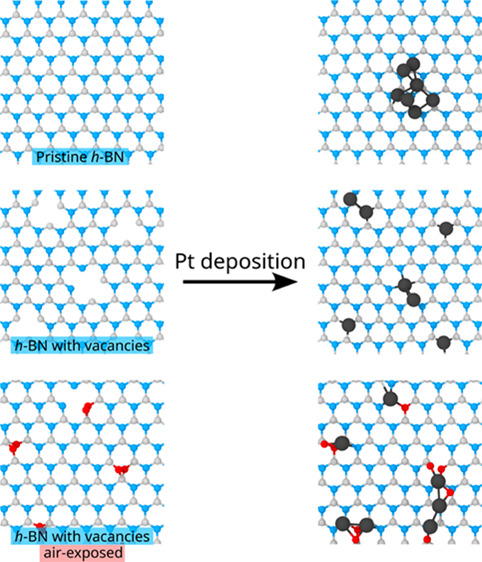 Figure 7
 Figure 8
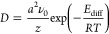 Figure 9
 Figure 10
 Figure 11
 Figure 12
 Figure 13
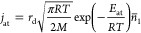 Figure 14
 Figure 15
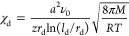 Figure 16
 Figure 17
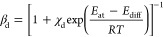 Figure 18
Peer Reviews
No public reviews on file for this paper yet. If you reviewed it on a platform where reviews are public (OpenReview, ICLR, NeurIPS, ICML), you can paste yours below so the community can read it here.
Videos
No videos yet. Explain this paper in a talk, walkthrough, or lecture? Add one.
Taxonomy
TopicsElectrocatalysts for Energy Conversion · Graphene research and applications · Catalytic Processes in Materials Science