Achieving a Large Net “Negative Electron Affinity” on Diamond (100) via Molecular Oxygen and Lithium Functionalization
Ramiz Zulkharnay, William Greenwood, Adam Wood, Jude Laverock, Neil A. Fox

TL;DR
This paper introduces a new method to create stable diamond surfaces with high electron emission potential using molecular oxygen and lithium.
Contribution
A novel molecular oxygen oxidation method is developed to achieve a large net negative electron affinity on diamond surfaces.
Findings
Molecular oxygen treatment achieves ~90% surface coverage and an NEA of −1.68 eV.
The NEA is fully recoverable upon reactivation after slight air stability limitations.
The method outperforms UV-ozone treatment and offers scalability for electronic applications.
Abstract
Toward the realization of thermally and ambient-stable diamond surfaces with negative electron affinity (NEA), advances in surface engineering are critical for high-performance electron-emission devices, including thermionic and field emitters, and next-generation energy converters. Here, we develop and systematically investigate a novel “molecular oxygen” oxidation method for (100)-oriented single-crystal diamond, comparing it with the benchmark UV-ozone treatment. Using the state-of-the-art surface analysis techniques, we quantify surface oxygen coverage and characterize the electronic structure following lithium deposition. The molecular oxygen treatment achieves ∼90% surface coverage and produces an NEA of −1.68 eV, outperforming UV-ozone oxidation (−1.31 eV). Although air stability is slightly limited, the NEA is fully recoverable upon reactivation (−1.56 eV). This study…
Genes, proteins, chemicals, diseases, species, mutations and cell lines named across the full text — each resolved to its canonical identifier and authoritative record.
Click any figure to enlarge with its caption.
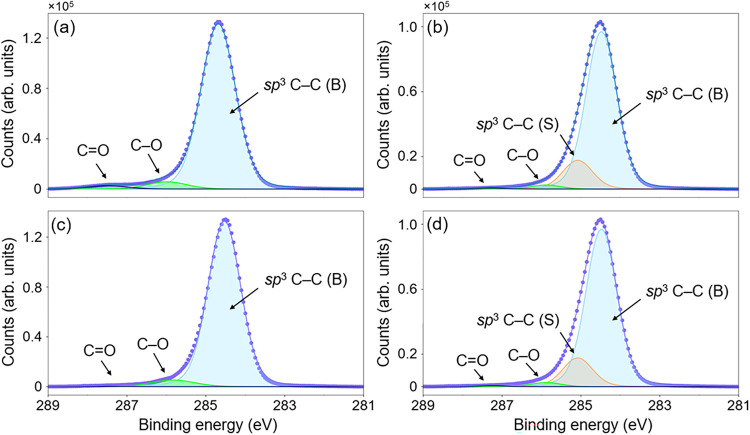 Figure 1
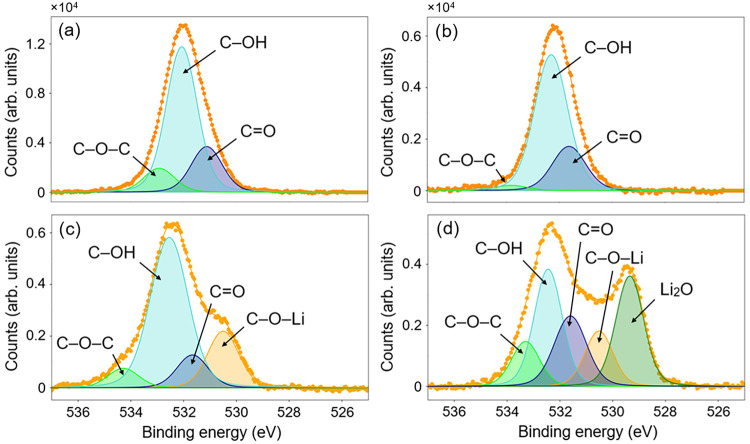 Figure 2
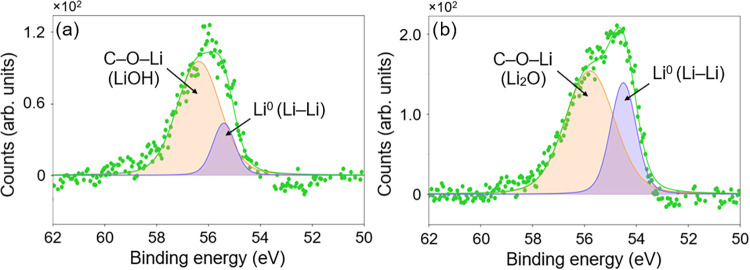 Figure 3
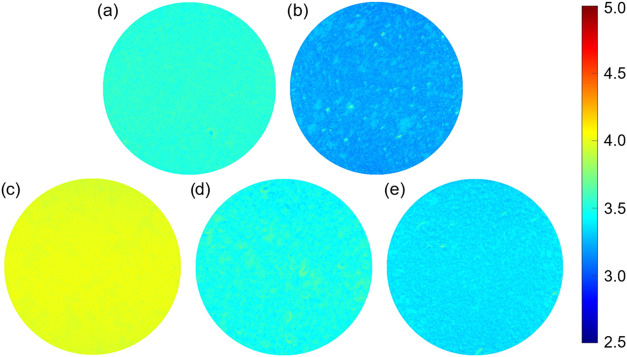 Figure 4
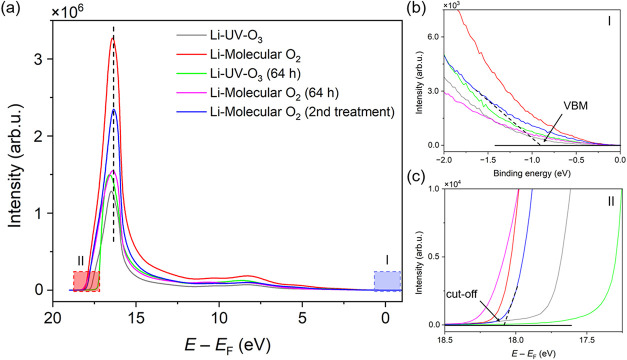 Figure 5
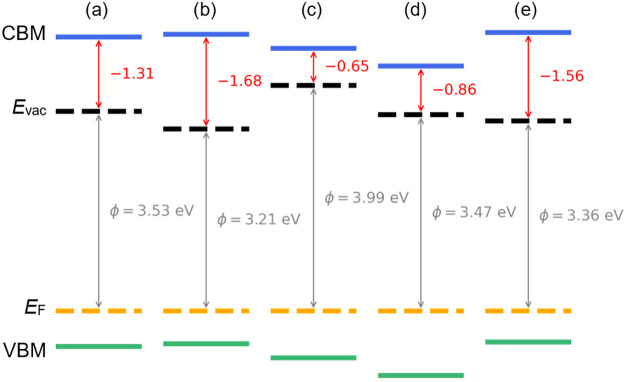 Figure 6
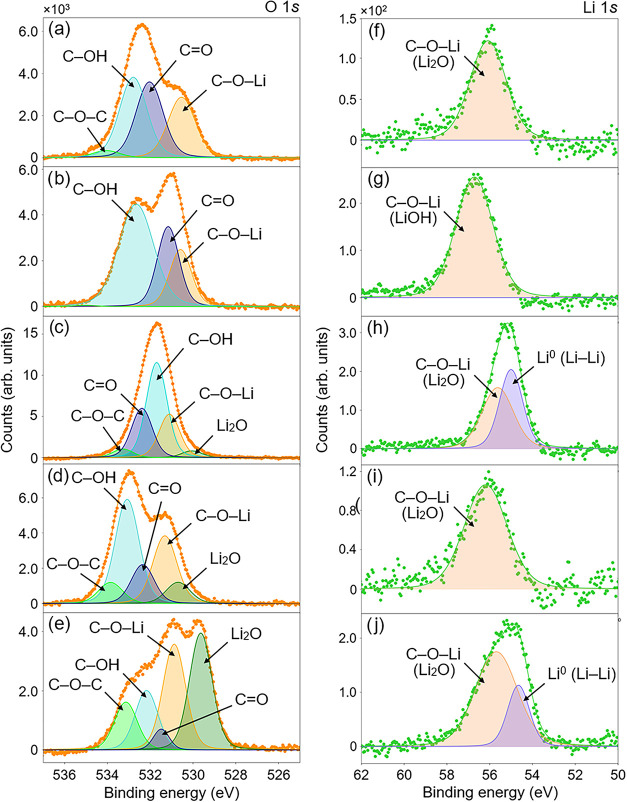 Figure 7
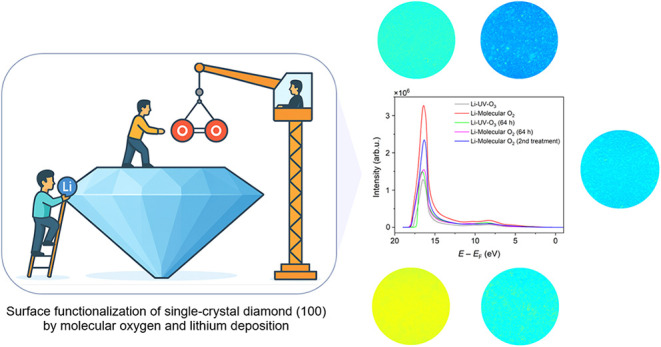 Figure 8
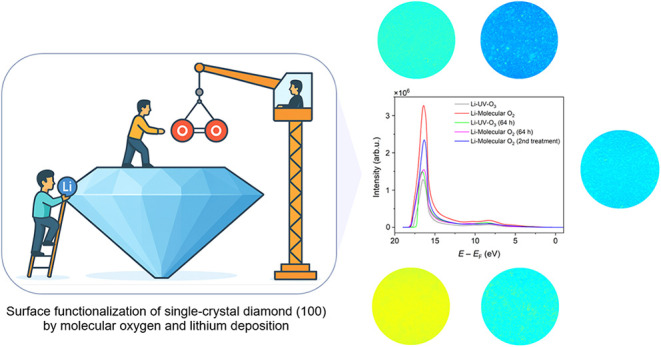 Figure 9
 Figure 10
 Figure 11
 Figure 12
Peer Reviews
No public reviews on file for this paper yet. If you reviewed it on a platform where reviews are public (OpenReview, ICLR, NeurIPS, ICML), you can paste yours below so the community can read it here.
Videos
No videos yet. Explain this paper in a talk, walkthrough, or lecture? Add one.
Taxonomy
TopicsDiamond and Carbon-based Materials Research · Advanced Electron Microscopy Techniques and Applications · Carbon Nanotubes in Composites