Human neuronal networks on micro-electrode arrays as a tool to assess genotype-phenotype correlation in CACNA1A-related disorders
Marina P. Hommersom, Sofía Puvogel, Nicky Scheefhals, Eleonora Carpentiero, Marga Bouma, Ellen van Beusekom, Lieke Dillen, Bart P.C. van de Warrenburg, Nael Nadif Kasri, Hans van Bokhoven

TL;DR
This study uses human neurons to investigate how genetic changes in CACNA1A affect brain activity and help classify uncertain genetic variants.
Contribution
The study introduces a novel method using patient-derived and CRISPR-engineered human neuronal networks to assess CACNA1A variant effects.
Findings
CACNA1A haploinsufficiency caused subtle changes in glutamatergic network activity.
Missense variants had a more pronounced effect on overall network function.
Three variants of uncertain significance were classified as likely pathogenic based on network alterations.
Abstract
CACNA1A-related disorders constitute a diverse group of neurological conditions, including ataxia, migraine, and epilepsy. Despite extensive genetic studies, clear genotype-phenotype correlations remain elusive. Moreover, next-generation sequencing has identified many variants of uncertain significance (VUS). Here, we leveraged patient-derived and CRISPR-Cas9-engineered human neuronal networks to explore relationships between CACNA1A variants and neurophysiological activity. CACNA1A haploinsufficiency induced subtle alterations in glutamatergic network activity, whereas missense variants had a more pronounced effect on overall network function. Network fingerprints were most affected from patients where ataxia co-occurred with migraine or epilepsy. Furthermore, we analyzed the impact of CRISPR-Cas9-induced VUS on network developmental trajectories. Although functional changes could not…
Genes, proteins, chemicals, diseases, species, mutations and cell lines named across the full text — each resolved to its canonical identifier and authoritative record.
Click any figure to enlarge with its caption.
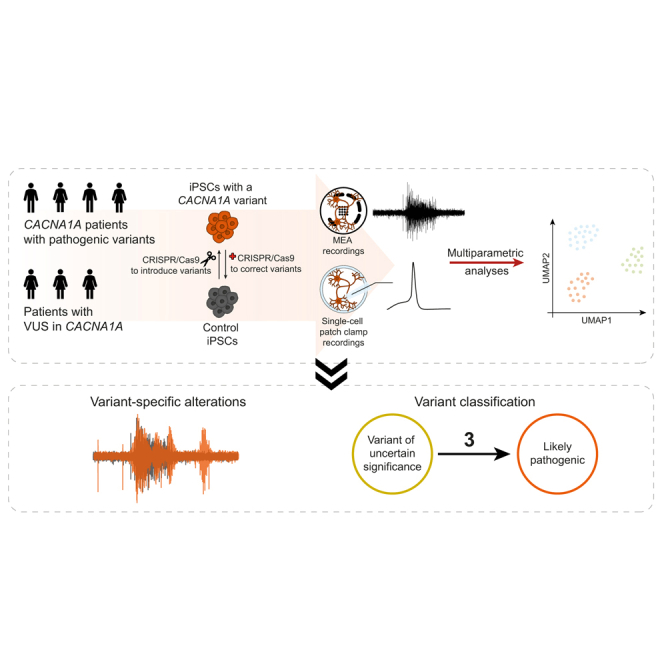 Figure 1
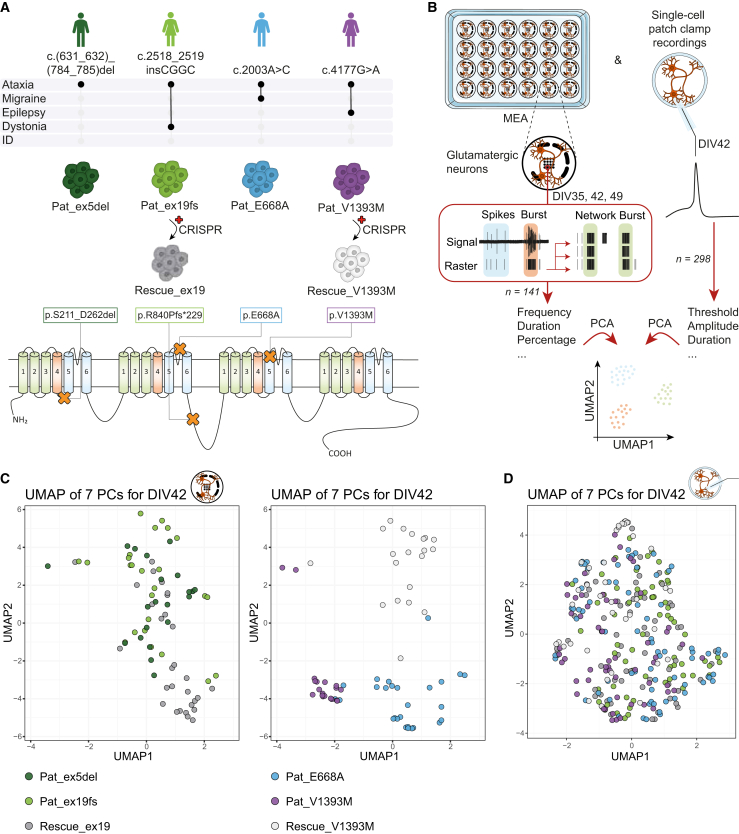 Figure 2
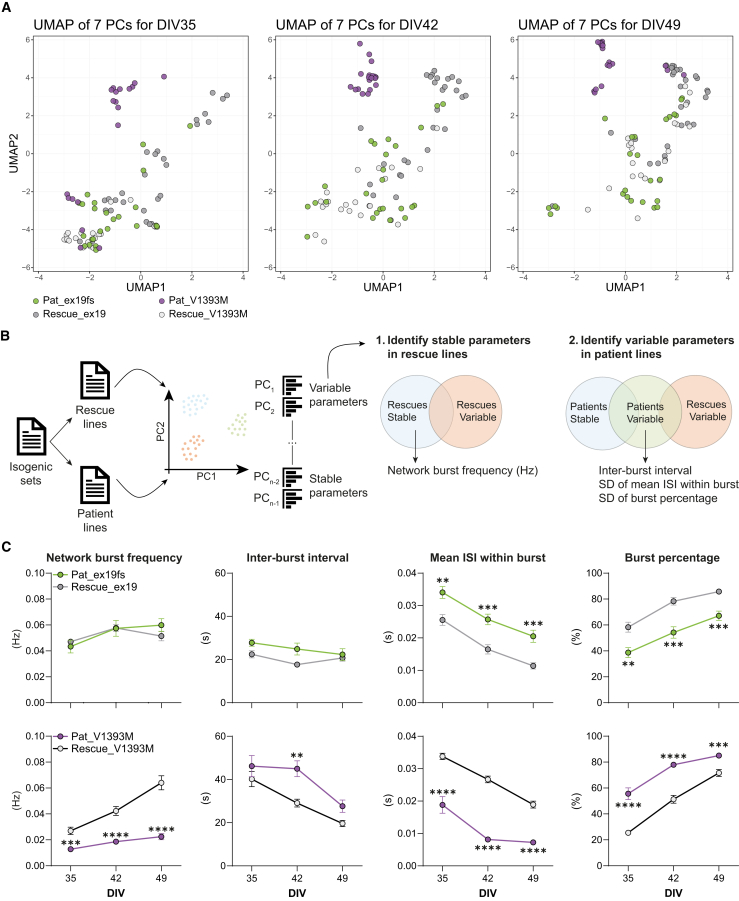 Figure 3
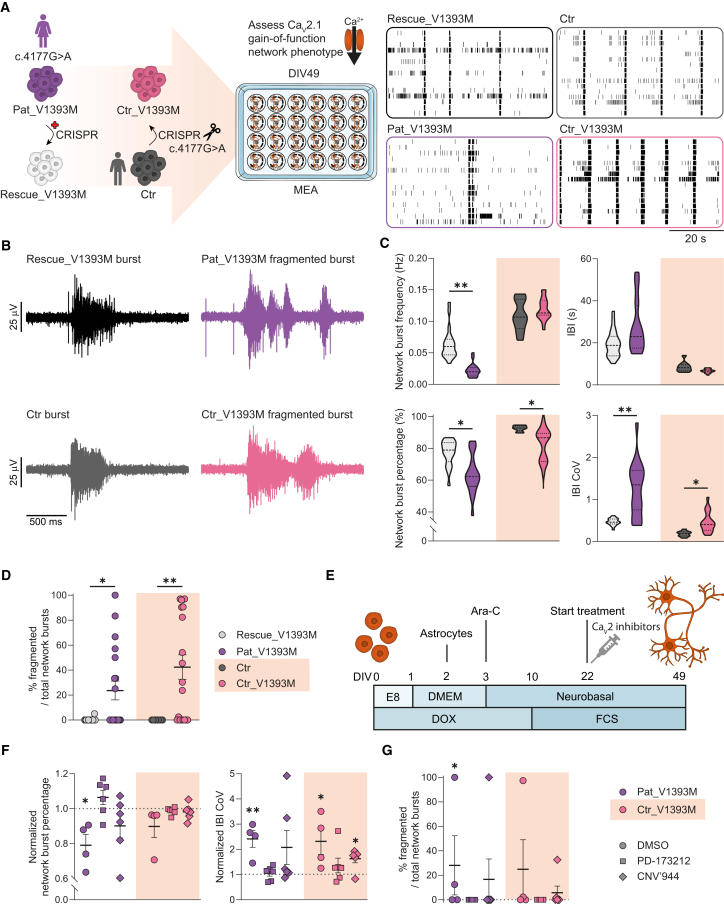 Figure 4
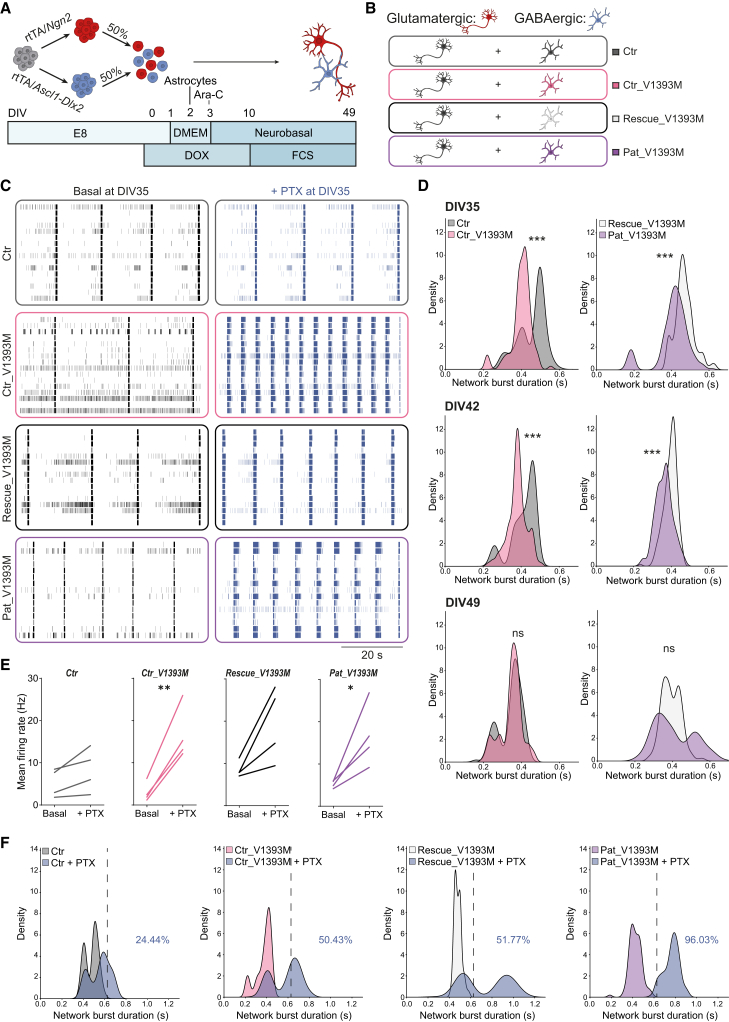 Figure 5
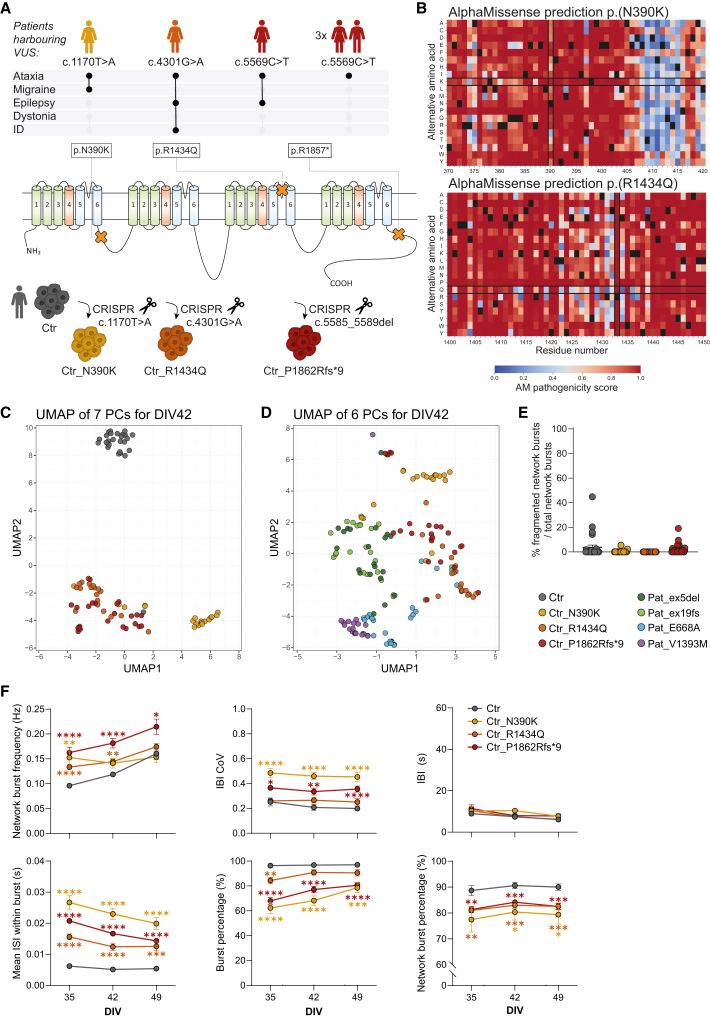 Figure 6
Peer Reviews
No public reviews on file for this paper yet. If you reviewed it on a platform where reviews are public (OpenReview, ICLR, NeurIPS, ICML), you can paste yours below so the community can read it here.
Videos
No videos yet. Explain this paper in a talk, walkthrough, or lecture? Add one.
Taxonomy
TopicsGenetic Neurodegenerative Diseases · Neurological disorders and treatments · Genomics and Rare Diseases