Microbial-Responsive Wound Dressings Based on Biopolymer Degradation Strategy for Detecting Bacterial Infections
Sara Sadati, Marcus J. Swann, Steven L. Percival, Jerome Charmet, Meera Unnikrishnan, Dmitry Isakov

TL;DR
This paper introduces a wound dressing that detects bacterial infections by degrading in response to enzymes from pathogens like Pseudomonas aeruginosa and Staphylococcus aureus.
Contribution
The study presents a novel biopolymer-based strategy for detecting bacterial proteolytic activity without requiring pathogen-specific recognition elements.
Findings
Gelatin films with 25% PEO degraded 4-fold faster in the presence of Pseudomonas aeruginosa compared to cross-linked gelatin.
The dressing showed 80% degradation within 12–24 h with Pseudomonas aeruginosa and 35% with drug-resistant Staphylococcus aureus.
Real-time acoustic measurements and imaging confirmed the correlation between enzymatic activity and structural changes in the films.
Abstract
Chronic wounds remain a major clinical challenge due to their strong association with antibiotic-resistant microbial biofilms. These nonhealing wounds demand advanced therapeutic strategies that go beyond passive protection to actively monitor and respond to changes in the wound environment. To address this, we propose an activity-based sensing strategy that detects bacterial proteolytic activity using composition-tunable biopolymer films that degrade in response to pathogen-secreted enzymes. Gelatin films cross-linked with (3-glycidyloxypropyl)trimethoxysilane (GPTMS) and blended with poly(ethylene oxide) (PEO) were engineered to undergo selective peptide-bond cleavage by proteolytic activity. The incorporation of PEO enhanced water uptake and accelerated enzymatic degradation, with the optimal composition (25% PEO) exhibiting 4-fold faster mass loss compared to cross-linked gelatin,…
Genes, proteins, chemicals, diseases, species, mutations and cell lines named across the full text — each resolved to its canonical identifier and authoritative record.
Click any figure to enlarge with its caption.
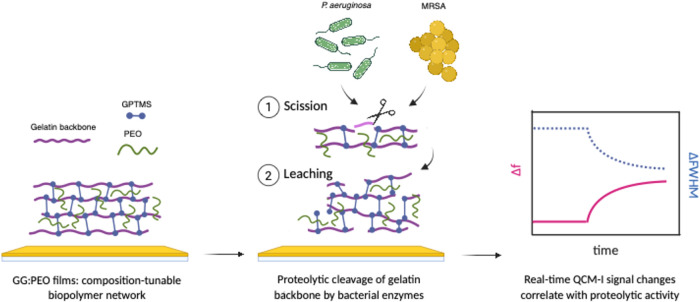 Figure 1
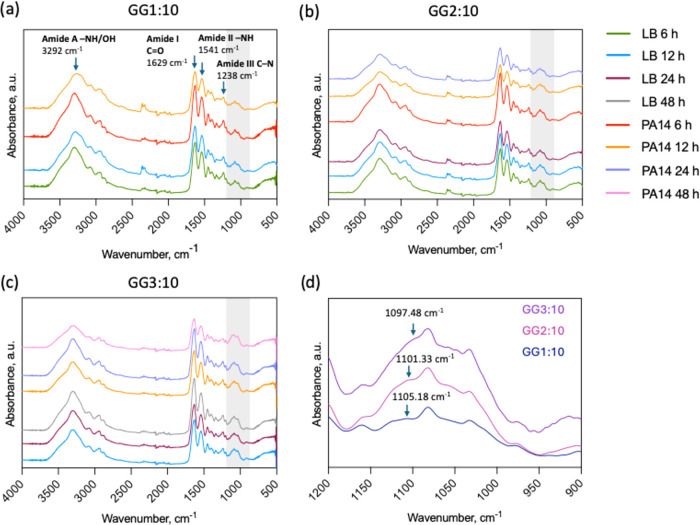 Figure 2
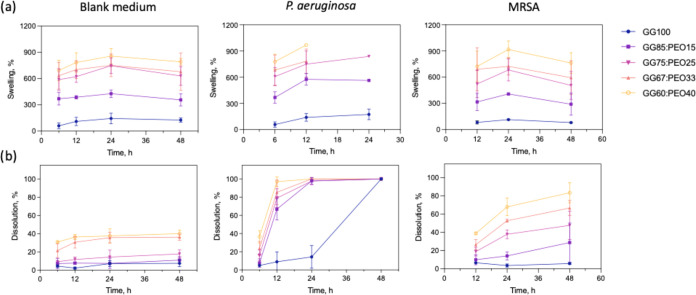 Figure 3
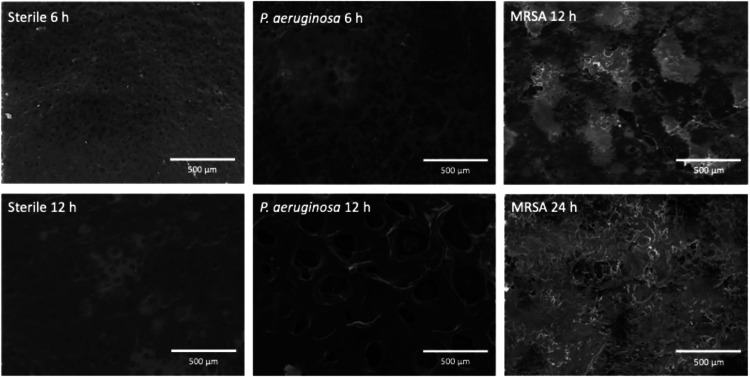 Figure 4
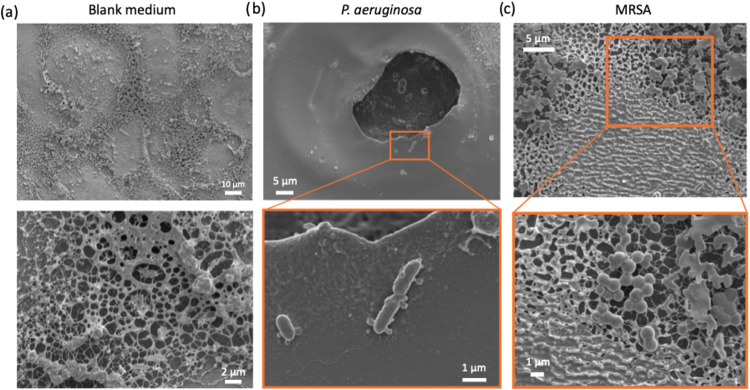 Figure 5
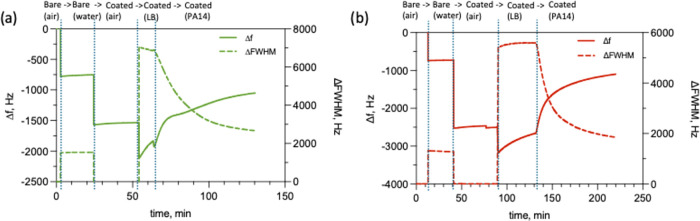 Figure 6
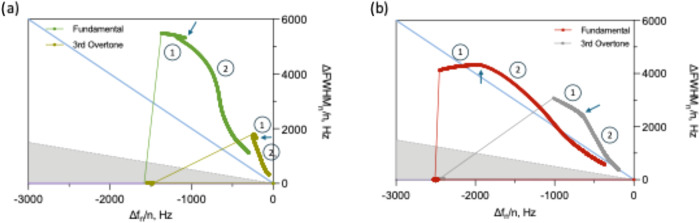 Figure 7
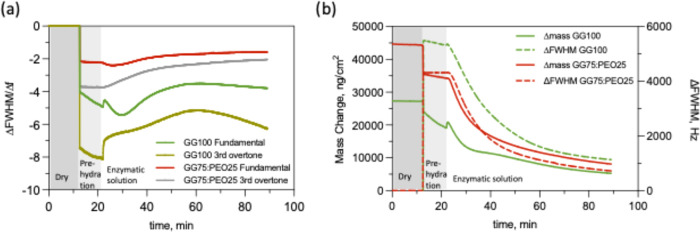 Figure 8
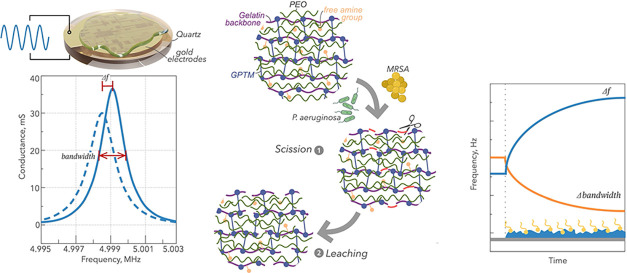 Figure 9
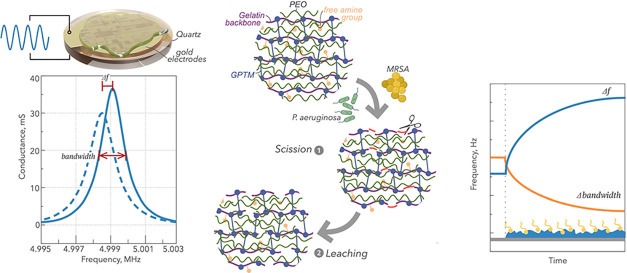 Figure 10
 Figure 11
 Figure 12
 Figure 13
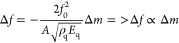 Figure 14
Peer Reviews
No public reviews on file for this paper yet. If you reviewed it on a platform where reviews are public (OpenReview, ICLR, NeurIPS, ICML), you can paste yours below so the community can read it here.
Videos
No videos yet. Explain this paper in a talk, walkthrough, or lecture? Add one.
Taxonomy
TopicsWound Healing and Treatments · Polymer Surface Interaction Studies · Antimicrobial agents and applications