Glycosylation Matters: Network Pharmacology-Based and Molecular Docking Analysis of Resveratrol Glycosylated Derivatives on Parkinson’s Disease
Lucia E. Schimith, Elvis Martis, Stéphane Teletchea, Ana Luiza Muccillo-Baisch, Corinne André-Miral, Mariana A. Hort

TL;DR
This study explores how glycosylated forms of resveratrol may improve its effectiveness in treating Parkinson’s Disease by enhancing molecular interactions with key targets.
Contribution
The novelty lies in comparing glycosylated resveratrol derivatives with resveratrol itself using network pharmacology and molecular docking for Parkinson’s Disease.
Findings
Glycosylated resveratrol derivatives showed stronger binding affinities to PD-related targets than resveratrol.
TNF-α, PPARγ, and ERBB2 were identified as key targets with high binding potential for glycosylated derivatives.
Resveratrol retained better overall pharmacokinetic properties despite glycosylated derivatives having improved solubility.
Abstract
Resveratrol (RV), a natural polyphenol, has been extensively studied for its neuroprotective potential in Parkinson’s Disease (PD), but its clinical translation is limited by poor bioavailability and rapid metabolism. Glycosylated derivatives, including polydatin and resveratrol-3-α-glucoside, have been proposed to improve the solubility and stability. This study compared the pharmacokinetic properties of RV and its derivatives and examined their molecular interactions with PD-related targets. ADMET (Absorption, Distribution, Metabolism, Excretion, and Toxicity) analysis showed that, despite improved solubility, RV retained a more favorable overall pharmacokinetic profile. Target prediction combined with Gene Ontology (GO) enrichment, Kyoto Encyclopedia of Genes and Genomes (KEGG) pathway analysis, and protein–protein interaction (PPI) network construction identified 50 potential…
Genes, proteins, chemicals, diseases, species, mutations and cell lines named across the full text — each resolved to its canonical identifier and authoritative record.
Click any figure to enlarge with its caption.
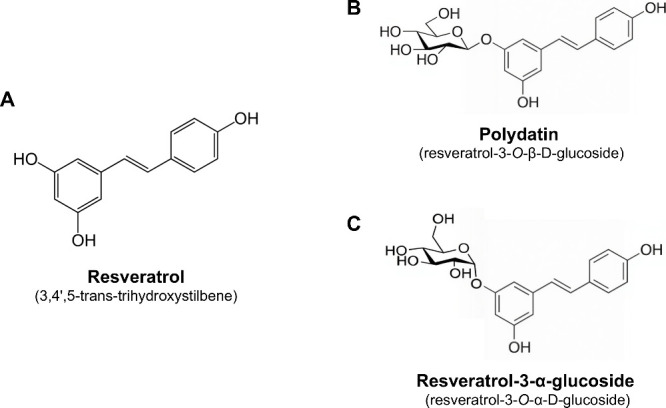 Figure 1
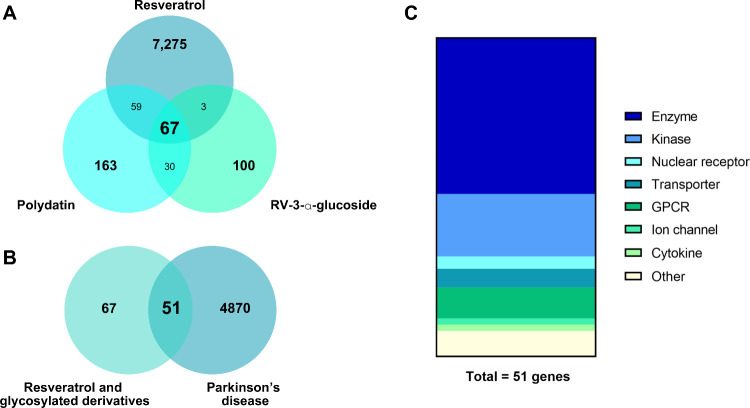 Figure 2
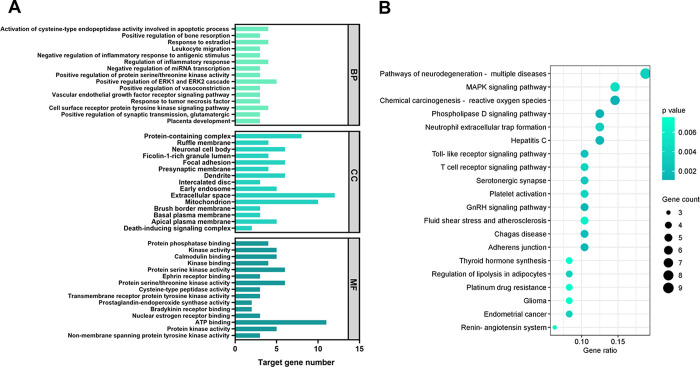 Figure 3
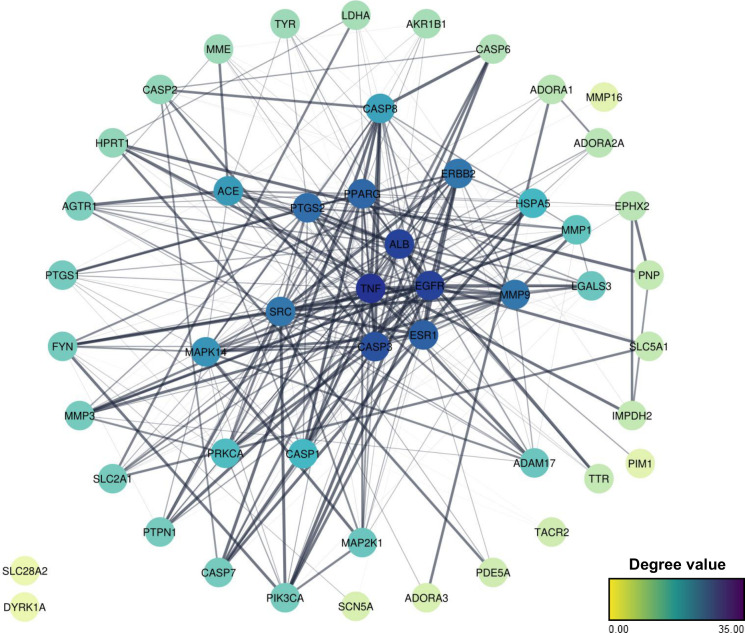 Figure 4
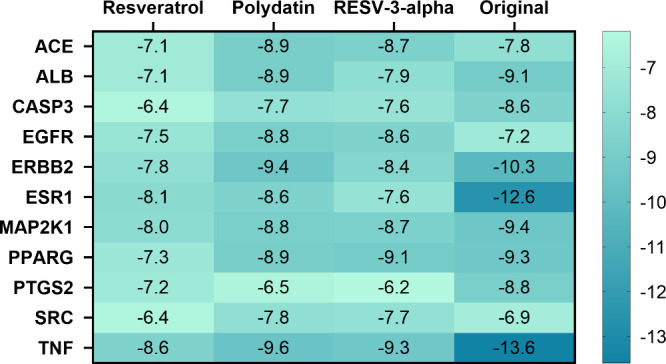 Figure 5
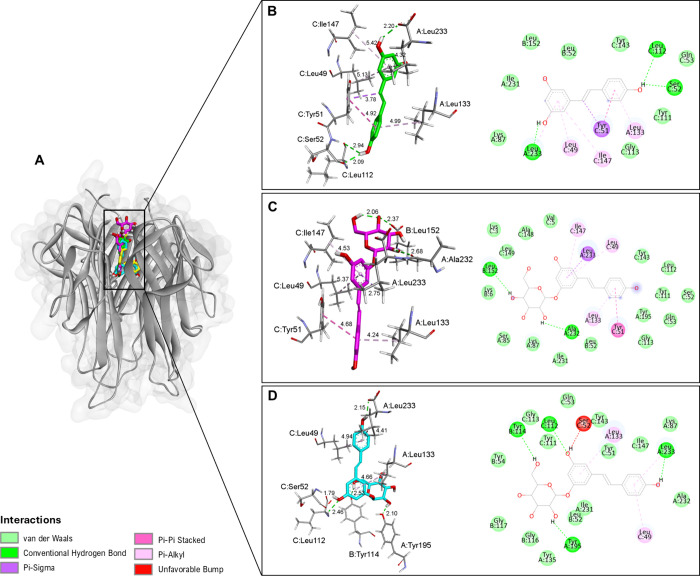 Figure 6
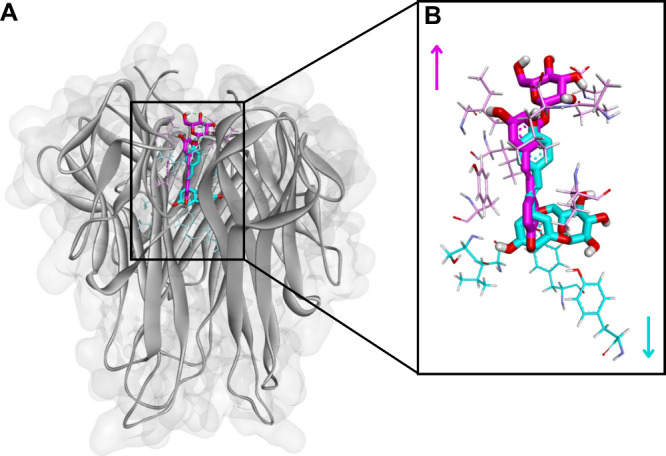 Figure 7
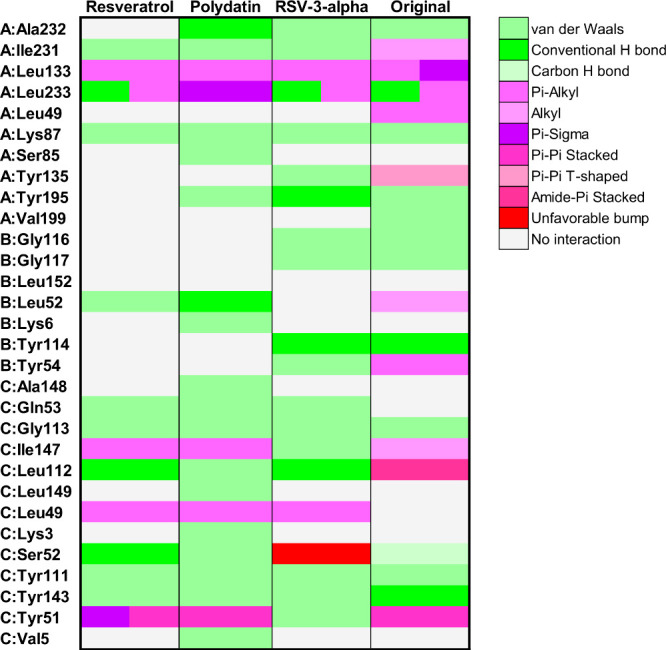 Figure 8
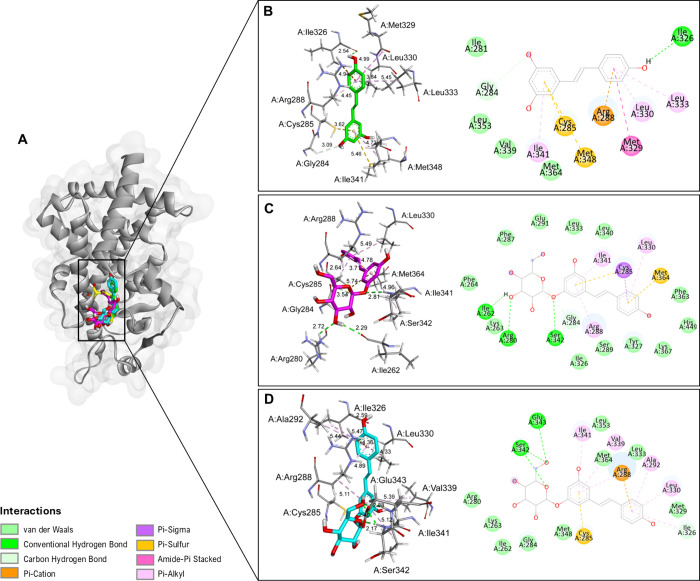 Figure 9
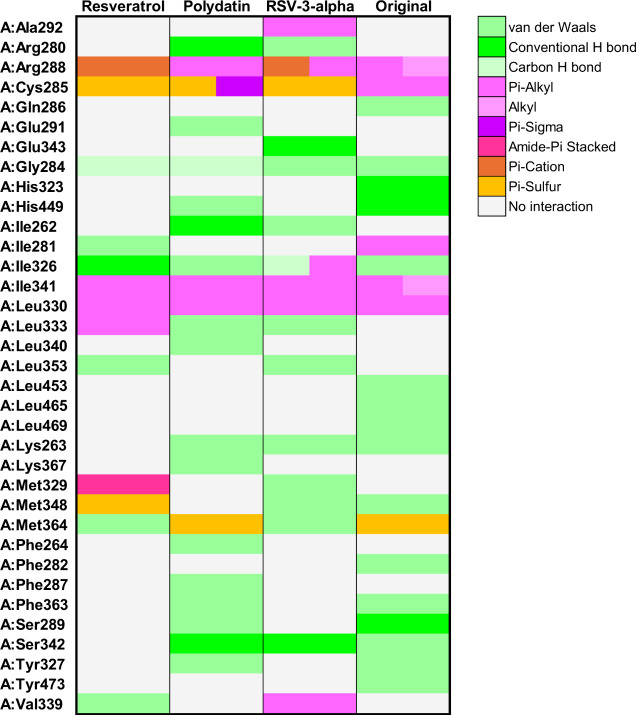 Figure 10
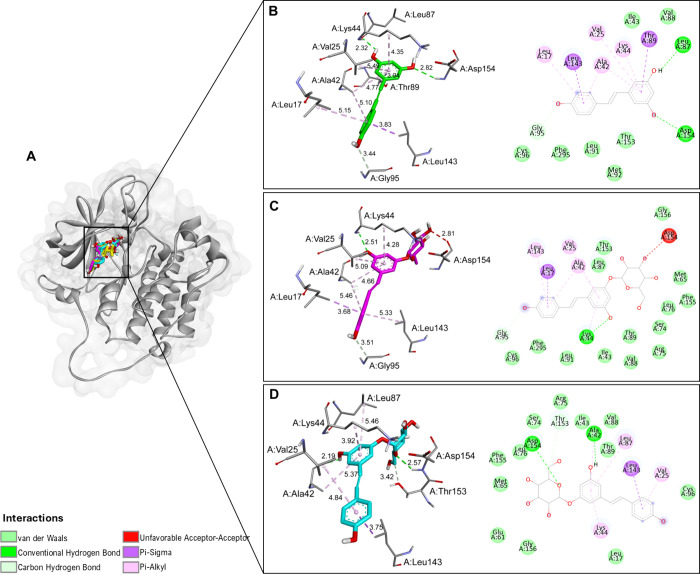 Figure 11
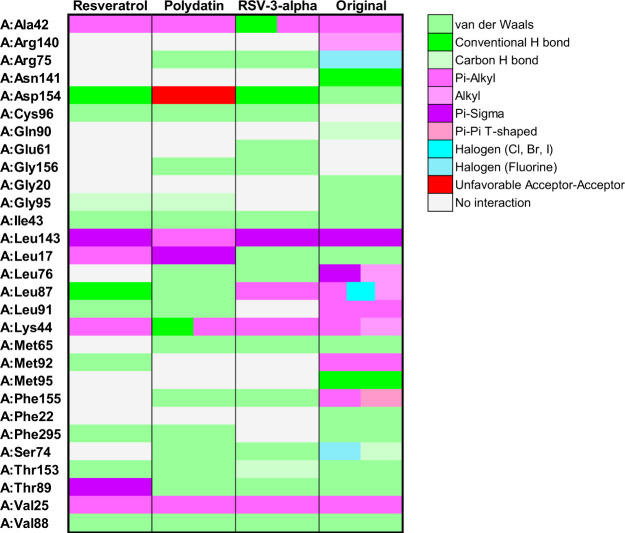 Figure 12
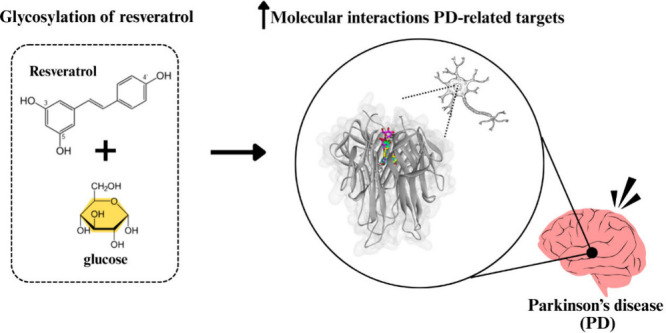 Figure 13
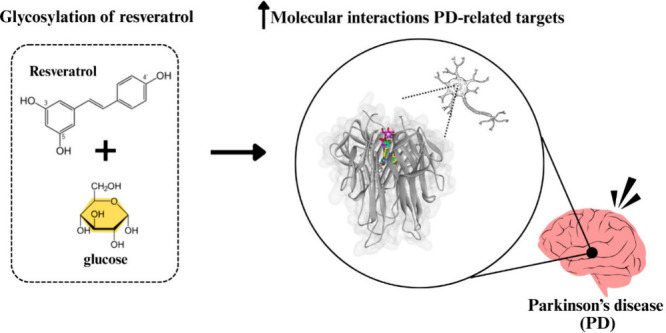 Figure 14
Peer Reviews
No public reviews on file for this paper yet. If you reviewed it on a platform where reviews are public (OpenReview, ICLR, NeurIPS, ICML), you can paste yours below so the community can read it here.
Videos
No videos yet. Explain this paper in a talk, walkthrough, or lecture? Add one.
Taxonomy
TopicsSirtuins and Resveratrol in Medicine · Parkinson's Disease Mechanisms and Treatments · Phytochemicals and Antioxidant Activities