Amebicidal Effect of Adamantane–Azole Gold(I) Complexes: Cell Death Mechanisms and Synergistic Action with Chlorhexidine against Acanthamoeba castellanii
Gabrieli Eduarda Israel, Gabriella da Rosa Monte Machado, Dayara Corrêa Matiola, Heveline Silva, Lisandra de Oliveira Silva, Maico Roberto Luckmann Rodrigues da Silva, Suellen dos Reis, Vitória Manoela Dambrós, Lílian Sibelle Campos Bernardes, Evelise Maria Nazari

TL;DR
This study shows that new gold-based compounds can effectively kill Acanthamoeba, a protozoan causing serious infections, with minimal toxicity and potential synergy with chlorhexidine.
Contribution
The study introduces novel adamantane–azole gold(I) complexes with potent amoebicidal activity and identifies their synergistic effect with chlorhexidine.
Findings
Complexes C2, C3, and C4 showed potent amoebicidal activity with IC50 values of 0.12, 14, and 6.2 μM.
C4 triggered mitochondrial depolarization and phosphatidylserine exposure in Acanthamoeba.
Molecular docking confirmed thioredoxin reductase as a potential target of the gold complexes.
Abstract
Acanthamoeba spp. are free-living protozoa associated with severe infections such as amebic keratitis and granulomatous amebic encephalitis. The absence of effective treatments highlights the need for new bioactive molecules targeting both trophozoite and cyst forms. This study evaluated the anti-Acanthamoeba activity of adamantane-azole gold(I) complexes (C1 and C4) and their interaction with thioredoxin reductase (TrxR). Complexes C2, C3, and C4 exhibited potent amoebicidal activity with IC50 values of 0.12, 14, and 6.2 μM, respectively. They disrupted the cell cycle and induced phosphatidylserine exposure, while C4 also triggered mitochondrial depolarization. Ultrastructural alterations, synergy with chlorhexidine, and absence of toxicity in vitro and in vivo models were observed. Molecular docking confirmed TrxR as a potential target. These findings demonstrate the therapeutic…
Genes, proteins, chemicals, diseases, species, mutations and cell lines named across the full text — each resolved to its canonical identifier and authoritative record.
Click any figure to enlarge with its caption.
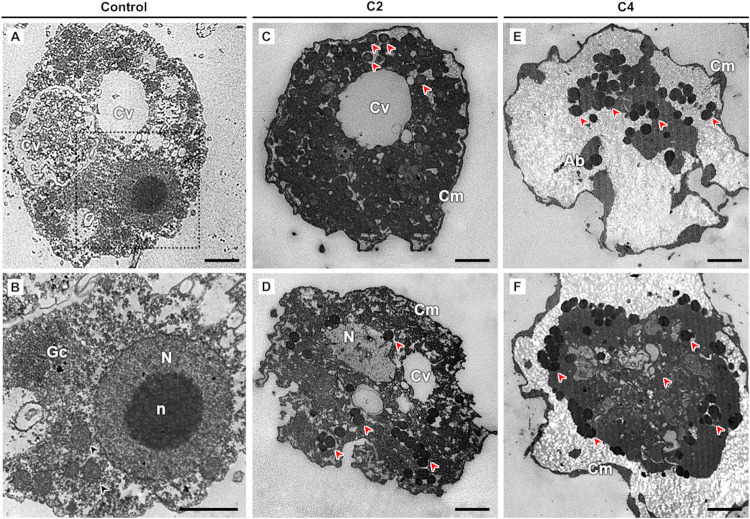 Figure 1
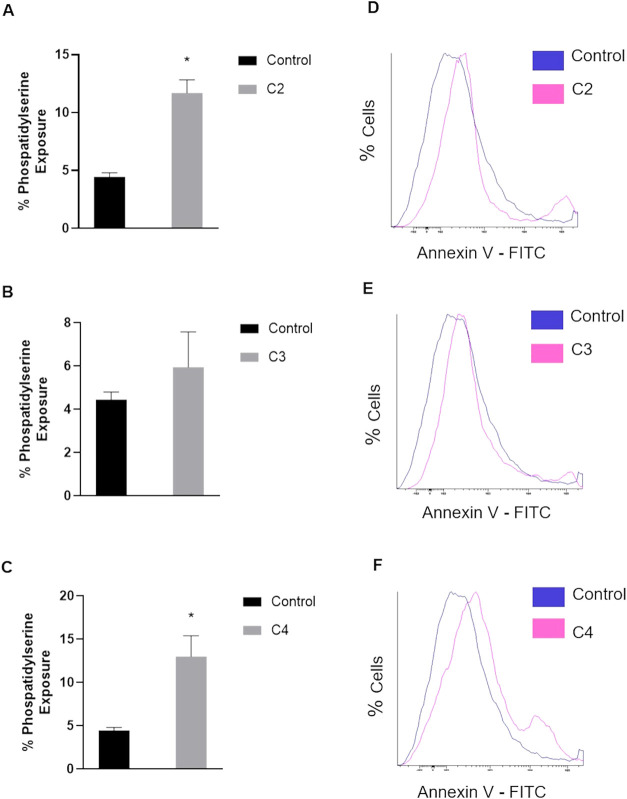 Figure 2
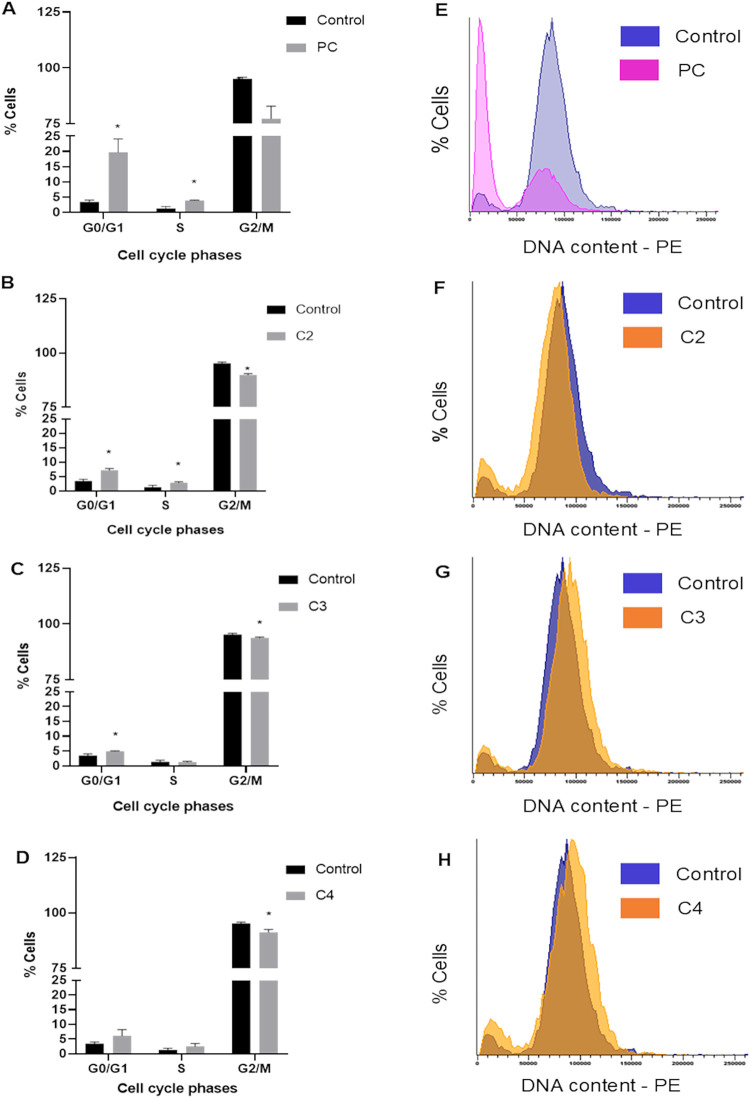 Figure 3
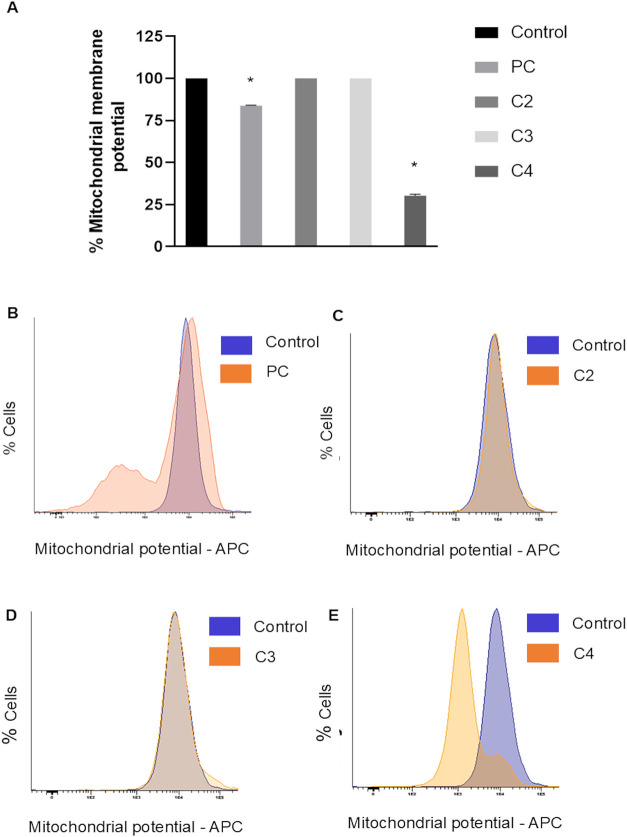 Figure 4
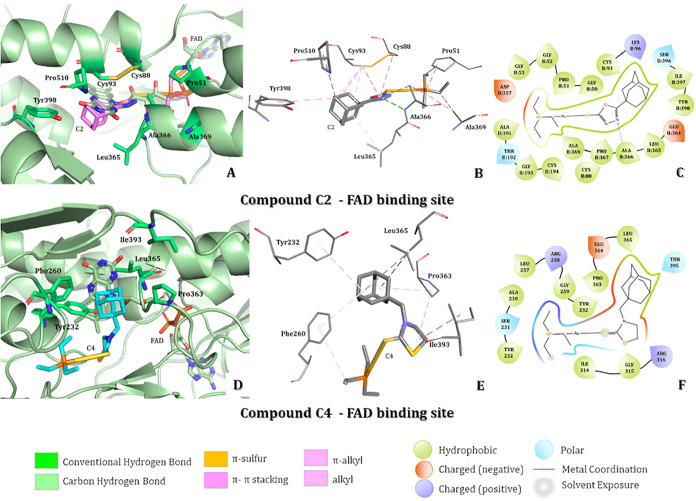 Figure 5
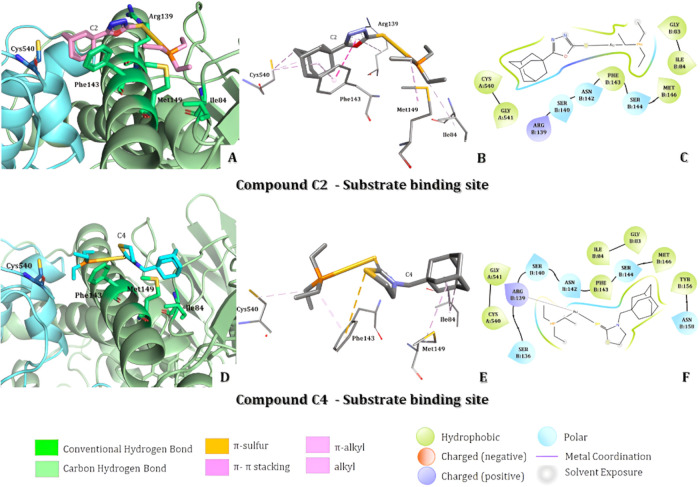 Figure 6
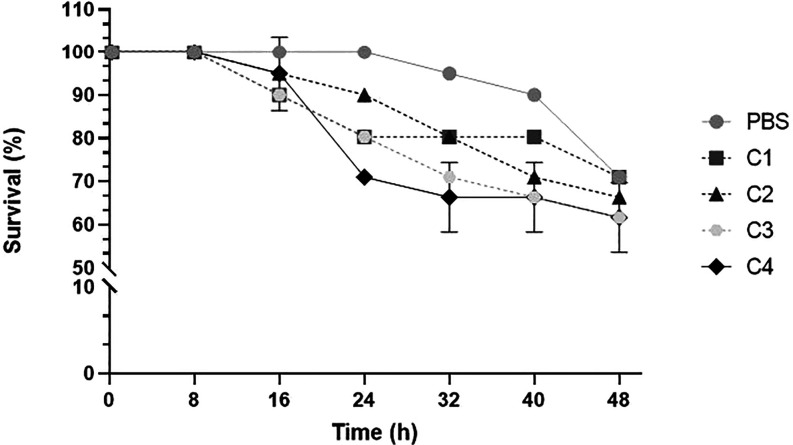 Figure 7
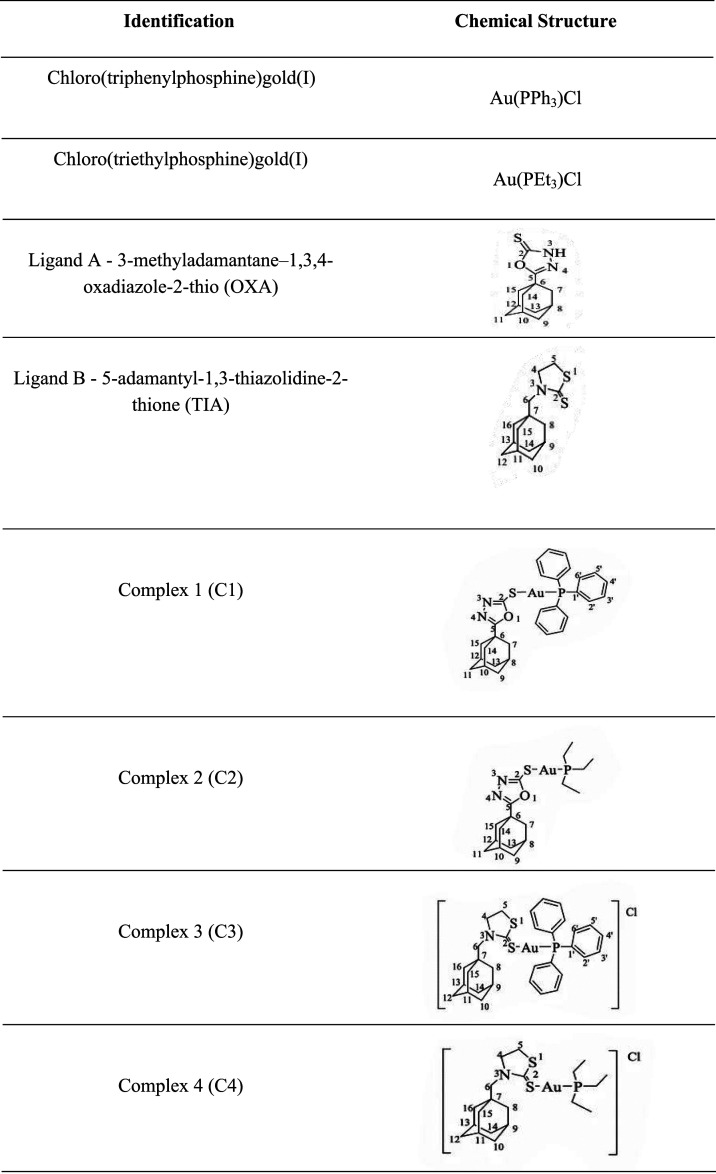 Figure 8
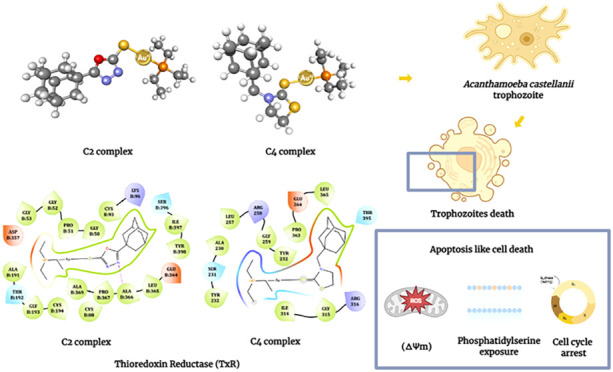 Figure 9
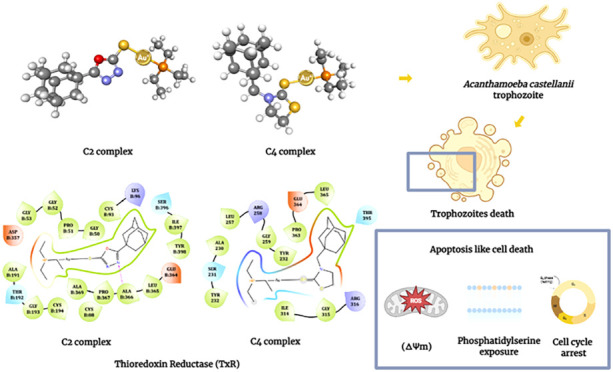 Figure 10
 Figure 11
 Figure 12
Peer Reviews
No public reviews on file for this paper yet. If you reviewed it on a platform where reviews are public (OpenReview, ICLR, NeurIPS, ICML), you can paste yours below so the community can read it here.
Videos
No videos yet. Explain this paper in a talk, walkthrough, or lecture? Add one.
Taxonomy
TopicsLegionella and Acanthamoeba research · Neutrophil, Myeloperoxidase and Oxidative Mechanisms · Heme Oxygenase-1 and Carbon Monoxide