Computational Investigation of 4‑Nitrophenol Inclusion Complexes with α‑, β‑, and γ‑Cyclodextrins
Laura Fernanda Osmari Vendrame, Mariana Zancan Tonel, João Augusto Pereira da Rocha, Ivana Zanella, Cristiano Rodrigo Bohn Rhoden, Solange Binotto Fagan

TL;DR
This study uses computational methods to compare how different cyclodextrins interact with 4-nitrophenol, a contaminant, to determine which is most effective for environmental cleanup.
Contribution
The paper provides a novel computational comparison of α-, β-, and γ-cyclodextrin interactions with 4-nitrophenol using multiple theoretical methods.
Findings
α-Cyclodextrin forms the strongest and most stable complex with 4-nitrophenol.
γ-Cyclodextrin shows lower retention due to cavity–guest size mismatch.
The results support cyclodextrins as sustainable materials for environmental remediation.
Abstract
The increasing presence of emerging contaminants, such as 4-nitrophenol (4-NP), in aquatic environments poses environmental and public health risks, driving interest in innovative systems capable of selectively removing them. Despite the well-established potential of cyclodextrins (CDs) as molecular hosts for the removal of organic micropollutants, owing to their ability to reduce contaminant mobility and availability while promoting capture, isolation, and preconcentration, as well as their biodegradability and low toxicity, and increasing their chemical versatility, a comprehensive theoretical comparison of their interactions with 4-NP is still lacking. The present study explores the formation and stability of inclusion complexes between 4-NP and three types of cyclodextrins (α-CD, β-CD, and γ-CD) using a combination of docking, molecular dynamics, and ab initio density functional…
Genes, proteins, chemicals, diseases, species, mutations and cell lines named across the full text — each resolved to its canonical identifier and authoritative record.
Click any figure to enlarge with its caption.
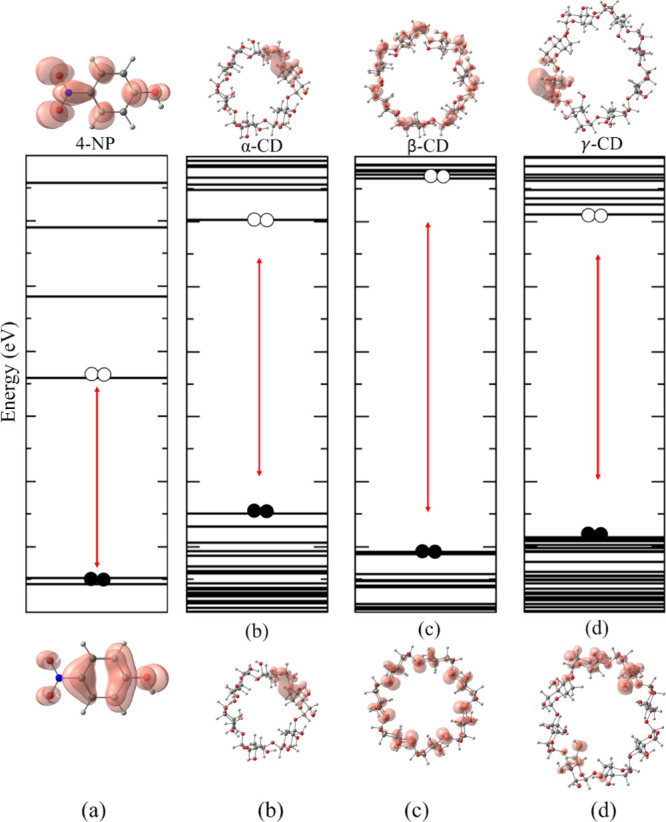 Figure 1
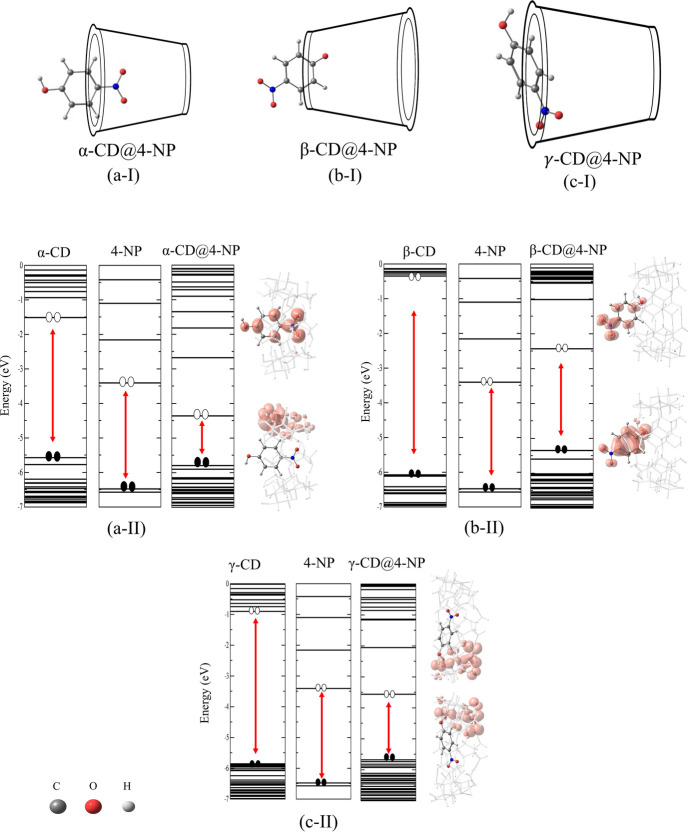 Figure 2
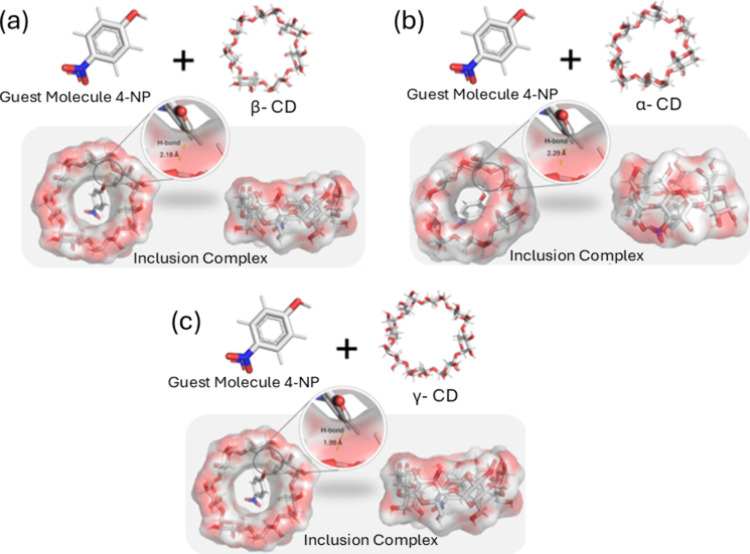 Figure 3
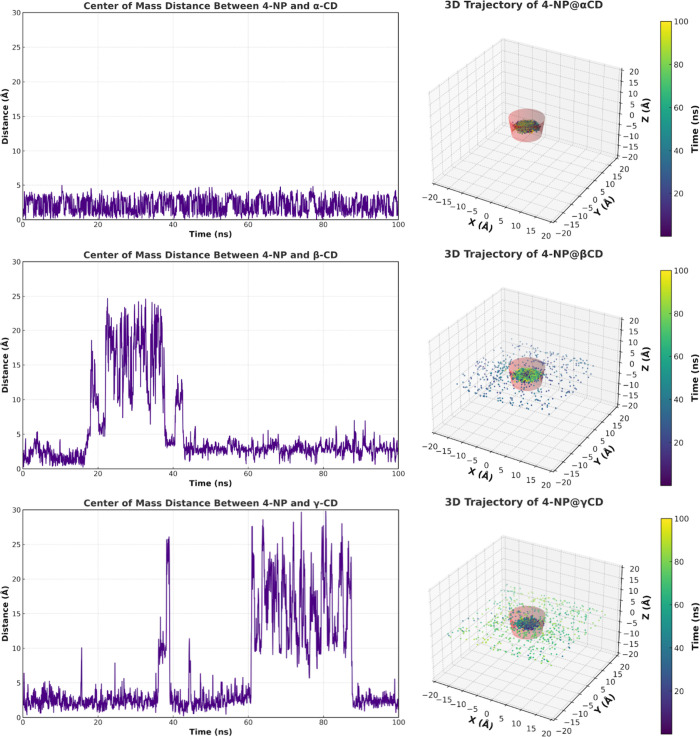 Figure 4
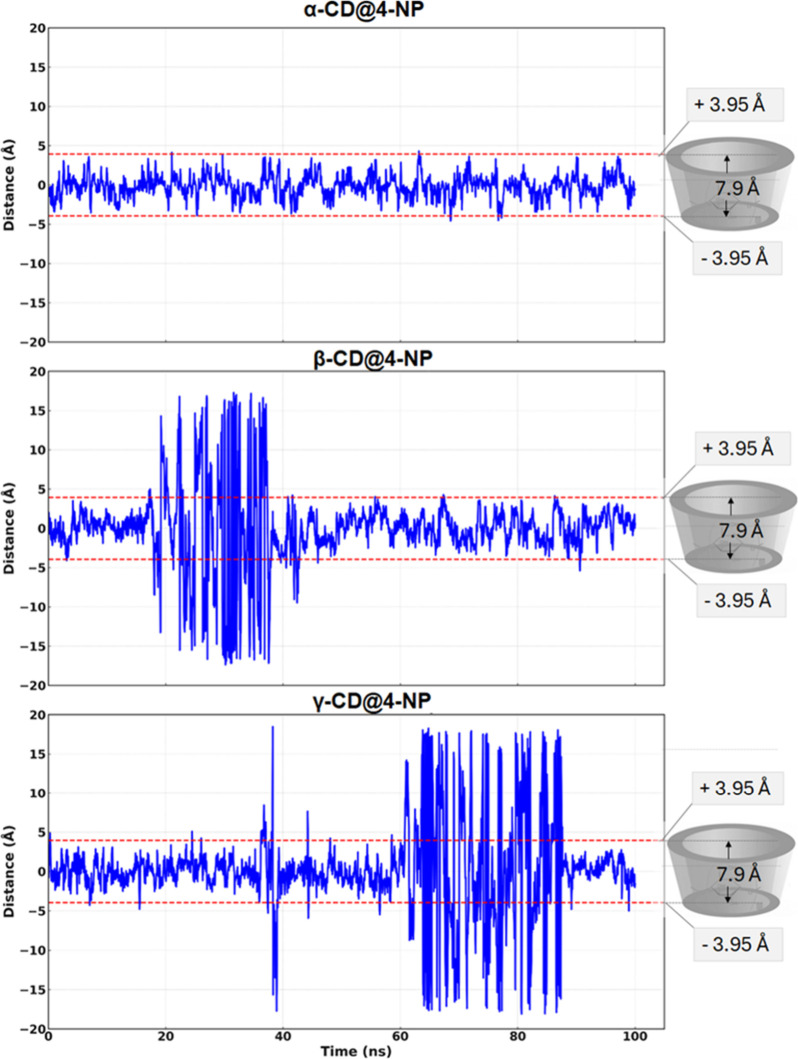 Figure 5
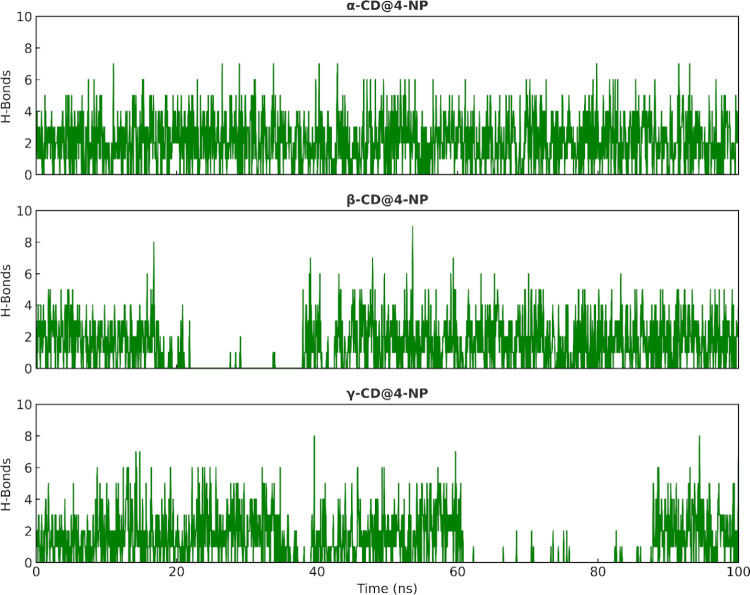 Figure 6
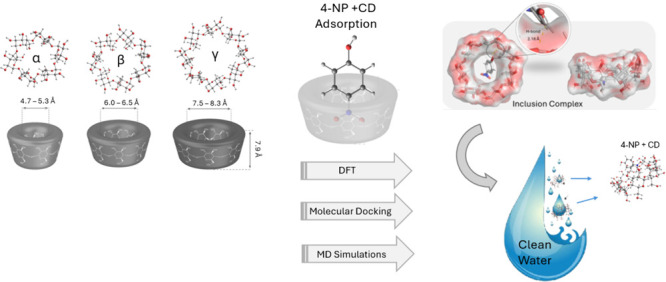 Figure 7
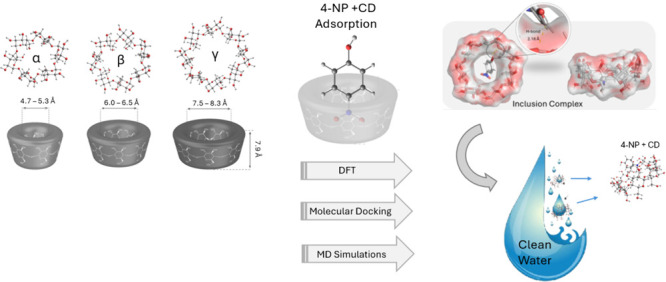 Figure 8
 Figure 9
Peer Reviews
No public reviews on file for this paper yet. If you reviewed it on a platform where reviews are public (OpenReview, ICLR, NeurIPS, ICML), you can paste yours below so the community can read it here.
Videos
No videos yet. Explain this paper in a talk, walkthrough, or lecture? Add one.
Taxonomy
TopicsDrug Solubulity and Delivery Systems · Supramolecular Chemistry and Complexes · Nanoparticle-Based Drug Delivery