Loading Density Influences the Tumor Cell Targeting and Signaling Inhibition Capabilities of Antibody Nanoconjugates
George C. Kramarenko, Carolina Gomez Casas, Megan N. Dang, Nikos D. Demetriou, Emily S. Day

TL;DR
This study shows that lower antibody density on nanoconjugates improves targeting and treatment of triple-negative breast cancer cells.
Contribution
The study reveals that lower antibody loading density enhances the therapeutic efficacy of antibody–nanoparticle conjugates in targeting TNBC cells.
Findings
Low-density antibody nanoconjugates showed ∼2× greater binding avidity to TNBC cells compared to high-density conjugates.
Low-density conjugates significantly reduced tumor spheroid area, metabolic activity, and cell number in TNBC cells.
Lower antibody density improved Wnt signaling inhibition and suppressed oncogenic cell behavior more effectively.
Abstract
Triple-negative breast cancer (TNBC) is the most aggressive breast cancer subtype and accounts for up to 20% of all breast cancers. Since conventional chemotherapy and radiotherapy are ineffective against TNBC, nanoparticle-based medicines are being investigated as a potentially superior treatment option. Of such platforms, antibody–nanoparticle conjugates have been shown to precisely target diseased cells through selective antigen binding and to regulate oncogenic cellular signaling by blocking ligand activation of the targeted receptor. For example, silica core-gold shell “nanoshells” (NS) conjugated to Frizzled7 (FZD7) antibodies can preferentially bind TNBC cells to suppress Wnt signaling and inhibit disease progression. To improve understanding of antibody nanoconjugate structure/function relationships, in this study, we evaluated the influence of antibody loading density on the…
Genes, proteins, chemicals, diseases, species, mutations and cell lines named across the full text — each resolved to its canonical identifier and authoritative record.
Click any figure to enlarge with its caption.
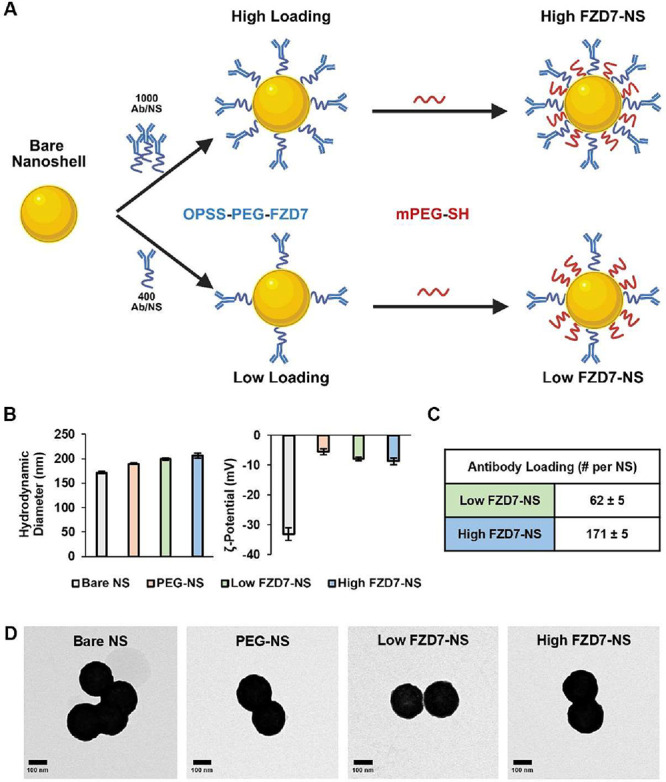 Figure 1
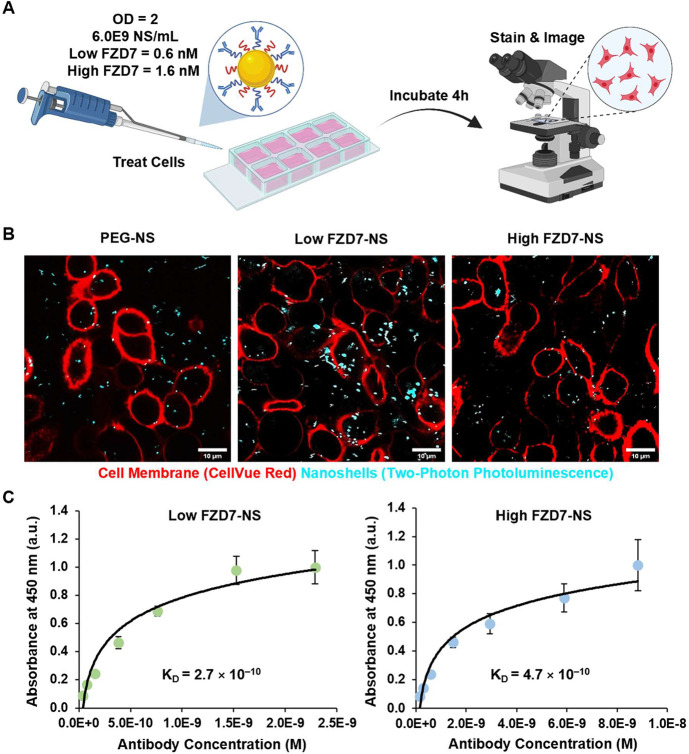 Figure 2
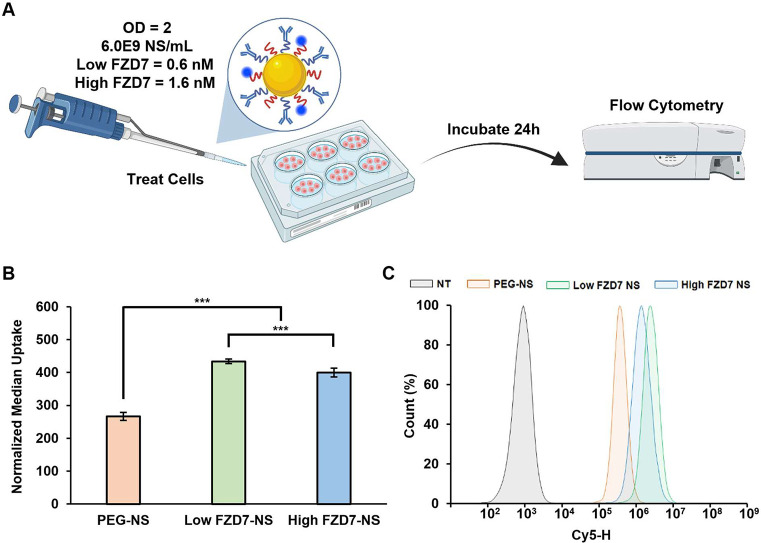 Figure 3
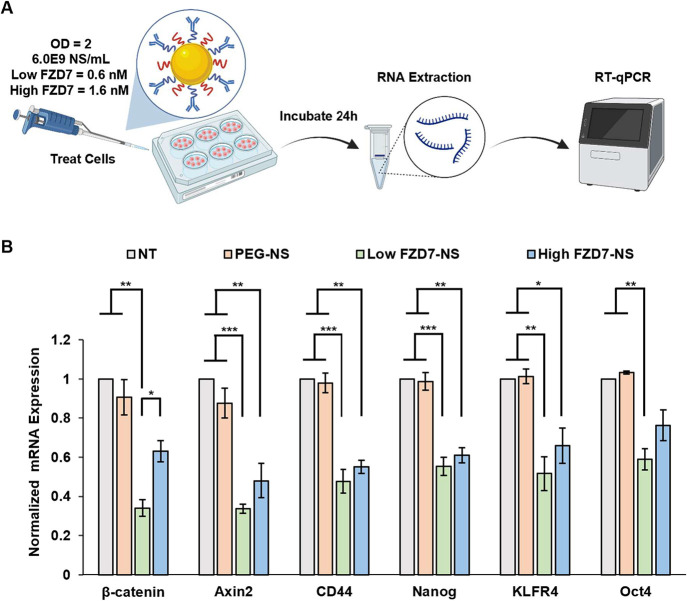 Figure 4
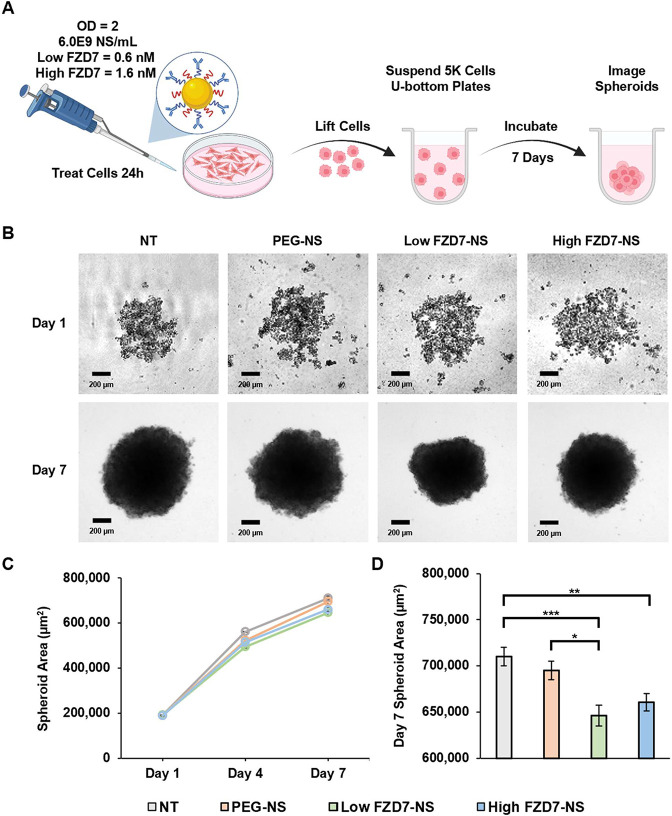 Figure 5
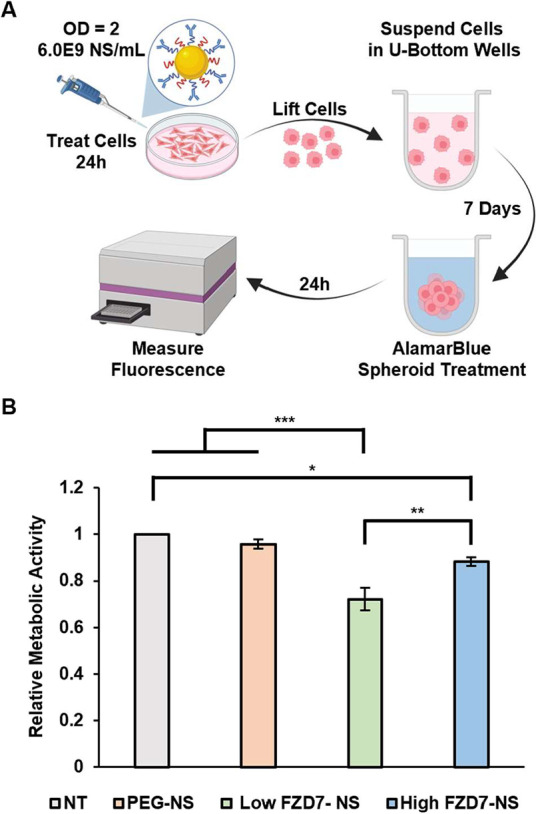 Figure 6
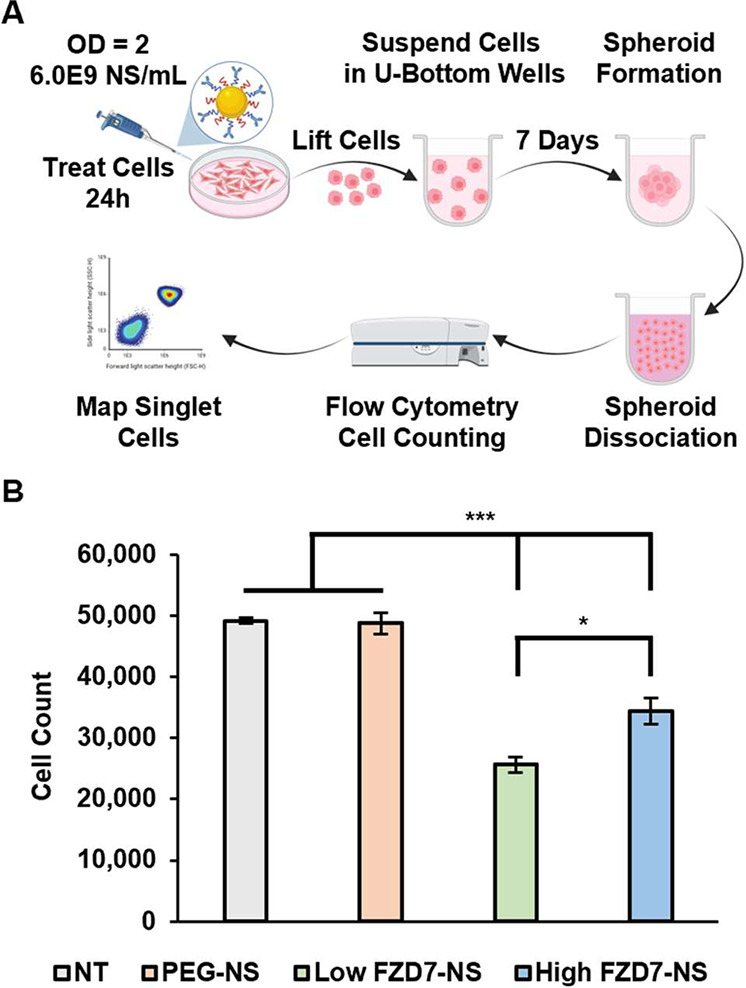 Figure 7
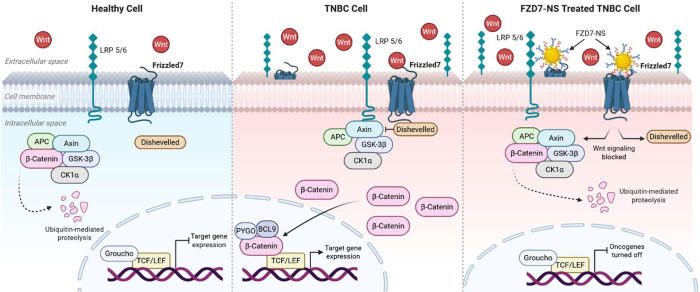 Figure 8
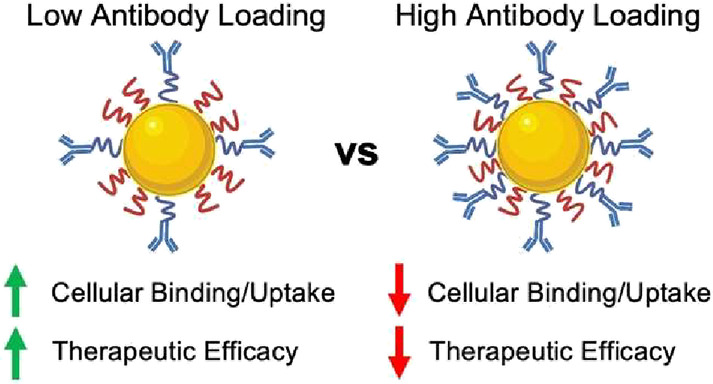 Figure 9
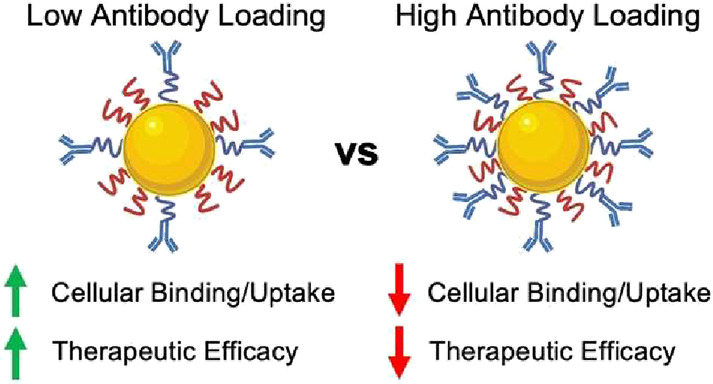 Figure 10
 Figure 11
 Figure 12
Peer Reviews
No public reviews on file for this paper yet. If you reviewed it on a platform where reviews are public (OpenReview, ICLR, NeurIPS, ICML), you can paste yours below so the community can read it here.
Videos
No videos yet. Explain this paper in a talk, walkthrough, or lecture? Add one.
Taxonomy
TopicsHER2/EGFR in Cancer Research · Nanoparticle-Based Drug Delivery · Nanoplatforms for cancer theranostics