Role of Buffer Layers in Defect Chemistry and Parasitic Phase Formation of BiFeO3 Films on Silicon
Saleh H. Fawaeer, Wala’ M. Al-Qaisi, Vlasta Sedláková, Marwan S. Mousa, Alexandr Knápek, Dinara Sobola

TL;DR
This paper studies how buffer layers affect the formation and chemistry of BiFeO3 films on silicon, aiming to improve their integration for electronic applications.
Contribution
The study introduces a method using Ti and TiO2 buffer layers to control the surface chemistry and phase stability of BiFeO3 films on silicon.
Findings
Ti-buffered films show more consistent Bi/Fe surface ratios compared to TiO2-buffered films.
Oxygen chemistry is the most sensitive indicator of near-surface disorder in BiFeO3 films.
Intermediate-to-high substrate temperatures with moderate-to-low oxygen pressures favor near-stoichiometric BiFeO3 formation.
Abstract
Achieving the reliable integration of bismuth ferrite with silicon requires precise control over phase formation, cation stoichiometry, and near-surface oxygen chemistry. In this study, BiFeO3 films were deposited by pulsed laser deposition onto Ti- and TiO2-buffered Si substrates under varied oxygen partial pressures and substrate temperatures. Structural, morphological, and chemical evolutions were investigated using X-ray diffraction, scanning electron microscopy, and combined survey and high-resolution X-ray photoelectron spectroscopy. Both buffer types yield polycrystalline BiFeO3 films; Ti-buffered samples exhibit lower variations in Bi/Fe surface ratios, whereas TiO2buffered films show a reduced contribution from hydroxyl-related oxygen species at the surface. X-ray photoelectron spectroscopy confirms that Bi and Fe remain exclusively in the trivalent state under all growth…
Genes, proteins, chemicals, diseases, species, mutations and cell lines named across the full text — each resolved to its canonical identifier and authoritative record.
Click any figure to enlarge with its caption.
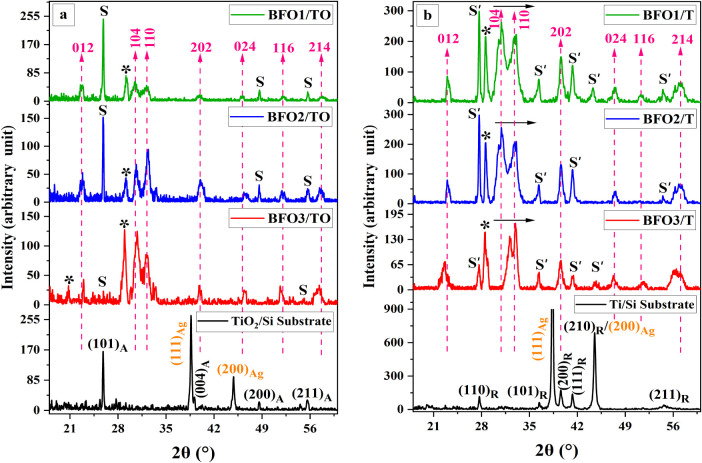 Figure 1
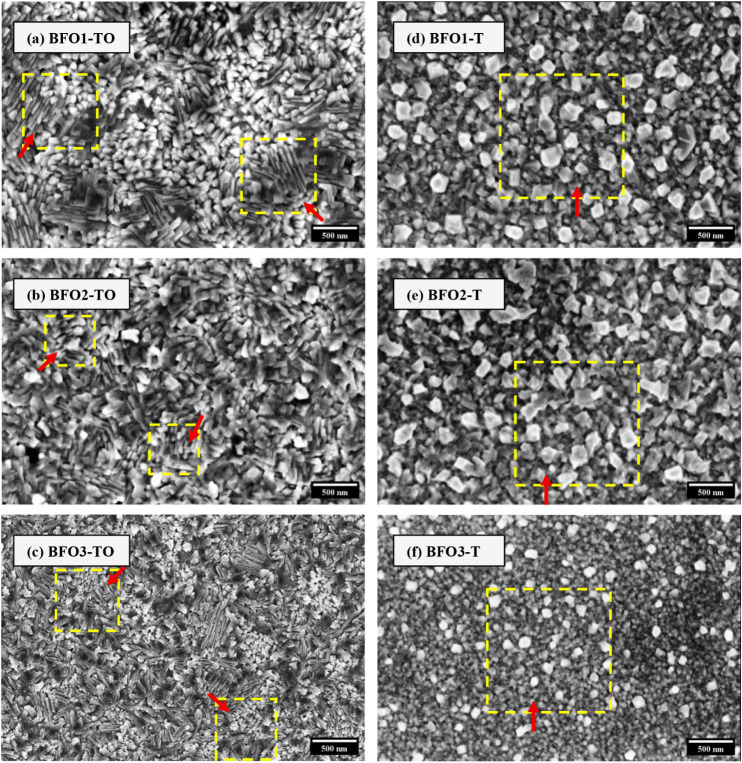 Figure 2
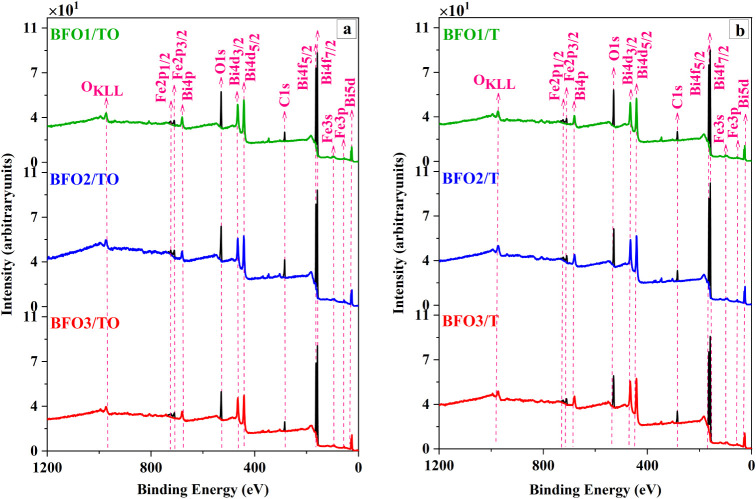 Figure 3
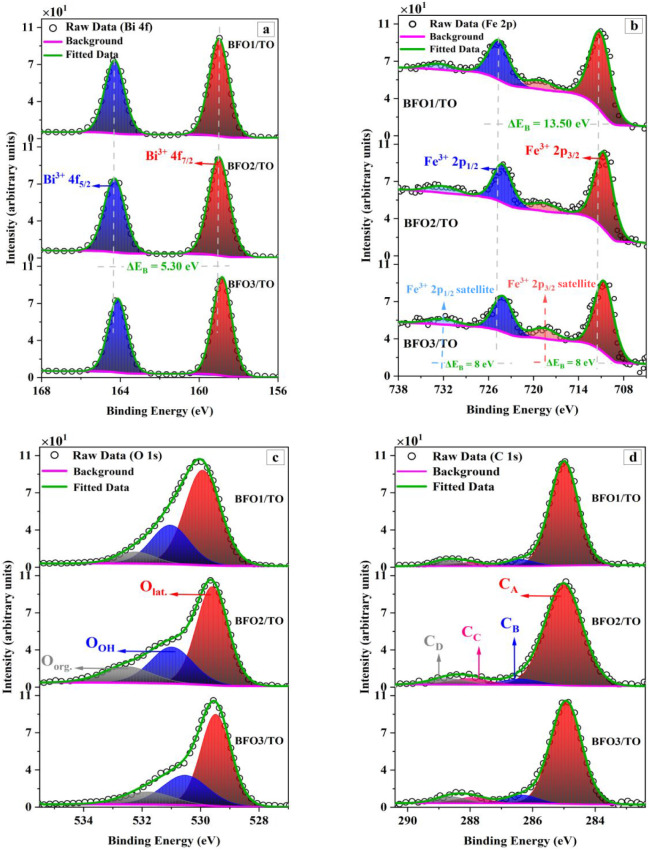 Figure 4
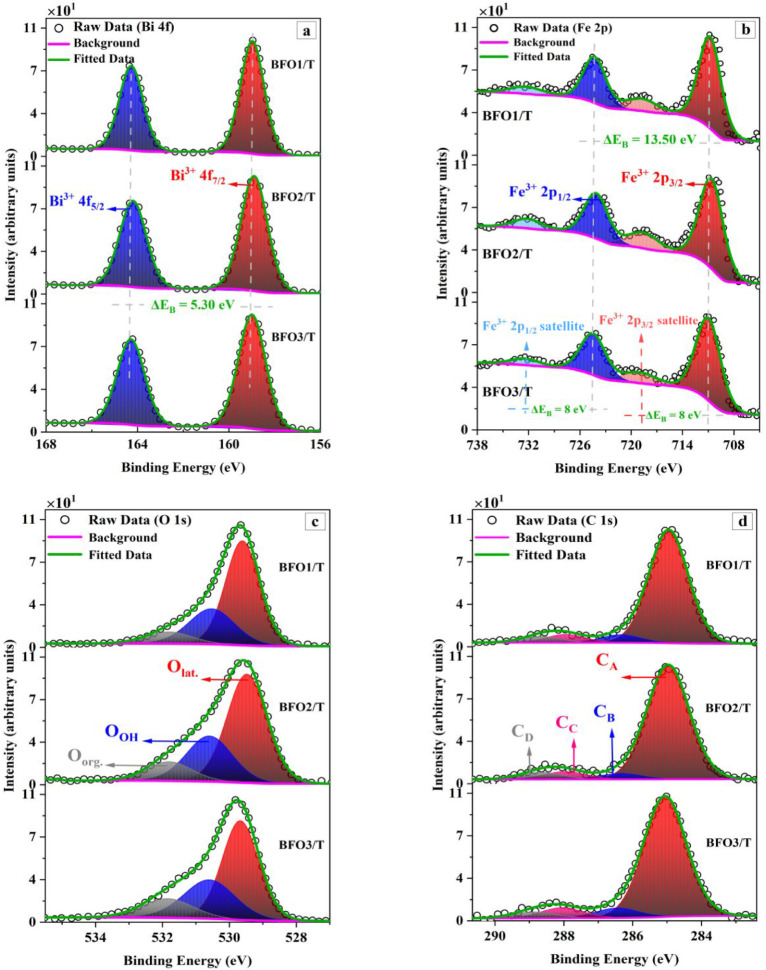 Figure 5
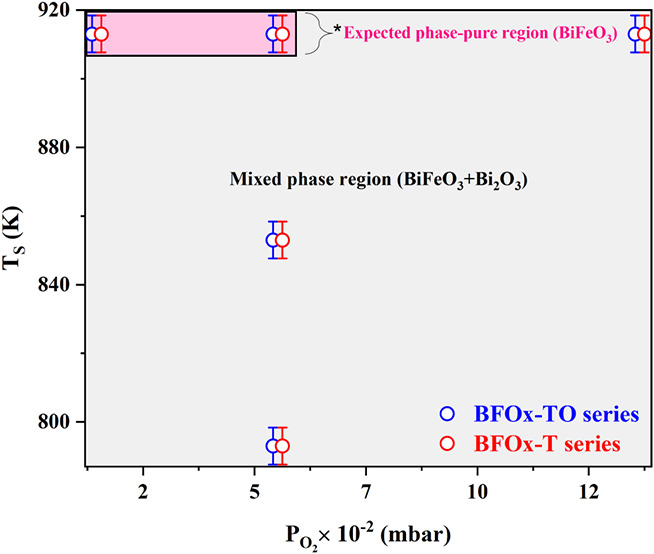 Figure 6
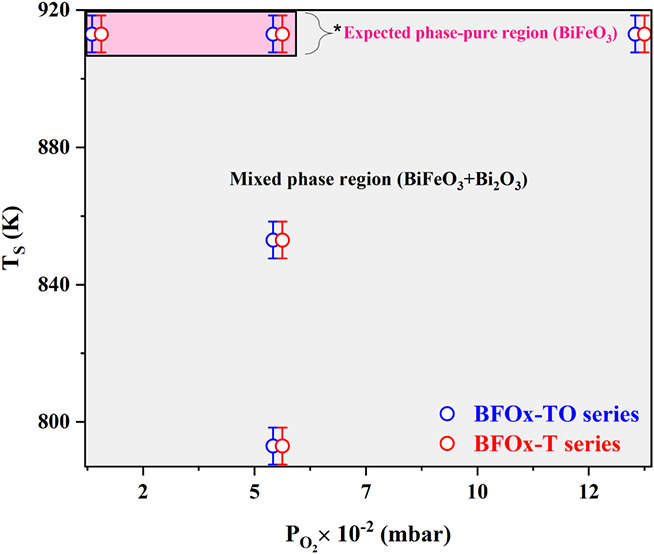 Figure 7
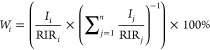 Figure 8
 Figure 9
 Figure 10
 Figure 11
Peer Reviews
No public reviews on file for this paper yet. If you reviewed it on a platform where reviews are public (OpenReview, ICLR, NeurIPS, ICML), you can paste yours below so the community can read it here.
Videos
No videos yet. Explain this paper in a talk, walkthrough, or lecture? Add one.
Taxonomy
TopicsMultiferroics and related materials · Ferroelectric and Piezoelectric Materials · Iron oxide chemistry and applications