Design and Evaluation of Quinoline-derived Fluorophores for Labeling Amyloid Beta 1–42 in Alzheimer’s Disease
Alma Victoria Sánchez-Mendoza, Rosa Angeles Vázquez-García, Víctor Castaño, Mónica A. Torres-Ramos, Alan Hipólito Juárez-Solano, Raúl Horacio Camarillo-López, Martha Cecilia Rosales-Hernández

TL;DR
This paper introduces new quinoline-based fluorescent compounds that effectively label amyloid beta in Alzheimer's disease, aiding early diagnosis.
Contribution
The study introduces novel quinoline-derived fluorophores with aggregation-induced emission properties for amyloid beta detection.
Findings
3QnCN showed the strongest binding to Aβ1–42 with a binding energy of –11.9 kcal/mol.
3QnCN demonstrated effective fluorescence labeling of Aβ1–42 in PC12 cells confirmed by confocal microscopy.
The fluorophores exhibited enhanced fluorescence in aggregated states due to restricted intramolecular motion.
Abstract
Amyloid beta (Aβ) is a key biomarker in Alzheimer’s disease, driving the formation of senile plaques that contribute to neuronal death within a complex etiology. Typically, most treatments begin at advanced stages, when irreversible brain atrophy has already occurred; therefore, early diagnosis is essential for effective intervention. Several probes based on the conventional donor−π–acceptor (D−π–A) structural motif have been developed as diagnostic tools, yet few have reached clinical trials. Alternatively, quinoline-based fluorescent compounds with push–pull structures and aggregation-induced emission properties show enhanced fluorescence in the aggregated state due to restricted intramolecular motion (RIM). Accordingly, four quinoline derivatives2QnCN, 3QnCN, 3QnB, and 4QnBBwere synthesized using standard methods, including benzoxazole segments and a cyano (−CN) group. They were…
Genes, proteins, chemicals, diseases, species, mutations and cell lines named across the full text — each resolved to its canonical identifier and authoritative record.
Click any figure to enlarge with its caption.
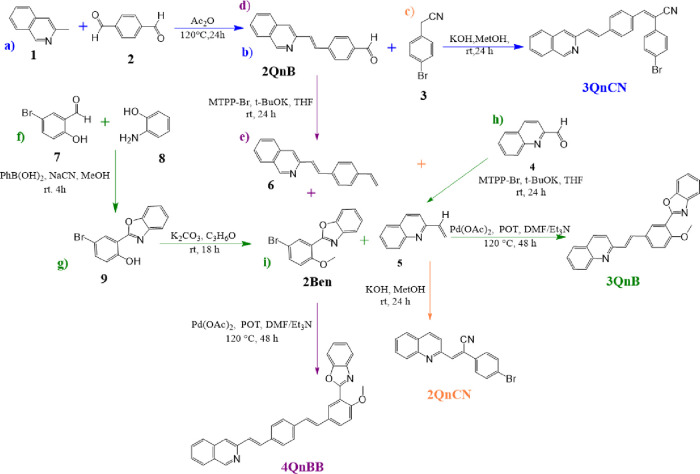 Figure 1
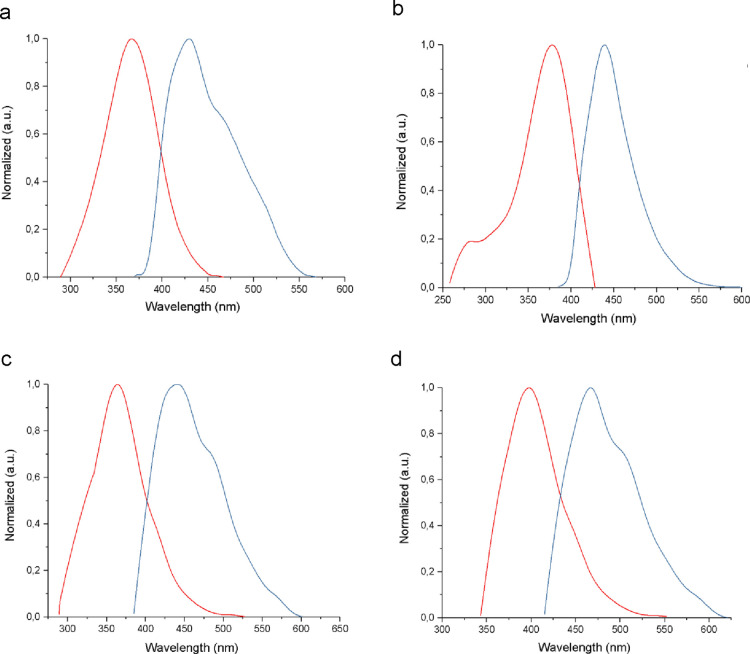 Figure 2
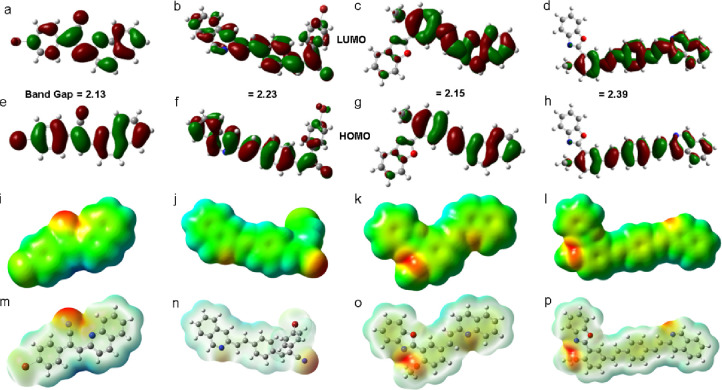 Figure 3
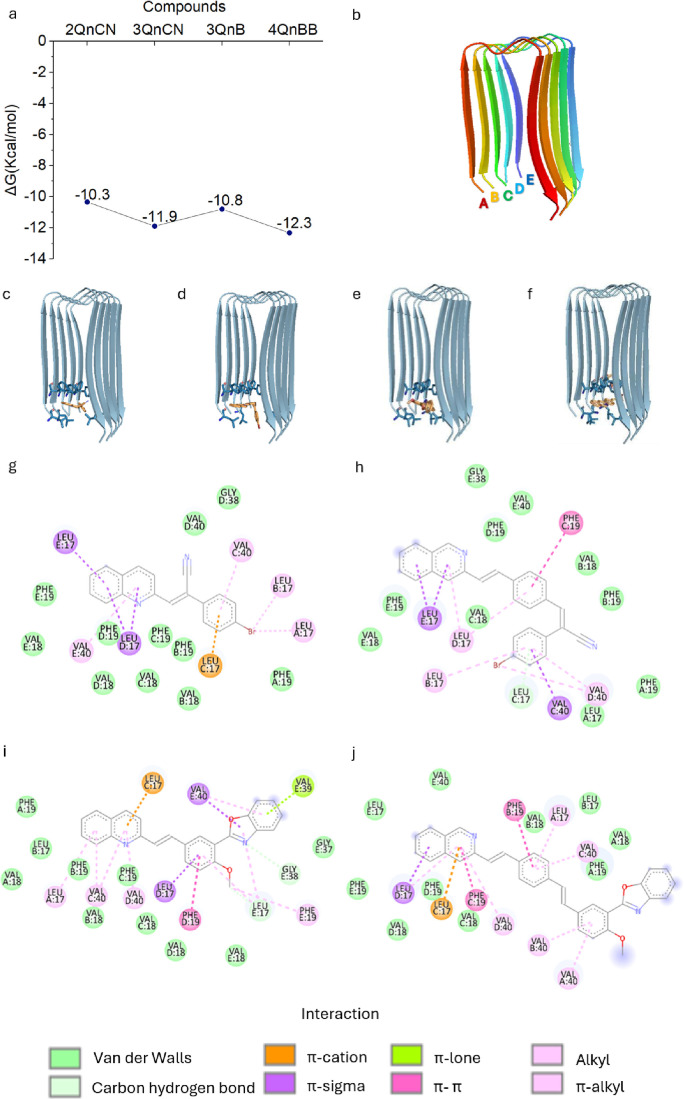 Figure 4
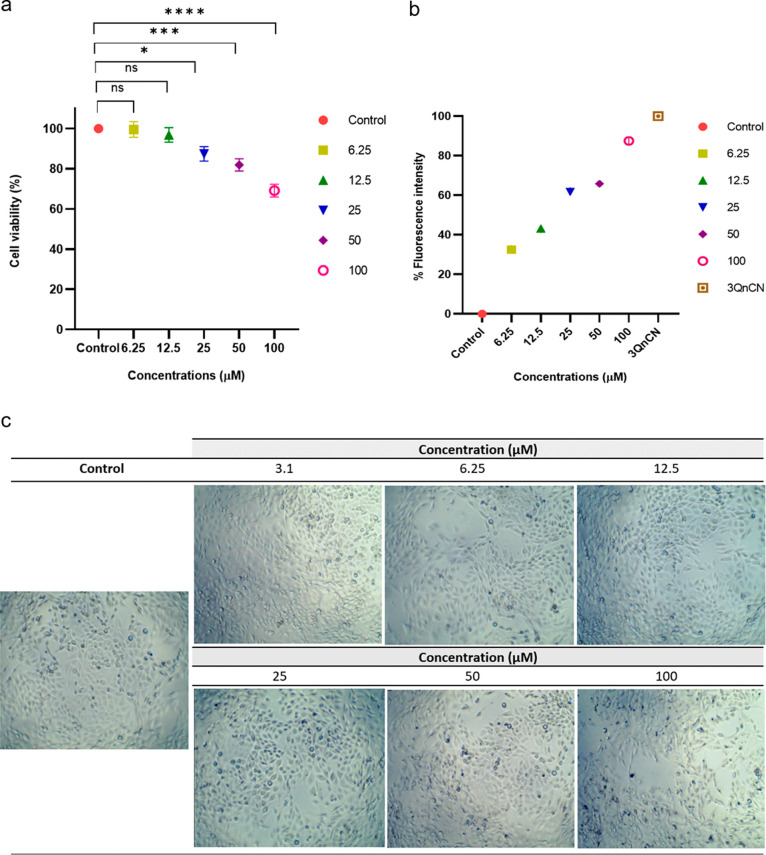 Figure 5
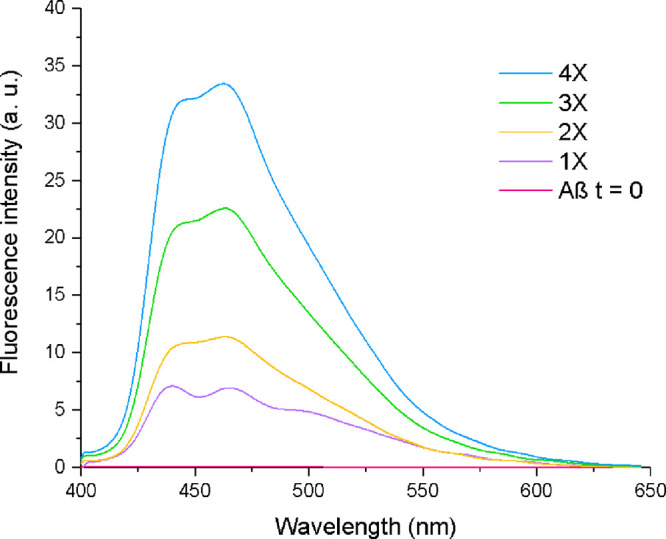 Figure 6
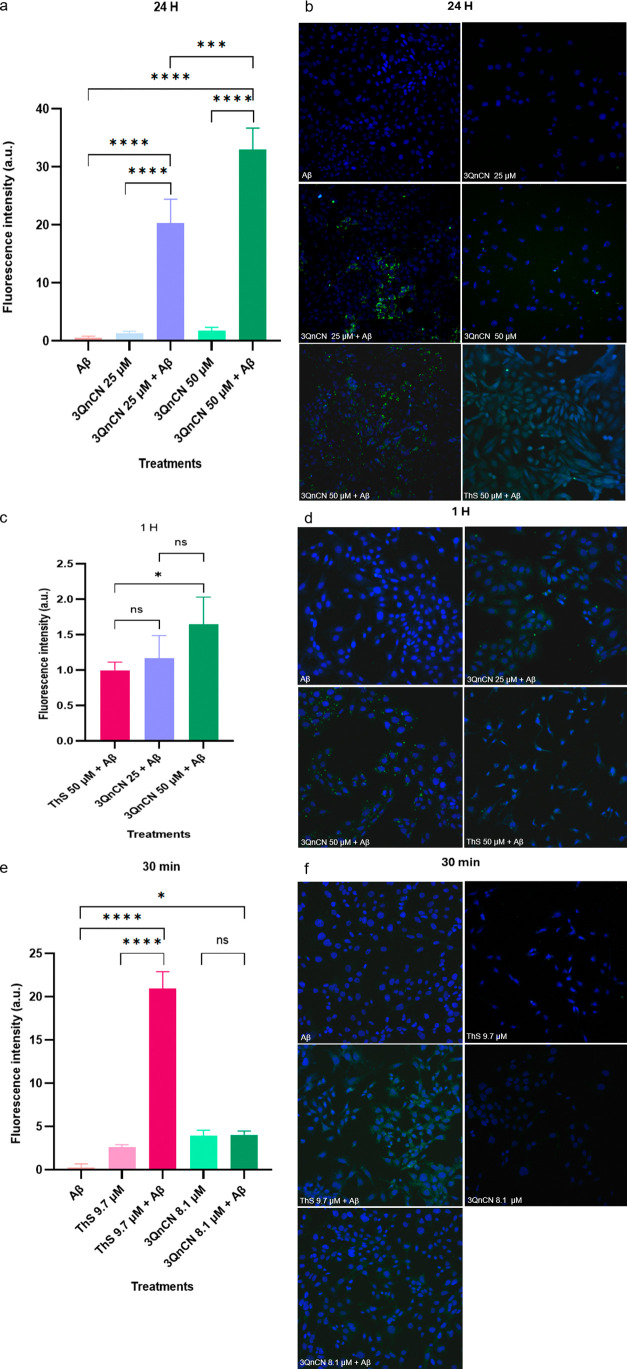 Figure 7
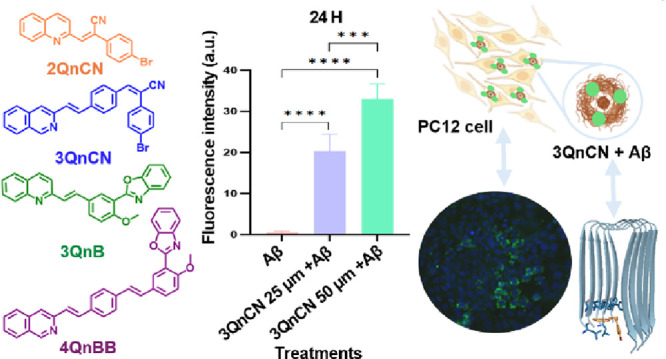 Figure 8
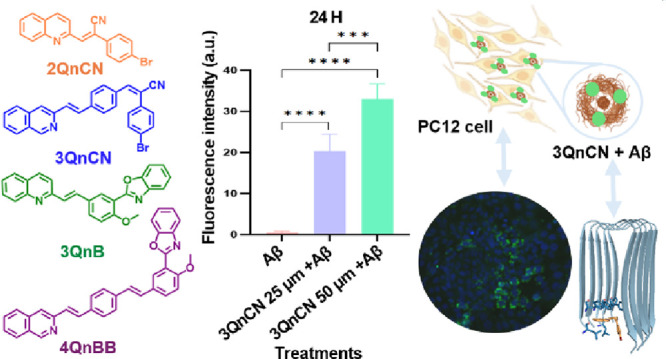 Figure 9
Peer Reviews
No public reviews on file for this paper yet. If you reviewed it on a platform where reviews are public (OpenReview, ICLR, NeurIPS, ICML), you can paste yours below so the community can read it here.
Videos
No videos yet. Explain this paper in a talk, walkthrough, or lecture? Add one.
Taxonomy
TopicsMolecular Sensors and Ion Detection · Alzheimer's disease research and treatments · Cholinesterase and Neurodegenerative Diseases