Eco-Friendly and Easily Synthesized Amorphous Fe–Ca (Oxy)hydroxide for Selective Phosphate Removal from Synthetic and Real Effluents: Synthesis, Optimization, and Application
Yago Neco Teixeira, Elias Matias Bentes, Jackson Evangelista, Daniel Bernardes Silva, Jorge Marcell Coelho Menezes, Thiago Mielle Brito Ferreira Oliveira, Raimundo Nonato Pereira Teixeira, Ronaldo Ferreira Do Nascimento, Francisco José de Paula Filho

TL;DR
A new eco-friendly material called CaFe was developed to efficiently and selectively remove phosphate from polluted water, showing promise for preventing eutrophication.
Contribution
The study introduces a novel amorphous Fe–Ca (oxy)hydroxide material optimized for selective phosphate adsorption with high efficiency and sustainability.
Findings
CaFe achieved 84.86% phosphate removal from real effluent at pH 4 with a dosage of 1.5 g/L.
The material demonstrated high selectivity for phosphate even in the presence of competing anions.
Adsorption was spontaneous and endothermic with a maximum capacity of 41 mg/g at 30 °C.
Abstract
The contamination of surface and groundwater by nutrients due to the discharge of untreated effluents is a serious environmental issue, as it can promote eutrophication and compromise water quality. This study aimed to optimize the synthesis of Fe–Ca (oxy)hydroxide (CaFe) and evaluate its adsorptive capacity for phosphate ions. The coprecipitation route was chosen for the material synthesis. Structural characterizations revealed that the material exhibits high roughness, a large number of active sites, thermal stability, and a predominance of the amorphous phase, all of which favor its efficiency in phosphate adsorption. Optimization using response surface methodology (RSM) yielded a high adjusted coefficient of determination (R adj 2 = 0.97), indicating excellent fit to the experimental data. The adsorption process followed the pseudo-second-order kinetic model (R adj 2 > 0.99) and…
Genes, proteins, chemicals, diseases, species, mutations and cell lines named across the full text — each resolved to its canonical identifier and authoritative record.
Click any figure to enlarge with its caption.
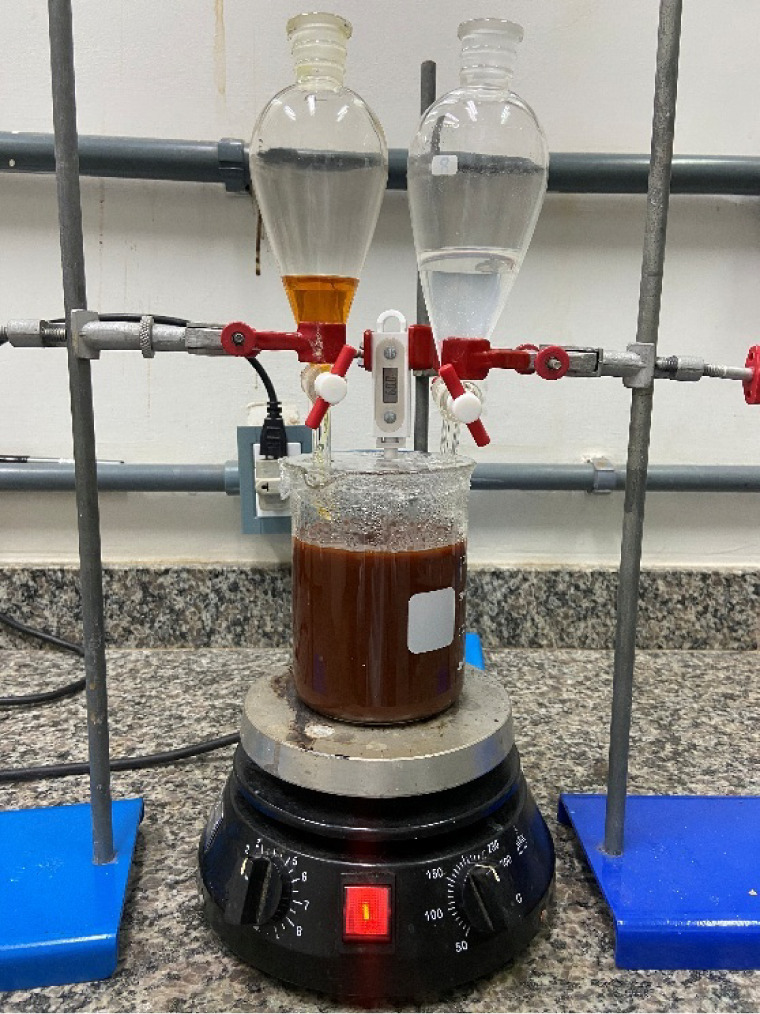 Figure 1
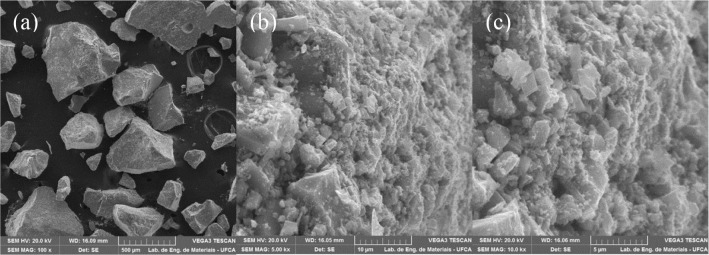 Figure 2
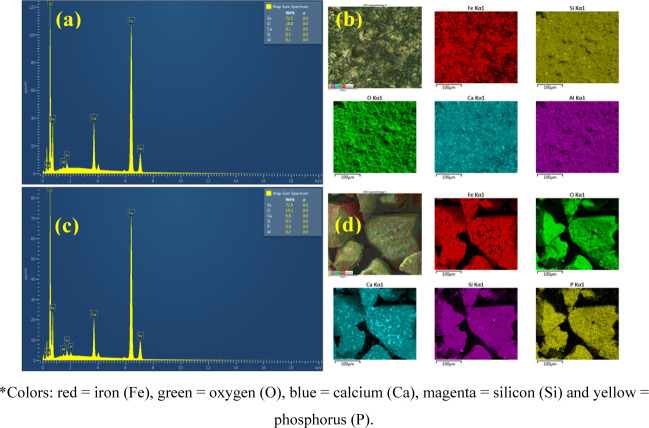 Figure 3
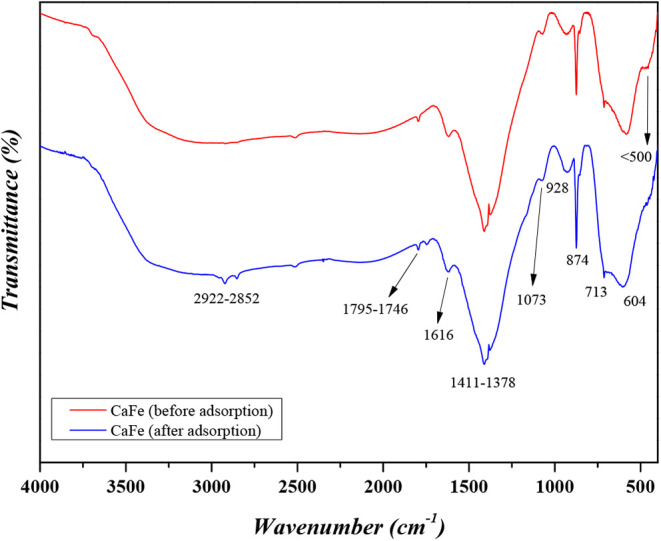 Figure 4
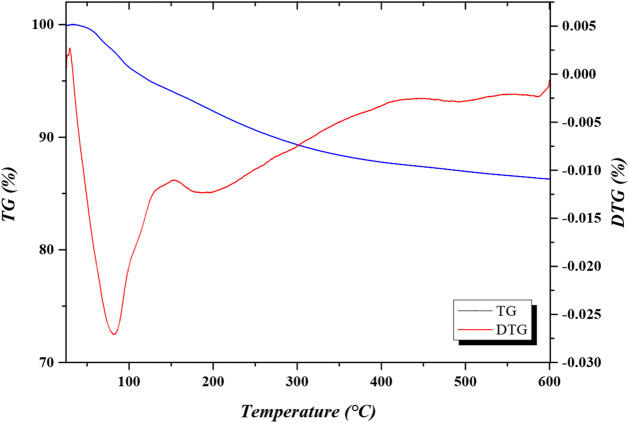 Figure 5
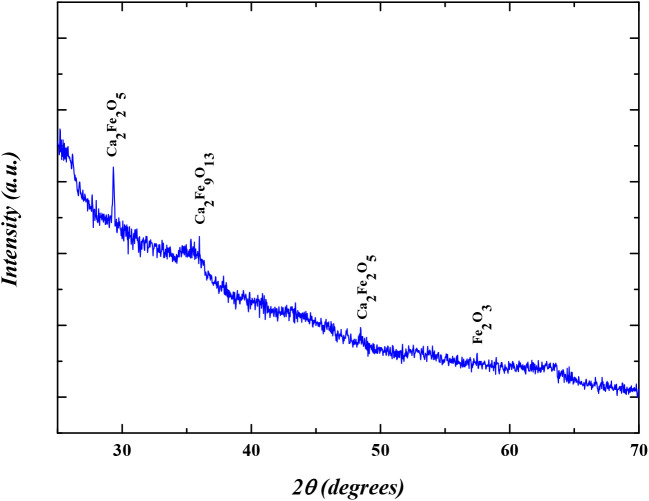 Figure 6
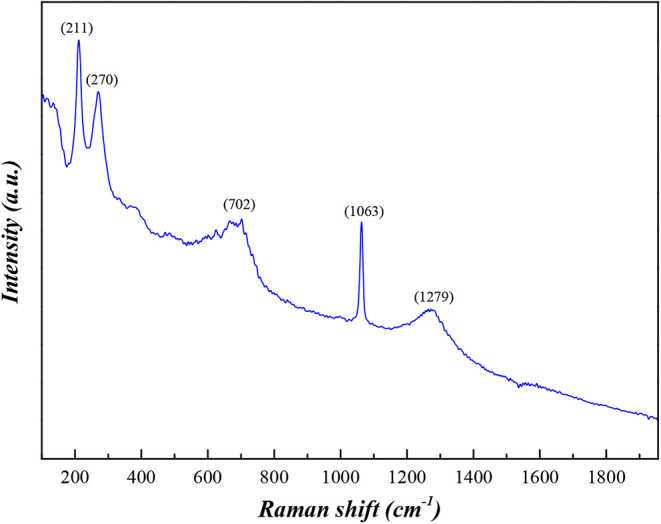 Figure 7
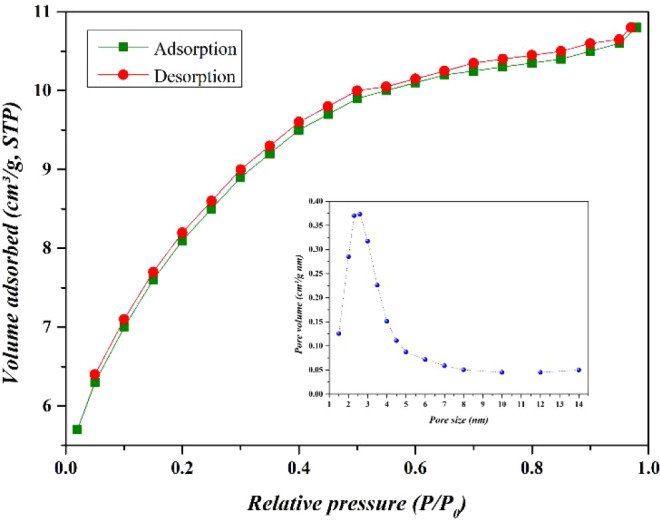 Figure 8
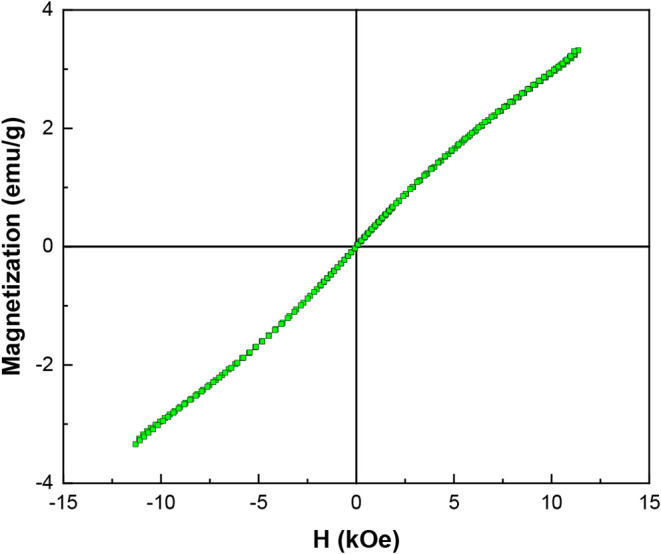 Figure 9
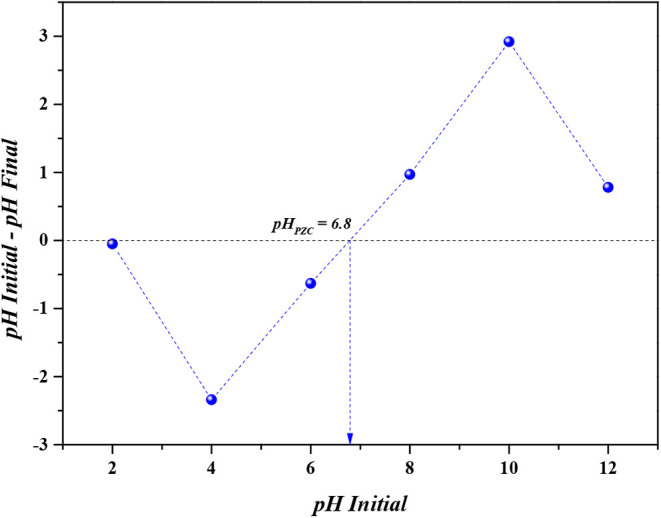 Figure 10
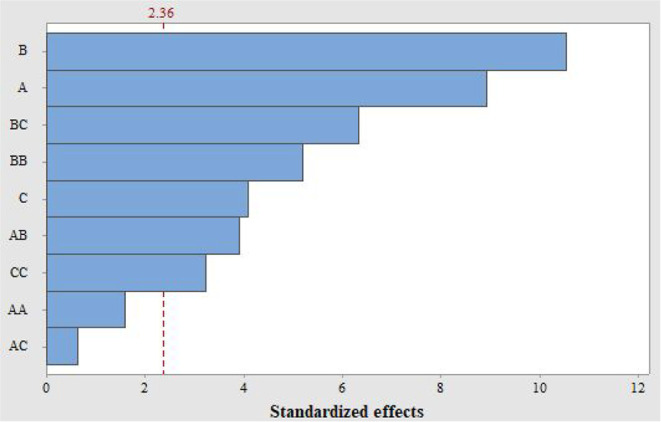 Figure 11
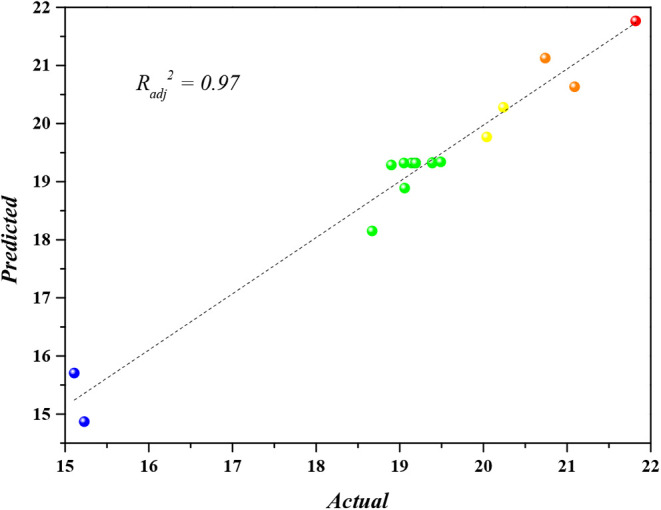 Figure 12
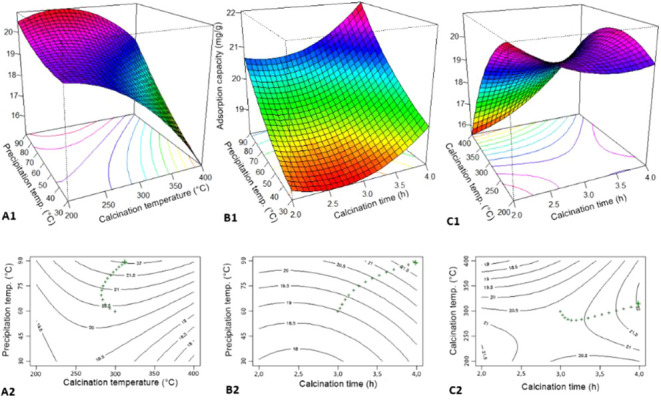 Figure 13
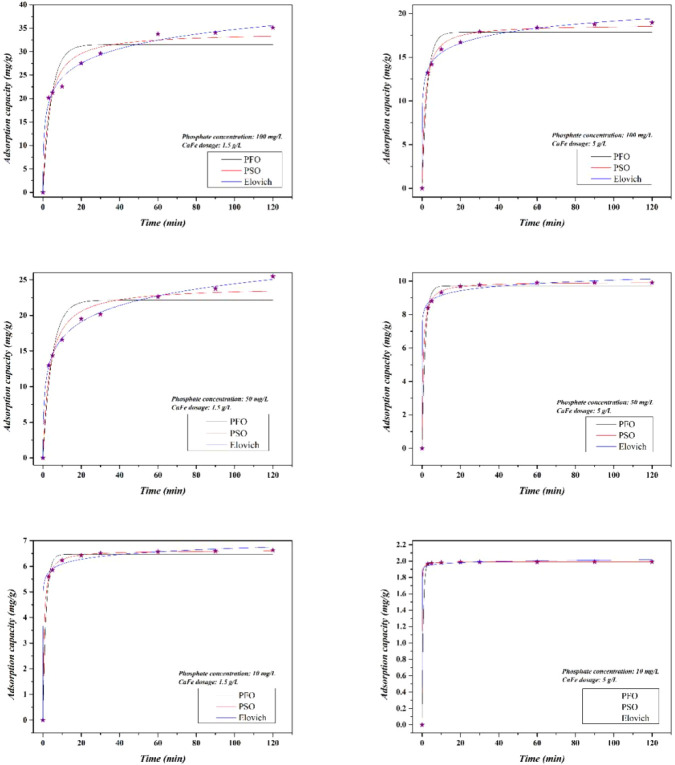 Figure 14
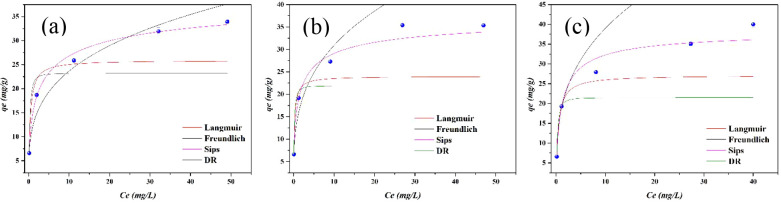 Figure 15
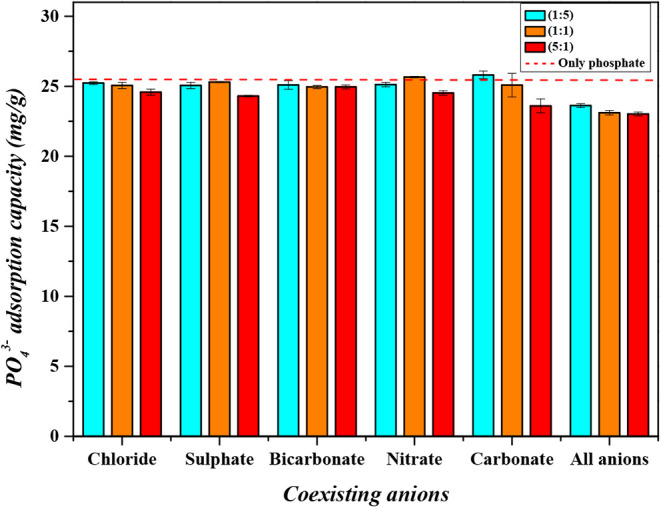 Figure 16
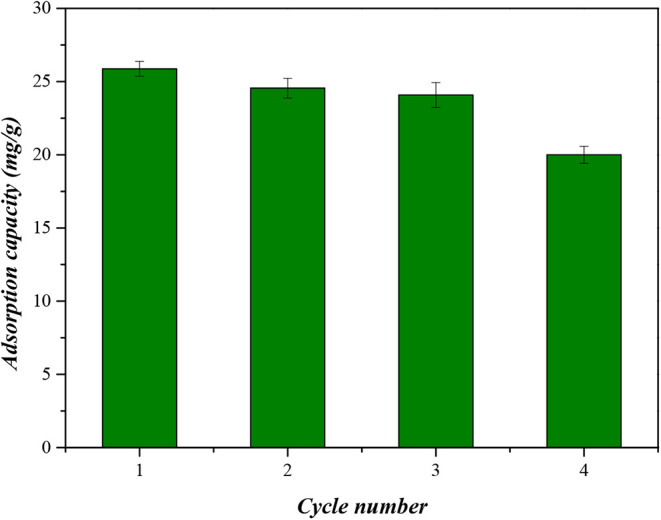 Figure 17
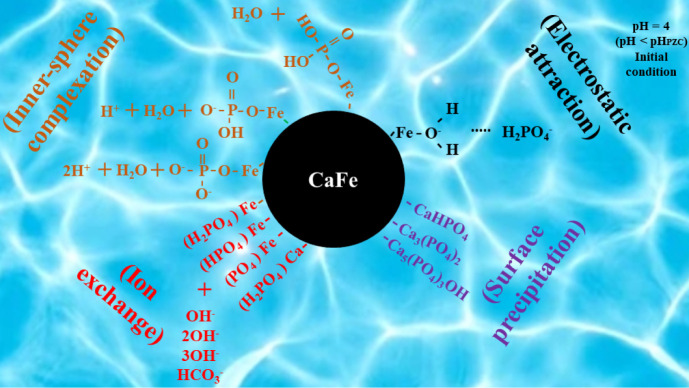 Figure 18
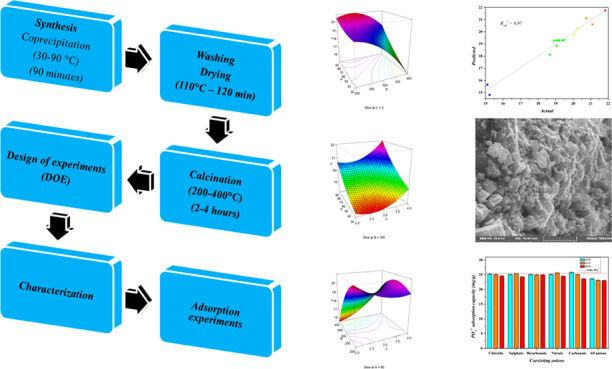 Figure 19
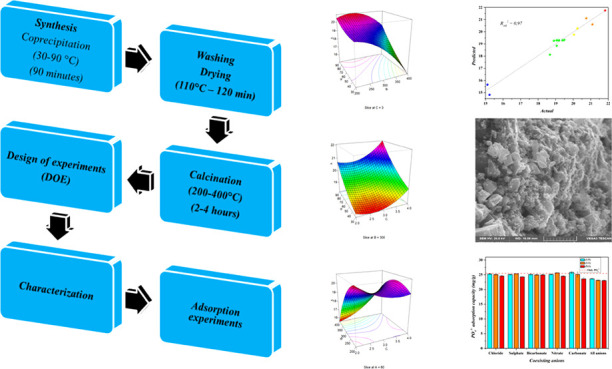 Figure 20
 Figure 21
 Figure 22
 Figure 23
 Figure 24
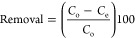 Figure 25
 Figure 26
 Figure 27
 Figure 28
 Figure 29
 Figure 30
 Figure 31
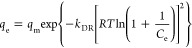 Figure 32
 Figure 33
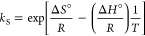 Figure 34
 Figure 35
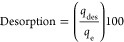 Figure 36
 Figure 37
Peer Reviews
No public reviews on file for this paper yet. If you reviewed it on a platform where reviews are public (OpenReview, ICLR, NeurIPS, ICML), you can paste yours below so the community can read it here.
Videos
No videos yet. Explain this paper in a talk, walkthrough, or lecture? Add one.
Taxonomy
TopicsPhosphorus and nutrient management · Layered Double Hydroxides Synthesis and Applications · Adsorption and biosorption for pollutant removal