Melt-Spun P(3HB)/P(3HB-co-4HB) Monofilaments: Cyclic Loading Behavior and Fabrication into Textile Structures
Sabrina Kopf, Sophie M. K. Hobrack, Dan Åkesson, Maria Persson, Mikael Skrifvars

TL;DR
Researchers made sustainable textiles from melt-spun P(3HB)/P(3HB-co-4HB) monofilaments, which showed good mechanical resilience and thermal stability.
Contribution
The study demonstrates the feasibility of processing P(3HB)/P(3HB-co-4HB) monofilaments into textiles with mechanical resilience and thermal robustness.
Findings
Melt-spun P(3HB)/P(3HB-co-4HB) monofilaments have tensile strength of ~138 MPa and elongation at break of ~55%.
Cyclic loading showed hysteresis that diminishes after the first cycle and can be reset with a 120 s relaxation.
Adding beta tricalcium phosphate (β-TCP) improved thermal stability but reduced tensile strength.
Abstract
Melt-spun polyhydroxyalkanoate monofilaments were successfully processed into woven and knitted textiles using industrial machinery, demonstrating their feasibility for textile applications. The filaments, composed of P(3HB)/P(3HB-co-4HB), exhibited an average tensile strength of ∼138 MPa and an elongation at break of ∼55%, with crystallinity of ∼30%. Cyclic loading of the filaments revealed pronounced hysteresis during the first cycle, which diminished in subsequent cycles. However, a relaxation time of 120 s was sufficient to reset the molecular conformational changes that occurred during the previous cycles. Furthermore, the incorporation of beta tricalcium phosphate (β-TCP) particles during melt spinning reduced tensile strength but improved thermal stability, enhancing processability. These findings highlight the potential of P(3HB)/P(3HB-co-4HB) monofilaments for sustainable…
Genes, proteins, chemicals, diseases, species, mutations and cell lines named across the full text — each resolved to its canonical identifier and authoritative record.
Click any figure to enlarge with its caption.
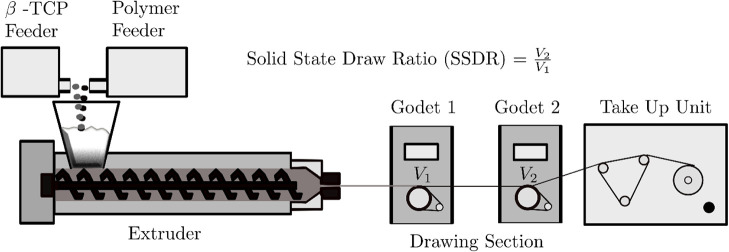 Figure 1
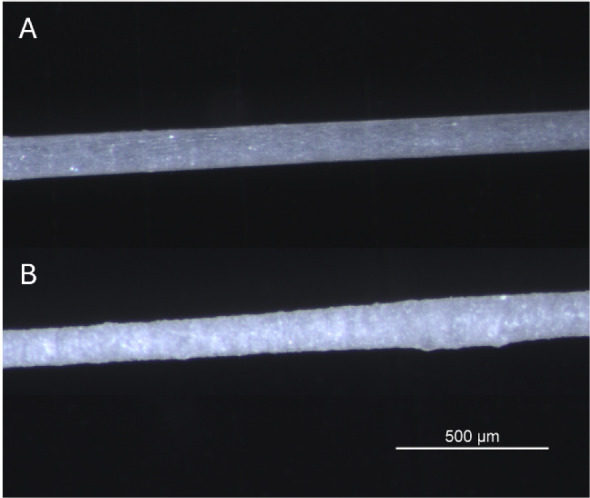 Figure 2
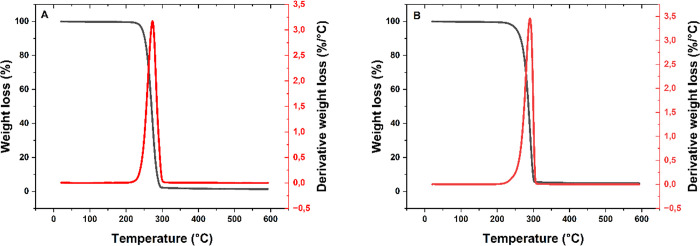 Figure 3
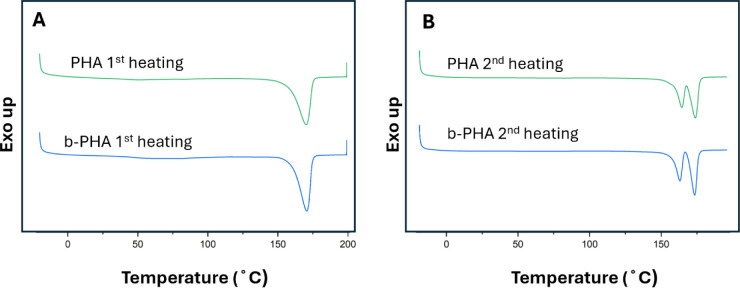 Figure 4
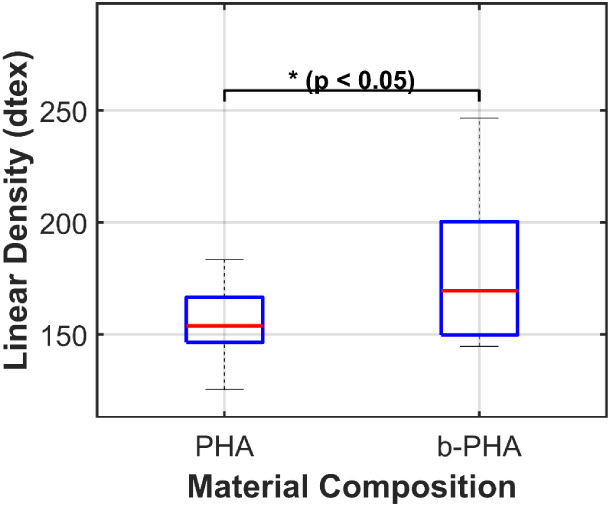 Figure 5
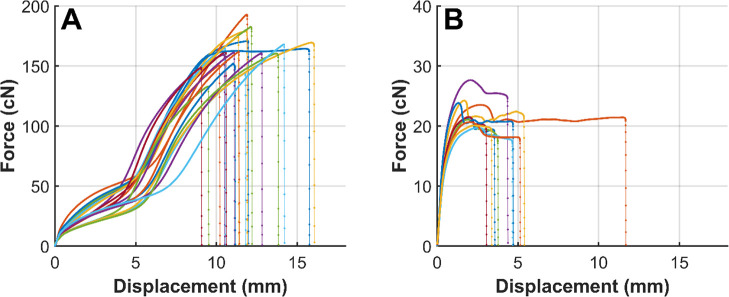 Figure 6
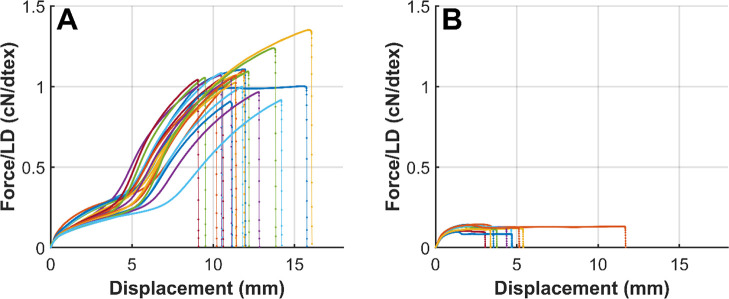 Figure 7
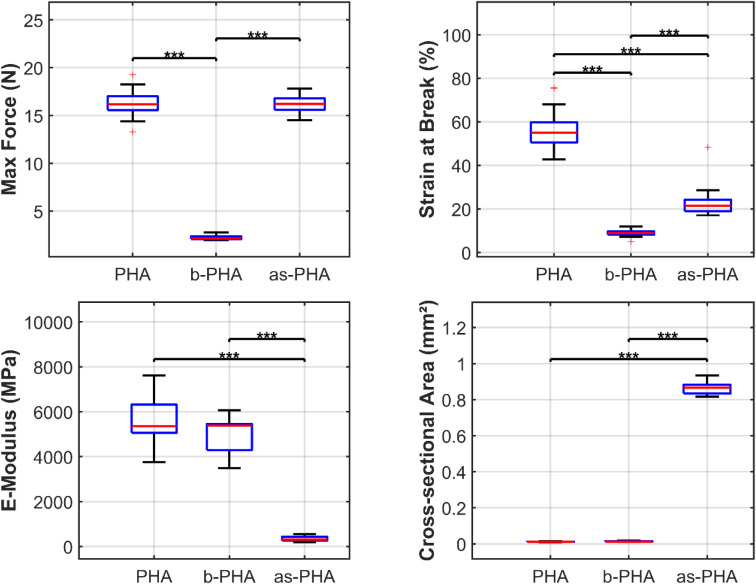 Figure 8
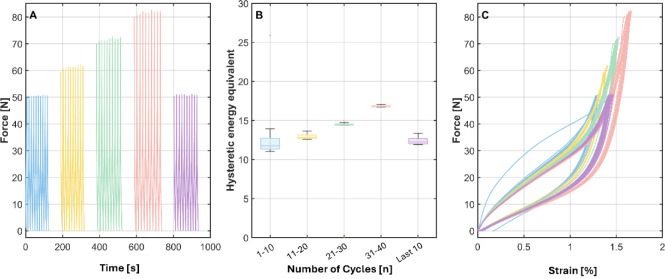 Figure 9
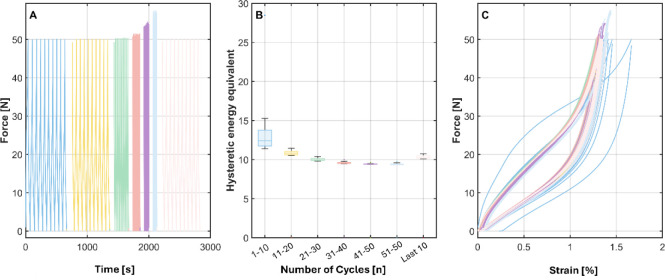 Figure 10
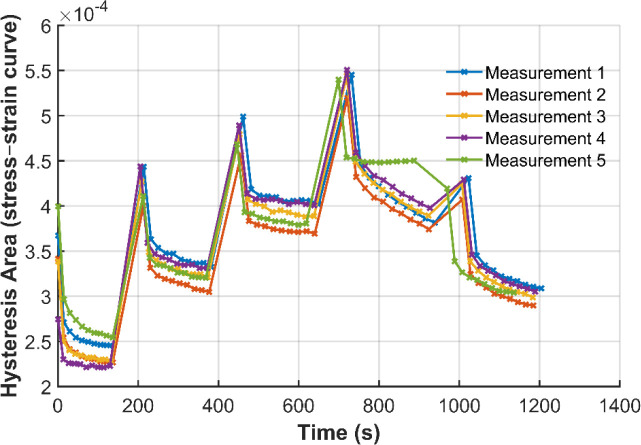 Figure 11
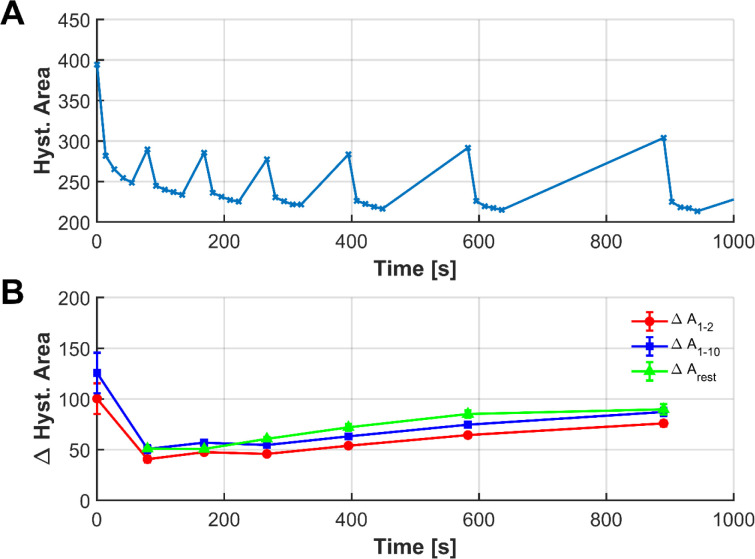 Figure 12
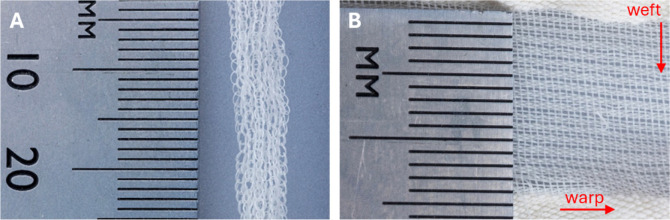 Figure 13
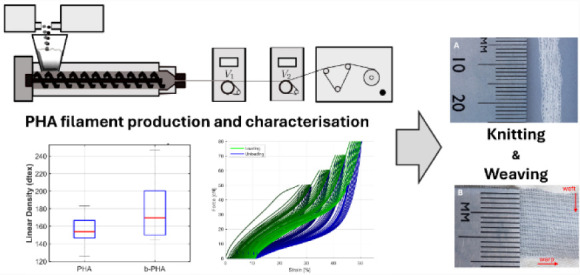 Figure 14
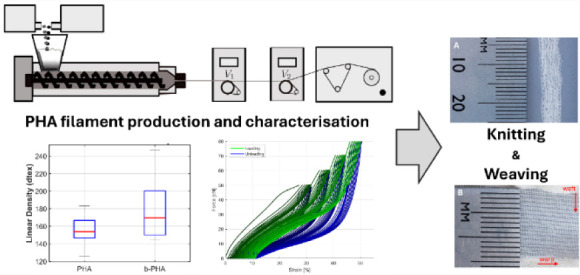 Figure 15
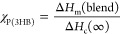 Figure 16
 Figure 17
 Figure 18
Peer Reviews
No public reviews on file for this paper yet. If you reviewed it on a platform where reviews are public (OpenReview, ICLR, NeurIPS, ICML), you can paste yours below so the community can read it here.
Videos
No videos yet. Explain this paper in a talk, walkthrough, or lecture? Add one.
Taxonomy
Topicsbiodegradable polymer synthesis and properties · Polymer crystallization and properties · Dyeing and Modifying Textile Fibers