Valorization of Various Natural Substrates as Alternative Carbon Sources in Fermentation Media for Pullulan Production by Domestic Aureobasidium pullulans AZ‑6
Gamze Nur Mujdeci, Melek Tijen Bozdemir, Zekiye Yesim Ozbas

TL;DR
This study explores using food and agro-industrial waste as low-cost carbon sources for producing pullulan, a valuable polysaccharide, using a domestic strain of Aureobasidium pullulans.
Contribution
The study is the first to investigate sugar beet pulp, melon rind, watermelon rind, onion peel, and carrot peel for pullulan production.
Findings
Molasses yielded the highest pullulan (14.55 g/L) and EPS (17.12 g/L) with a high growth rate.
Sweet potato, onion waste, and carrot peels showed promising pullulan yields (8.24–8.70 g/L).
Cheese whey produced the most biomass but had low pullulan productivity.
Abstract
This study investigates the potential of various agro-industrial and food wastes as alternative carbon sources for cost-effective and sustainable pullulan production by a domestic, melanin-free strain of Aureobasidium pullulans AZ-6. Nine natural substrates, including cheese whey, molasses, grape pomace, sugar beet pulp, melon rind, watermelon rind, onion waste, carrot peels, and sweet potato, were pretreated and used in supplemented fermentation media. Batch fermentations were carried out under optimized conditions (pH 6.48; 24.2 °C; 100 strokes per minute), and biomass, extracellular polysaccharides (EPS), pullulan yields, and sugar consumption kinetics were evaluated. Among the tested substrates, molasses exhibited the highest EPS (17.12 g/L) and pullulan titers (14.55 g/L), as well as the greatest specific growth rate (0.104 h–1). Although cheese whey supported the highest biomass…
Genes, proteins, chemicals, diseases, species, mutations and cell lines named across the full text — each resolved to its canonical identifier and authoritative record.
Click any figure to enlarge with its caption.
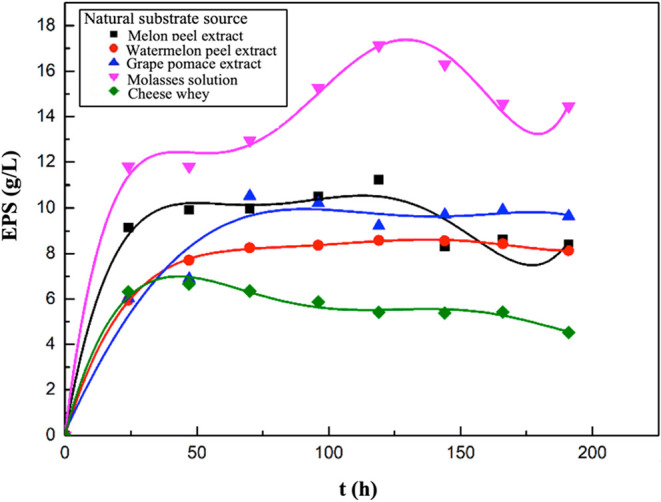 Figure 1
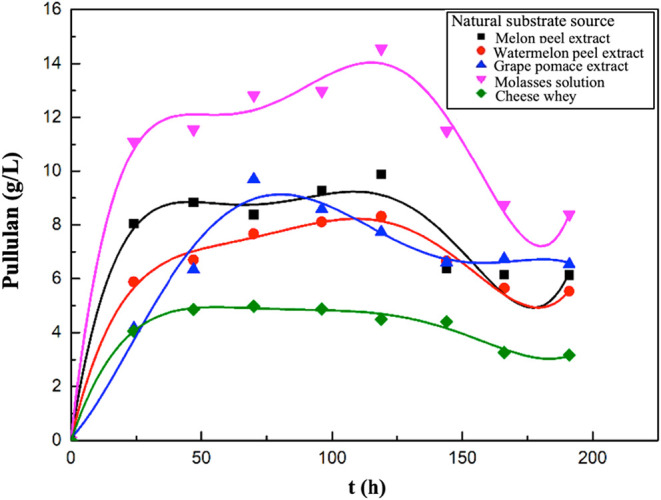 Figure 2
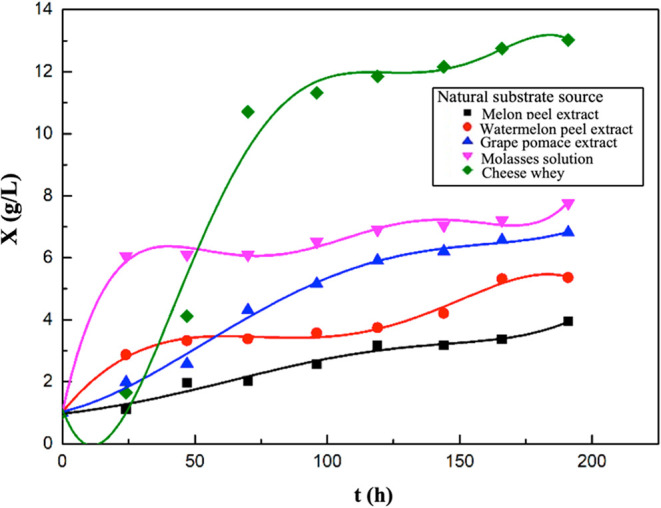 Figure 3
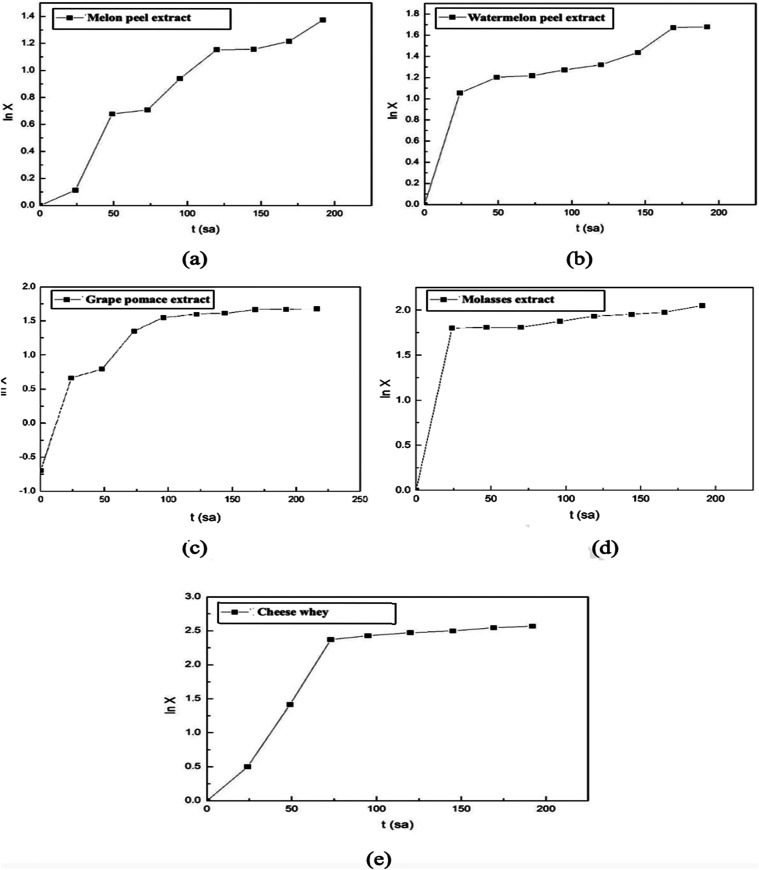 Figure 4
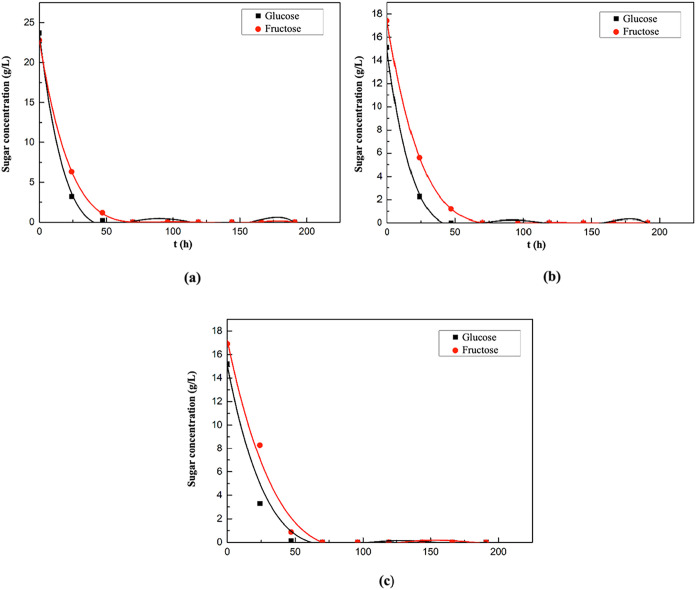 Figure 5
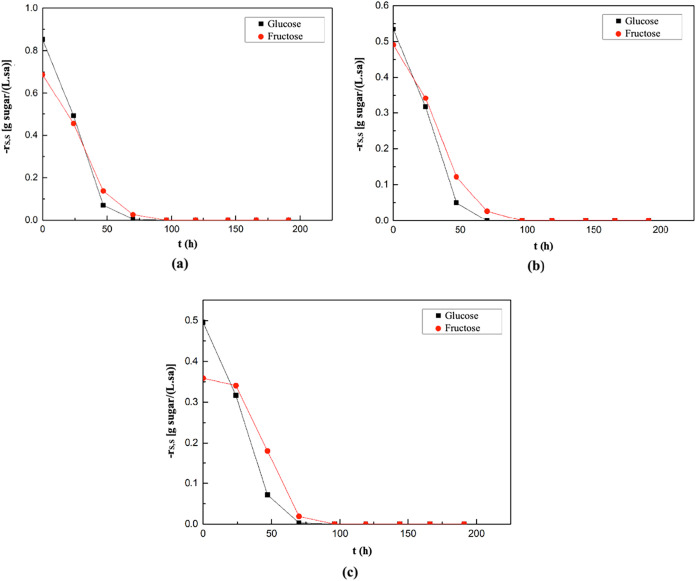 Figure 6
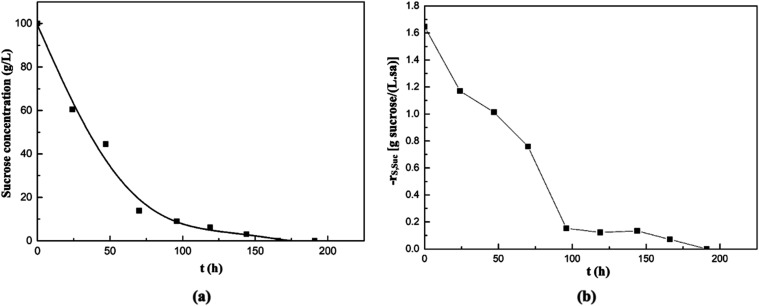 Figure 7
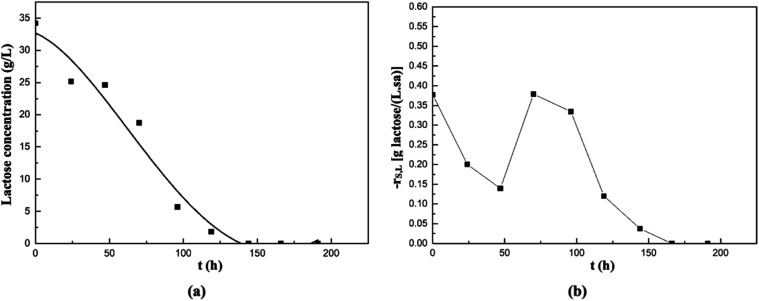 Figure 8
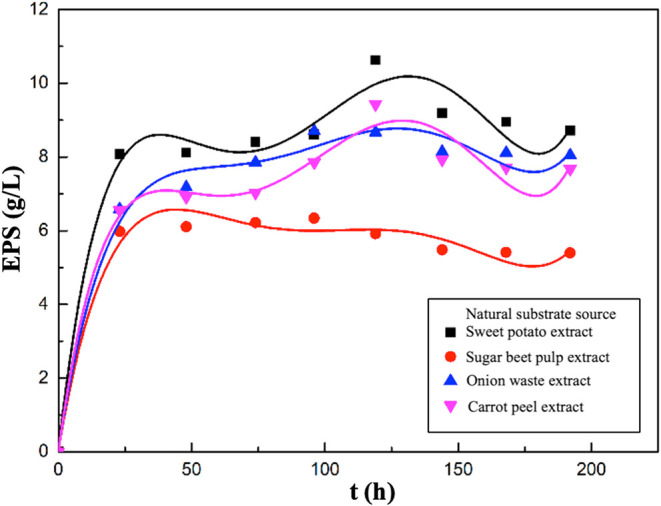 Figure 9
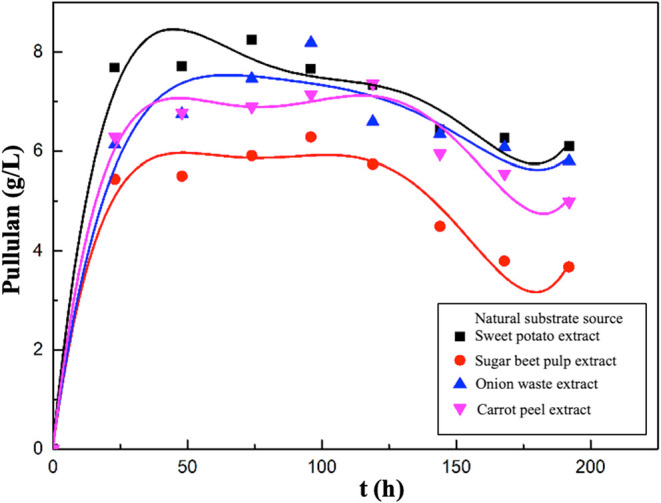 Figure 10
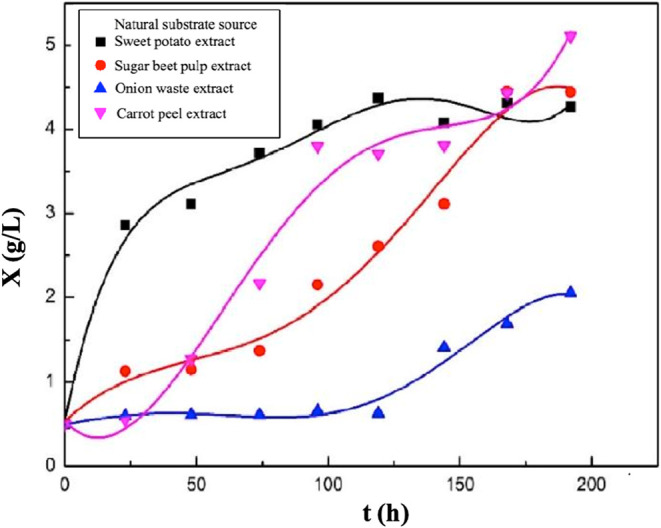 Figure 11
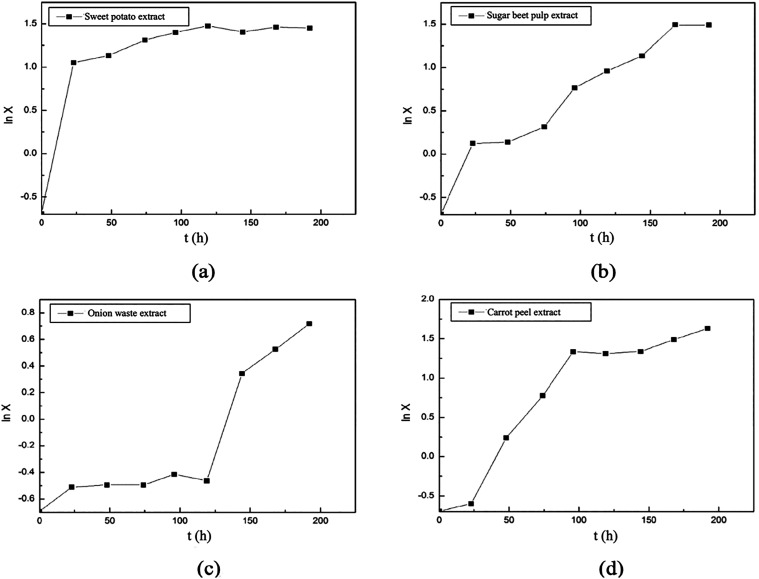 Figure 12
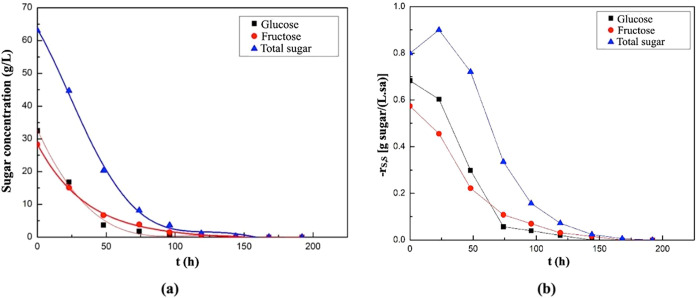 Figure 13
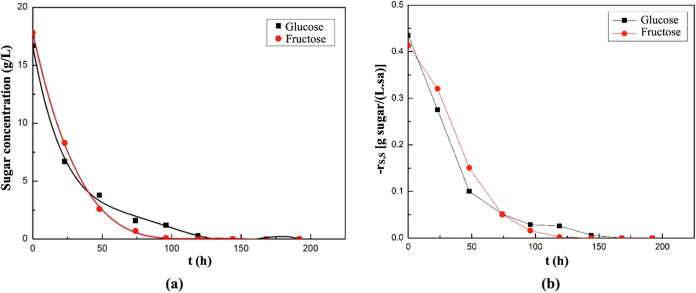 Figure 14
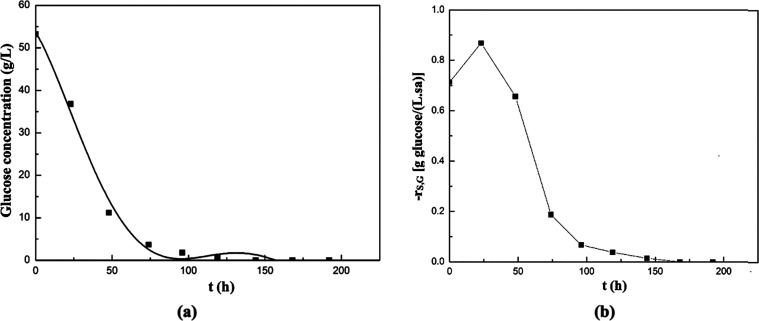 Figure 15
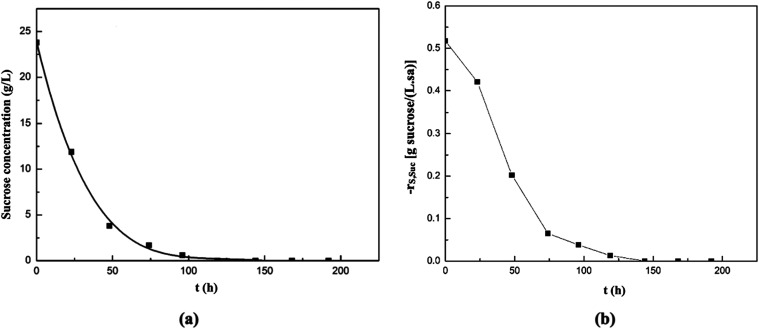 Figure 16
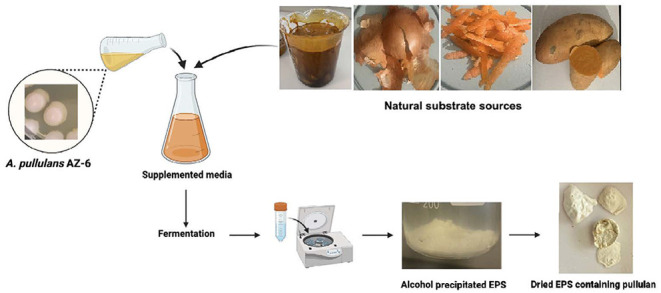 Figure 17
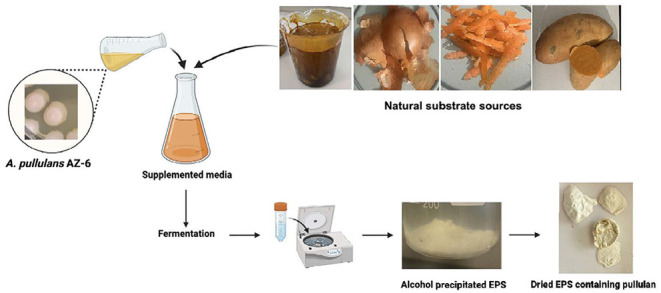 Figure 18
 Figure 19
Peer Reviews
No public reviews on file for this paper yet. If you reviewed it on a platform where reviews are public (OpenReview, ICLR, NeurIPS, ICML), you can paste yours below so the community can read it here.
Videos
No videos yet. Explain this paper in a talk, walkthrough, or lecture? Add one.
Taxonomy
TopicsPolysaccharides Composition and Applications · Polysaccharides and Plant Cell Walls · Food composition and properties