Galantamine–Escitalopram Combination Therapy in Alzheimer’s Comorbid Depression Model in Mice: Role of BDNF/KYN Pathways, Neuroinflammation, and Oxidative Stress
Shivanshu Bajaj, Radhakrishnan Mahesh

TL;DR
Combining escitalopram and galantamine may help treat Alzheimer's-related depression by improving brain function and reducing harmful stress markers.
Contribution
The study introduces a novel combination therapy for Alzheimer's comorbid depression and identifies key biological pathways involved.
Findings
Combined therapy improved depressive symptoms and memory in mice with Alzheimer's and depression.
The treatment normalized brain levels of BDNF, cytokines, kynurenine metabolites, and oxidative stress markers.
Hippocampal integrity was preserved with the combination therapy.
Abstract
Alzheimer’s disease (AD) is the most prevalent form of dementia, accounting for more than two-thirds of cases in older adults. AD is associated with neuropsychiatric symptoms such as depression, anxiety, and sleep disturbances. The coexistence of AD with depression, in particular, poses serious challenges and often results in suboptimal outcomes with conventional therapies. The present study therefore aimed to investigate the therapeutic potential of escitalopram (ESC; SSRI) in combination with galantamine (GAL; AChE inhibitor) on key pathological pathways, including the neurotrophic system, hypothalamic–pituitary–adrenal (HPA) axis, kynurenine pathway, inflammation, and oxidative stress, in an animal model of AD comorbid with depression. Swiss albino mice were subjected to chronic mild stress (CMS) for 21 days and received intrahippocampal administration of amyloid-β peptide to mimic…
Genes, proteins, chemicals, diseases, species, mutations and cell lines named across the full text — each resolved to its canonical identifier and authoritative record.
Click any figure to enlarge with its caption.
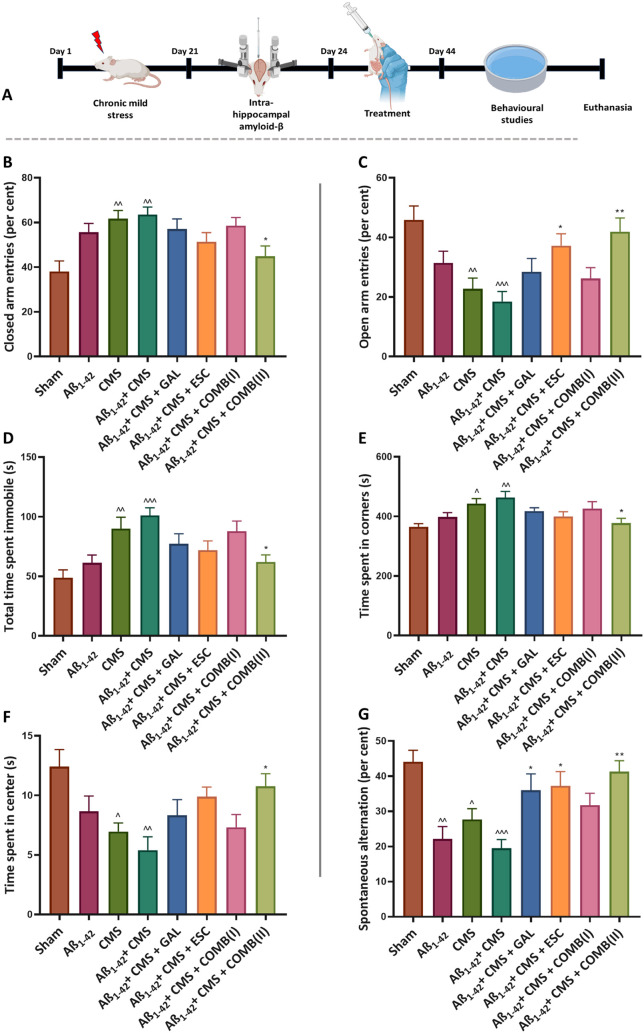 Figure 1
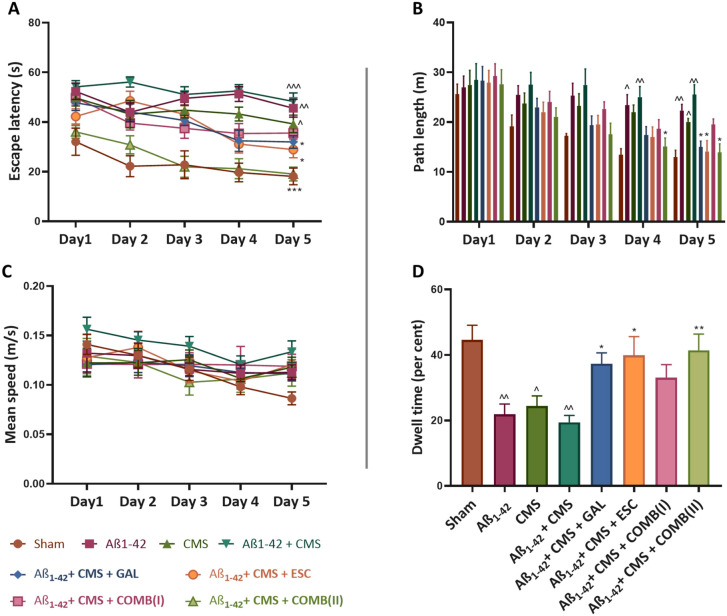 Figure 2
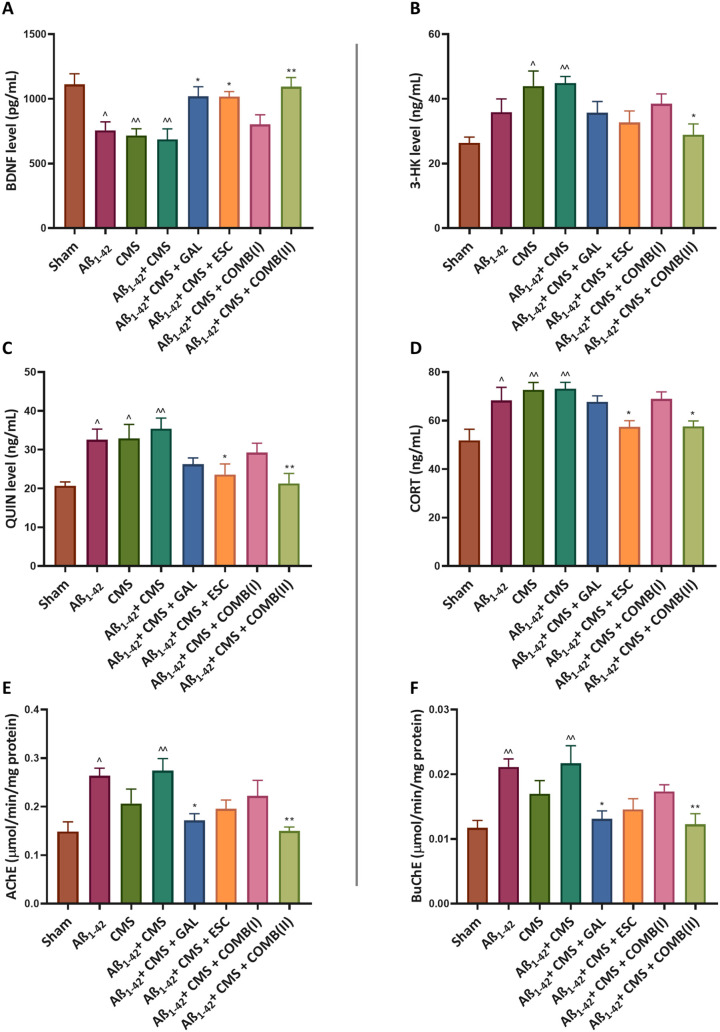 Figure 3
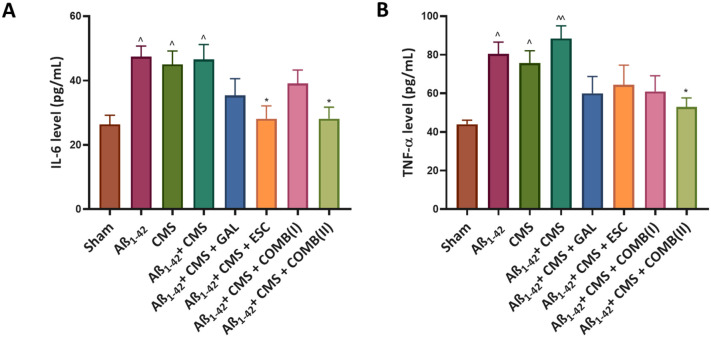 Figure 4
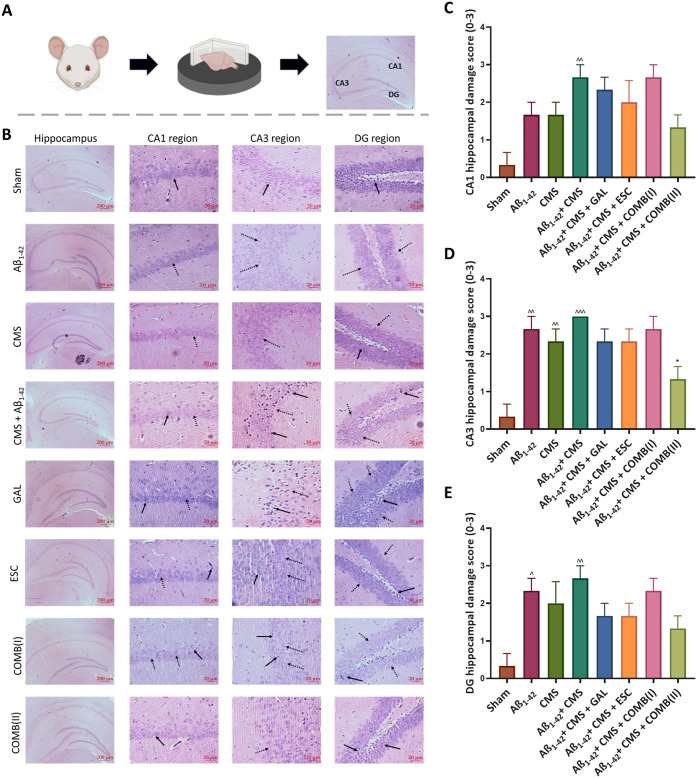 Figure 5
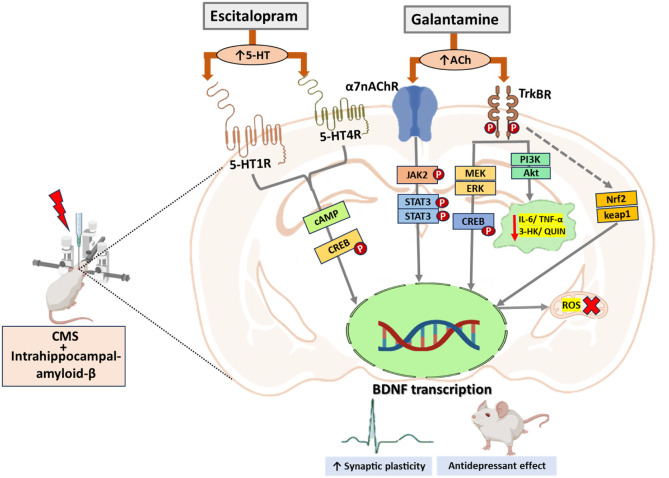 Figure 6
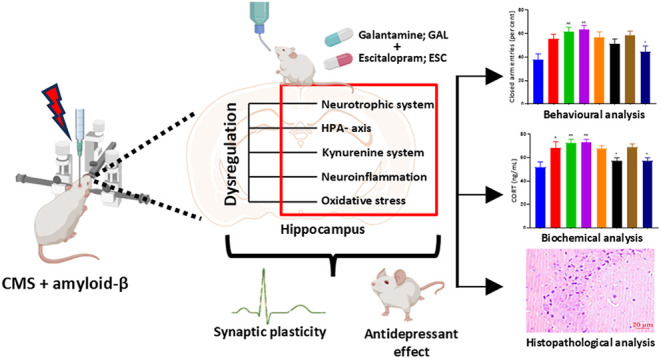 Figure 7
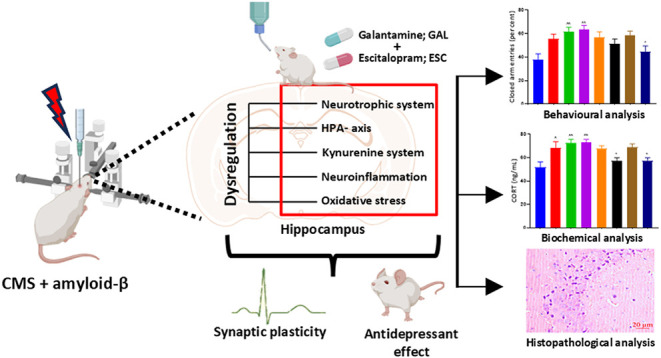 Figure 8
Peer Reviews
No public reviews on file for this paper yet. If you reviewed it on a platform where reviews are public (OpenReview, ICLR, NeurIPS, ICML), you can paste yours below so the community can read it here.
Videos
No videos yet. Explain this paper in a talk, walkthrough, or lecture? Add one.
Taxonomy
TopicsTryptophan and brain disorders · Neuroinflammation and Neurodegeneration Mechanisms · Neurotransmitter Receptor Influence on Behavior