Soft palate (dulla) injuries in camels (Camelus dromedarius): clinical, hematobiochemical, histopathological findings and treatment outcomes
Madeh Sadan, Faris Aldakhil, Mohie Haridy, Fahad Abdullah Alshanbari, Walid Refaai

TL;DR
This study examines soft palate injuries in camels, identifying different types of injuries and treatment outcomes using clinical, biochemical, and histopathological methods.
Contribution
The study provides the first detailed description of clinical, hematobiochemical, and histopathological features of soft palate disorders in dromedary camels.
Findings
Seven distinct categories of dulla injuries were identified in camels, including lacerated wounds, protrusions, and abscesses.
Surgical excision of the affected dulla was found to be an effective and reliable treatment for managing these conditions.
Hematobiochemical analysis showed significant changes in sodium, potassium, and other parameters after treatment.
Abstract
The soft palate, particularly the dulla, plays a crucial role in swallowing and maintaining airway function in dromedary camels (Camelus dromedarius). Damage to the dulla can negatively impact the health and productivity of these animals. This study provides the first detailed description of the clinical, hematobiochemical, and histopathological features of soft palate (dulla) disorders, along with the surgical management of these conditions, in dromedary camels (Camelus dromedarius). A total of 31 dromedary camels diagnosed with dulla disorders were examined through clinical, laboratory, and pathological evaluations. Seven distinct categories of dulla injuries were identified: lacerated wounds (7; 22.58%), protrusions (7; 22.58%), feed impaction (5; 16.12%), canine tooth puncture wounds (4; 12.9%), abscesses (3; 9.67%), hematomas (3; 9.67%), and gangrene (2; 6.45%). The clinical…
Genes, proteins, chemicals, diseases, species, mutations and cell lines named across the full text — each resolved to its canonical identifier and authoritative record.
Click any figure to enlarge with its caption.
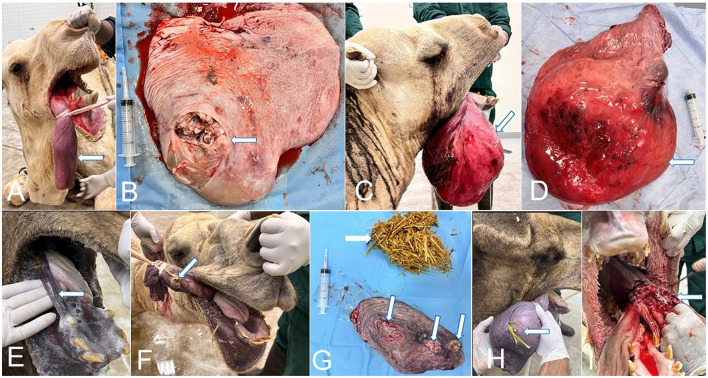 Figure 1
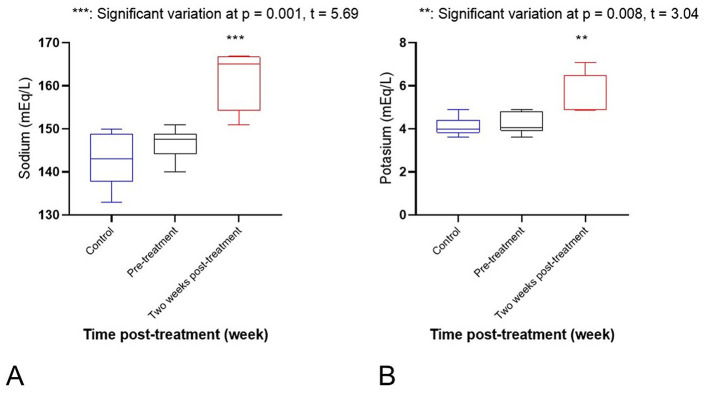 Figure 2
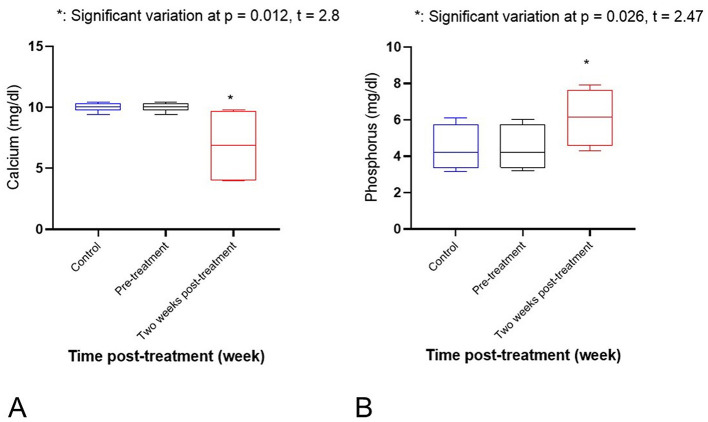 Figure 3
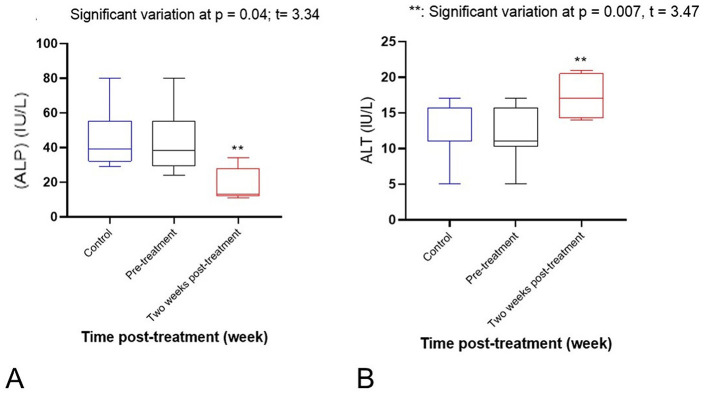 Figure 4
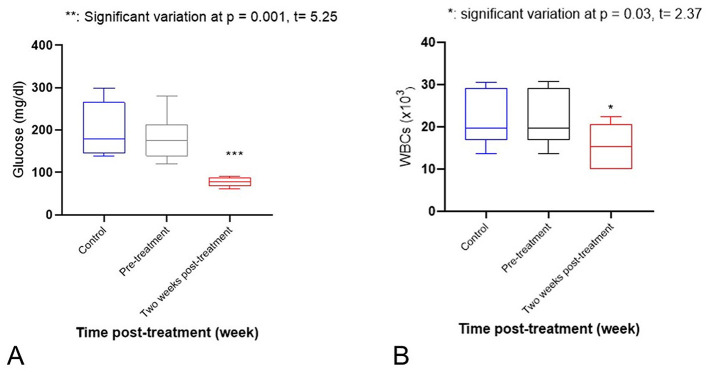 Figure 5
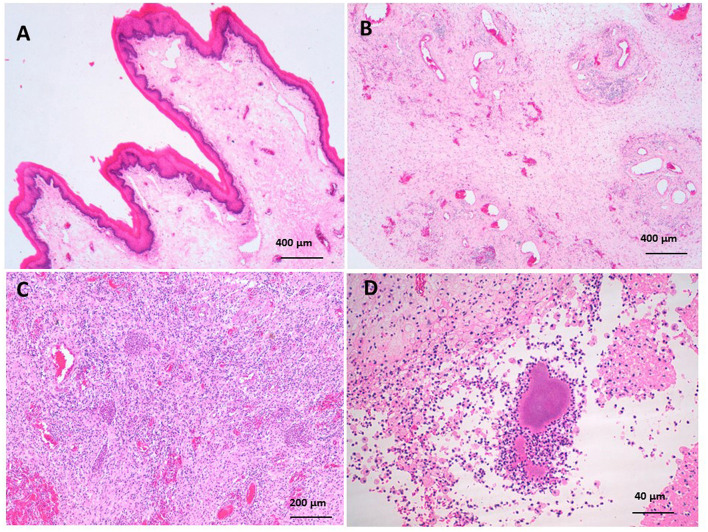 Figure 6
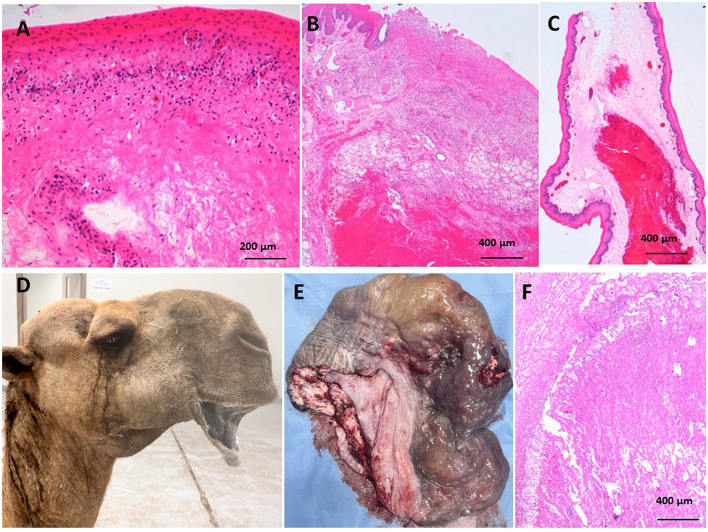 Figure 7
Peer Reviews
No public reviews on file for this paper yet. If you reviewed it on a platform where reviews are public (OpenReview, ICLR, NeurIPS, ICML), you can paste yours below so the community can read it here.
Videos
No videos yet. Explain this paper in a talk, walkthrough, or lecture? Add one.
Taxonomy
TopicsAnimal Diversity and Health Studies · Pediatric health and respiratory diseases · Veterinary Equine Medical Research