Design and optimization of simplified inhibitors targeting Escherichia coli and Klebsiella pneumoniae IspE
Danica J. Walsh, Rawia Hamid, Tim Giele, Norbert Reiling, Matthias Rottmann, Mostafa M. Hamed, Anna K. H. Hirsch

TL;DR
Researchers designed simplified inhibitors targeting the IspE enzyme in bacteria, showing potential as antibacterial agents.
Contribution
The study introduces simplified amide analogues that effectively target IspE with improved synthetic accessibility.
Findings
Several low-micromolar inhibitors were identified against E. coli and K. pneumoniae IspE.
The hydrophobic pocket near the cytidine-binding region is crucial for inhibitor potency.
Simplified amide analogues show effective engagement with the IspE active site.
Abstract
The methylerythritol phosphate (MEP) pathway is essential for isoprenoid biosynthesis in many pathogenic bacteria but is absent in humans, making its enzymes attractive antibacterial targets. IspE catalyzes the ATP-dependent phosphorylation of 4-diphosphocytidyl-2-C-methylerythritol, a key step in this pathway. Using a previously identified optimized hit as a starting point, we designed and synthesized a focused library of twelve simplified analogues that retained essential pharmacophoric features while improving synthetic accessibility. Docking studies with Escherichia coli IspE guided the design and predicted binding orientations consistent with known ligand interactions. Biochemical evaluation of the library against E. coli and Klebsiella pneumoniae IspE revealed several low-micromolar inhibitors, confirming the predicted binding interactions. Structure–activity relationships…
Genes, proteins, chemicals, diseases, species, mutations and cell lines named across the full text — each resolved to its canonical identifier and authoritative record.
Click any figure to enlarge with its caption.
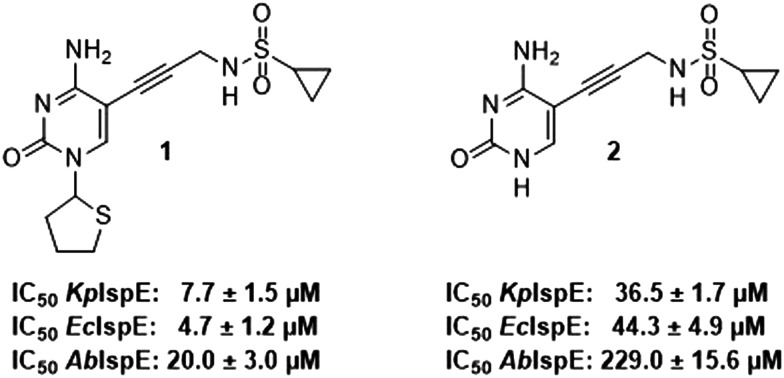 Figure 1
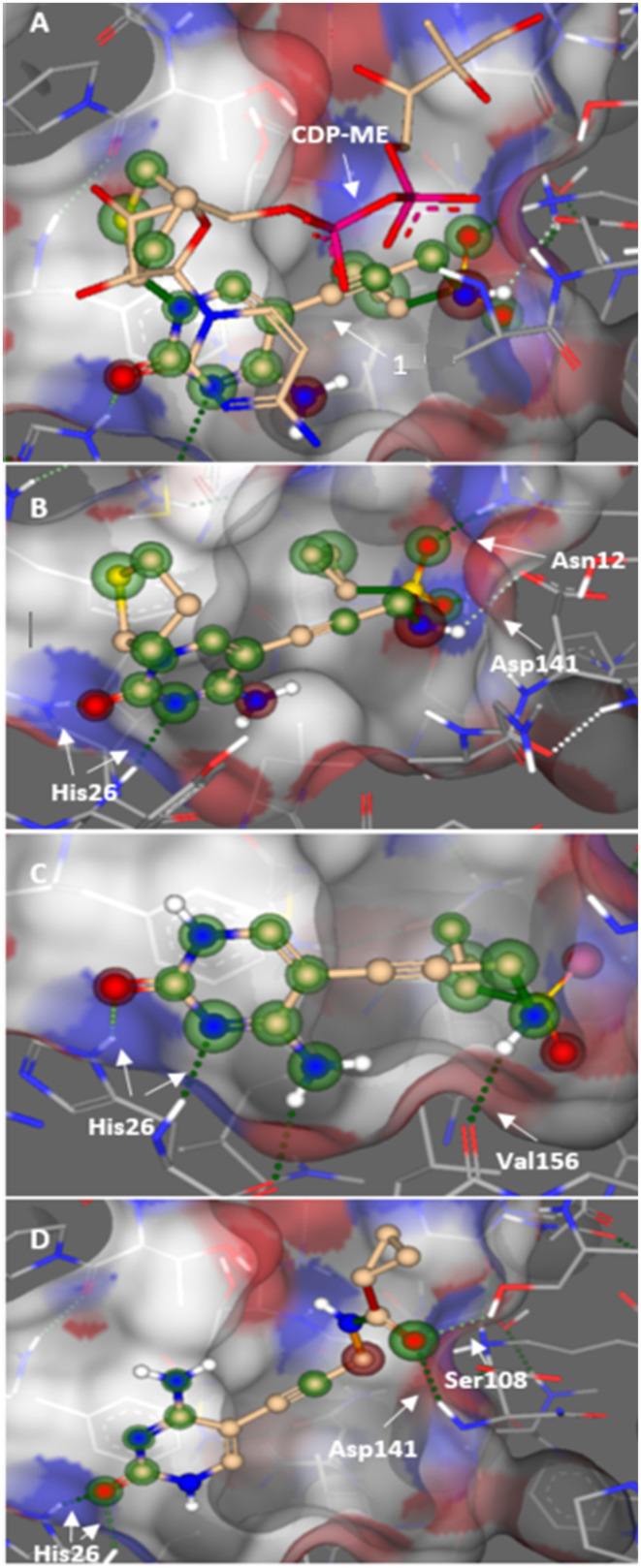 Figure 2
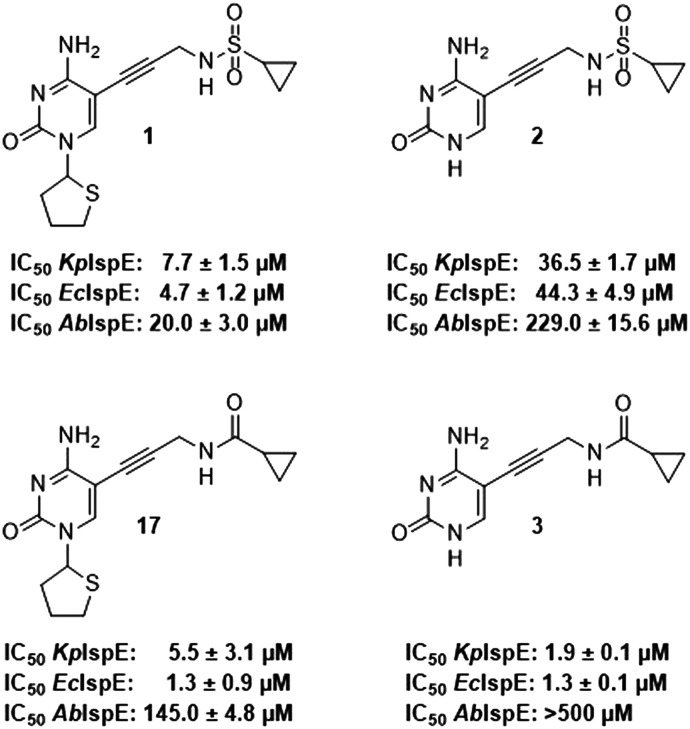 Figure 3
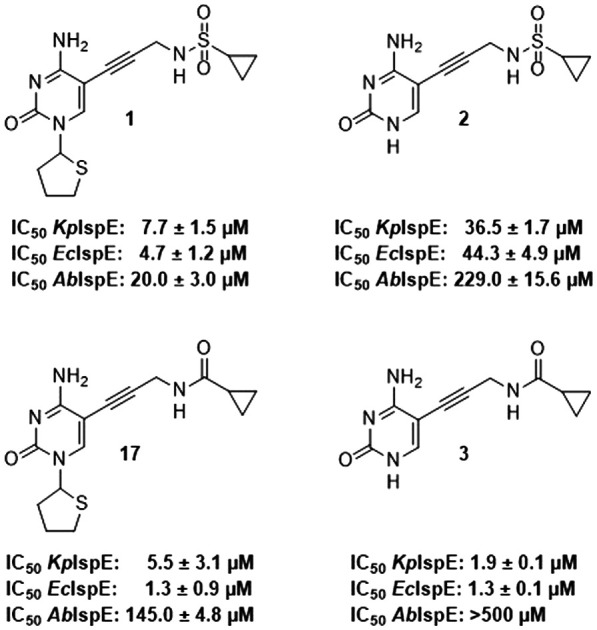 Figure 4
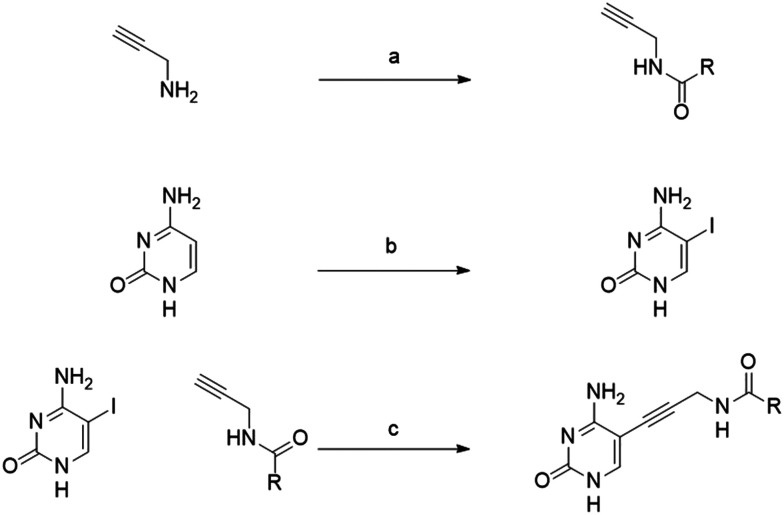 Figure 5
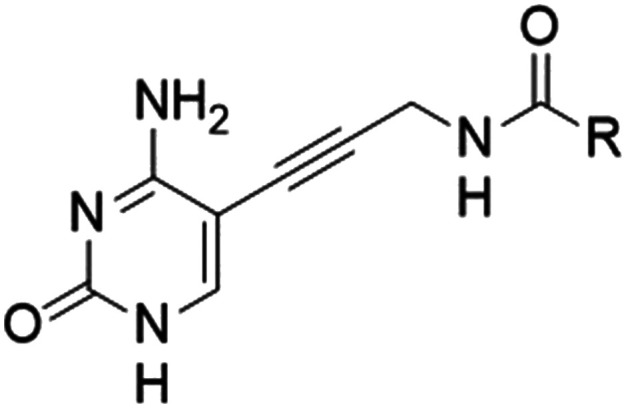 Figure 6
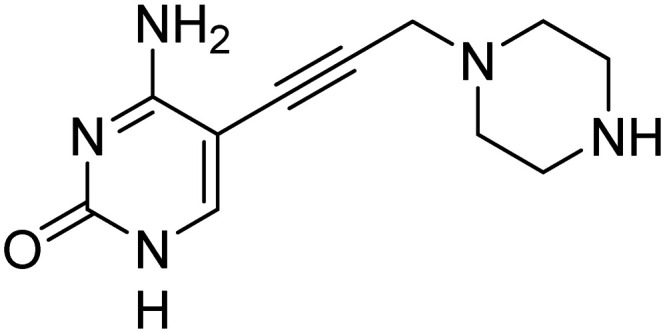 Figure 7
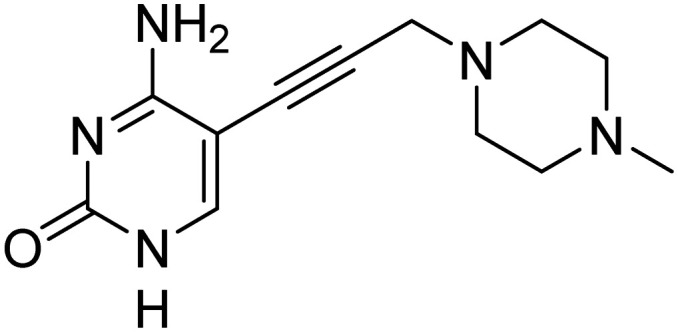 Figure 8
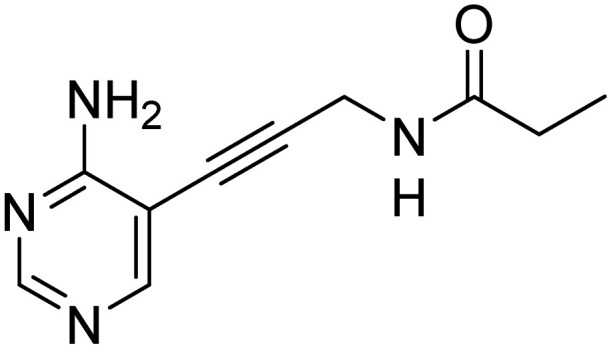 Figure 9
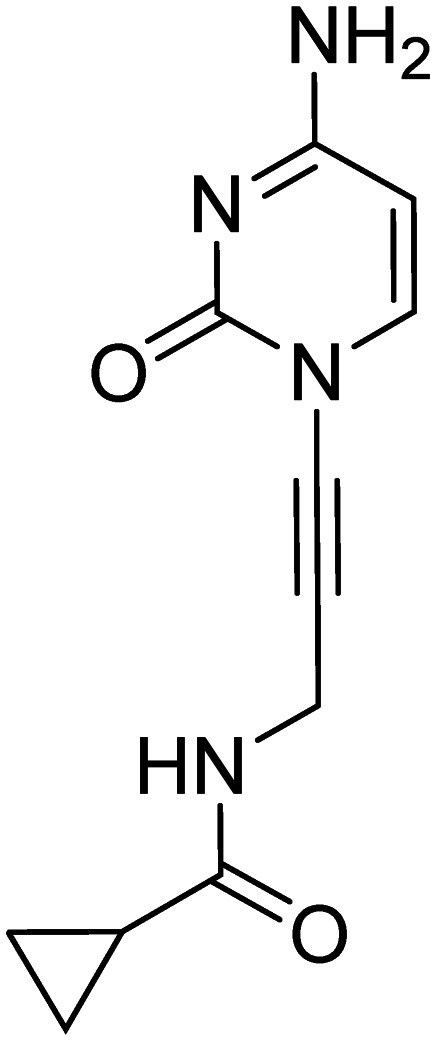 Figure 10
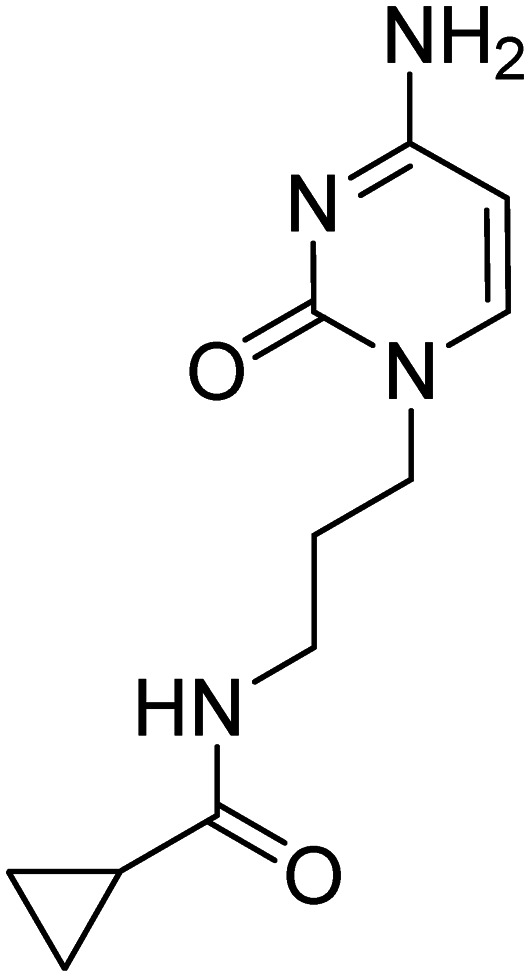 Figure 11
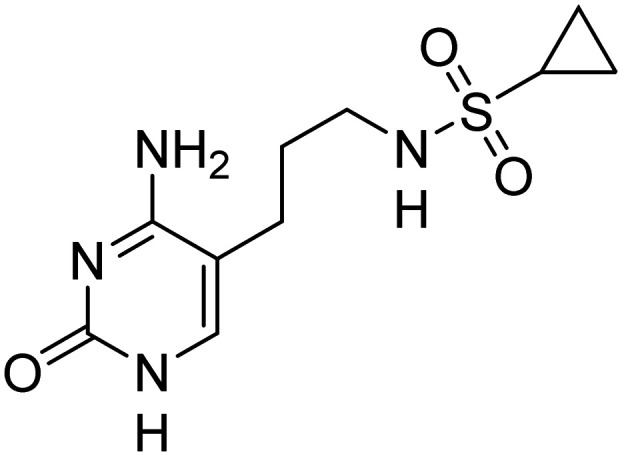 Figure 12
Peer Reviews
No public reviews on file for this paper yet. If you reviewed it on a platform where reviews are public (OpenReview, ICLR, NeurIPS, ICML), you can paste yours below so the community can read it here.
Videos
No videos yet. Explain this paper in a talk, walkthrough, or lecture? Add one.
Taxonomy
TopicsPlant biochemistry and biosynthesis · ATP Synthase and ATPases Research · Microbial Natural Products and Biosynthesis