Empagliflozin Alleviates Arsenic Trioxide–Induced Nephrotoxicity by Activating the SIRT1/Akt/Nrf2 Pathway
Chunrong Pang, Wenlei Zhang, Chenli Yue, Haoxuan Li, Jinyan Li, Xinru Wang, Xinsheng Duan, Longyu Li, Zengliang Gao, Xin Hai

TL;DR
Empagliflozin reduces kidney damage caused by arsenic trioxide treatment by activating a protective pathway in the kidneys.
Contribution
This study is the first to show that empagliflozin can alleviate arsenic trioxide-induced nephrotoxicity through the SIRT1/Akt/Nrf2 pathway.
Findings
Empagliflozin improves renal function and reduces kidney structural damage in mice exposed to arsenic trioxide.
Empagliflozin inhibits oxidative stress and apoptosis in HEK293T cells treated with arsenic trioxide.
Empagliflozin activates the SIRT1/Akt/Nrf2 pathway and restores autophagy dysfunction caused by arsenic trioxide.
Abstract
Arsenic trioxide (ATO), utilized in the treatment of acute promyelocytic leukemia (APL), presents significant renal toxicity that restricts its clinical usage. The potential effects of empagliflozin (EMPA) on ATO‐induced nephrotoxicity remain unexplored. This study aims to investigate whether EMPA can alleviate ATO‐induced nephrotoxicity in both animal and cellular models, as well as to further explore the underlying mechanisms. EMPA can improve renal function in mice and alleviate ATO‐induced structural damage to the kidneys. EMPA treatment effectively inhibits ATO‐induced oxidative stress and reduces apoptosis. EMPA significantly decreases the production of ROS in cultured HEK293T cells, lowers the apoptotic rate, and safeguards mitochondrial function. EMPA upregulates the SIRT1/Akt/Nrf2 pathway and addresses ATO‐induced autophagy dysfunction. These findings suggest that EMPA may…
Genes, proteins, chemicals, diseases, species, mutations and cell lines named across the full text — each resolved to its canonical identifier and authoritative record.
Click any figure to enlarge with its caption.
 Figure 1
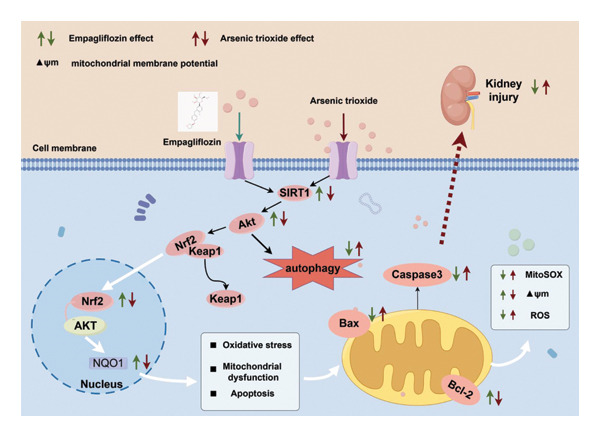 Figure 2
 Figure 3
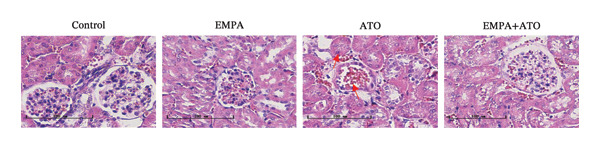 Figure 4
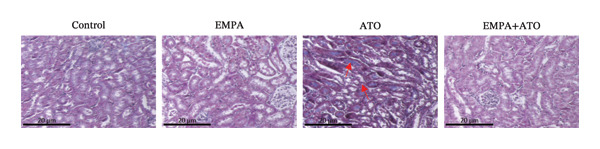 Figure 5
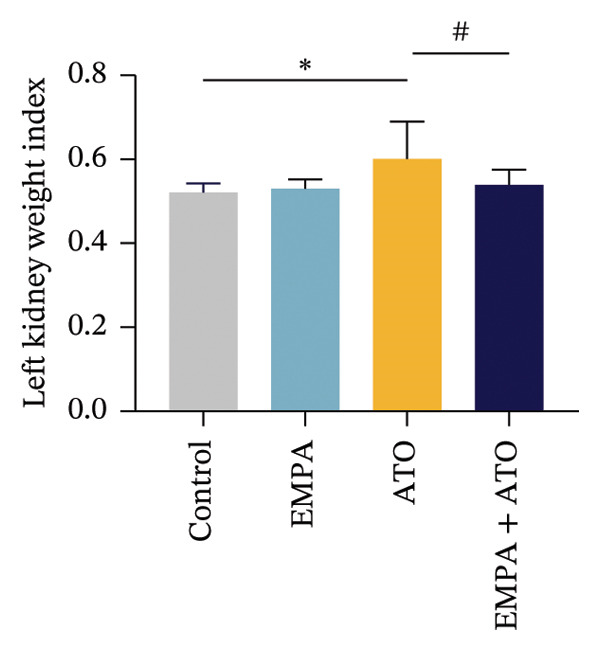 Figure 6
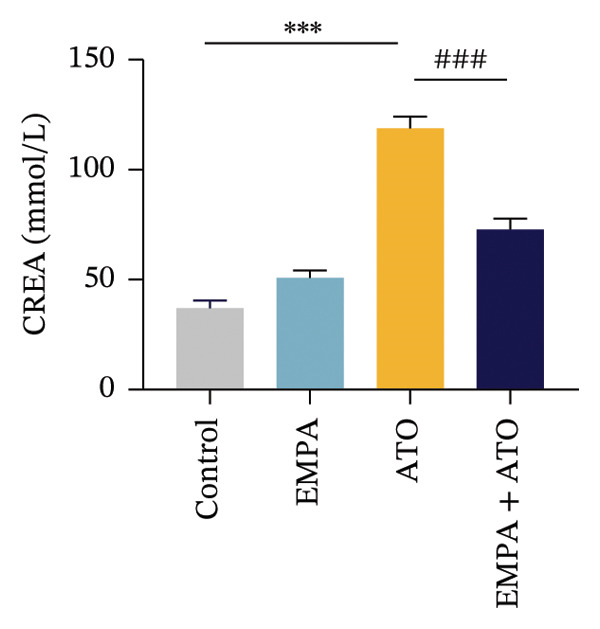 Figure 7
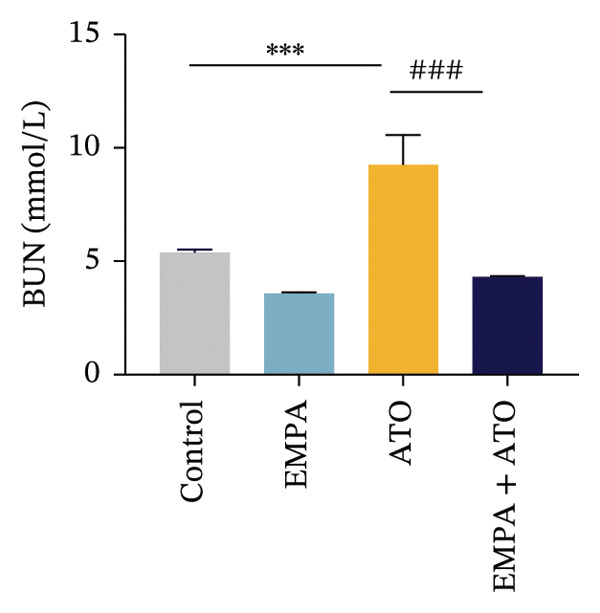 Figure 8
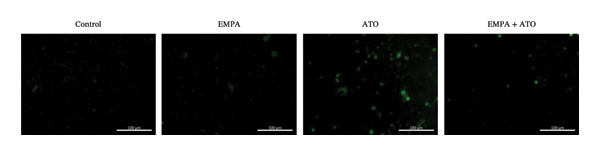 Figure 9
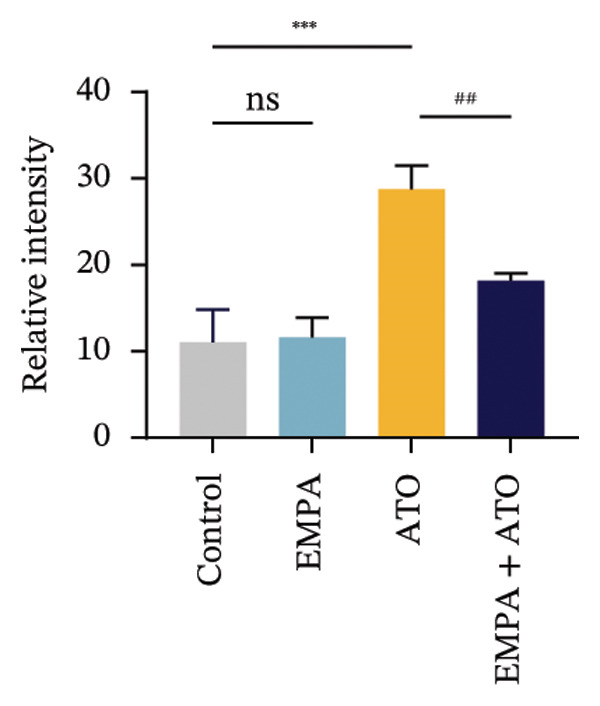 Figure 10
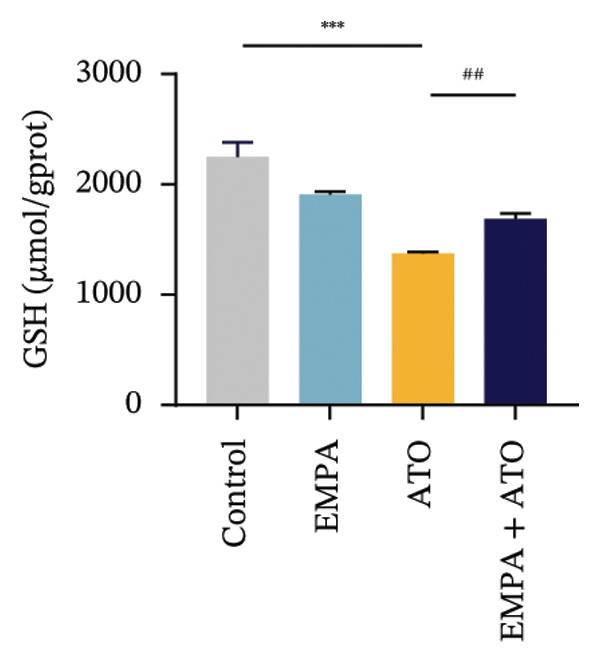 Figure 11
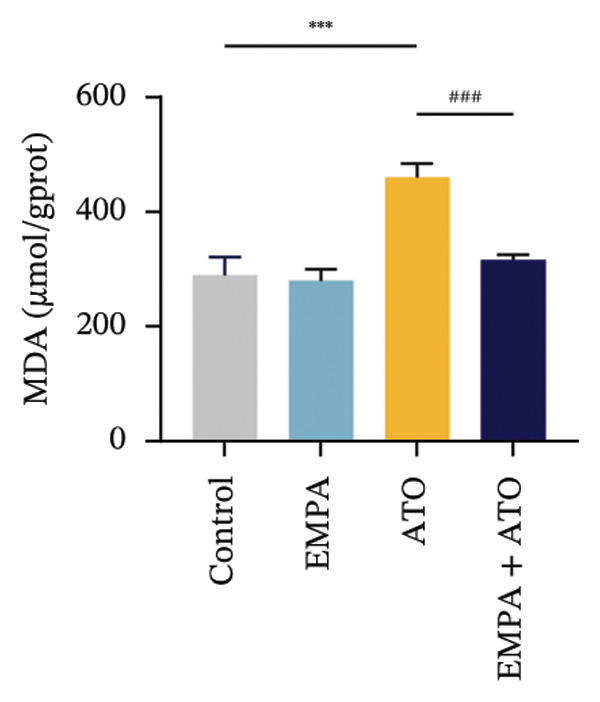 Figure 12
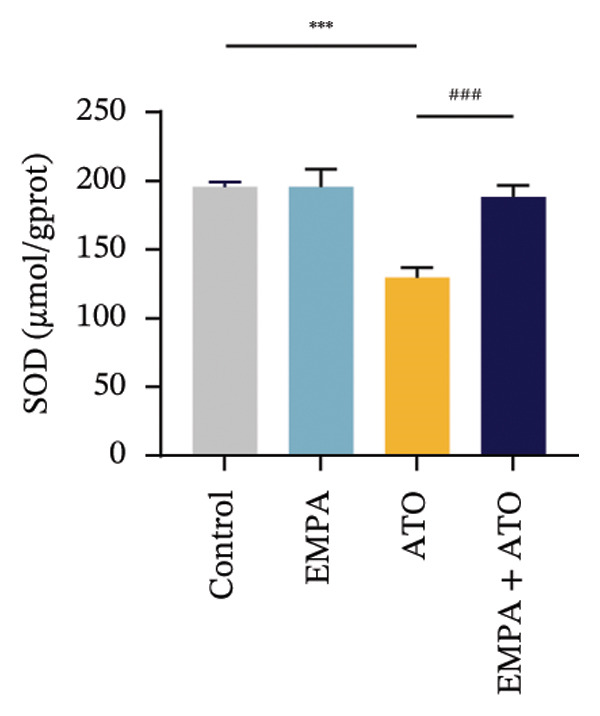 Figure 13
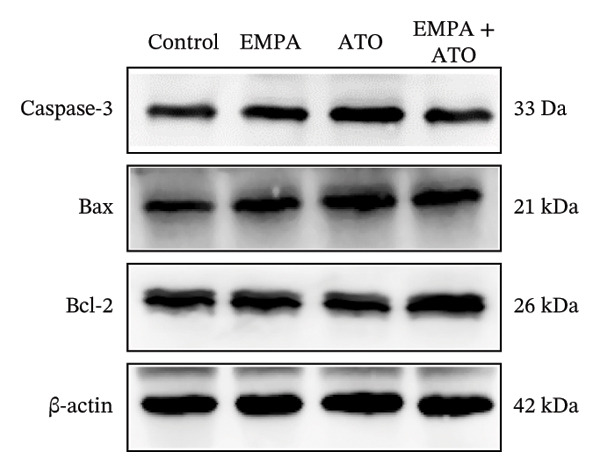 Figure 14
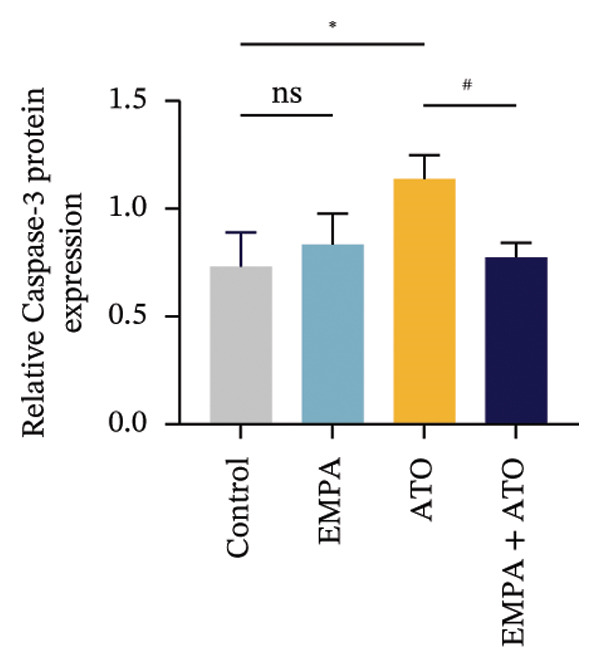 Figure 15
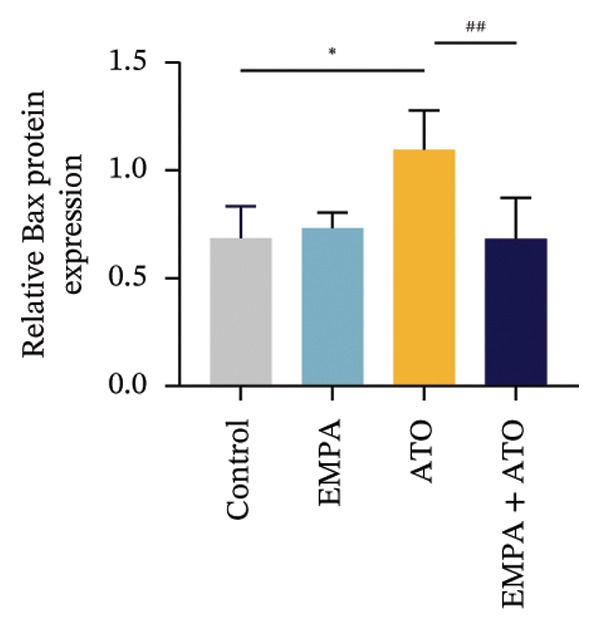 Figure 16
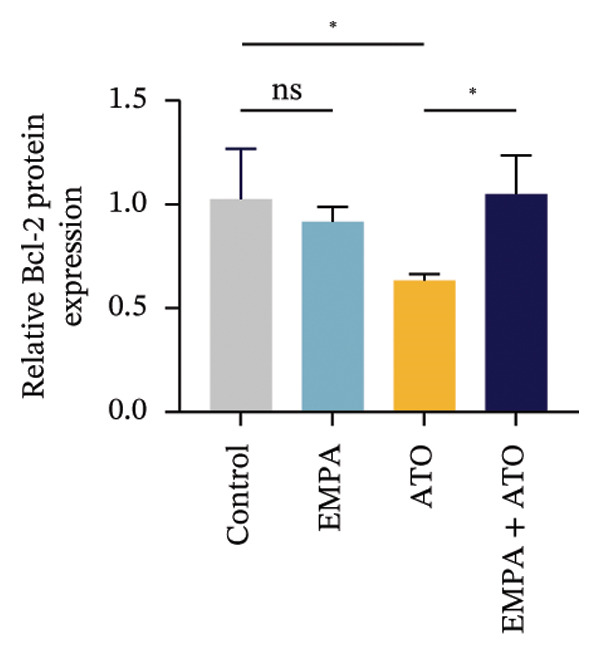 Figure 17
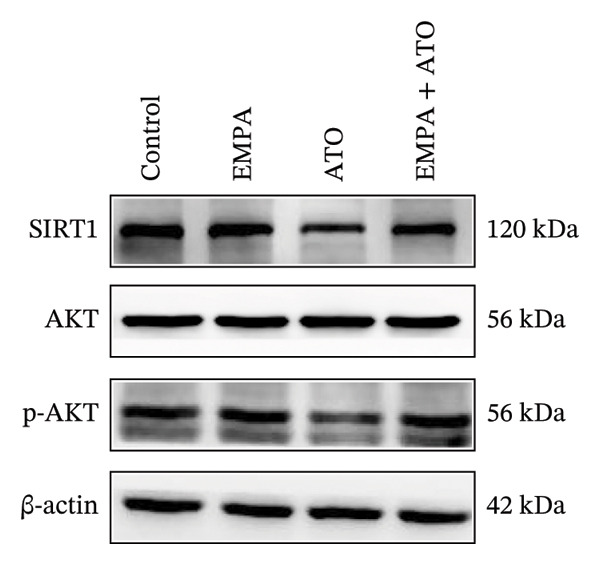 Figure 18
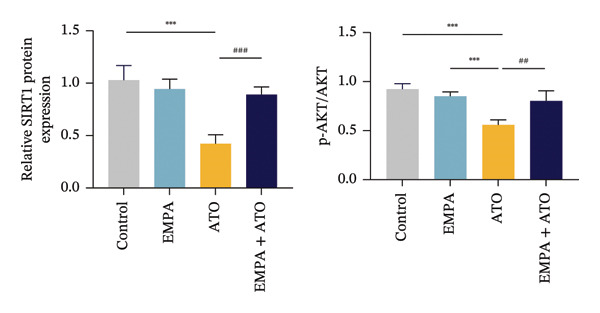 Figure 19
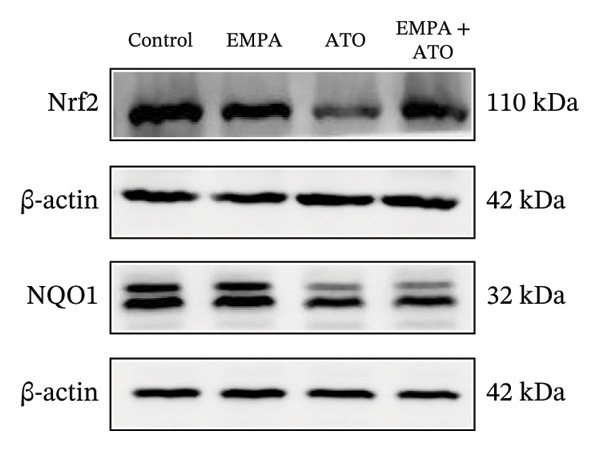 Figure 20
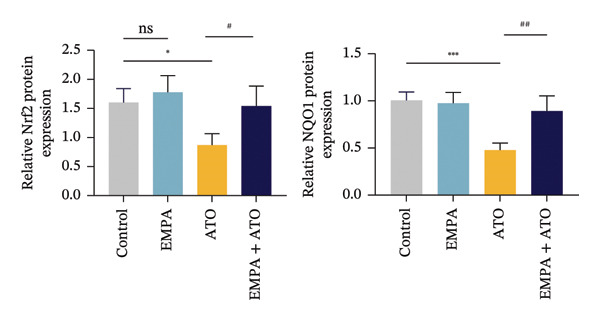 Figure 21
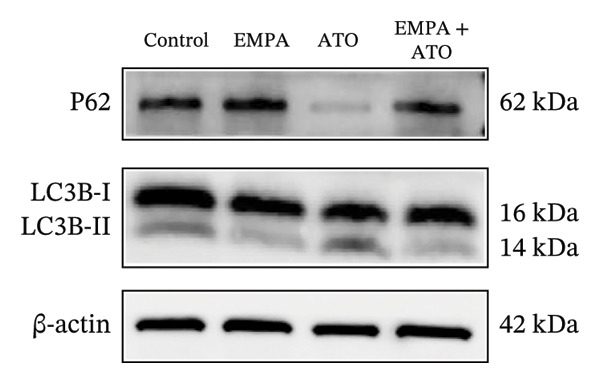 Figure 22
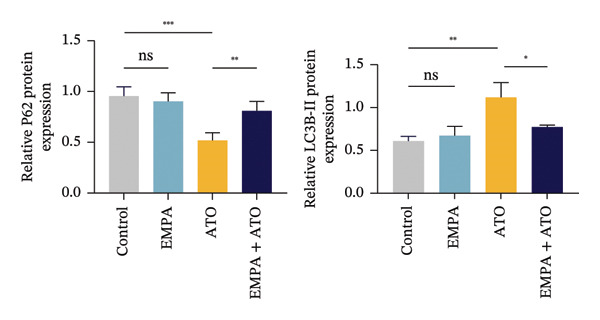 Figure 23
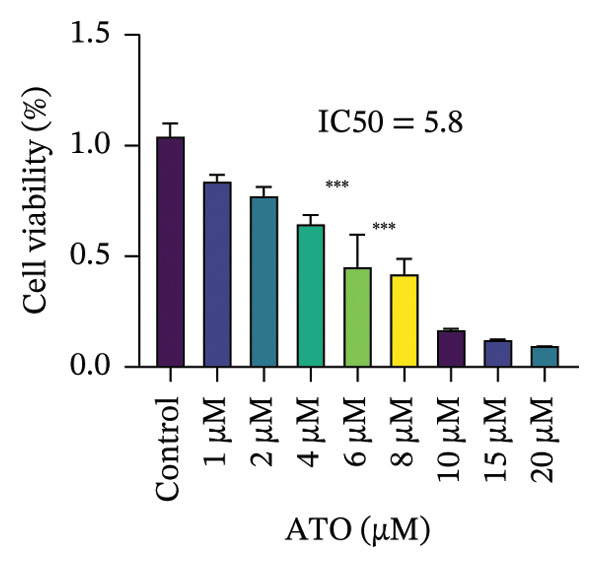 Figure 24
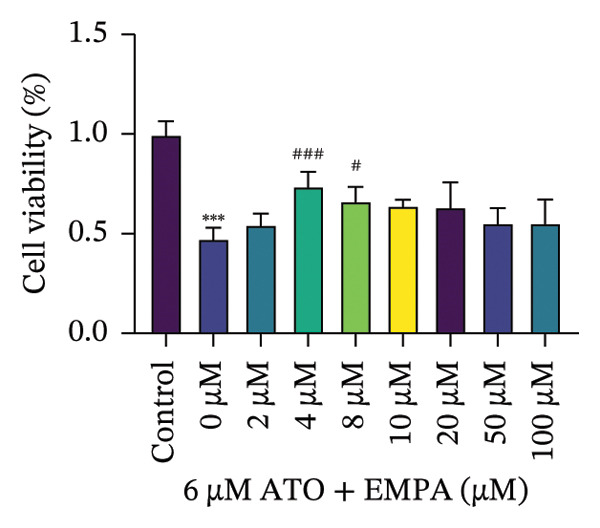 Figure 25
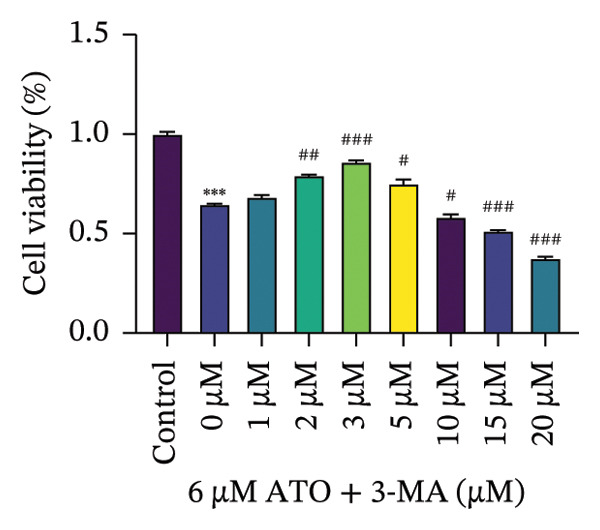 Figure 26
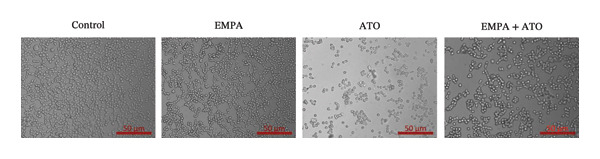 Figure 27
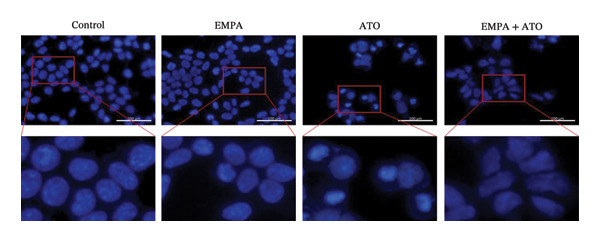 Figure 28
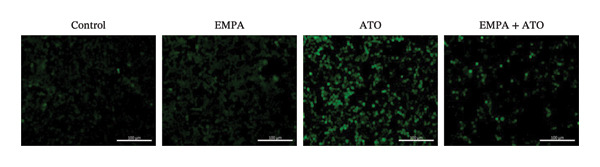 Figure 29
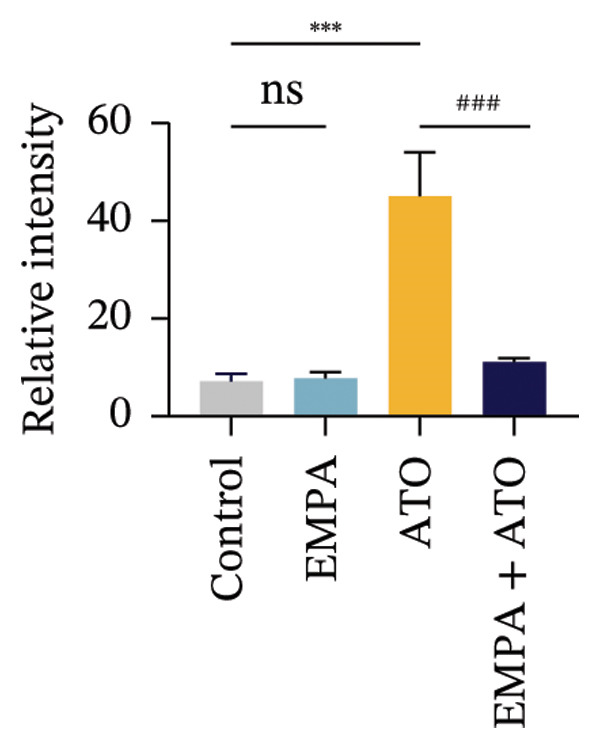 Figure 30
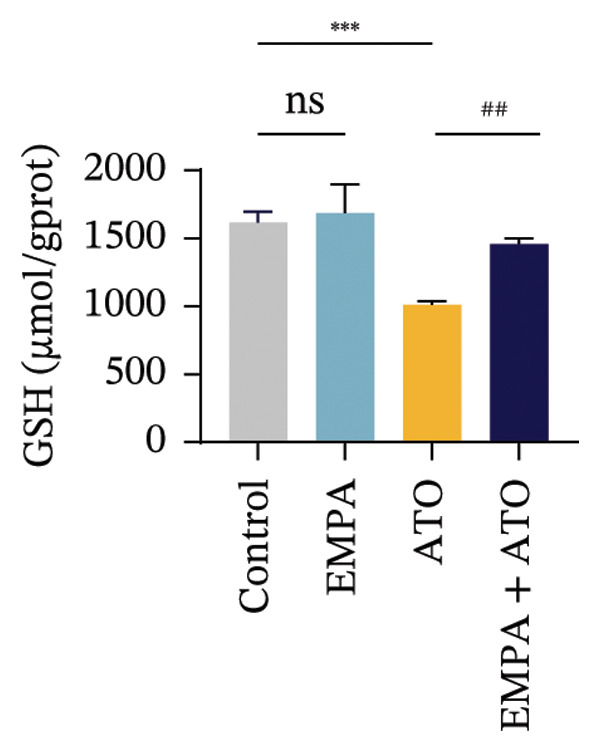 Figure 31
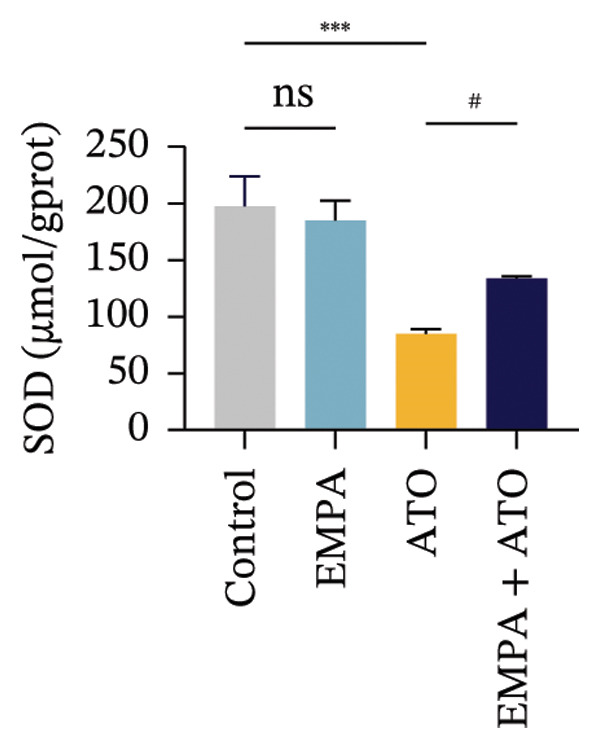 Figure 32
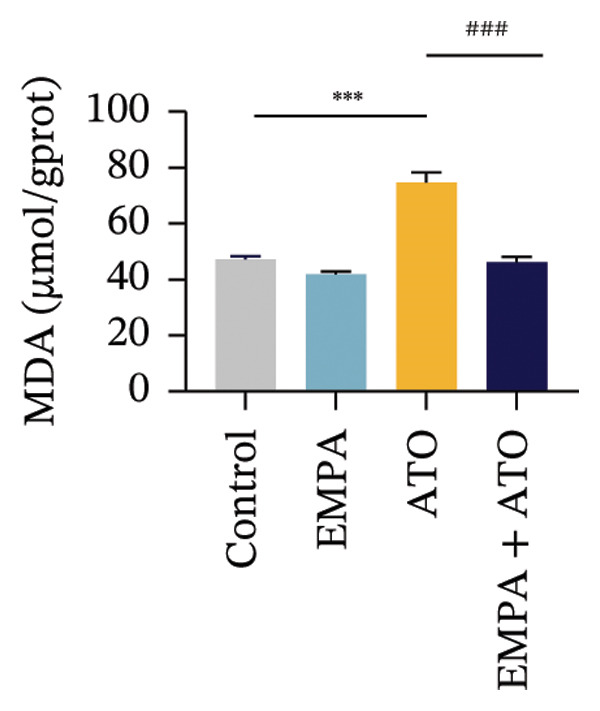 Figure 33
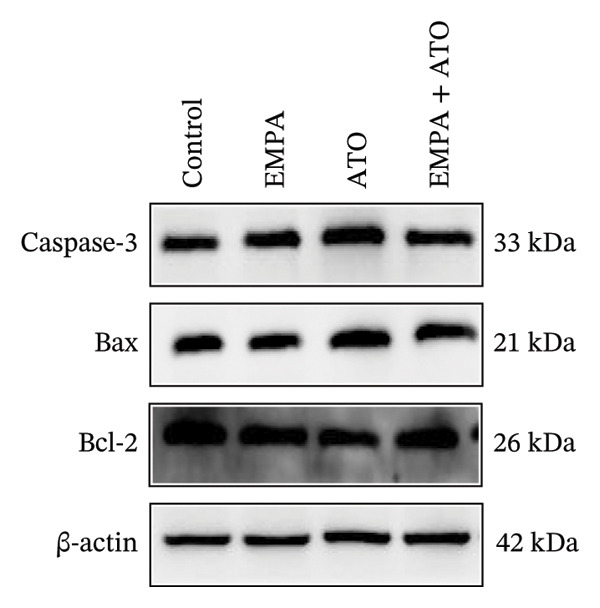 Figure 34
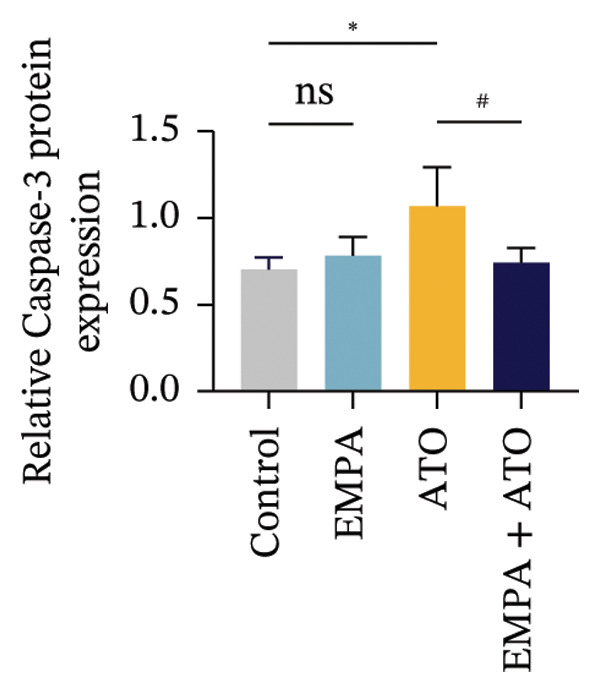 Figure 35
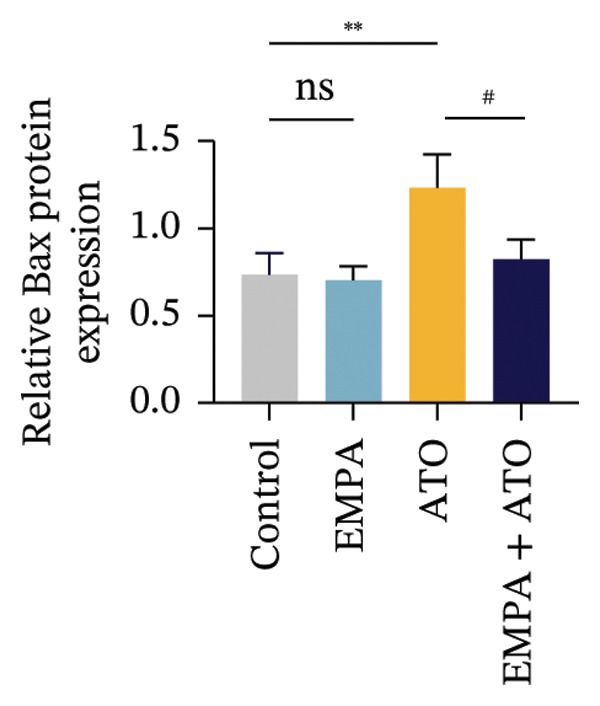 Figure 36
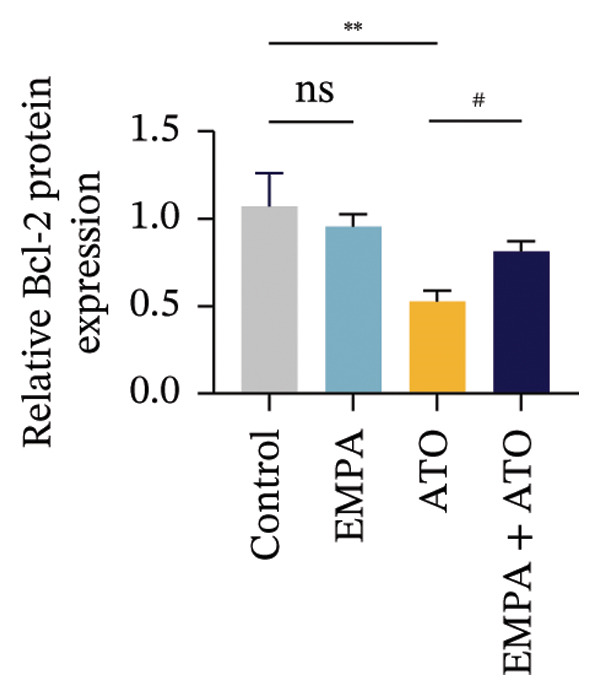 Figure 37
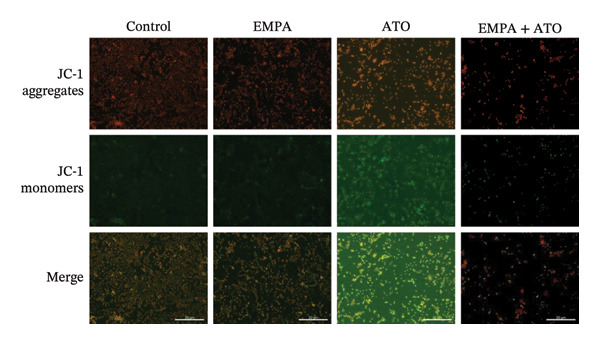 Figure 38
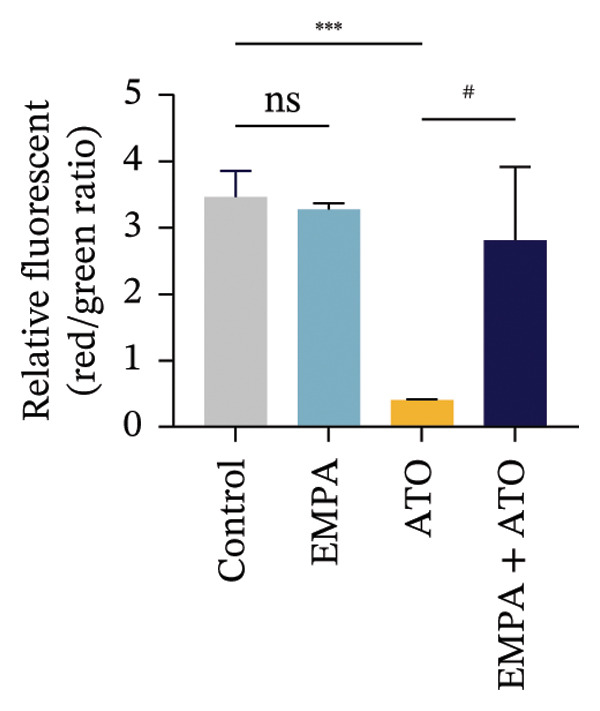 Figure 39
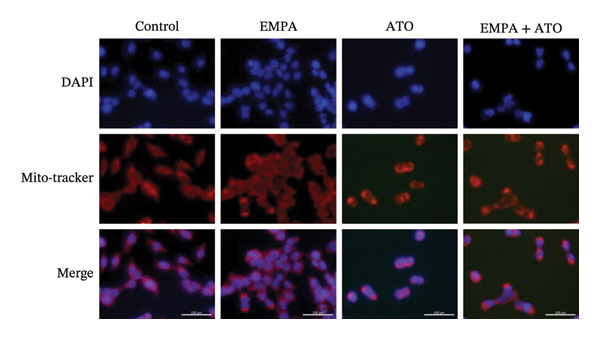 Figure 40
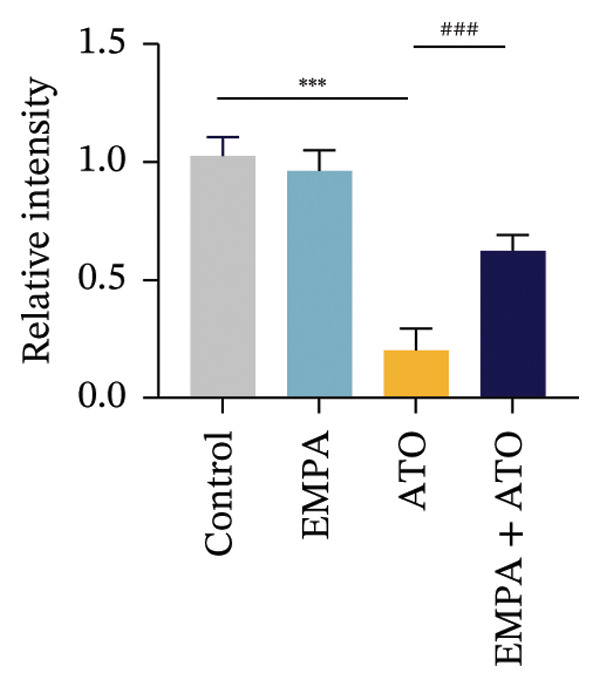 Figure 41
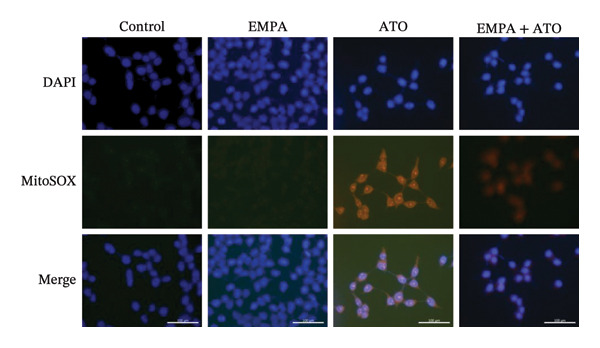 Figure 42
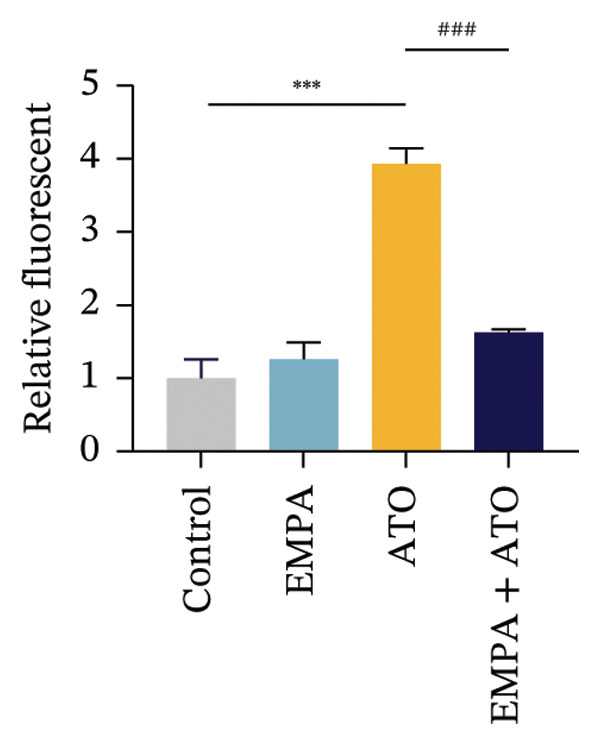 Figure 43
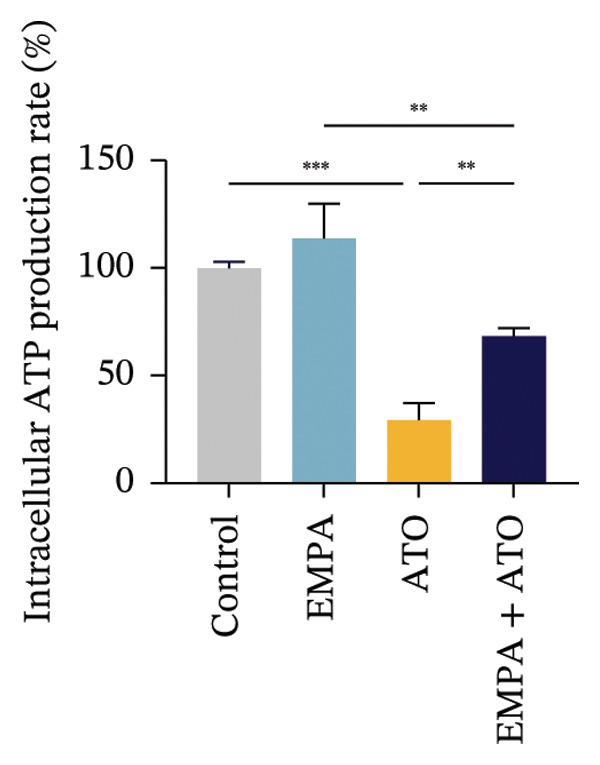 Figure 44
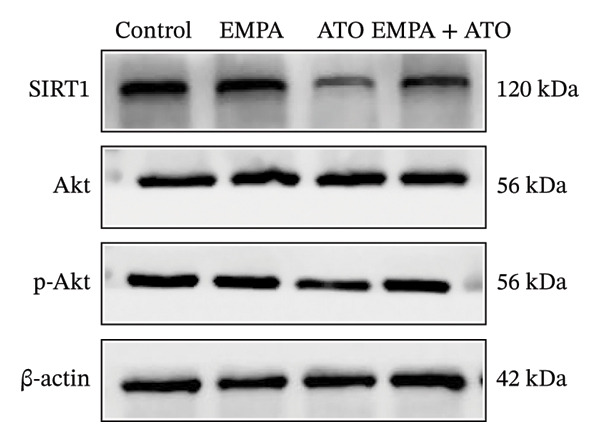 Figure 45
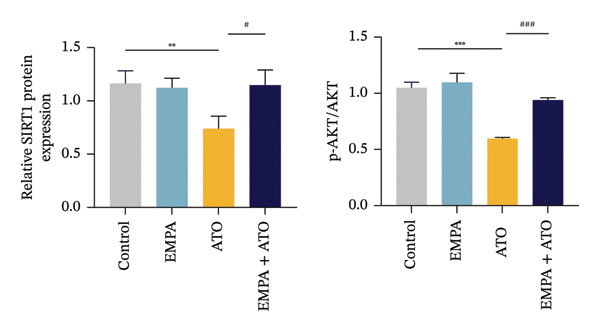 Figure 46
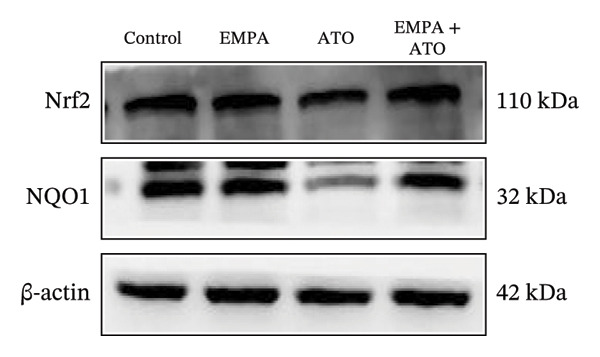 Figure 47
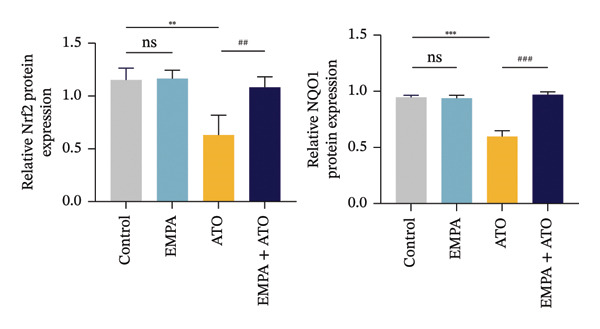 Figure 48
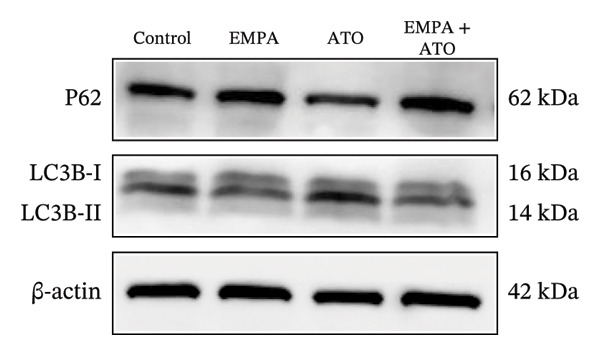 Figure 49
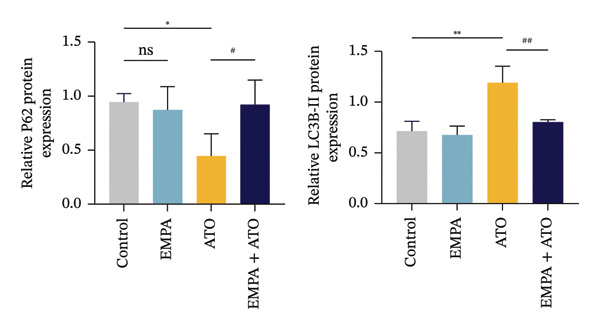 Figure 50
Peer Reviews
No public reviews on file for this paper yet. If you reviewed it on a platform where reviews are public (OpenReview, ICLR, NeurIPS, ICML), you can paste yours below so the community can read it here.
Videos
No videos yet. Explain this paper in a talk, walkthrough, or lecture? Add one.
Taxonomy
TopicsRetinoids in leukemia and cellular processes · Endoplasmic Reticulum Stress and Disease · Chemotherapy-induced organ toxicity mitigation