Soluble SORL1 in cerebrospinal fluid as a marker for functional impact of rare SORL1 variants
Matthijs W. J. de Waal, Sven J. van der Lee, Melanie Lunding, Lynn Boonkamp, Nolan Barrett, Giulia Monti, Anne Mette G. Jensen, Christian B. Vaegter, Jan Raska, Sona Cesnarikova, Jiri Sedmik, Calvin Trieu, Marjan M. Weiss, Rosalina van Spaendonk, Lisa Vermunt, Georgii Ozhegov

TL;DR
This study shows that lower levels of soluble SORL1 in cerebrospinal fluid may indicate harmful genetic changes in SORL1, a protein linked to Alzheimer's disease.
Contribution
The study introduces CSF-sSORL1 as a potential biomarker for the functional impact of rare SORL1 genetic variants.
Findings
sSORL1 concentrations were significantly lower in carriers of protein-truncating and damaging missense SORL1 variants.
CSF-sSORL1 levels correlated with tau pathology in Alzheimer's disease but not with Aβ42 levels.
sSORL1 levels represent an in vivo biomarker of SORL1 function.
Abstract
The sortilin‐related receptor (SORL1) directs APP and Aβ trafficking within the retromer pathway. Cleavage at the cell surface releases soluble SORL1 (sSORL1) into cerebrospinal fluid (CSF). We examined whether CSF‐sSORL1 can serve as an in vivo marker of genetically impaired SORL1. CSF‐sSORL1 was quantified by enzyme‐linked immunosorbent assay (ELISA) in 218 participants: 90 carriers of SORL1 variants, 78 SORL1‐wildtype (WT) AD patients, and 50 SORL1‐WT controls. sSORL1 concentrations were significantly lower in carriers of protein‐truncating and damaging missense variants. In SORL1‐WT patients, CSF‐sSORL1 correlated with pTau181 but not with Aβ42 among AD patients, and did not differ between patients and controls. These findings suggest that impaired SORL1 trafficking reduces receptor delivery to the cell surface and thereby decreases sSORL1 shedding, supporting its potential use…
Genes, proteins, chemicals, diseases, species, mutations and cell lines named across the full text — each resolved to its canonical identifier and authoritative record.
Click any figure to enlarge with its caption.
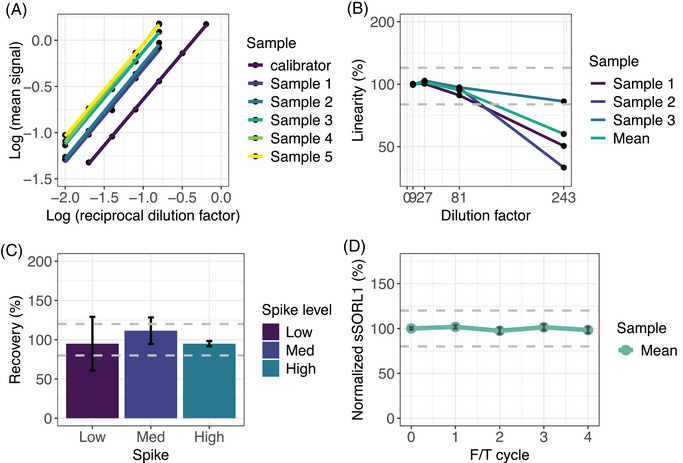 Figure 1
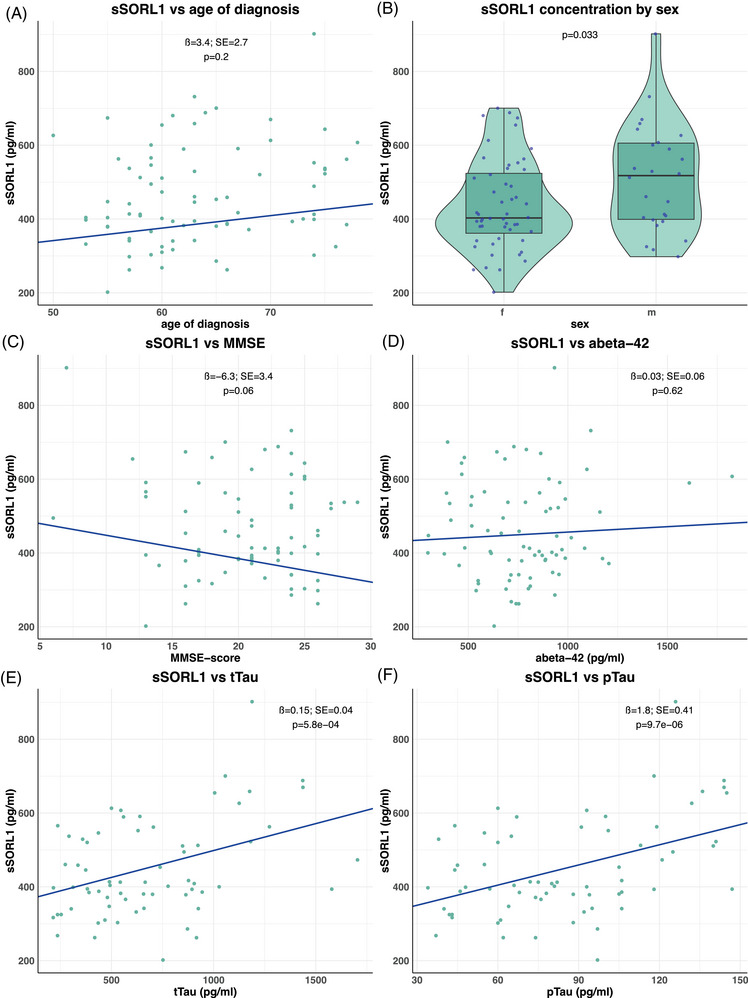 Figure 2
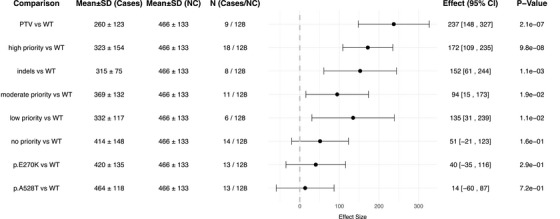 Figure 3
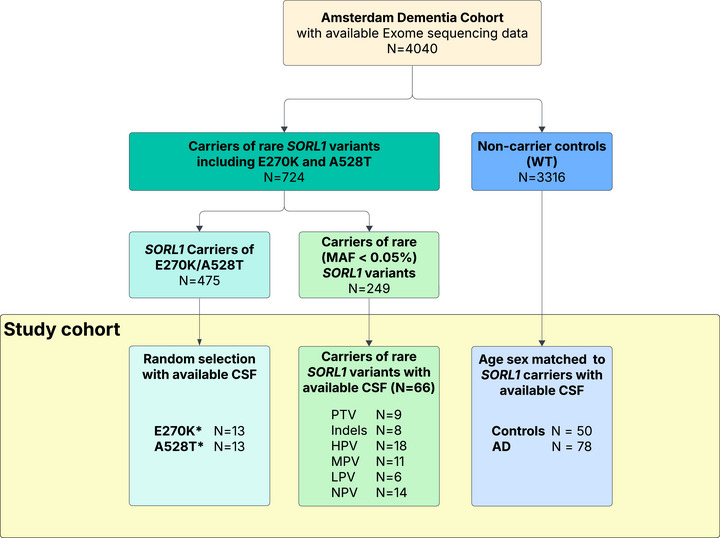 Figure 4
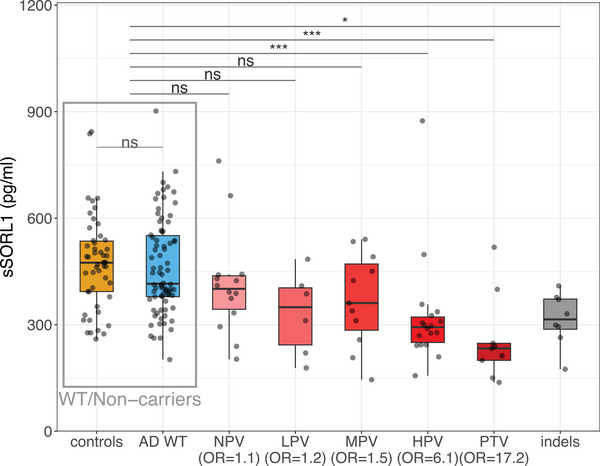 Figure 5
Peer Reviews
No public reviews on file for this paper yet. If you reviewed it on a platform where reviews are public (OpenReview, ICLR, NeurIPS, ICML), you can paste yours below so the community can read it here.
Videos
No videos yet. Explain this paper in a talk, walkthrough, or lecture? Add one.
Taxonomy
TopicsGenomic variations and chromosomal abnormalities · Neurogenesis and neuroplasticity mechanisms · RNA Research and Splicing