Cyto-Genotoxic Impacts of Antimony Tin Oxide (ATO) Nanoparticles on Allium cepa Root Meristem Cells: An Integrative Experimental and in Silico Approach
Recep Liman, Erman Salih Istifli, Yaser Acikbas, Yudum Yeltekin Uğur, Maria Suciu, Lucian Barbu-Tudoran, I.˙brahim Hakkı Ciğerci

TL;DR
This study shows that antimony tin oxide nanoparticles harm plant cells by disrupting cell division and damaging DNA, using both experiments and computer models.
Contribution
The study introduces an integrative experimental and in silico approach to assess the genotoxicity of ATO nanoparticles in plant cells.
Findings
ATO NPs caused concentration-dependent decreases in mitotic index and increases in chromosomal aberrations and DNA damage.
ATO NPs showed higher predicted binding affinities to tubulin and DNA than colchicine and MMS, suggesting dual genotoxic pathways.
Morphological changes in root tips were observed using SEM and TEM after ATO NP exposure.
Abstract
In this study, antimony tin oxide (ATO) nanoparticles (NPs) were evaluated for their cyto-genotoxic effects on Allium cepa root tips, as their widespread use in industrial and electronic applications raises concerns about possible environmental release and biological hazards that remain largely unexplored. The ATO NPs were characterized using high-resolution transmission electron microscopy (HRTEM), energy-dispersive X-ray spectroscopy (EDX), and X-ray diffraction (XRD), confirming high structural uniformity and crystallinity. Root tips were exposed to 12.5, 25, 50, and 100 μg/mL of ATO NPs for 4 h, and cyto-genotoxicity was assessed using the Allium anaphase-telophase and alkaline comet assays. ATO NPs caused a significant concentration-dependent decrease in mitotic index (MI) and an increase in chromosomal aberrations (CAs) such as laggards, bridges, stickiness, and polyploidy along…
Genes, proteins, chemicals, diseases, species, mutations and cell lines named across the full text — each resolved to its canonical identifier and authoritative record.
Click any figure to enlarge with its caption.
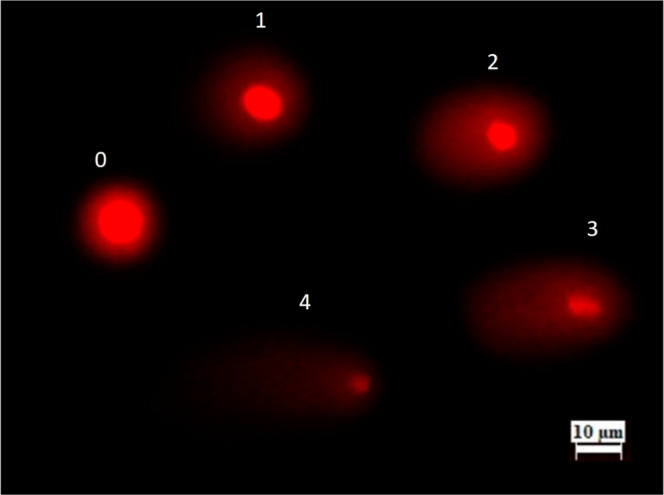 Figure 1
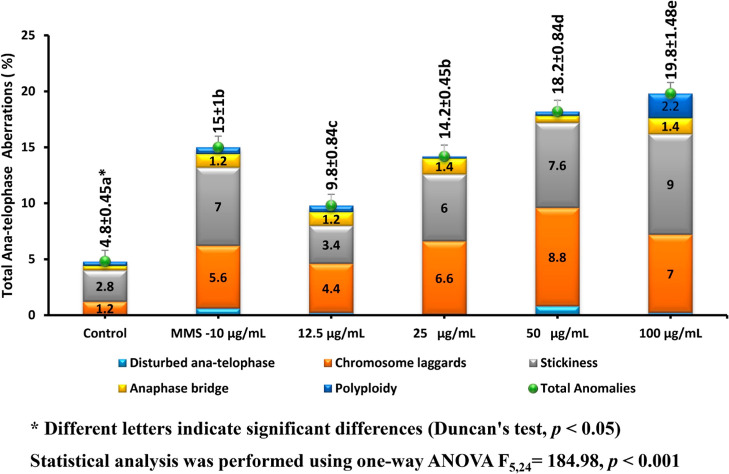 Figure 2
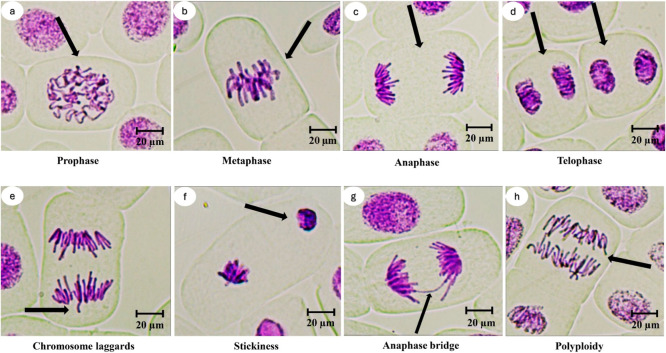 Figure 3
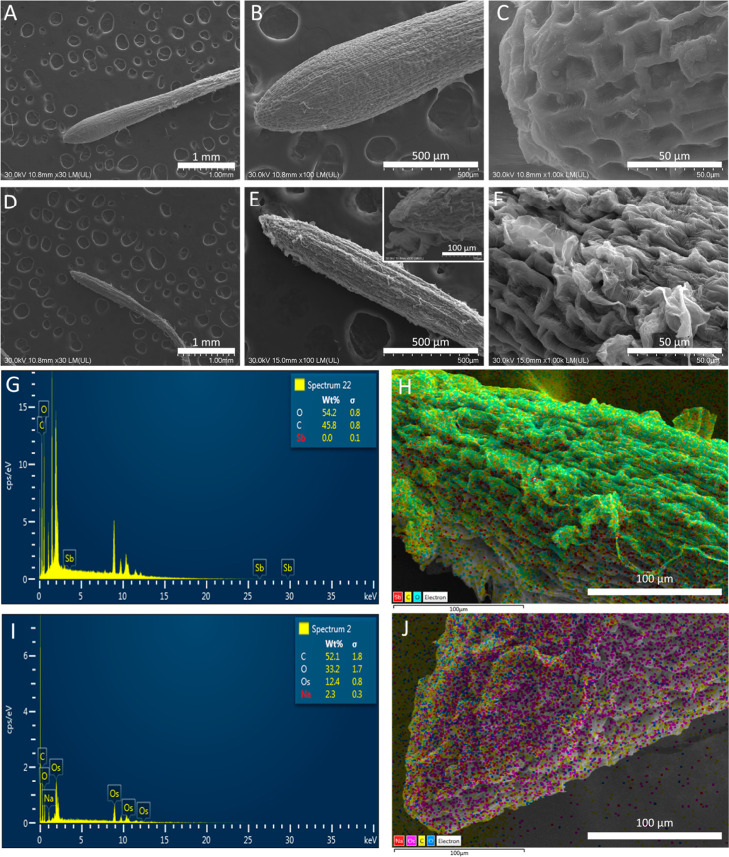 Figure 4
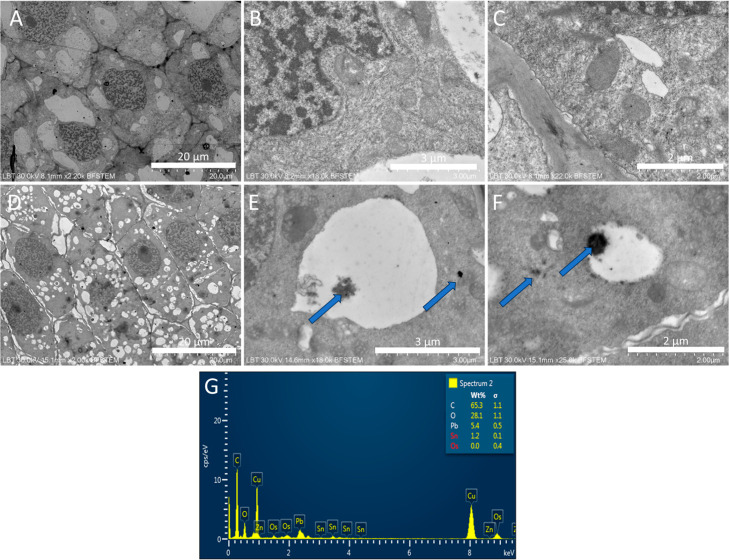 Figure 5
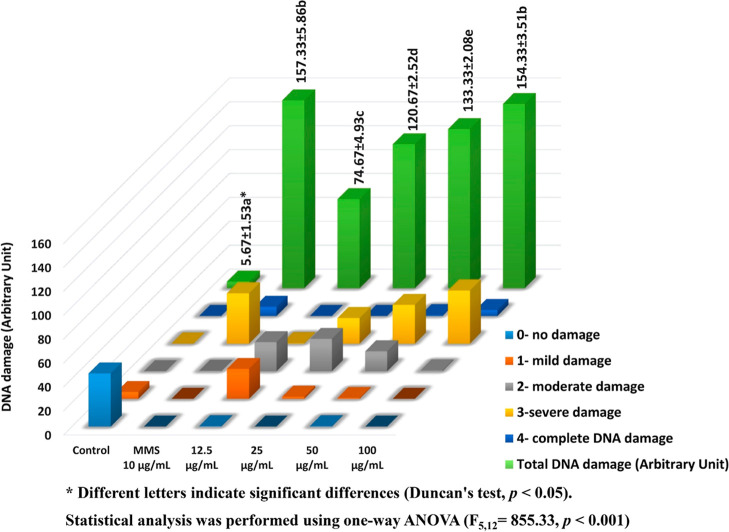 Figure 6
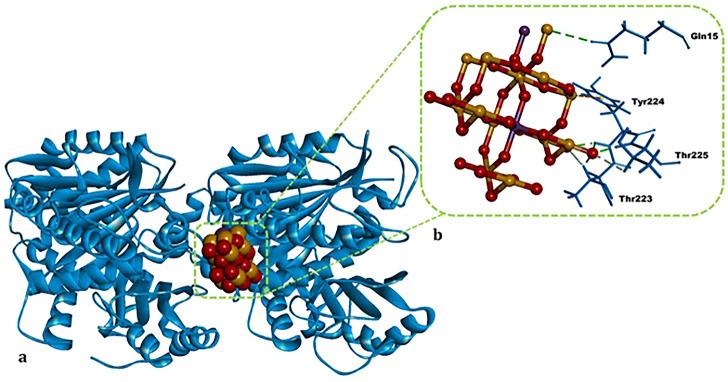 Figure 7
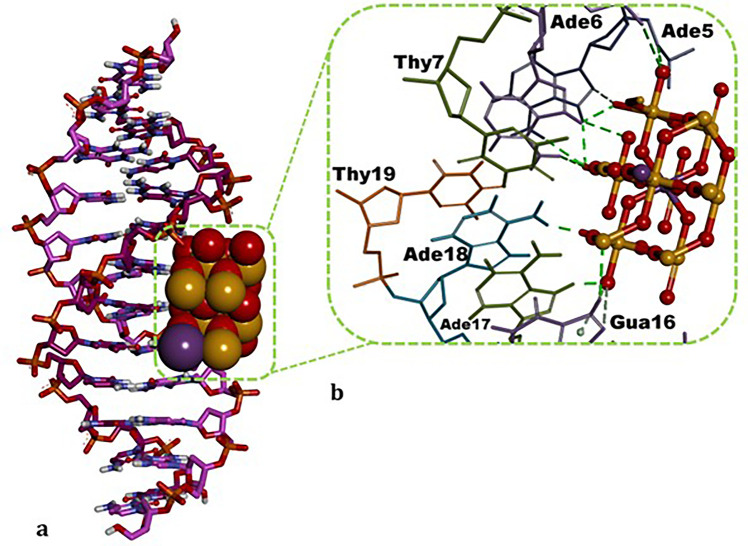 Figure 8
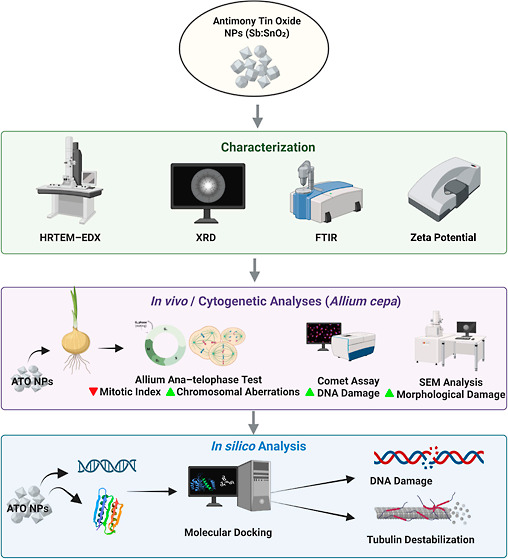 Figure 9
 Figure 10
 Figure 11
 Figure 12
 Figure 13
 Figure 14
Peer Reviews
No public reviews on file for this paper yet. If you reviewed it on a platform where reviews are public (OpenReview, ICLR, NeurIPS, ICML), you can paste yours below so the community can read it here.
Videos
No videos yet. Explain this paper in a talk, walkthrough, or lecture? Add one.
Taxonomy
TopicsNanoparticles: synthesis and applications · Garlic and Onion Studies · Carcinogens and Genotoxicity Assessment