Long Alkylene Spacers Promote Structural Ordering and Proton Transport in Phosphonic Acid–Based Polymer Electrolyte Membranes
Itsuki Takashima, Takato Kajita, Takenori Nakayama, Mio Nishimoto, Haruka Tanaka, Atsushi Noro

TL;DR
This study shows that longer alkylene spacers in polymer membranes improve proton transport and structural order, leading to better performance in high-temperature fuel cells.
Contribution
The novel use of eight-carbon alkylene spacers in phosphonic acid-based polymers enhances proton conductivity under low humidity and high temperature.
Findings
soPA membranes achieved 4.4 and 7.5 mS cm–1 conductivity at 120 °C under 20% and 40% RH, respectively.
The longer alkylene spacers in soPA promote nanophase separation and greater molecular ordering.
The flexibility of longer spacers allows more efficient proton transfer between phosphonic acid groups.
Abstract
Next-generation polymer electrolyte fuel cells (PEFCs) require polymer electrolyte membranes (PEMs) capable of operating at temperatures above the boiling point of water (100 °C) and under low-humidity below 40% RH. In this study, we synthesized poly(8-(p-styryl)-1-octanephosphonic acid) (soPA), a polymer bearing phosphonic acid groups on the side chains connected via eight-carbon alkylene spacers. soPA was insoluble in water and formed a highly oriented lamellar phase-separated nanostructure with a 2.9 nm domain spacing, consisting of a hydrophobic phase formed by the alkylene spacers and the polystyrene backbone, and a hydrophilic phase containing the phosphonic acid groups. Despite its lower acid group density compared with poly(4-(p-styryl)-1-butanephosphonic acid) (sbPA) with shorter four-carbon spacers, the soPA membrane exhibited higher conductivities than sbPA. For instance,…
Genes, proteins, chemicals, diseases, species, mutations and cell lines named across the full text — each resolved to its canonical identifier and authoritative record.
Click any figure to enlarge with its caption.
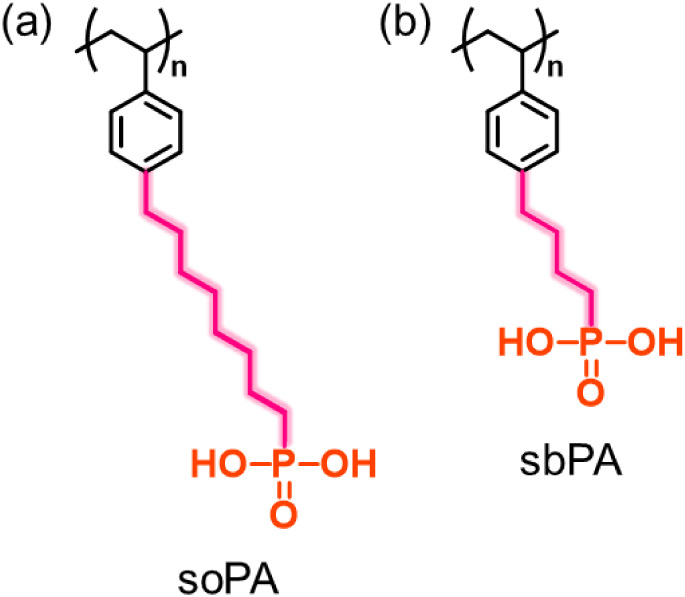 Figure 1
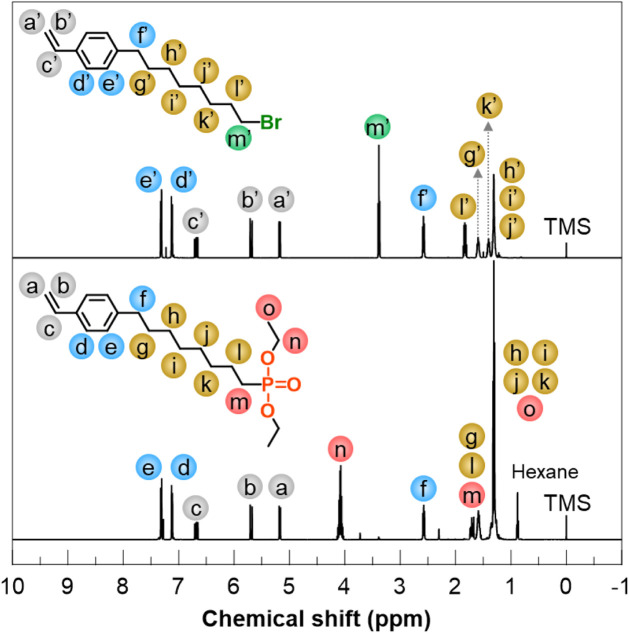 Figure 2
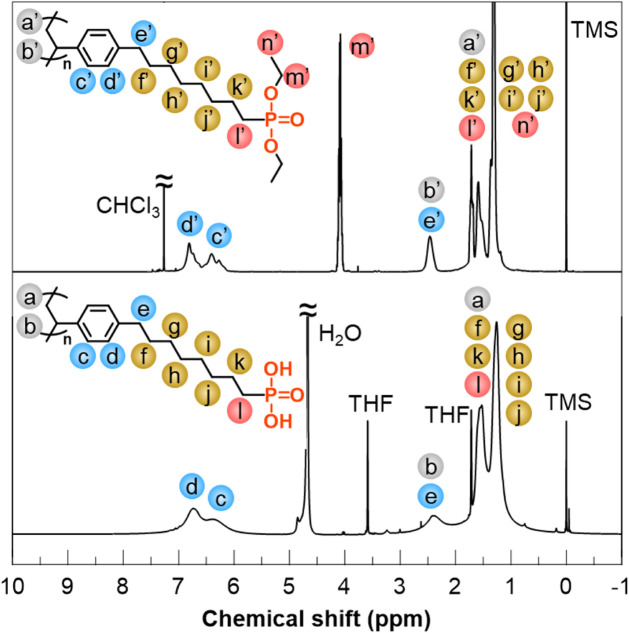 Figure 3
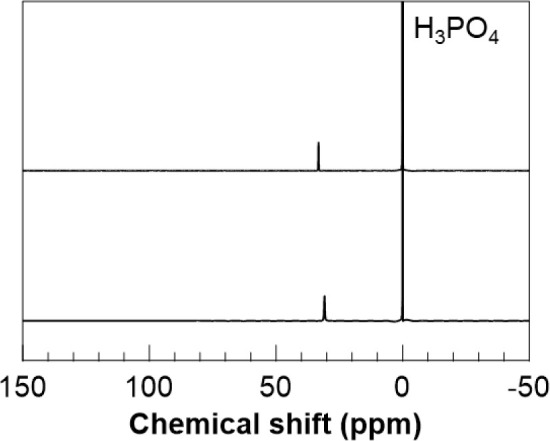 Figure 4
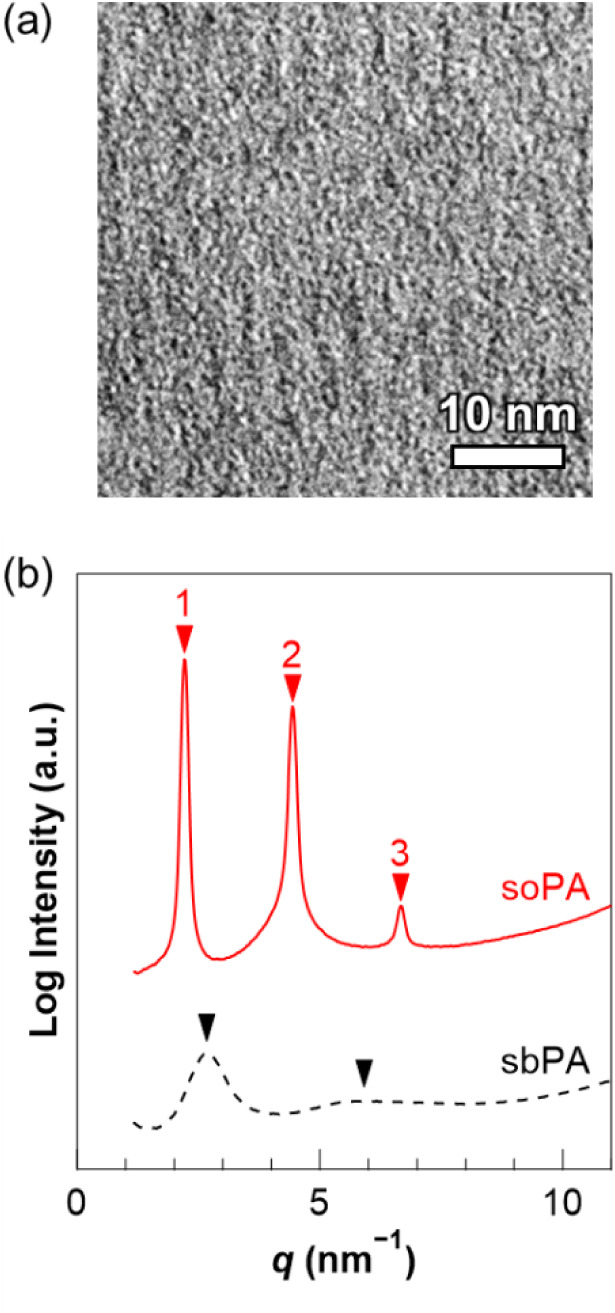 Figure 5
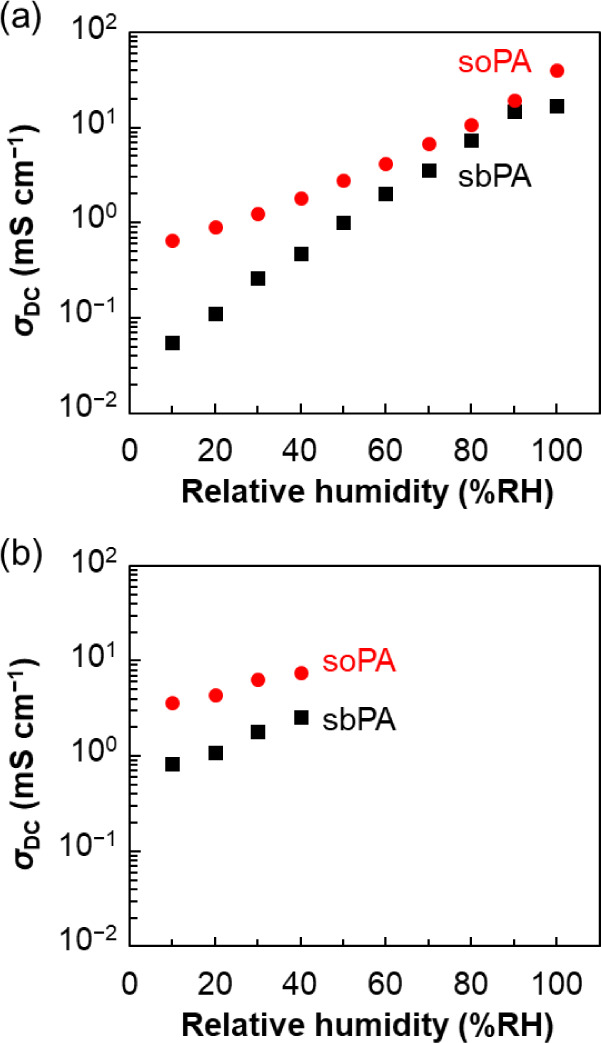 Figure 6
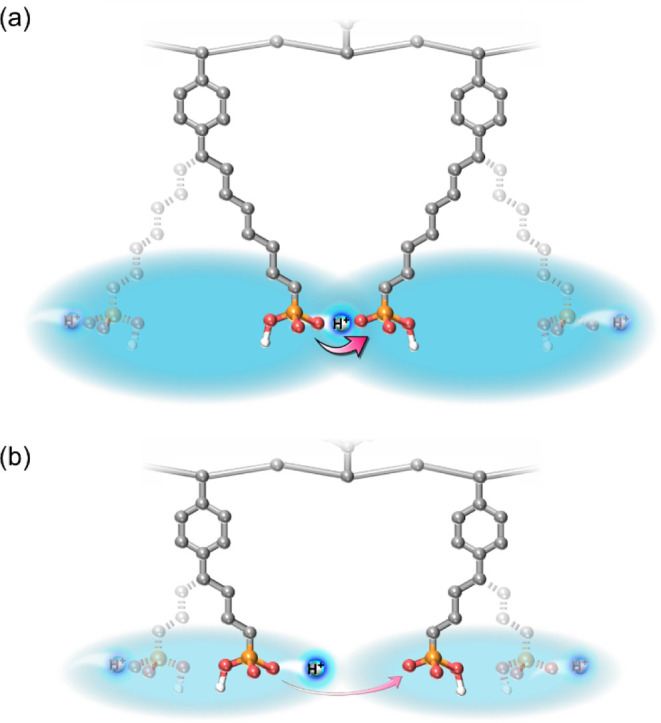 Figure 7
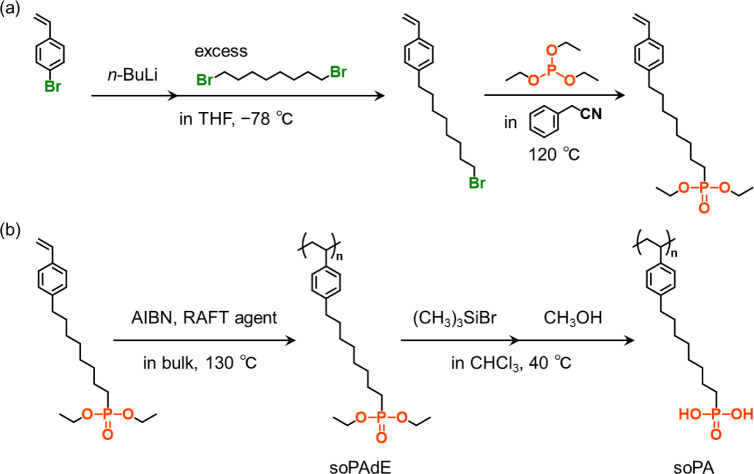 Figure 8
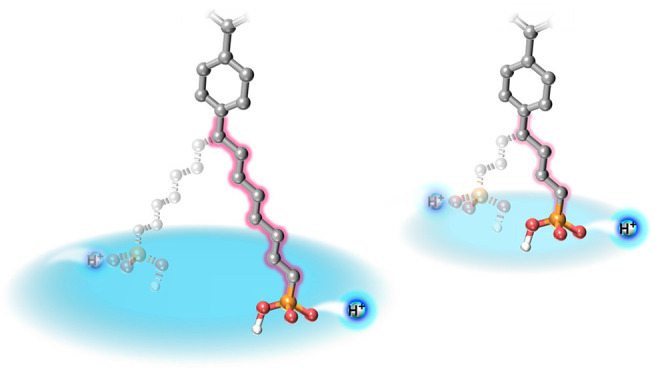 Figure 9
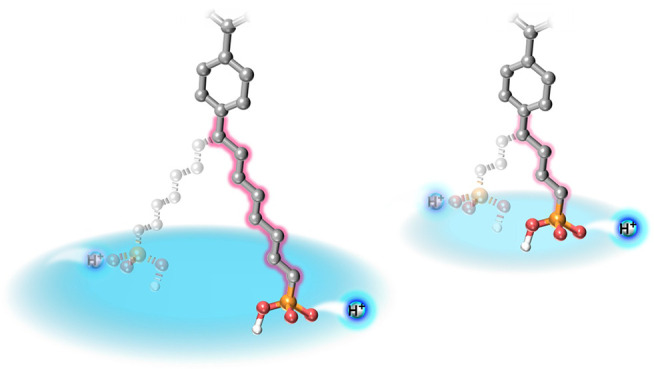 Figure 10
 Figure 11
 Figure 12
Peer Reviews
No public reviews on file for this paper yet. If you reviewed it on a platform where reviews are public (OpenReview, ICLR, NeurIPS, ICML), you can paste yours below so the community can read it here.
Videos
No videos yet. Explain this paper in a talk, walkthrough, or lecture? Add one.
Taxonomy
TopicsFuel Cells and Related Materials · Advanced Battery Materials and Technologies · Conducting polymers and applications