Integration of the Biot–Gassmann Fluid Substitution Method and Machine Learning-Based Velocity–Stress Relationship for Estimating In Situ Stresses
Ayyaz Mustafa, Guanyi Lu, Andrew P. Bunger

TL;DR
This paper combines Biot–Gassmann fluid substitution with machine learning to estimate in situ stresses using low-frequency acoustic velocity data from dry rocks.
Contribution
The novel integration of Biot–Gassmann-derived velocities with ML/DL models improves in situ stress prediction using low-frequency data.
Findings
ML/DL models trained on Biot–Gassmann-derived velocities achieved R² of 0.86–0.975 for stress prediction.
SHAP analysis enhanced model reliability and scientific validation of stress estimation.
Dry rock experiments with 75 stress configurations enabled accurate low-frequency velocity–stress modeling.
Abstract
Recent advancements have shown that in situ stresses can be reliably estimated through an integrated machine/deep learning (ML/DL)-based framework, which relies on models trained and validated using true triaxial ultrasonic velocity (TUV) experimental data that involve measurements of ultrasonic velocity in saturated rocks under varying stress configurations. However, when the goal is to interpret lower frequency measurements, it may be more appropriate to run experiments on dry rocks and then obtain Biot–Gassmann-derived equivalent saturated velocities (low-frequency approximation) and employ these quantities for training ML/DL models to predict in situ stress. Whether the dispersion effect of frequency on the velocity–stress relationship substantially impacts in situ stress prediction is an important and unresolved question. This work presents an enhancement of ML/DL-based workflow by…
Click any figure to enlarge with its caption.
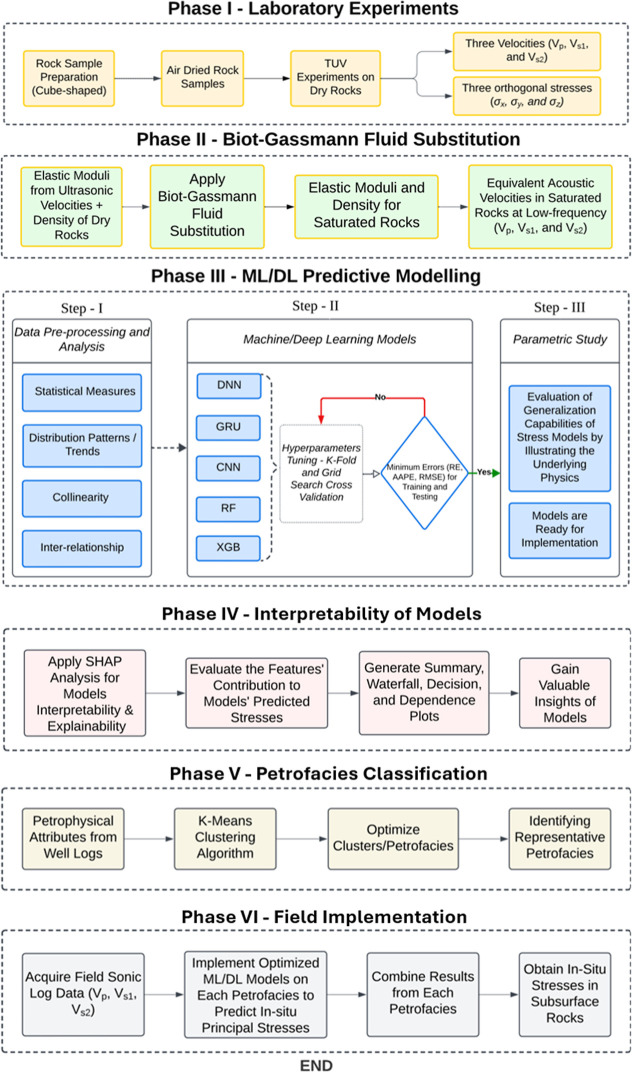 Figure 1
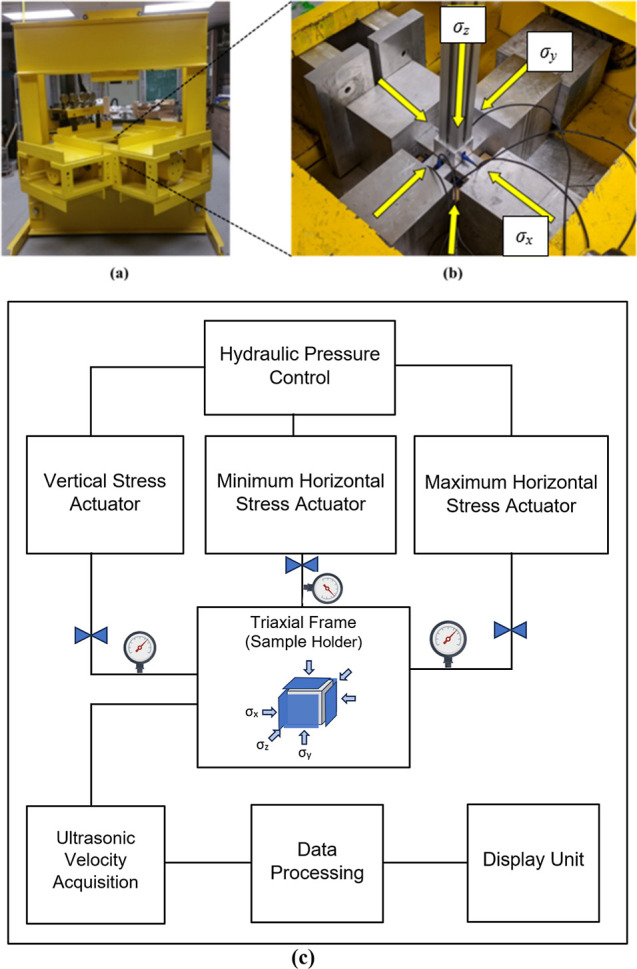 Figure 2
 Figure 3
 Figure 4
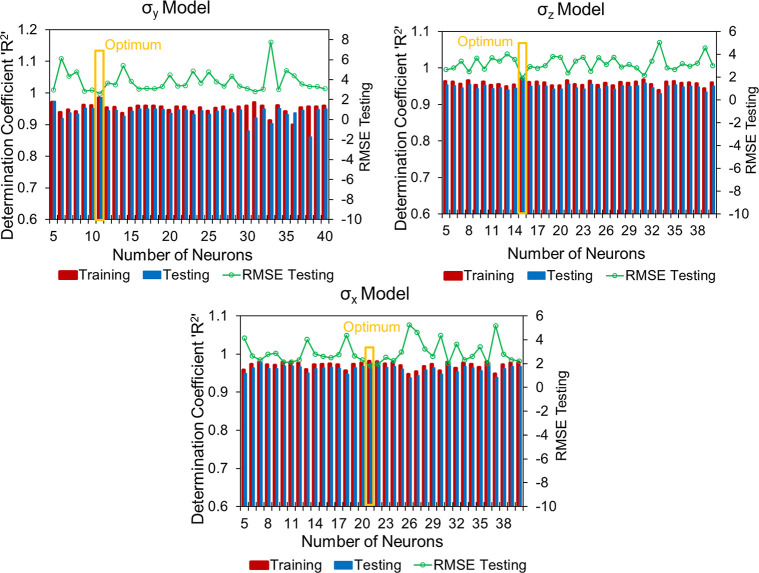 Figure 5
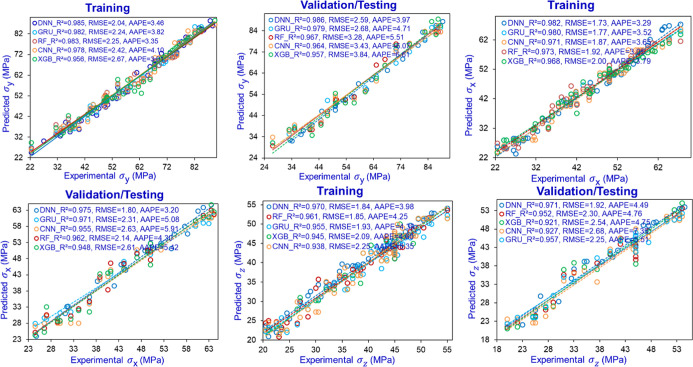 Figure 6
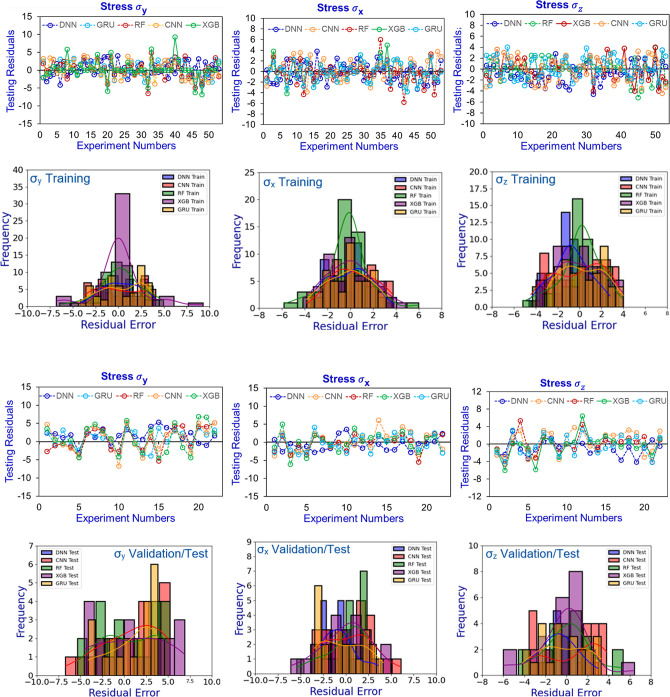 Figure 7
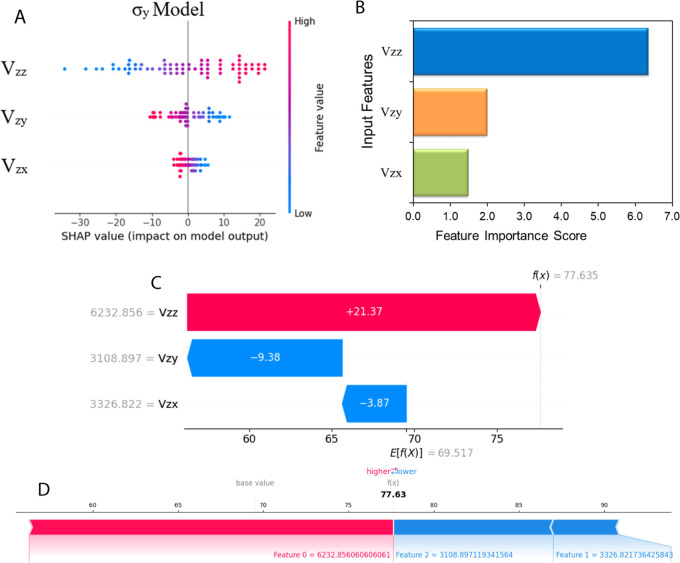 Figure 8
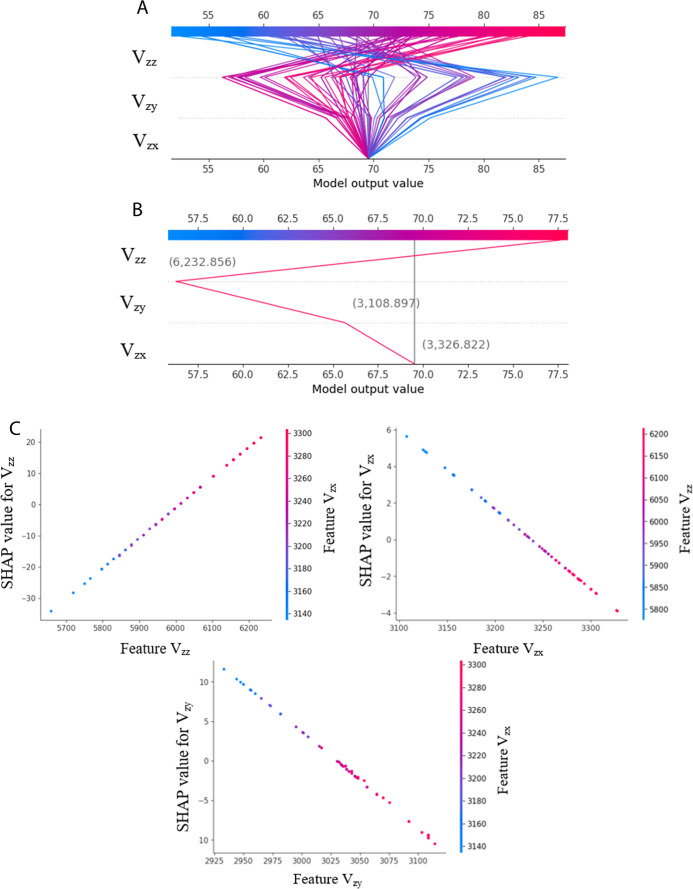 Figure 9
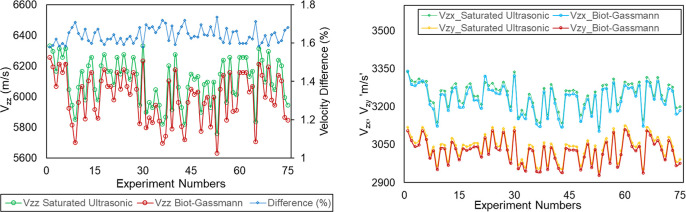 Figure 10
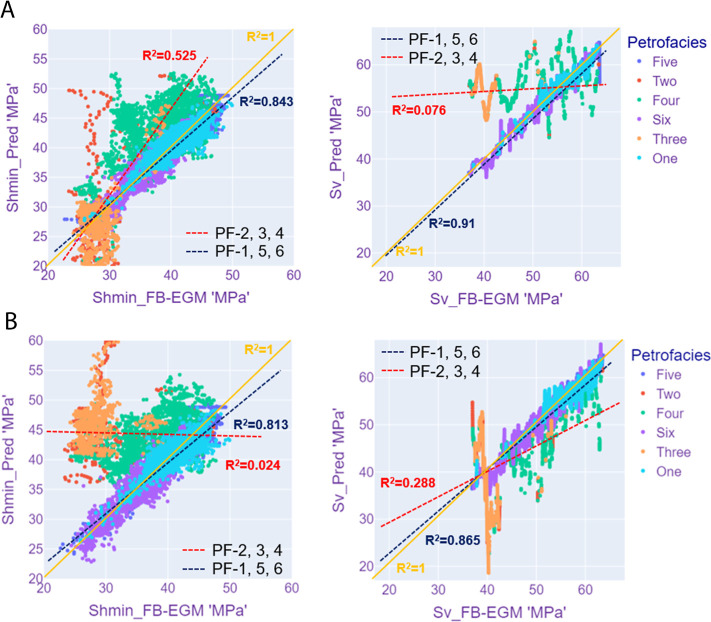 Figure 11
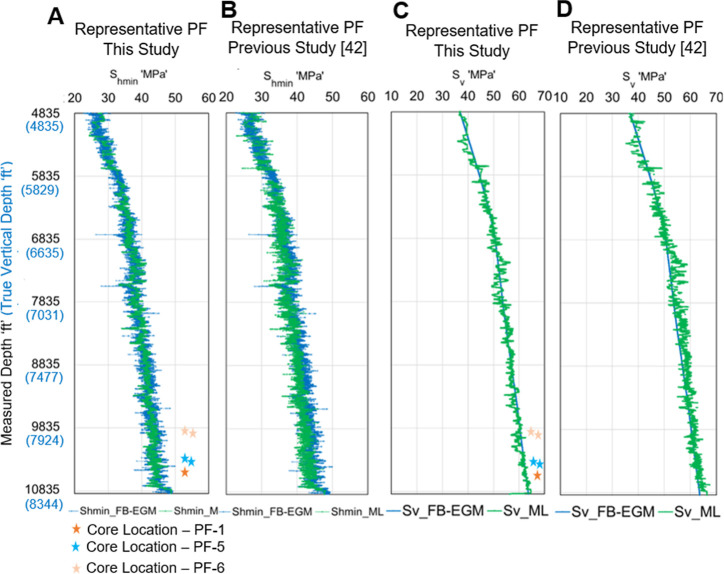 Figure 12
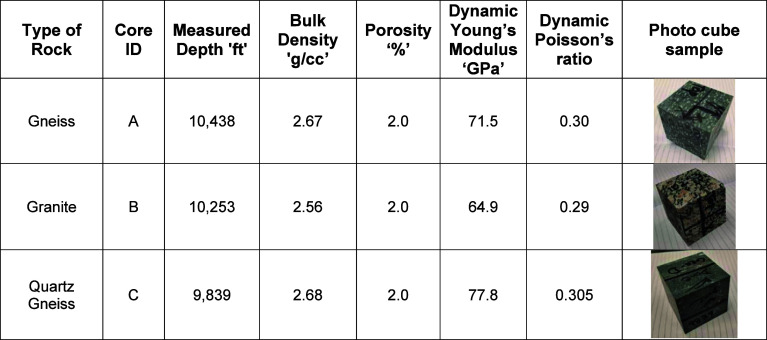 Figure 13
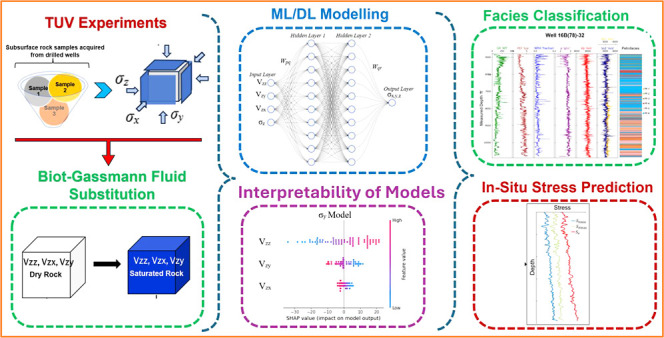 Figure 14
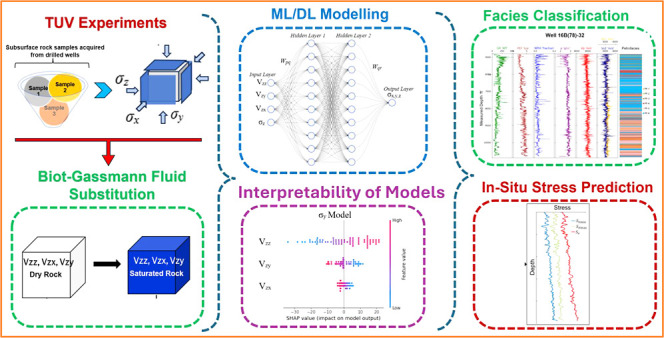 Figure 15
 Figure 16
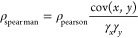 Figure 17
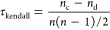 Figure 18
 Figure 19
 Figure 20
 Figure 21
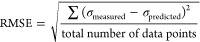 Figure 22
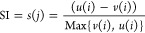 Figure 23
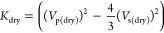 Figure 24
 Figure 25
 Figure 26
 Figure 27
 Figure 28
 Figure 29
 Figure 30
 Figure 31
 Figure 32
 Figure 33
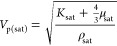 Figure 34
 Figure 35
Peer Reviews
No public reviews on file for this paper yet. If you reviewed it on a platform where reviews are public (OpenReview, ICLR, NeurIPS, ICML), you can paste yours below so the community can read it here.
Videos
No videos yet. Explain this paper in a talk, walkthrough, or lecture? Add one.
Taxonomy
TopicsSeismic Imaging and Inversion Techniques · Rock Mechanics and Modeling · Seismic Waves and Analysis