Reading between the Chains: Surface Mapping and Druggable Pockets on the Biological Assemblies of DENV-2’s Protein E
Pedro T.T. F. Leite, Philipe O. Fernandes, Pedro S. Lacerda, Marcelo A. Chagas, Marcelo S. Castilho, Willian R. Rocha, Adolfo Henrique Moraes, Vinícius G. Maltarollo

TL;DR
This study identifies new druggable pockets on the surface of the dengue virus's protein E in its native form, offering potential targets for antiviral drug development.
Contribution
The study reveals novel druggable pockets on the biological assemblies of DENV-2’s protein E, not previously observed in isolated dimers.
Findings
Several druggable pockets were identified on the native oligomeric states of protein E.
Key residues like Lys291, Lys295, and Pro384 are located in these pockets and are involved in host receptor interactions.
Residues Glu172, Thr180, Thr303, and Glu383 were found in druggable pockets, suggesting their role in pharmacophore modeling.
Abstract
Dengue is a widespread arboviral infection endemic to tropical and subtropical regions, representing a major global public health concern. Although most prevalent in South America and Asia, cases have also emerged in Europe and the United States, including instances of local transmission and fatalities. The envelope protein (protein E) is a critical structural component of the viral surface and a well-established molecular target for antiviral drug discovery, owing to its essential role in viral entry. While previous studies have primarily focused on the β-OG pocket within isolated protein E dimers, the mature virion features a complex icosahedral organization composed of protein E dimers adopting distinct assemblies, which might expose novel pockets not present in the dimeric forms, offering new opportunities for structure-based drug design. In this study, we employed molecular…
Genes, proteins, chemicals, diseases, species, mutations and cell lines named across the full text — each resolved to its canonical identifier and authoritative record.
Click any figure to enlarge with its caption.
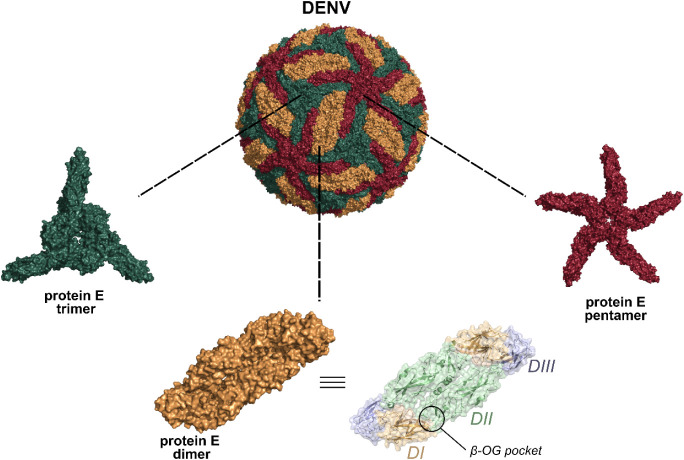 Figure 1
 Figure 2
 Figure 3
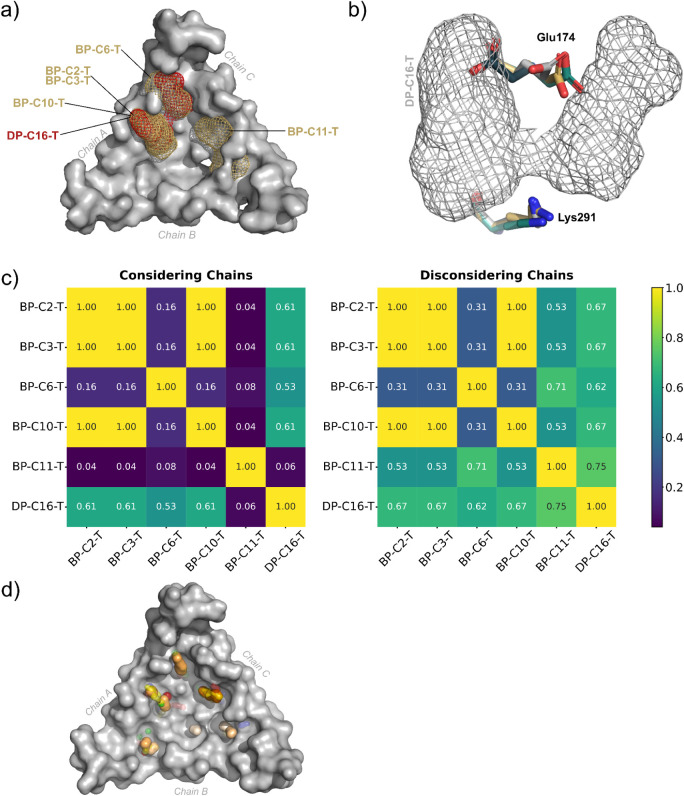 Figure 4
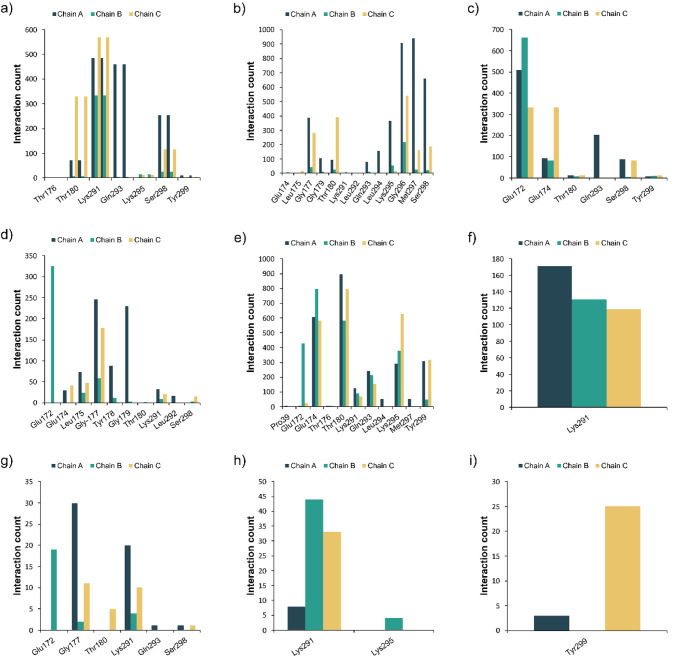 Figure 5
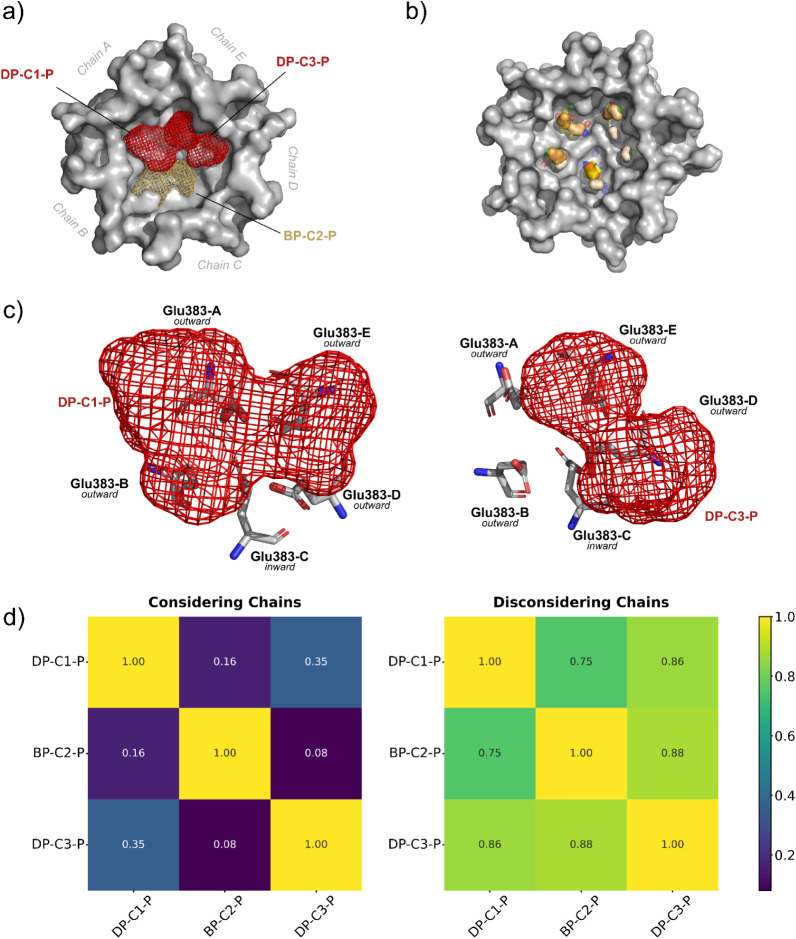 Figure 6
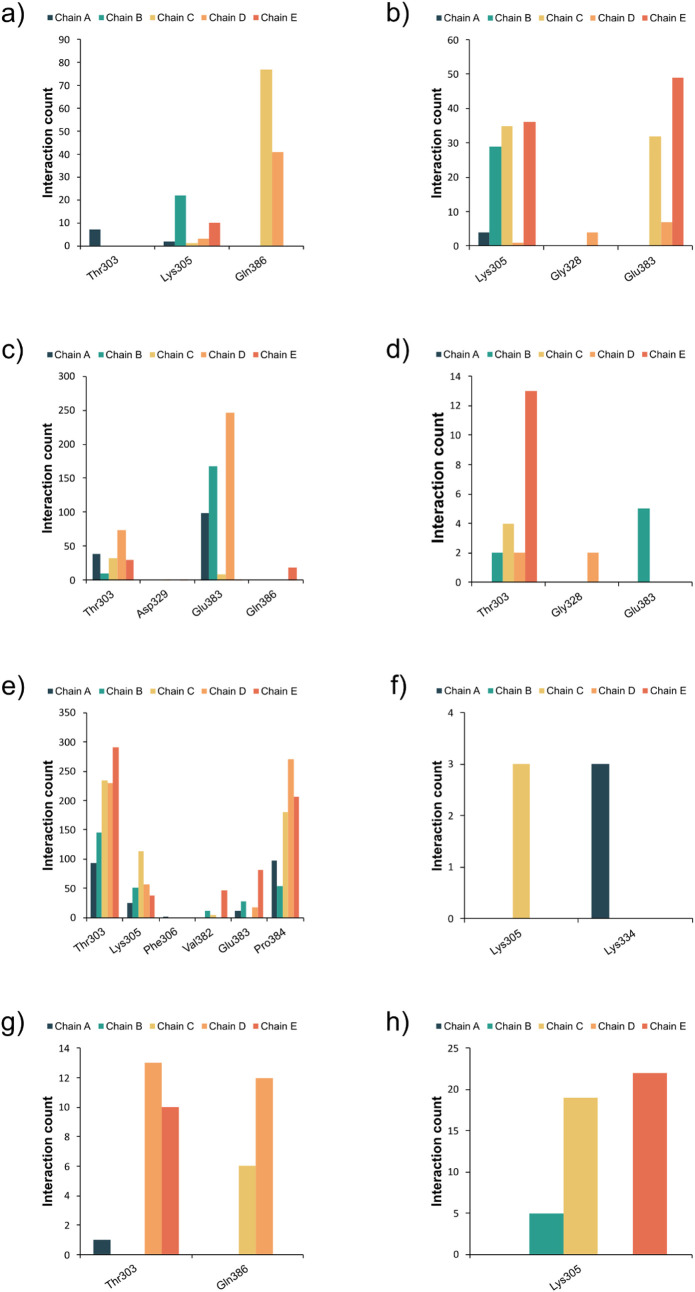 Figure 7
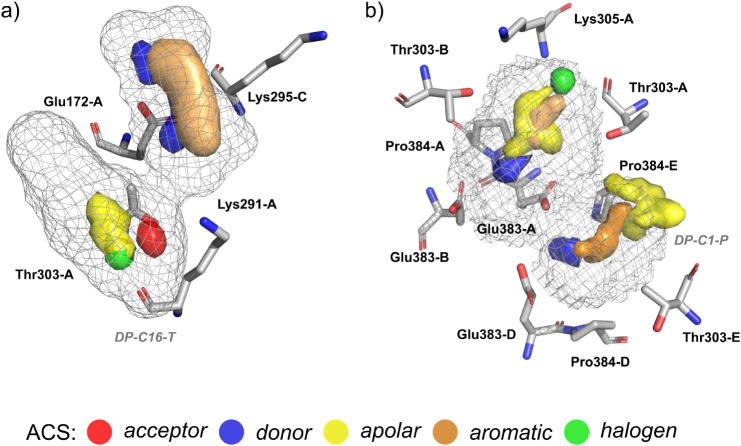 Figure 8
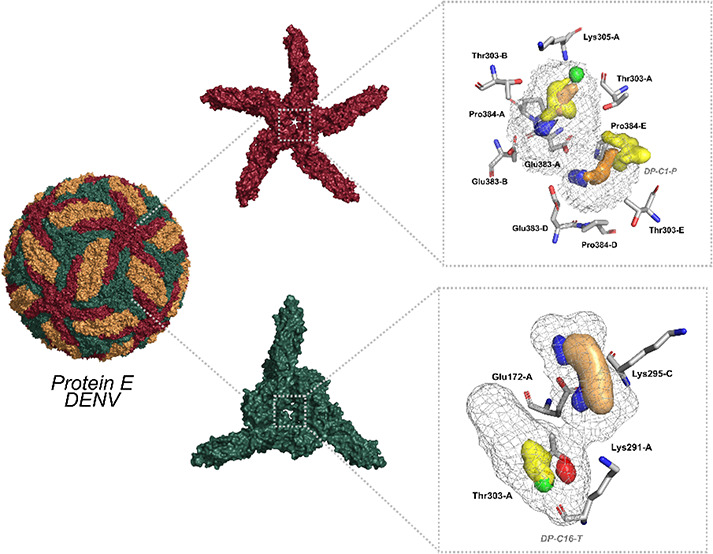 Figure 9
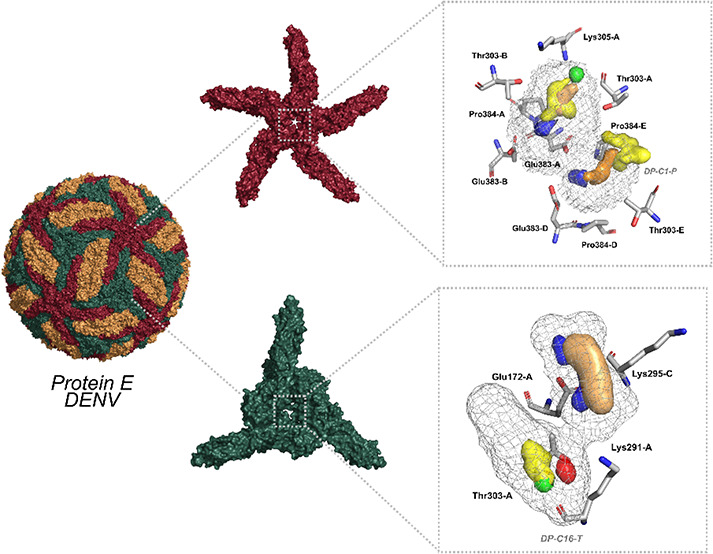 Figure 10
Peer Reviews
No public reviews on file for this paper yet. If you reviewed it on a platform where reviews are public (OpenReview, ICLR, NeurIPS, ICML), you can paste yours below so the community can read it here.
Videos
No videos yet. Explain this paper in a talk, walkthrough, or lecture? Add one.
Taxonomy
TopicsMosquito-borne diseases and control · Lipid Membrane Structure and Behavior · Protein Structure and Dynamics