Single-cell transcriptomics of Pacific white shrimp (Litopenaeus vannamei) hepatopancreas reveal immune and metabolic responses to AHPND-causing Vibrio parahaemolyticus
Johanna E. Aldersey, Jason W. Abernathy, Miles D. Lange, Julio C. García, Craig A. Shoemaker, Benjamin H. Beck

TL;DR
This study uses single-cell transcriptomics to explore how the hepatopancreas of Pacific white shrimp responds to a deadly bacterial infection.
Contribution
The study provides the first single-cell atlas of the shrimp hepatopancreas and identifies immune and metabolic responses to AHPND-causing bacteria.
Findings
The hepatopancreas contains nine distinct cell clusters, including epithelial, myocyte, and hemocyte types.
Infected cells showed increased expression of immune-related genes like hemocyanin and C-type lectins.
Energy metabolism changes in infected cells suggest immune or pathogenic processes linked to the bacteria.
Abstract
The shrimp aquaculture industry is severely impacted by acute hepatopancreatic necrosis disease (AHPND) caused by the bacterium Vibrio parahaemolyticus. The hepatopancreas is a multi-functional organ with roles in digestion, immunity, molting and reproduction. The mechanism by which the pathogen causes disease, and the host immune response is not completely understood. Therefore, we set out to characterize the cells of the hepatopancreas and host response to bacterial infection at single-cell resolution. First, hepatopancreas from three healthy Pacific white shrimp (Litopenaeus vannamei) were sampled to produce a single-cell transcriptomic atlas. Then, the hepatopancreas from three V. parahaemolyticus infected and two mocked treated shrimp were sampled for an infection study. Primary cell suspensions were produced, and single-cell libraries were generated using the 10x Genomics…
Genes, proteins, chemicals, diseases, species, mutations and cell lines named across the full text — each resolved to its canonical identifier and authoritative record.
Click any figure to enlarge with its caption.
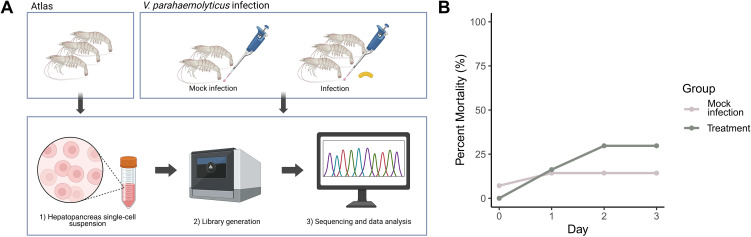 Figure 1
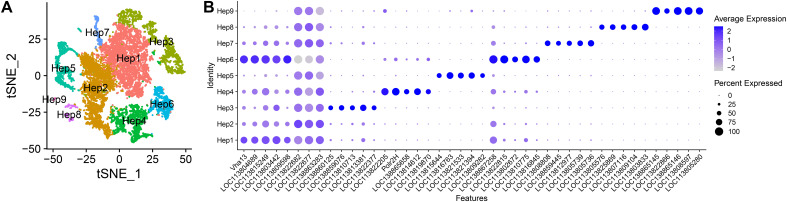 Figure 2
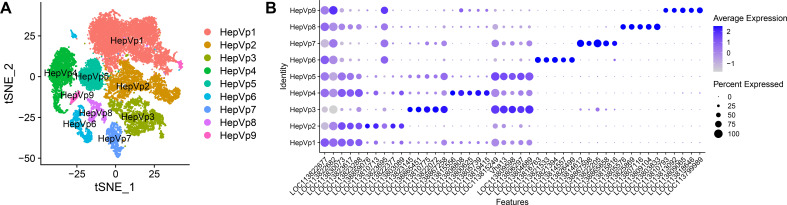 Figure 3
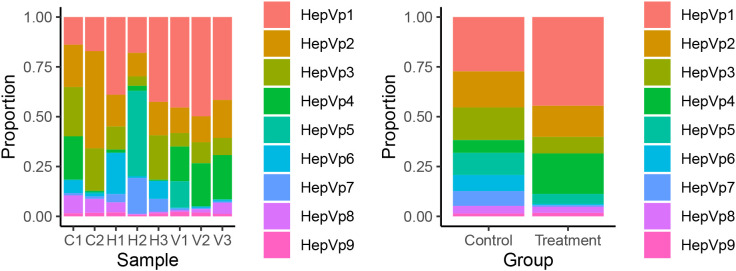 Figure 4
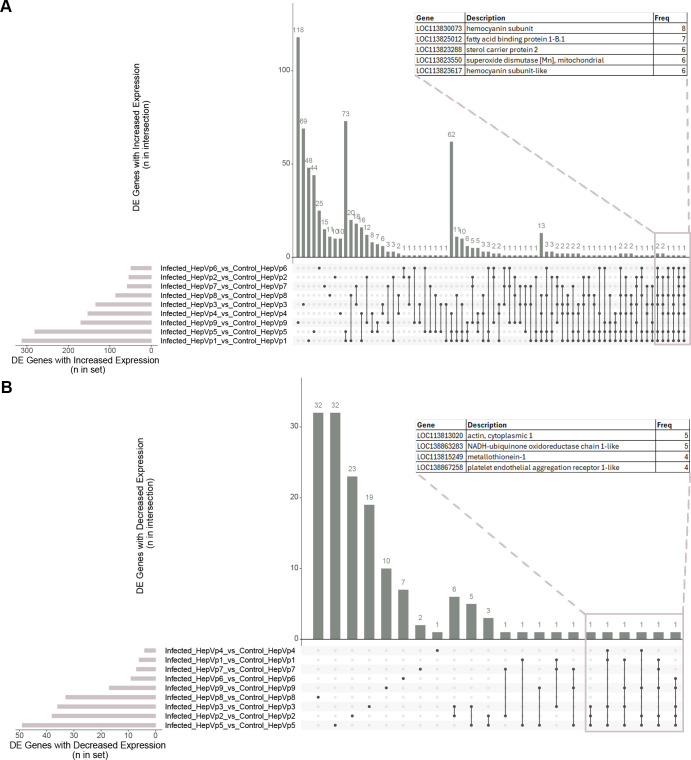 Figure 5
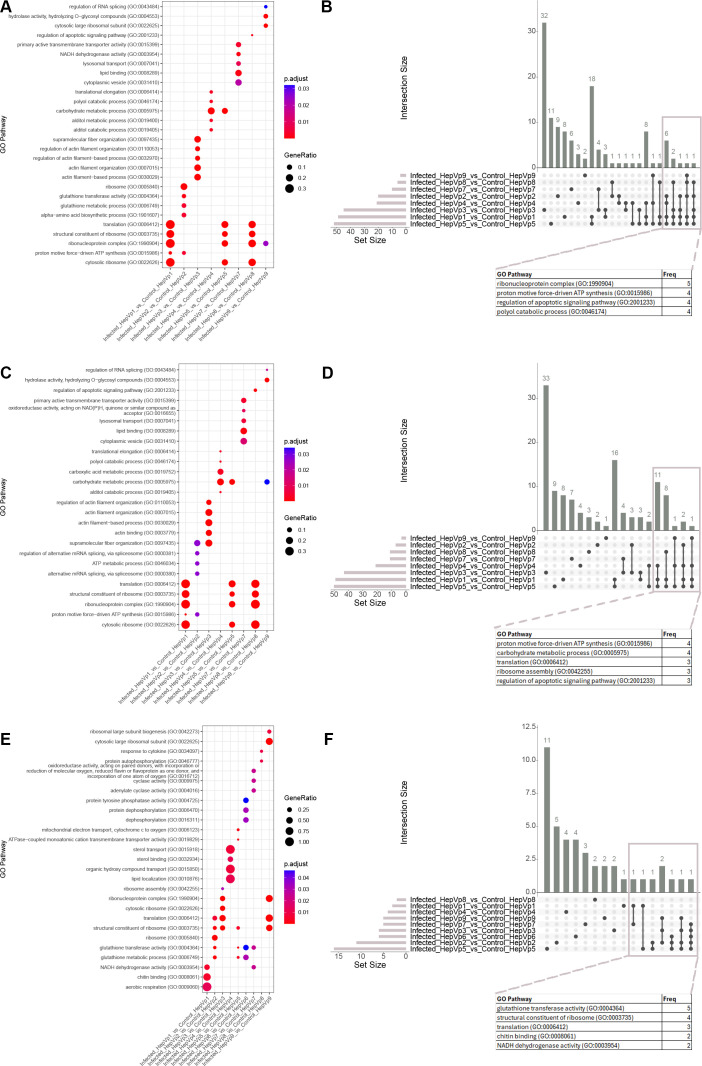 Figure 6
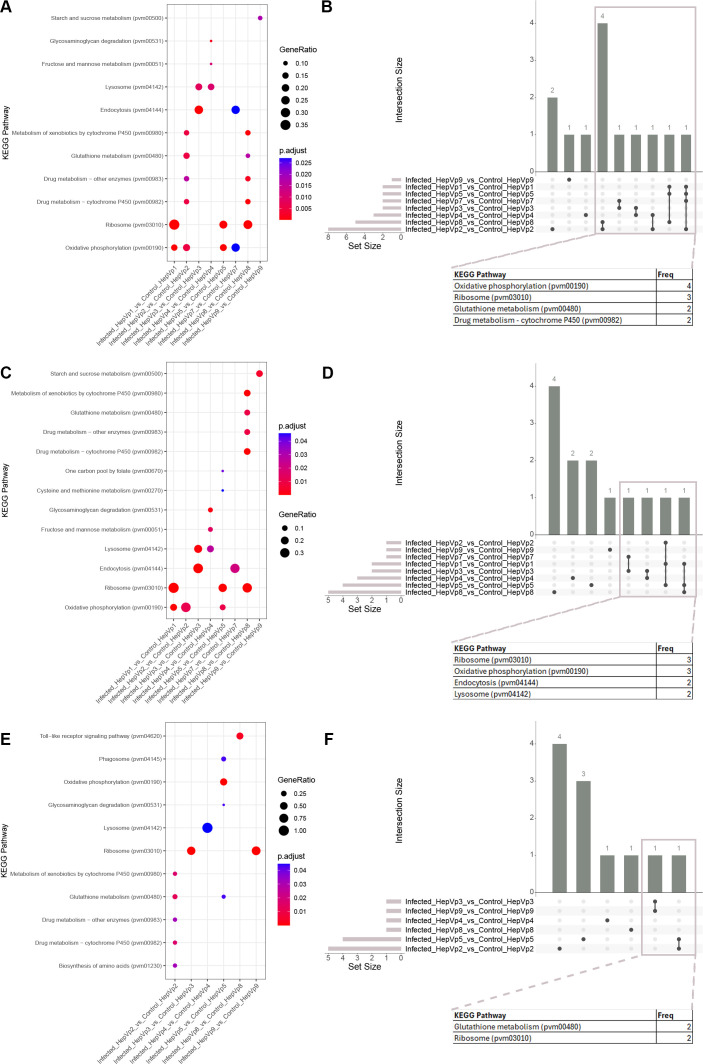 Figure 7
Peer Reviews
No public reviews on file for this paper yet. If you reviewed it on a platform where reviews are public (OpenReview, ICLR, NeurIPS, ICML), you can paste yours below so the community can read it here.
Videos
No videos yet. Explain this paper in a talk, walkthrough, or lecture? Add one.
Taxonomy
TopicsInvertebrate Immune Response Mechanisms · Aquaculture disease management and microbiota · Vibrio bacteria research studies