Simulating the Use of Discontinuous Patterned Hydrogel to Improve Inter‐Electrode Resistance on Electrode Arrays
Mark L. Reeves, T. Jamie Healey, Avril D. McCarthy

TL;DR
Researchers developed a discontinuous patterned hydrogel to reduce stimulation spread in electrode arrays, improving current density for potential spasticity treatment.
Contribution
A novel discontinuous patterned hydrogel design is proposed to enhance inter-electrode resistance in electrode arrays.
Findings
Simulation results showed reduced stimulation spread with patterned hydrogel compared to continuous hydrogel.
Laboratory testing confirmed the improved performance of patterned hydrogel over time.
The benefits of patterned hydrogel were consistent across variations in resistivity of hydrogel, skin, and subcutaneous tissue.
Abstract
A novel form of sensory stimulation aiming to treat spasticity has been developed, and a clinical trial is currently underway. This uses an electrode array controlled by a programmable 64‐channel stimulator to spatially vary the electrical stimulation over time. However, when a continuous layer of hydrogel interfaces between the array and skin, stimulation spreads, causing lower current densities applied over larger areas of tissue. A new approach was developed, modeled, and tested, utilizing discontinuous patterned hydrogel to improve inter‐electrode resistance on electrode arrays. Finite‐difference modeling was used to estimate stimulation distribution within the hydrogel and subcutaneous tissue under the electrode array. Repeated simulations modeled changes due to variations in hydrogel, skin, and subcutaneous tissue resistivity. Properties of both continuous sheets and patterned…
Genes, proteins, chemicals, diseases, species, mutations and cell lines named across the full text — each resolved to its canonical identifier and authoritative record.
Click any figure to enlarge with its caption.
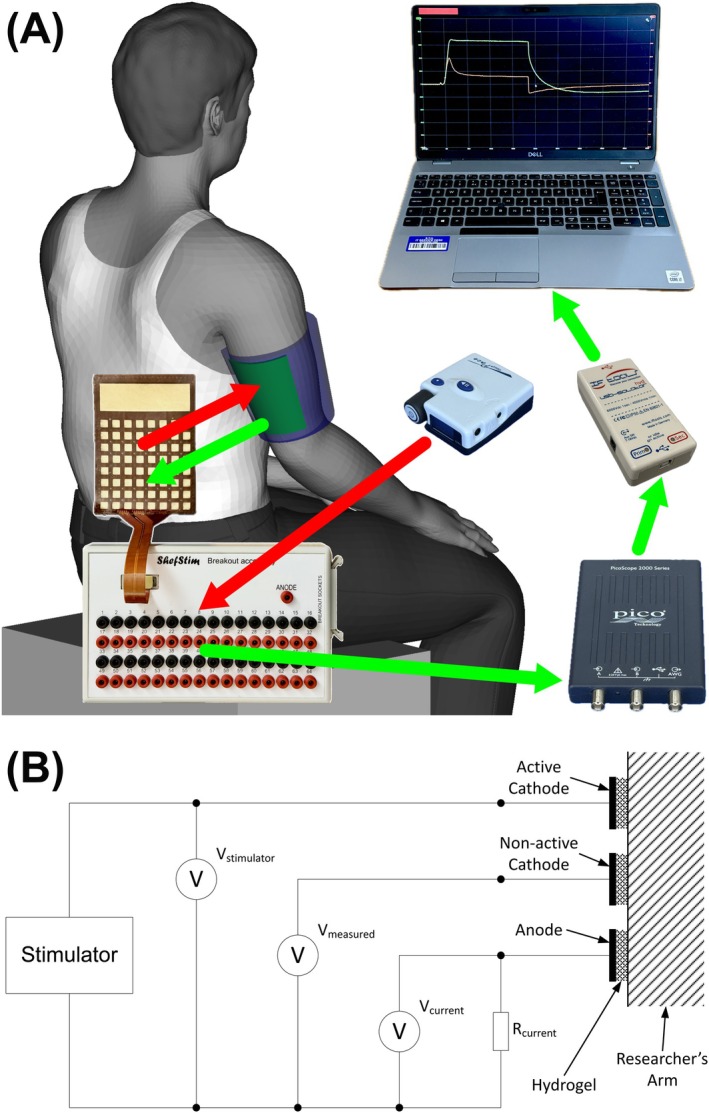 Figure 1
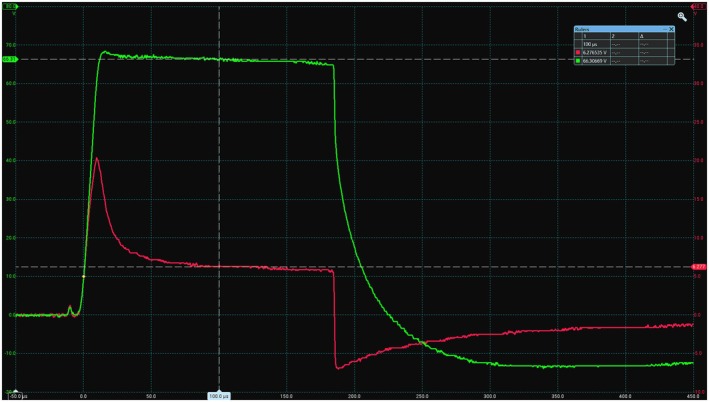 Figure 2
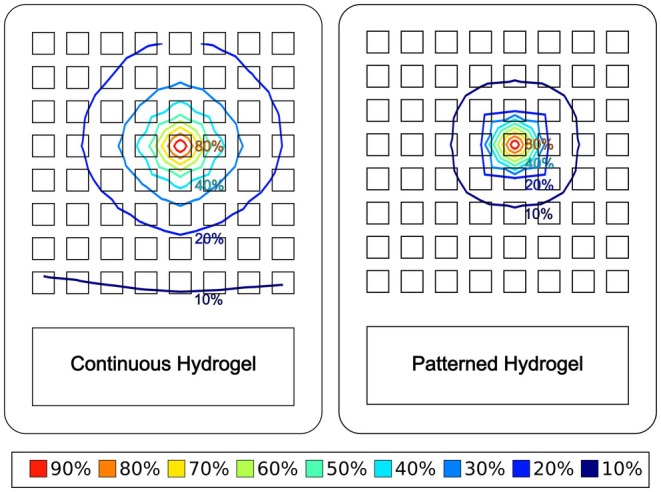 Figure 3
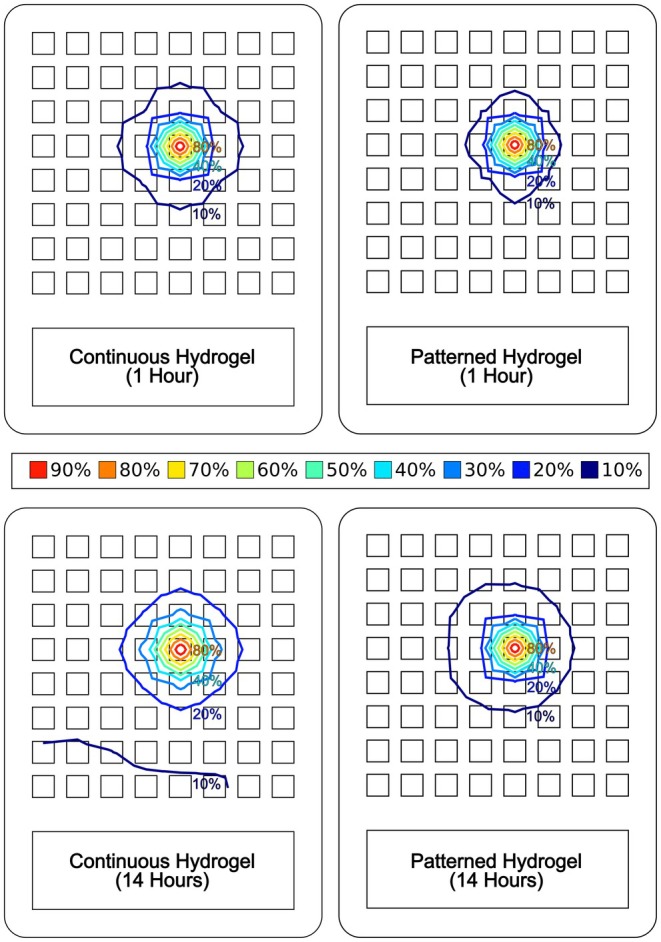 Figure 4
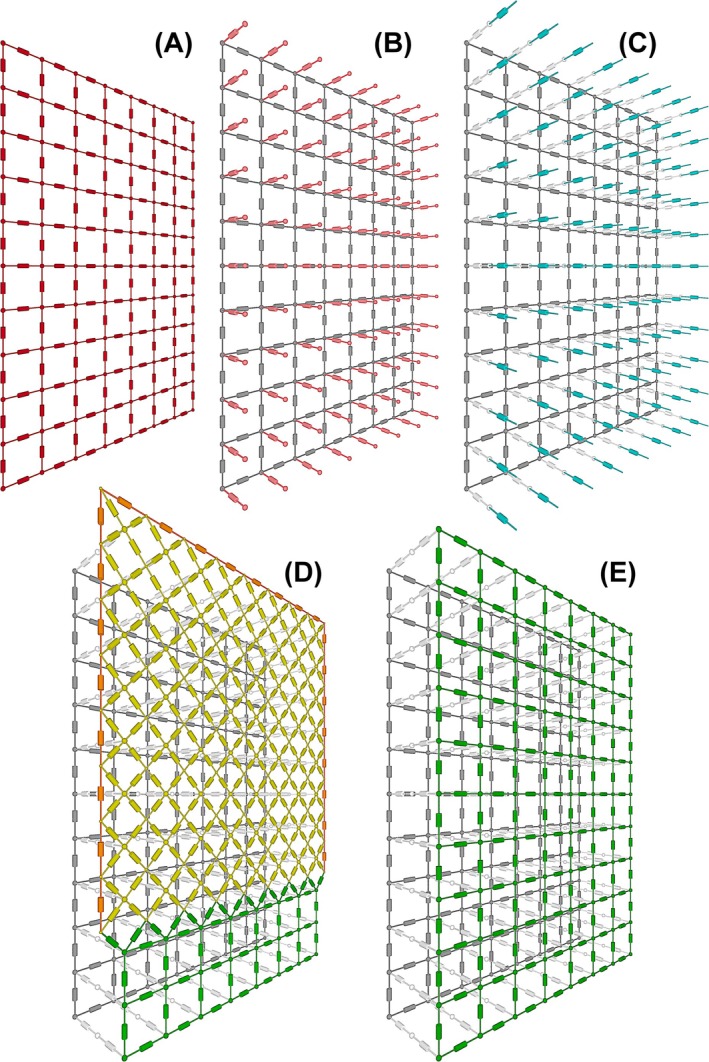 Figure 5
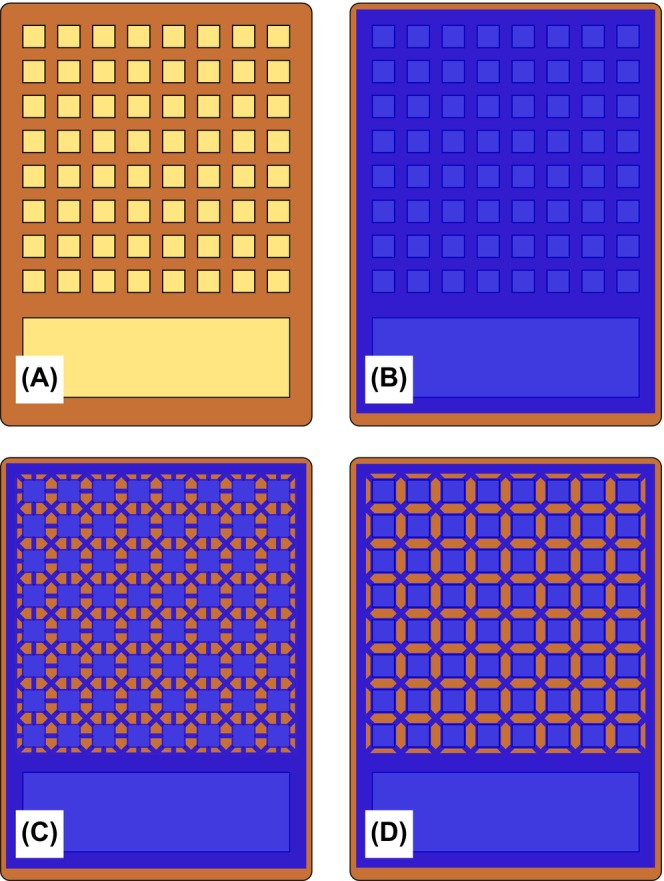 Figure 6
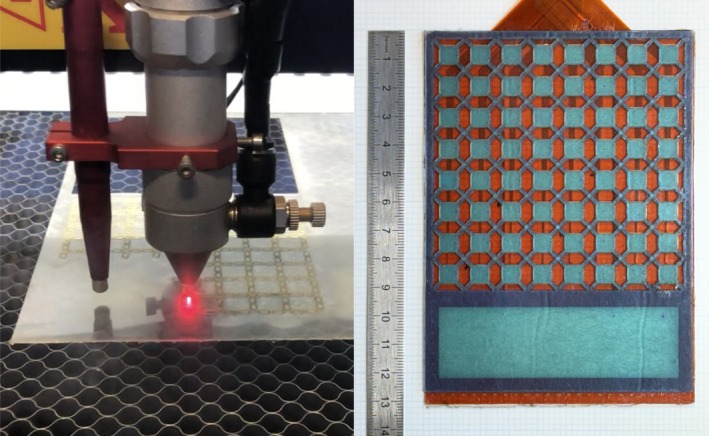 Figure 7
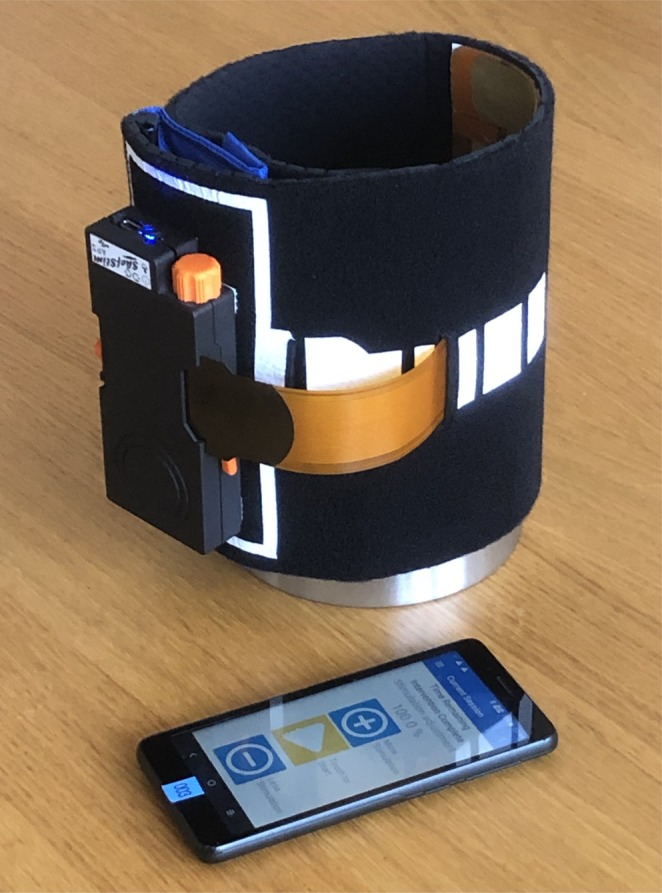 Figure 8
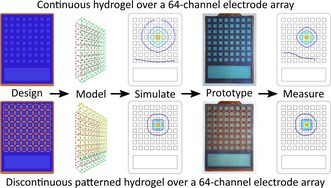 Figure 9
Peer Reviews
No public reviews on file for this paper yet. If you reviewed it on a platform where reviews are public (OpenReview, ICLR, NeurIPS, ICML), you can paste yours below so the community can read it here.
Videos
No videos yet. Explain this paper in a talk, walkthrough, or lecture? Add one.
Taxonomy
TopicsNeuroscience and Neural Engineering · Muscle activation and electromyography studies · Botulinum Toxin and Related Neurological Disorders