A Comparison Study Between Electrical Muscle Stimulation and Transcutaneous Electrical Nerve Stimulation on Treatment of Myofascial Pain Syndrome
Seekaow Churproong, Benjamin Metcalfe, Polly Mcguigan, Dingguo Zhang

TL;DR
This study compares electrical muscle stimulation combined with stretching to traditional nerve stimulation for treating muscle pain, finding that the new method improves pain and sensitivity more effectively.
Contribution
The novel contribution is the development and evaluation of EMS combined with active stretching as a treatment for myofascial pain syndrome.
Findings
EMS combined with active stretching significantly improved pain intensity and pressure pain threshold compared to other methods.
EMS + AS showed greater PPT changes than sham stimulation and TENS, but no significant differences in pain intensity or muscle function.
EMS mimics therapist-assisted passive stretching by inducing localized contractions, potentially offering an effective MPS treatment.
Abstract
Myofascial pain syndrome (MPS) originates from myofascial trigger points (MTPs)– hypersensitive nodules commonly found in the trapezius muscle (TM) that cause pain and functional limitations. While transcutaneous electrical nerve stimulation (TENS) is a conventional treatment, a novel approach combining electrical muscle stimulation (EMS) with active stretching (AS) has recently been developed (EMS + AS). EMS electrodes were placed transversely across muscle fibers to induce localized contractions and thus greater stretch of MTP‐containing regions compared to AS alone. EMS plays a role similar to a therapist's hand in passive stretching in that it provides resistance force. Forty‐one participants with MTPs in the TM received single sessions of EMS + AS, sham stimulation (SS) + AS, and TENS. Each session included three 10‐s stimulations with 10‐s rest intervals. Pain intensity (PI),…
Genes, proteins, chemicals, diseases, species, mutations and cell lines named across the full text — each resolved to its canonical identifier and authoritative record.
Click any figure to enlarge with its caption.
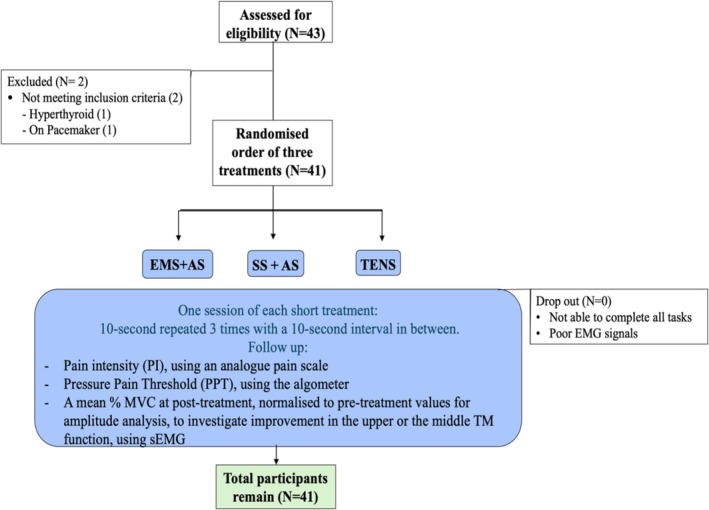 Figure 1
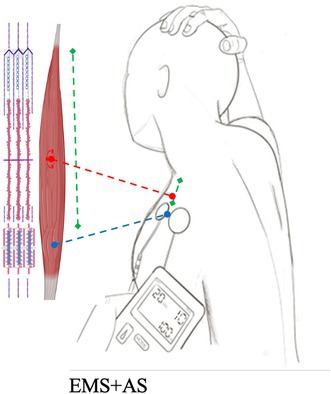 Figure 2
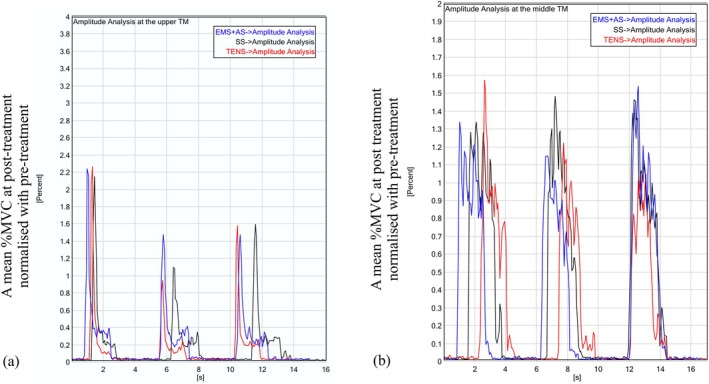 Figure 3
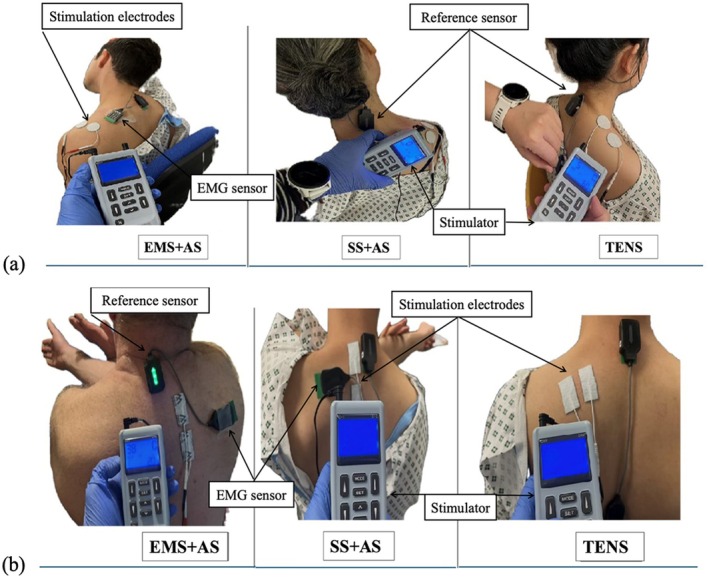 Figure 4
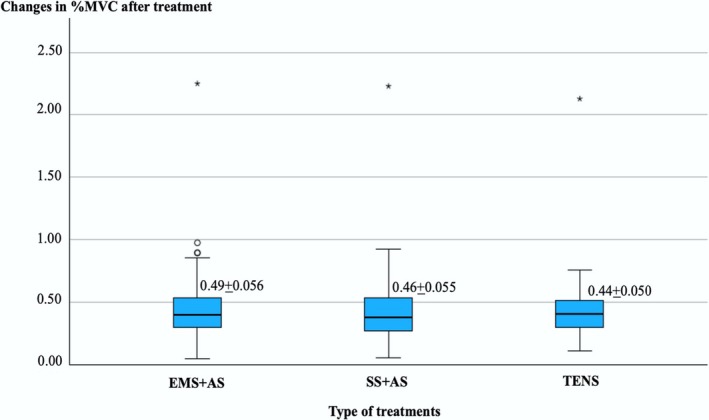 Figure 5
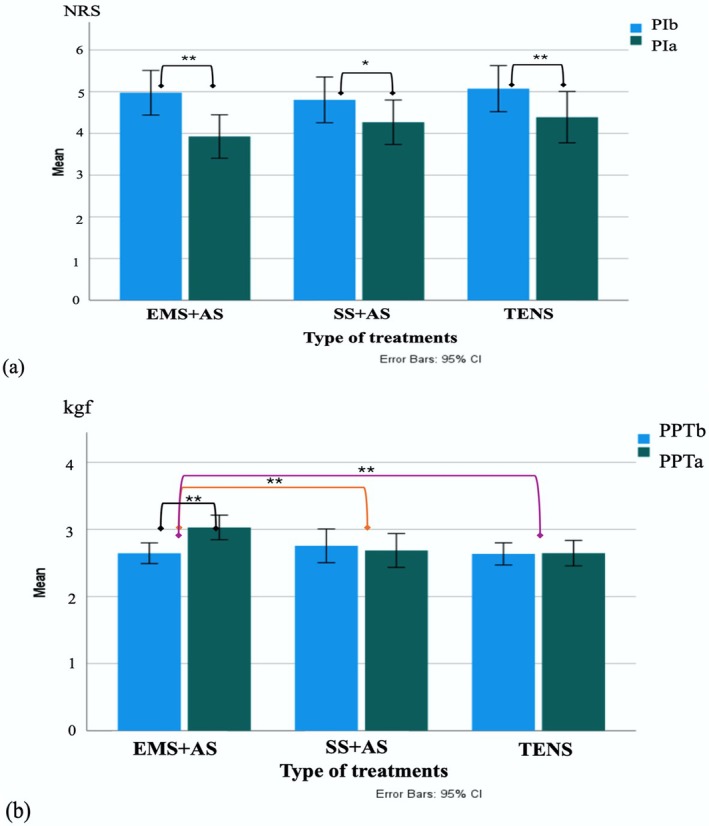 Figure 6
Peer Reviews
No public reviews on file for this paper yet. If you reviewed it on a platform where reviews are public (OpenReview, ICLR, NeurIPS, ICML), you can paste yours below so the community can read it here.
Videos
No videos yet. Explain this paper in a talk, walkthrough, or lecture? Add one.
Taxonomy
TopicsMyofascial pain diagnosis and treatment · Musculoskeletal pain and rehabilitation · Acupuncture Treatment Research Studies