Organic Electrochemical Transistors for Neuromorphic Devices and Applications
Kexin Xiang, Jiajun Song, Hong Liu, Junxin Chen, Feng Yan

TL;DR
This paper reviews how organic electrochemical transistors can be used to create brain-like devices that mimic neurons and synapses for advanced computing and biointerfaces.
Contribution
The paper provides a comprehensive review of OECTs for neuromorphic applications, highlighting their unique properties and integration potential.
Findings
OECTs offer compatibility with flexible substrates and low-voltage operation for neuromorphic devices.
They can emulate both neuronal and synaptic activities, enabling hardware-level artificial neural networks.
OECTs show promise for applications in flexible biointerfaces and neuromorphic computing.
Abstract
Neuromorphic engineering, an interdisciplinary field bridging bioelectronics and neuroscience, endeavors to address the bottleneck of the von Neumann architecture by constructing hardware‐level artificial neural networks (ANNs) and replicate the complicated architecture and functionality of the human brain, heralding a new era of intelligent sensing, processing, and computing systems. Organic electrochemical transistors (OECTs), which operate via the bulk doping of organic mixed ionic–electronic conductors, are emerging as promising platforms for neuromorphic devices that emulate neuronal and synaptic activities while seamlessly integrating with biological systems. OECTs offer several advantages, including compatibility with flexible and stretchable substrates, tunable ionic and electronic conductivity, multimodal sensing capability, and operation at low voltages. This review aims to…
Genes, proteins, chemicals, diseases, species, mutations and cell lines named across the full text — each resolved to its canonical identifier and authoritative record.
Click any figure to enlarge with its caption.
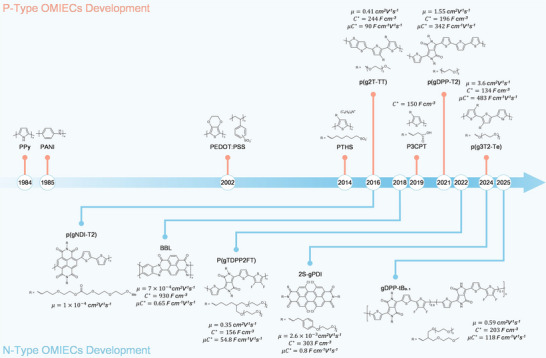 Figure 1
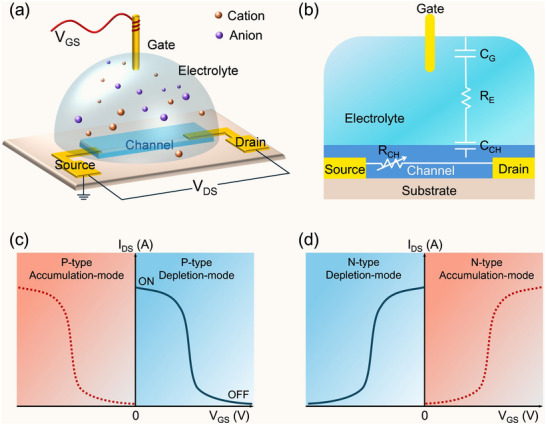 Figure 2
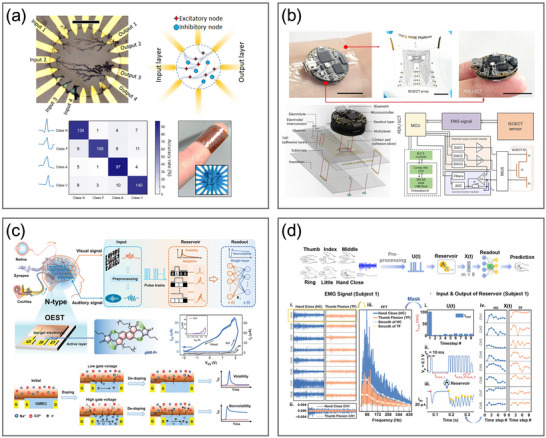 Figure 3
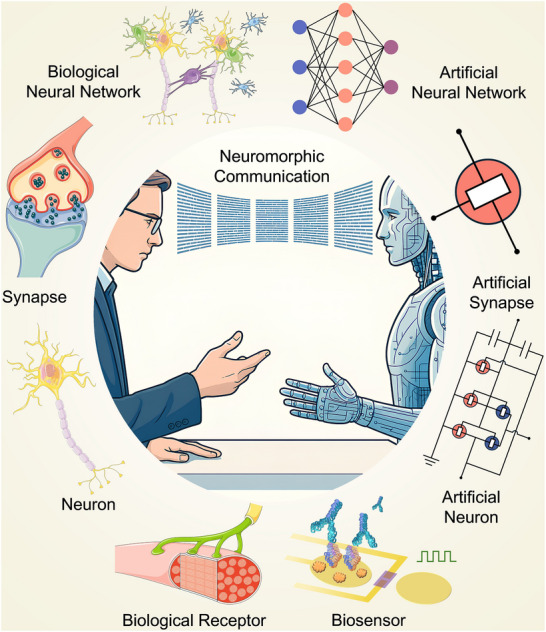 Figure 4
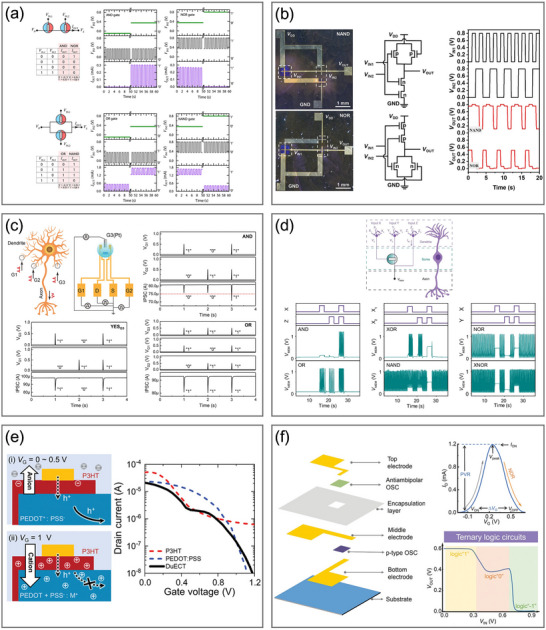 Figure 5
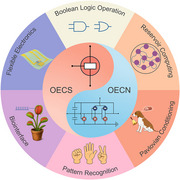 Figure 6
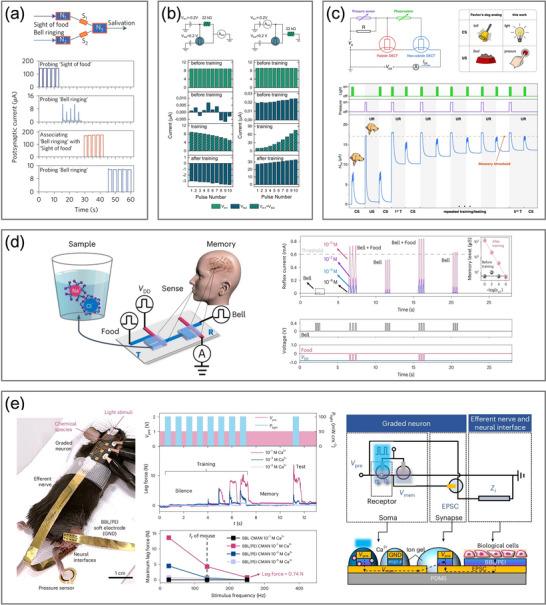 Figure 7
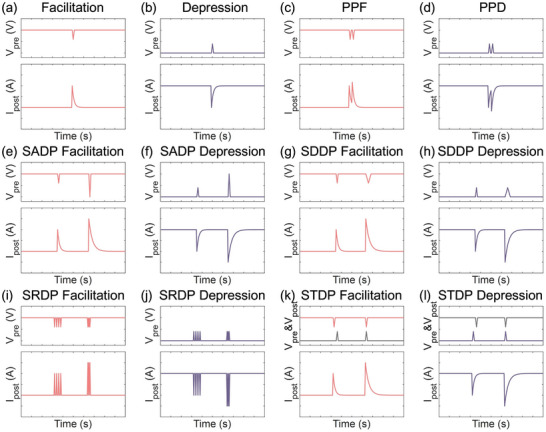 Figure 8
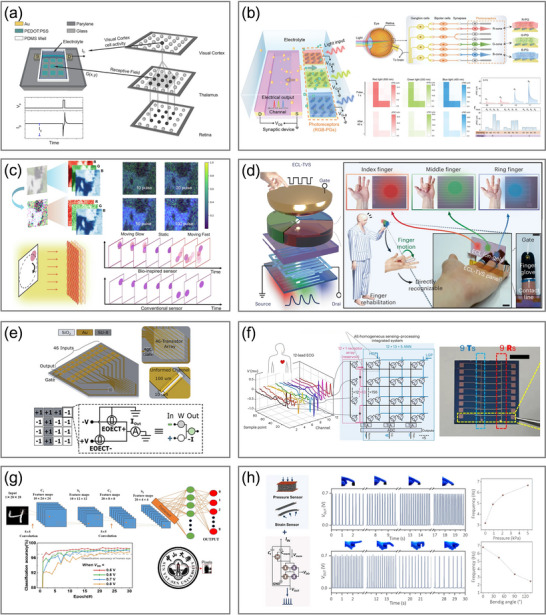 Figure 9
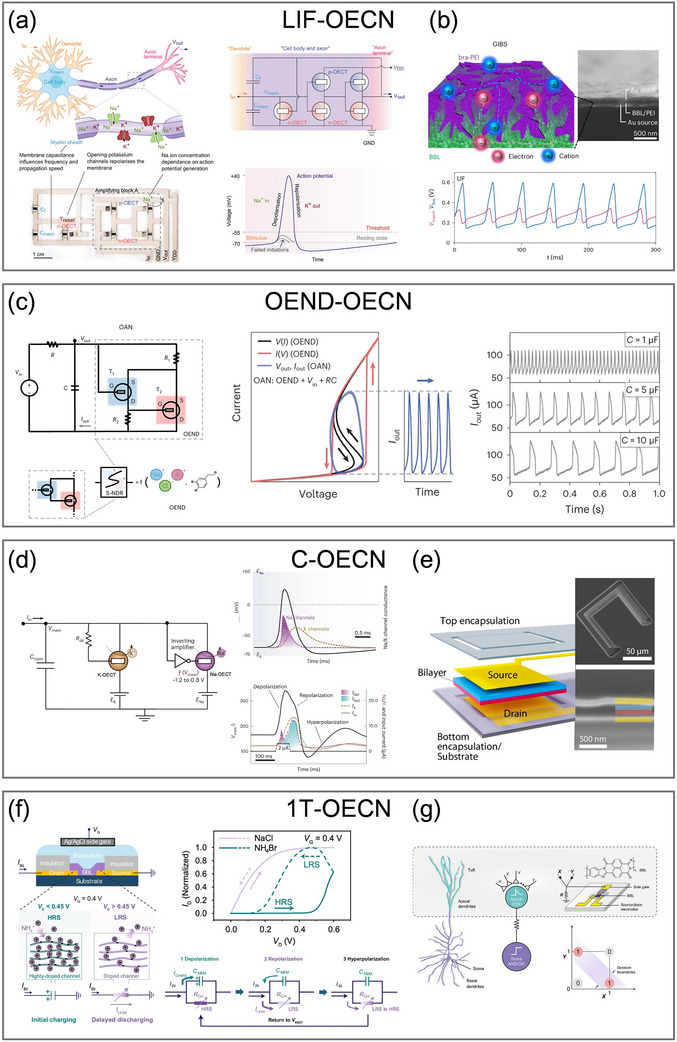 Figure 10
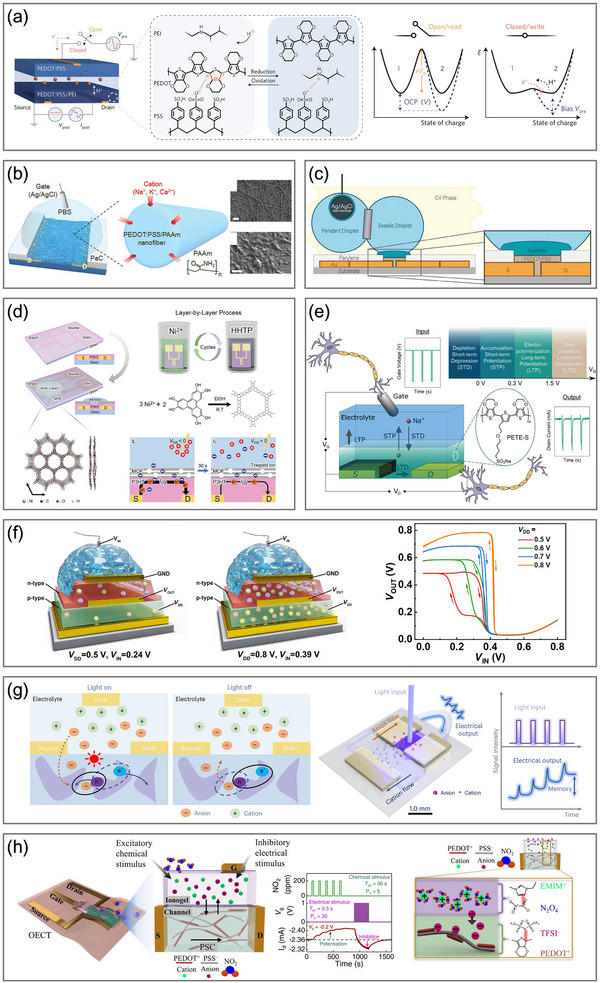 Figure 11
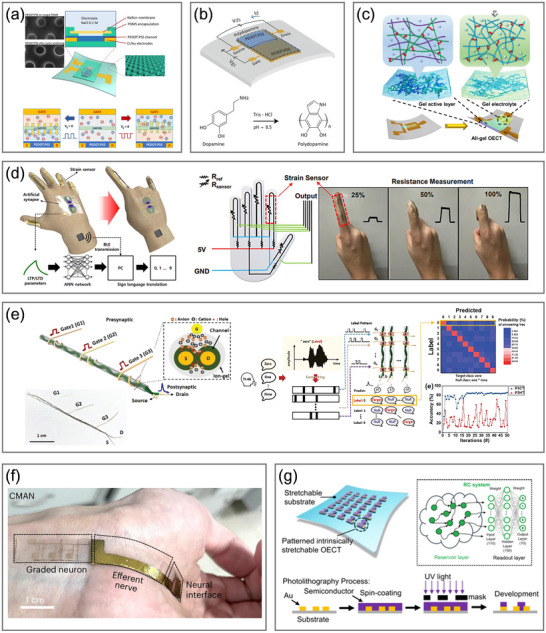 Figure 12
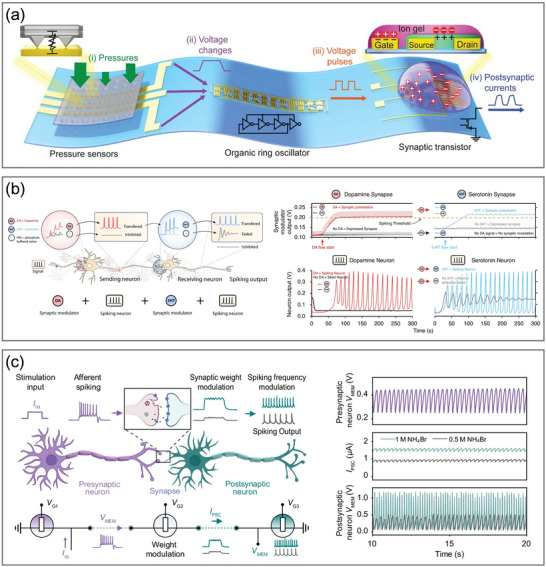 Figure 13
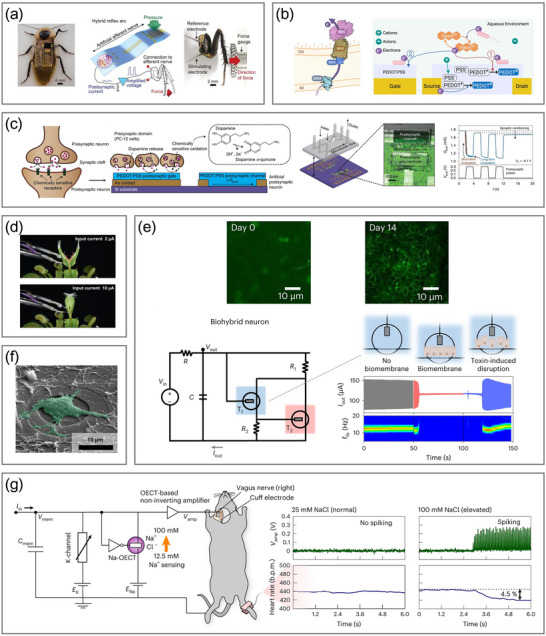 Figure 14
Peer Reviews
No public reviews on file for this paper yet. If you reviewed it on a platform where reviews are public (OpenReview, ICLR, NeurIPS, ICML), you can paste yours below so the community can read it here.
Videos
No videos yet. Explain this paper in a talk, walkthrough, or lecture? Add one.
Taxonomy
TopicsAdvanced Memory and Neural Computing · Conducting polymers and applications · Supercapacitor Materials and Fabrication