Beyond vascular recanalization: precision medicine in cervical artery dissection guided by multiple mechanisms and multimodal imaging for brain functional recovery
Tao Li, Linna Li, Kexin Zhao, Jiaqi Dai, Xueliang Tian, Xuanxiao Zhang, Shuo Yin, Wenjing Lan, Hongwei Zhou

TL;DR
This review explores how understanding multiple mechanisms and using advanced imaging can help improve recovery from cervical artery dissection through personalized treatment.
Contribution
The paper introduces a multidimensional approach to precision medicine in cervical artery dissection guided by multimodal imaging and biological mechanisms.
Findings
CAD prognosis is influenced by vascular recanalization outcomes and pathological heterogeneity.
Advanced imaging and clinico-anatomical classification systems are key for understanding CAD mechanisms.
Translational animal models and biological insights can guide personalized therapeutic strategies.
Abstract
Cervical artery dissection (CAD), a critical etiological contributor of stroke in young adults, exerts direct influence on neurological prognosis through its vascular recanalization outcomes. However, pathological heterogeneity and ongoing controversies surrounding treatment strategies hinder the optimization of clinical decision-making; its prognosis is often not favorable. At present, there are a relative paucity of studies on recanalization of CAD. This review provides a concise overview of the pathological mechanisms and clinical challenges associated with CAD, along with recent advancements in advanced imaging modalities and clinico-anatomical classification systems. Furthermore, we critically evaluate current therapeutic paradigms and factors influencing recanalization while elucidating potential biological mechanisms underlying vascular restoration. A systematic analysis of…
Genes, proteins, chemicals, diseases, species, mutations and cell lines named across the full text — each resolved to its canonical identifier and authoritative record.
Click any figure to enlarge with its caption.
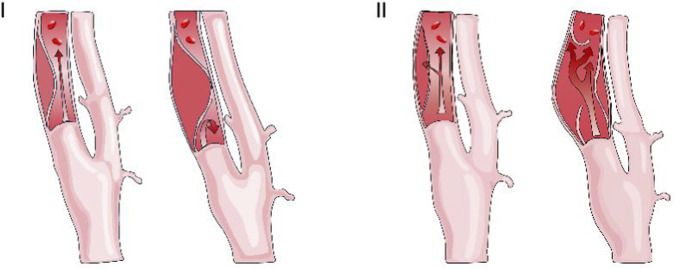 Figure 1
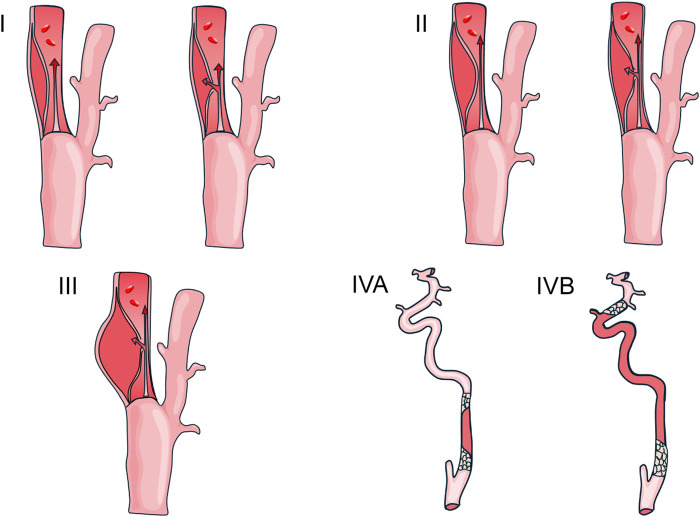 Figure 2
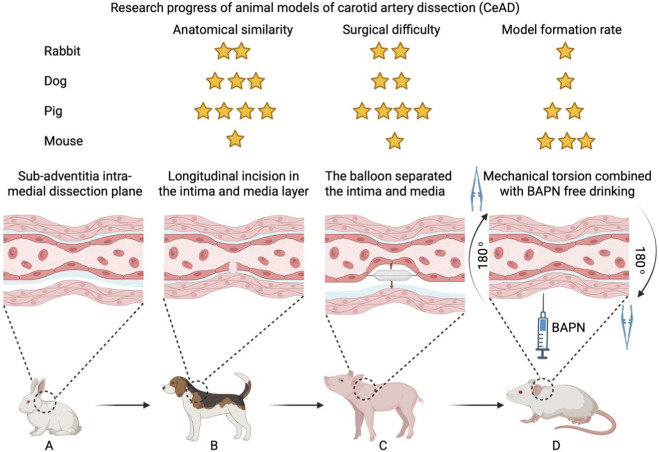 Figure 3
Peer Reviews
No public reviews on file for this paper yet. If you reviewed it on a platform where reviews are public (OpenReview, ICLR, NeurIPS, ICML), you can paste yours below so the community can read it here.
Videos
No videos yet. Explain this paper in a talk, walkthrough, or lecture? Add one.
Taxonomy
TopicsIntracranial Aneurysms: Treatment and Complications · Moyamoya disease diagnosis and treatment · Vascular Malformations Diagnosis and Treatment