Unidirectional genomic introgression facilitates the colonization of an invasive orchid in arid, metal-enriched sedimentary habitats
Zhenbin Jiao, Zhiyao Ren, Chao Hu, Xiaokai Ma, Guo-Qiang Zhang, Li-Jun Chen, Gang Wei, Dong-Hui Peng, Siren Lan, Yi-Bo Luo, Zhong-Jian Liu

TL;DR
This study shows how gene transfer from a local orchid to an invasive species helps it survive in harsh, dry, and metal-rich environments.
Contribution
The study reveals unidirectional introgression and identifies specific genes involved in stress adaptation in invasive orchids.
Findings
Introgressed regions contain genes that help the invasive orchid tolerate drought and metal-ion stress.
Specific genes like CDPK, HHP, and CIPK23 show distinct selection and expression patterns linked to stress responses.
Unidirectional introgression aids colonization of extreme habitats by invasive Dendrobium species.
Abstract
Genes that introgress between species can influence the evolutionary and ecological fate of recipients exposed to novel environments. However, key questions on the patterns and molecular mechanisms of introgression in perennial herbaceous plants, which enable distantly related invasive species to thrive in extreme habitats, remain largely unanswered. Here, we report unidirectional introgression from the local species Dendrobium huoshanense to the distantly related invasive species Dendrobium catenatum (Dendrobium officinale) in lithophytic habitats of eastern China. The introgressed regions, which comprise approximately 1% of the genome, contain genes that regulate responses to drought, cold, and metal-ion stresses. Notably, introgressed loci such as CDPK, HHP, PIF, BRI1, and FY show distinct selection signatures and differential expression compared with their paralogs, each playing a…
Genes, proteins, chemicals, diseases, species, mutations and cell lines named across the full text — each resolved to its canonical identifier and authoritative record.
Click any figure to enlarge with its caption.
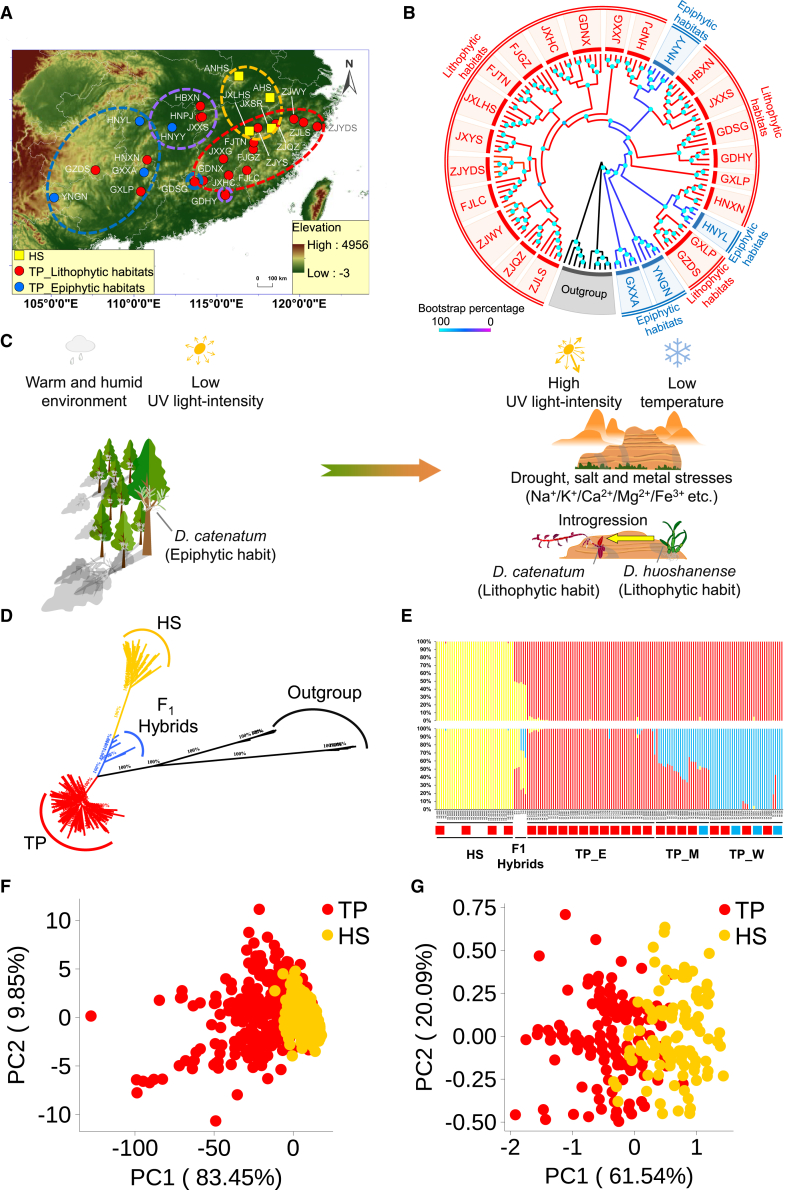 Figure 1
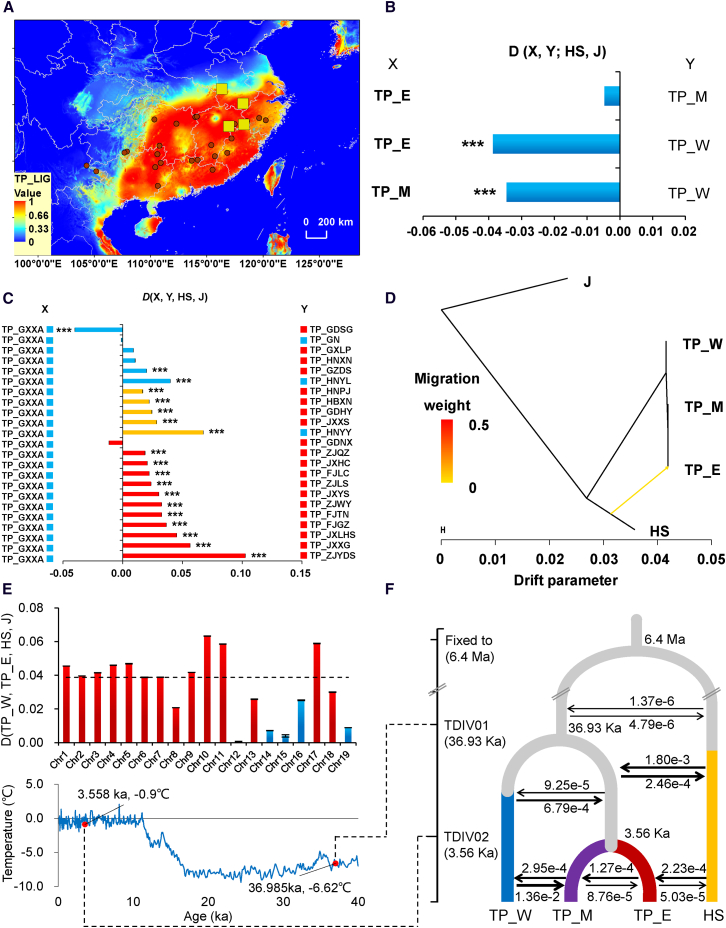 Figure 2
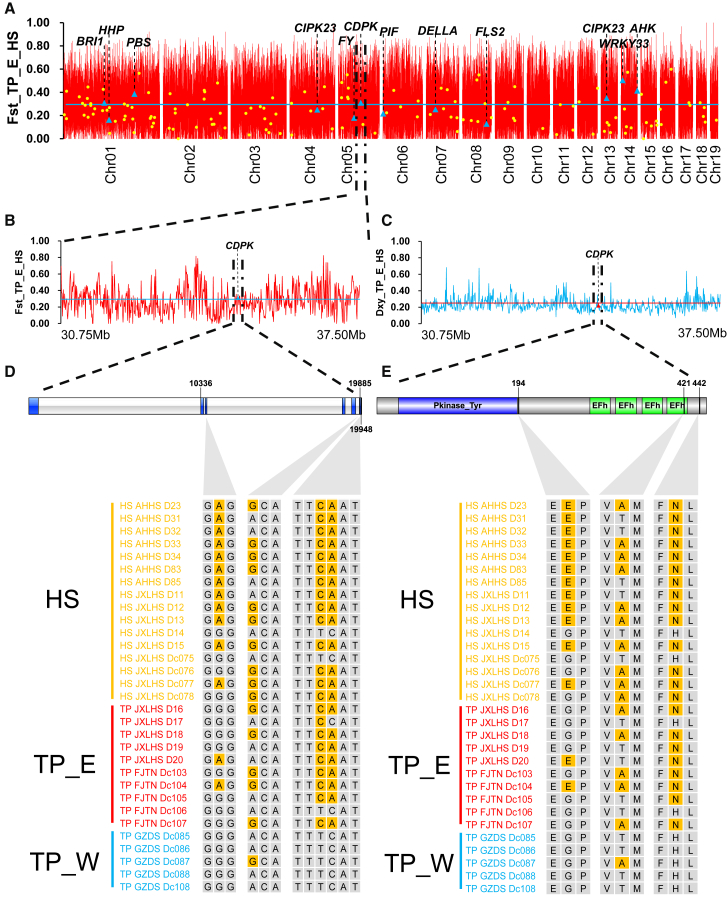 Figure 3
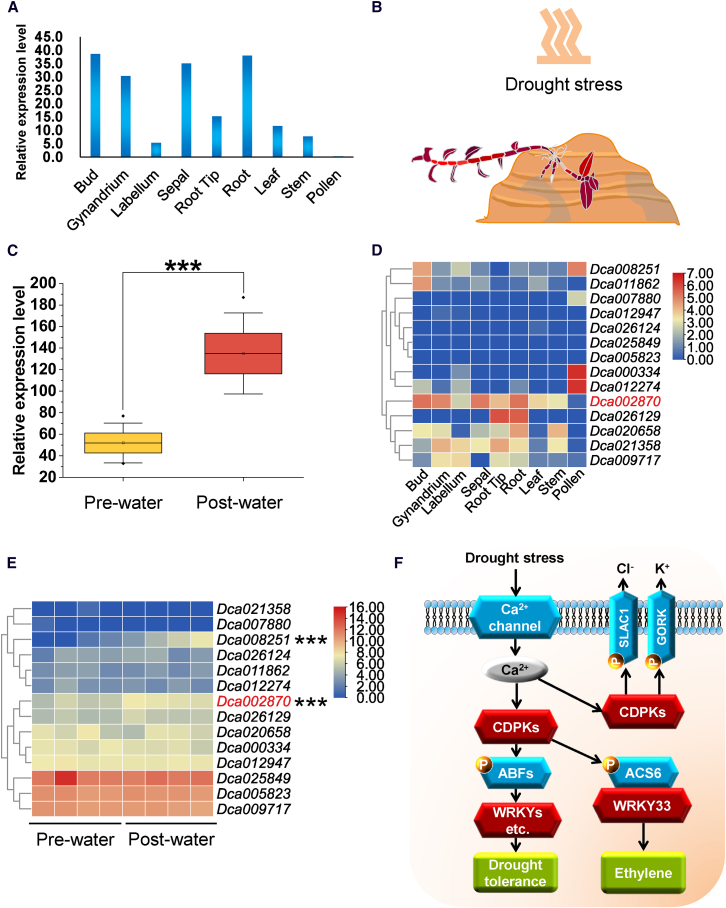 Figure 4
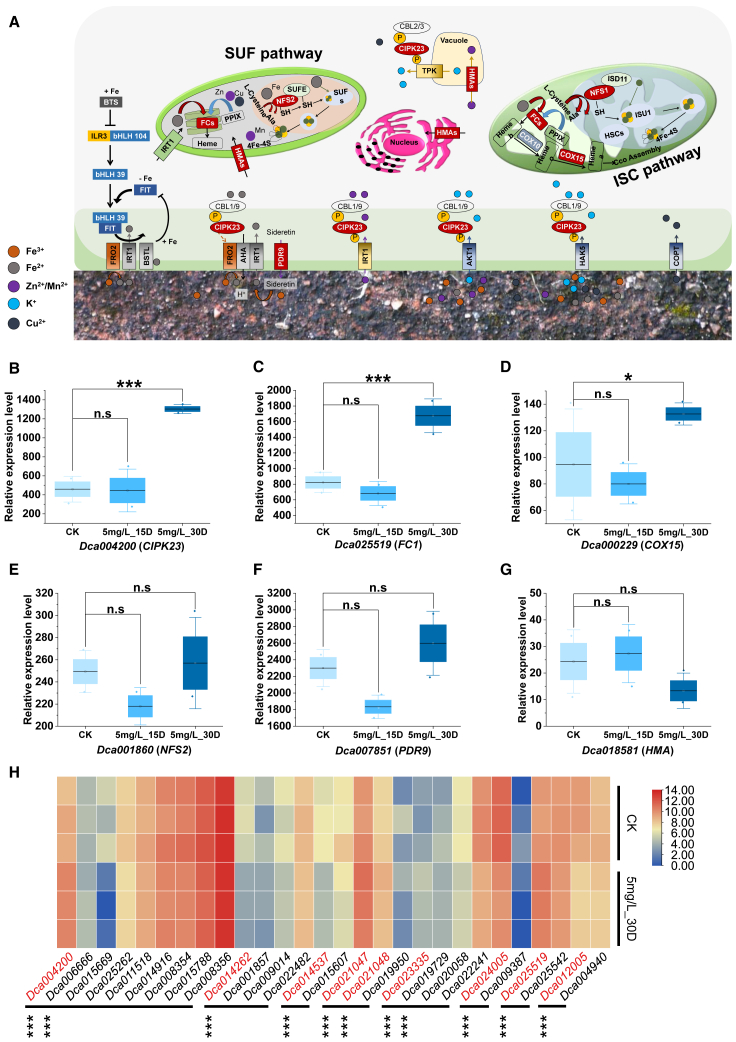 Figure 5
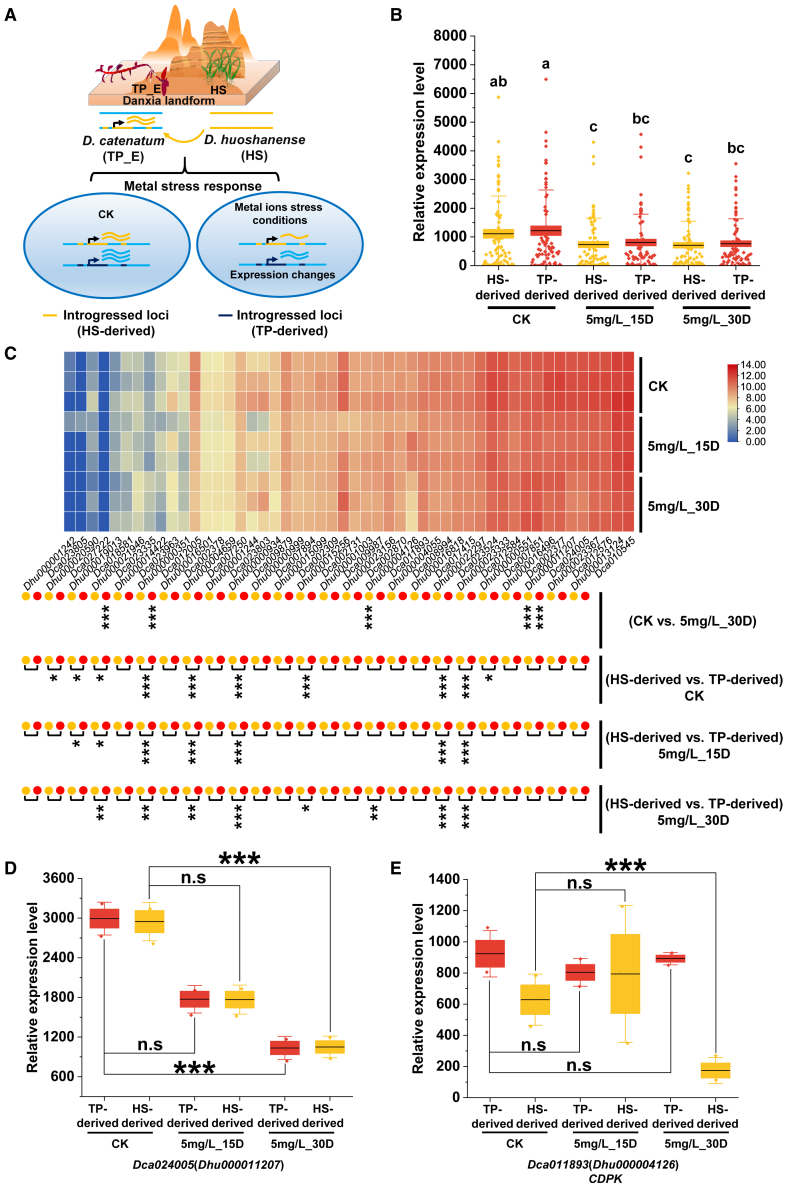 Figure 6
Peer Reviews
No public reviews on file for this paper yet. If you reviewed it on a platform where reviews are public (OpenReview, ICLR, NeurIPS, ICML), you can paste yours below so the community can read it here.
Videos
No videos yet. Explain this paper in a talk, walkthrough, or lecture? Add one.
Taxonomy
TopicsEnvironmental DNA in Biodiversity Studies · Coastal wetland ecosystem dynamics · Lichen and fungal ecology