Atrial fibrillation detection performance of an insertable cardiac monitor: Results from an Assert-IQ post-market clinical study and a novel artificial intelligence algorithm
Ulrika Birgersdotter-Green, Willibaldo Ojeda, Harish Manyam, Alvaro Manrique Garcia, George E. Manoukian, Mohammad-Ali Jazayeri, Frank Cuoco, Frederick Han, Michael Katcher, Rakesh Gopinathannair, Dale Yoo, Lin Feng, Fujian Qu, Wenjiao Lin, Kwangdeok Lee, Vishnu Charan

TL;DR
This study shows that the Assert-IQ cardiac monitor accurately detects atrial fibrillation and a new AI algorithm significantly reduces false alarms.
Contribution
A novel AI algorithm is introduced that reduces false positives in AF detection without compromising sensitivity.
Findings
Assert-IQ ICM achieved high sensitivity (93.0%) and specificity (99.3%) in AF detection.
The AI algorithm reduced false positives by 72.6% and improved PPV from 79.9% to 93.6%.
AF burden correlation between ICM and Holter was excellent (r = 0.99).
Abstract
Accurate atrial fibrillation (AF) detection and burden assessment are critical features of modern insertable cardiac monitors (ICMs), enabling precise determination of AF episode patterns, frequency, duration, and total burden to guide treatments. This study aimed to evaluate the AF detection performance of the Assert-IQ ICM and assess the impact of an artificial intelligence (AI) algorithm designed for reducing false-positive AF episodes. This prospective, single-arm, multicenter study enrolled 151 subjects with symptomatic, drug-refractory paroxysmal or persistent AF. A Holter assessment was conducted after ICM insertion. AF detection metrics—sensitivity, specificity, positive predictive value (PPV), and negative predictive value—were evaluated by comparing ICM detections with core laboratory–annotated Holter AF events. The impact of an AI algorithm on AF detection performance was…
Genes, proteins, chemicals, diseases, species, mutations and cell lines named across the full text — each resolved to its canonical identifier and authoritative record.
Click any figure to enlarge with its caption.
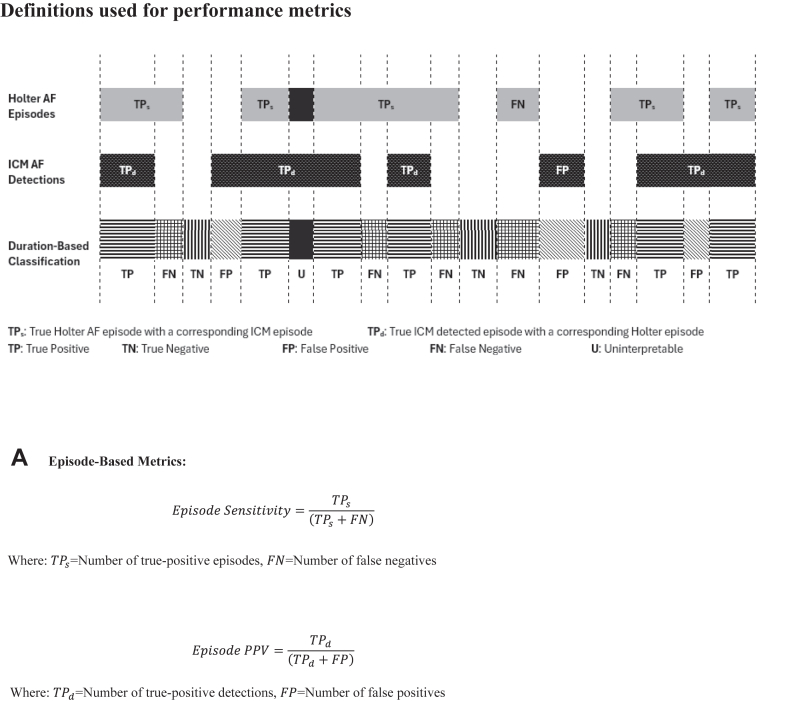 Figure 1
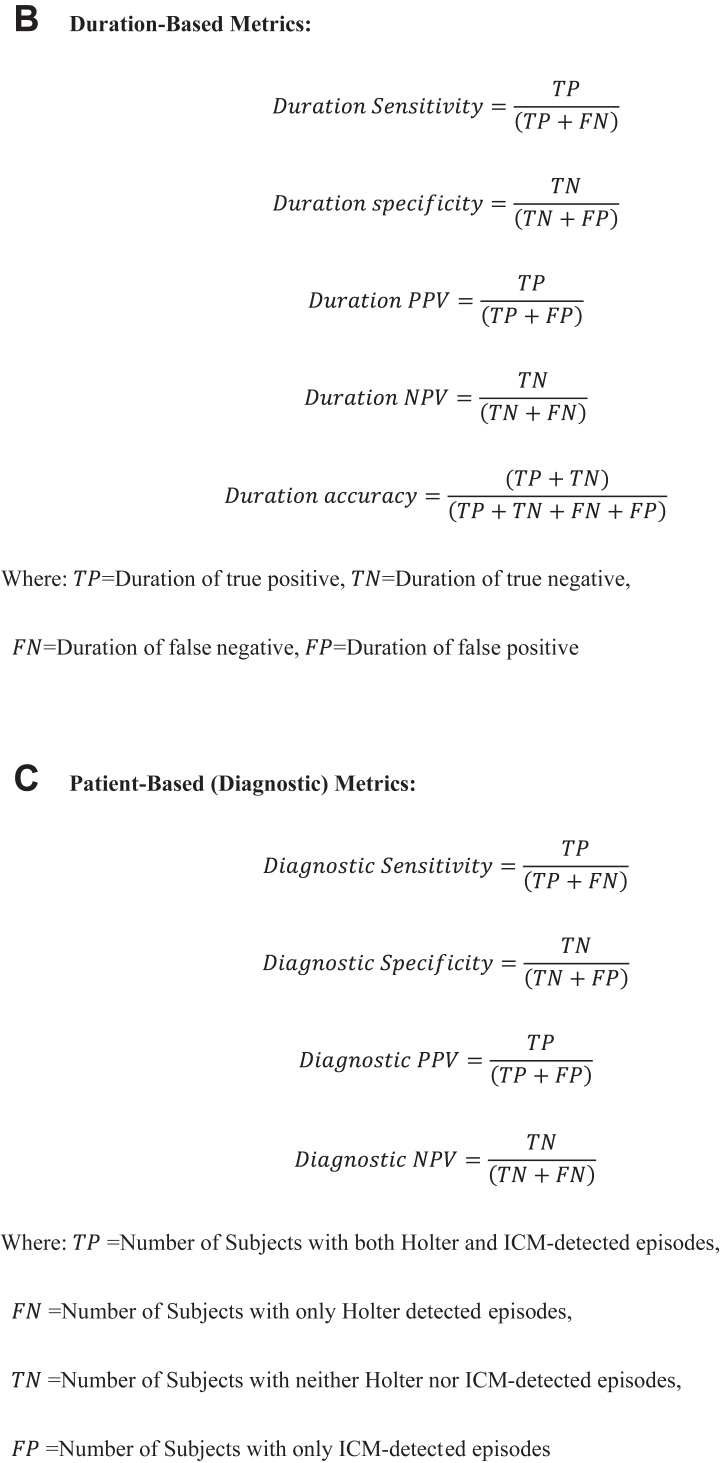 Figure 2
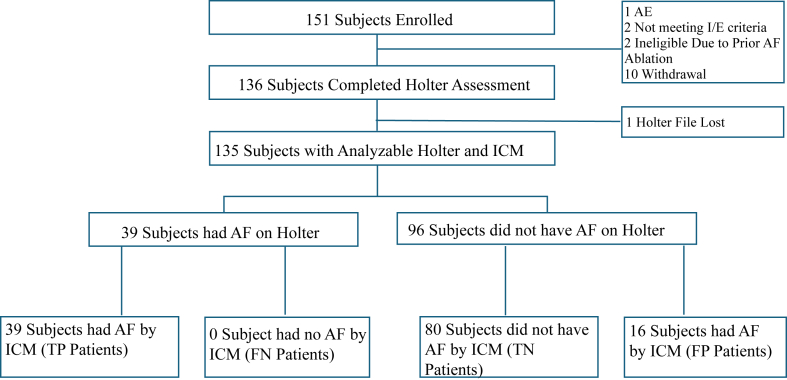 Figure 3
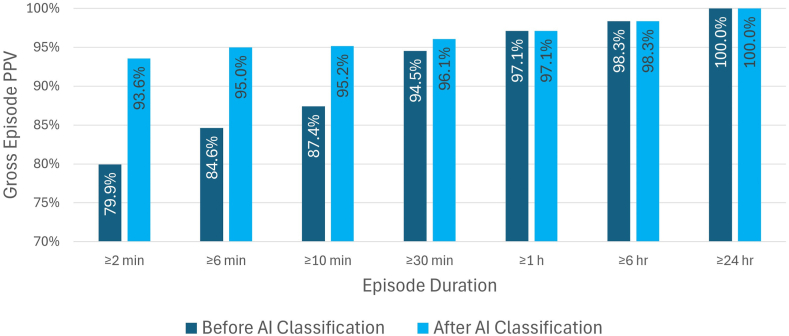 Figure 4
Peer Reviews
No public reviews on file for this paper yet. If you reviewed it on a platform where reviews are public (OpenReview, ICLR, NeurIPS, ICML), you can paste yours below so the community can read it here.
Videos
No videos yet. Explain this paper in a talk, walkthrough, or lecture? Add one.
Taxonomy
TopicsAtrial Fibrillation Management and Outcomes · Cardiac pacing and defibrillation studies · Healthcare Technology and Patient Monitoring