Integrated Multiomics Elucidates Molecular Mechanisms of Bisphenol A in Exacerbating Crohn’s Disease
Liangliang Dai, Chenjie Qiu

TL;DR
This study explores how the chemical BPA worsens Crohn's disease by disrupting genes involved in inflammation and immune function.
Contribution
The study identifies key genes and proteins through which BPA exacerbates Crohn’s disease, offering new therapeutic targets.
Findings
65 overlapping genes between BPA and Crohn’s disease were identified, linked to inflammation and immune pathways.
Five core genes (HGF, IL1R1, MMP1, MMP2, NTRK2) showed strong diagnostic performance and binding affinity with BPA.
Immune infiltration analysis linked core genes to immune cell subsets like Tr1, Th17, and Tfh cells.
Abstract
Bisphenol A (BPA), a widespread environmental endocrine‐disrupting chemical, has been associated with the development and progression of Crohn’s disease (CD), yet its precise molecular mechanisms remain unclear. We aimed to systematically elucidate the potential molecular mechanisms by which BPA exacerbates CD and to identify key biomarkers and therapeutic targets. BPA‐related targets and CD transcriptomic datasets (GSE36807, GSE75214, and GSE95095) were retrieved from public databases. Overlapping genes were identified and subjected to functional enrichment and protein–protein interaction (PPI) network analysis. Multiple machine learning algorithms were employed to screen for core genes, and molecular docking was used to validate the binding affinity between BPA and core proteins. Immune infiltration analysis and regulatory network construction were performed to explore the roles of…
Genes, proteins, chemicals, diseases, species, mutations and cell lines named across the full text — each resolved to its canonical identifier and authoritative record.
Click any figure to enlarge with its caption.
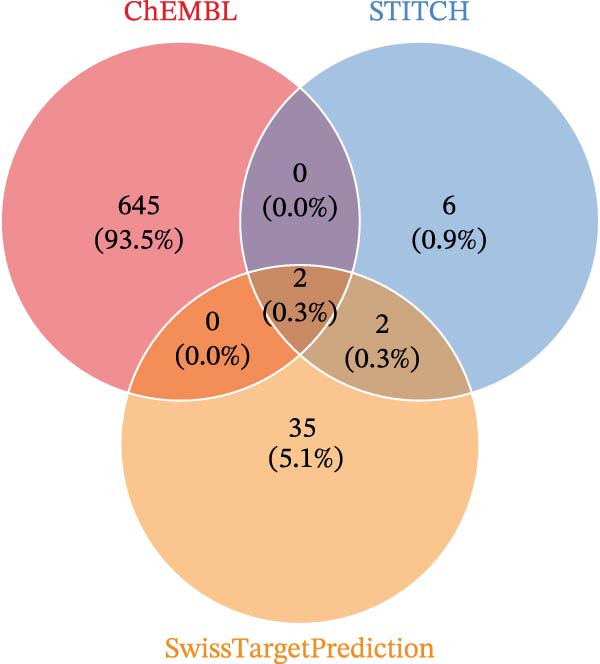 Figure 1
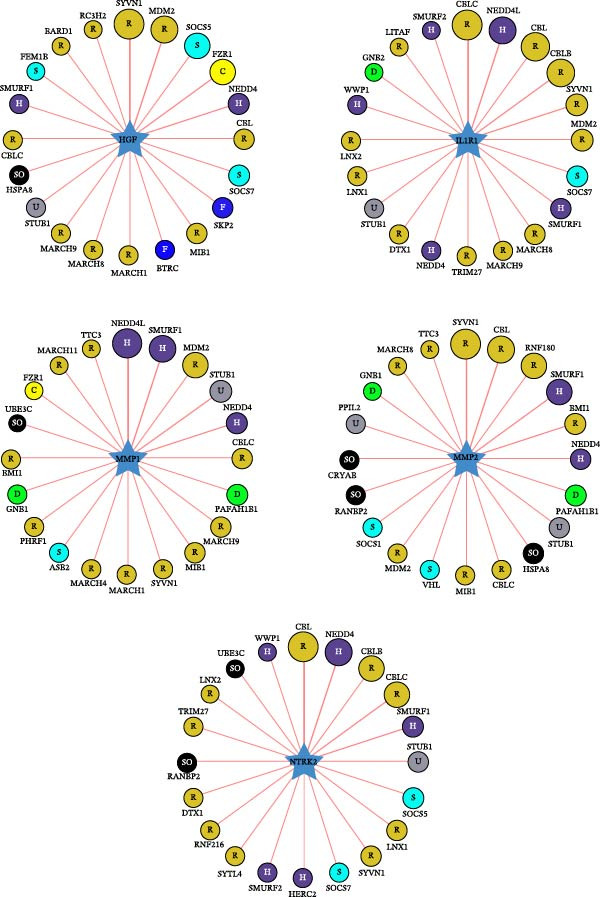 Figure 2
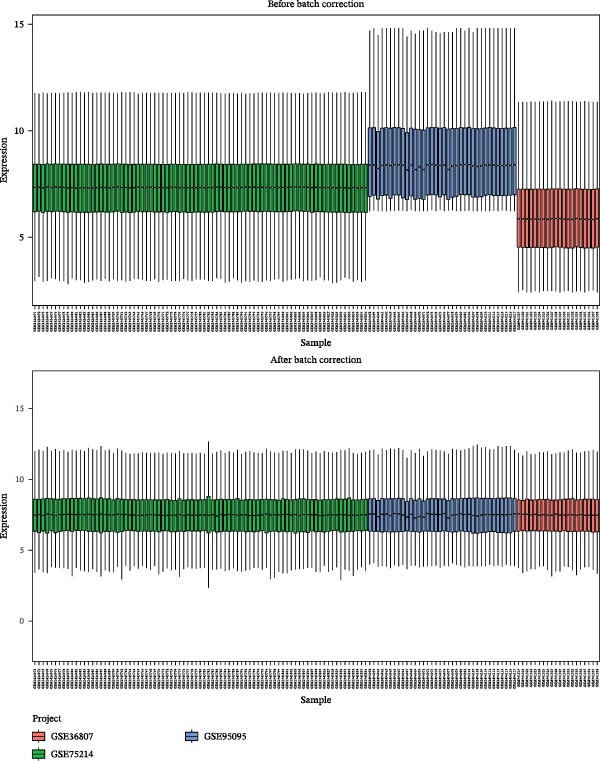 Figure 3
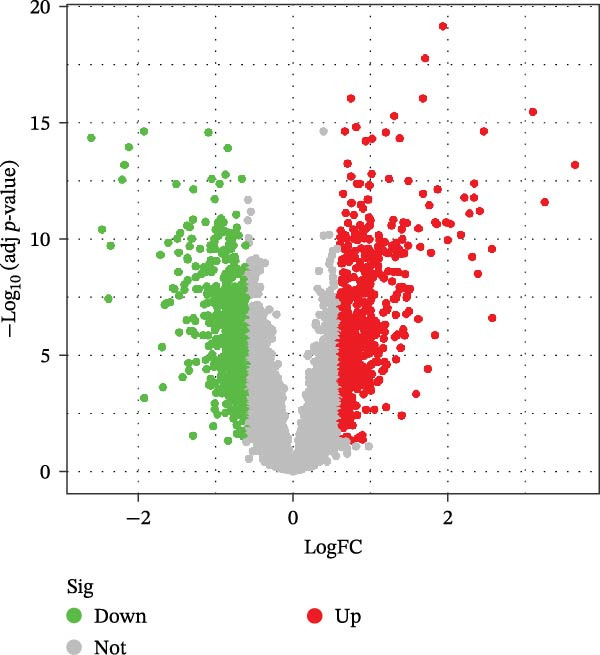 Figure 4
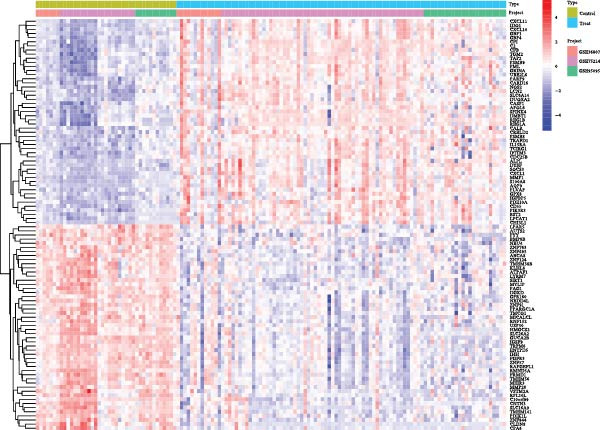 Figure 5
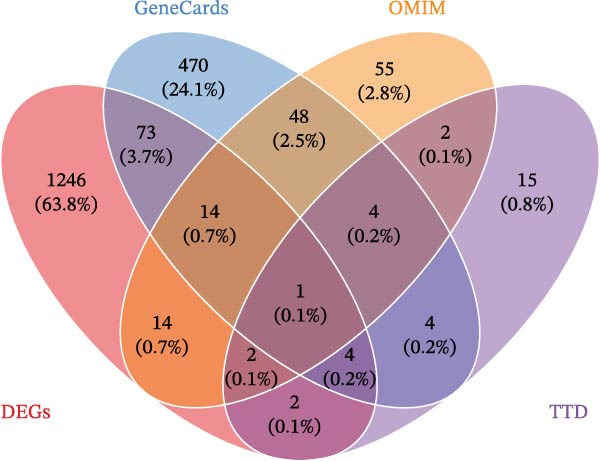 Figure 6
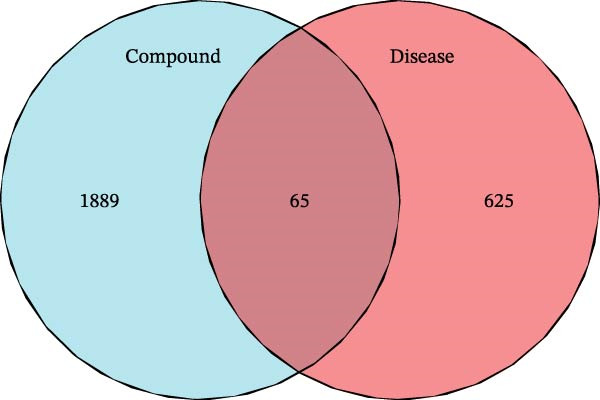 Figure 7
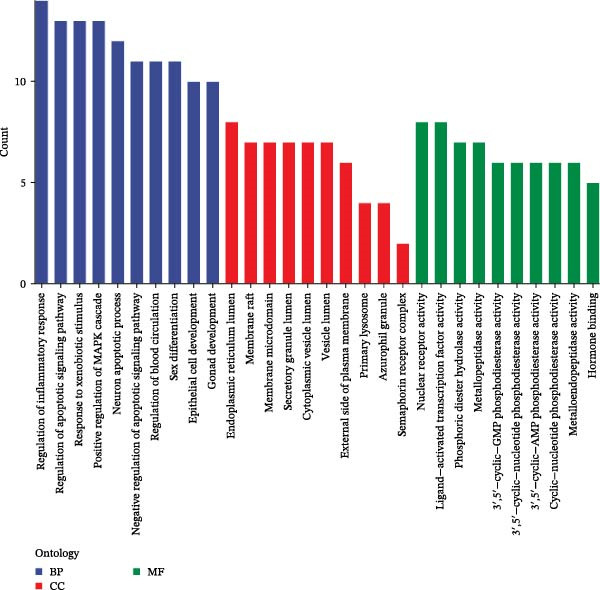 Figure 8
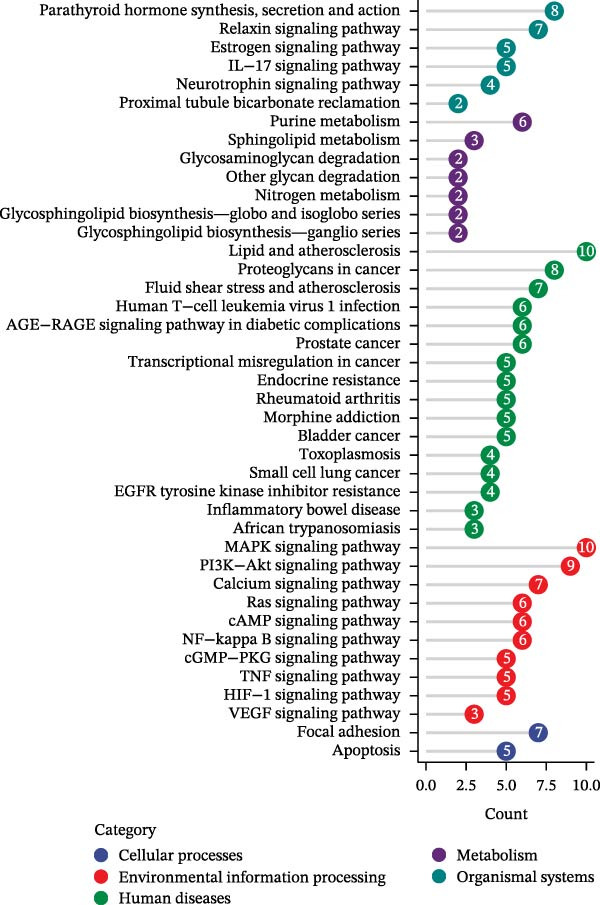 Figure 9
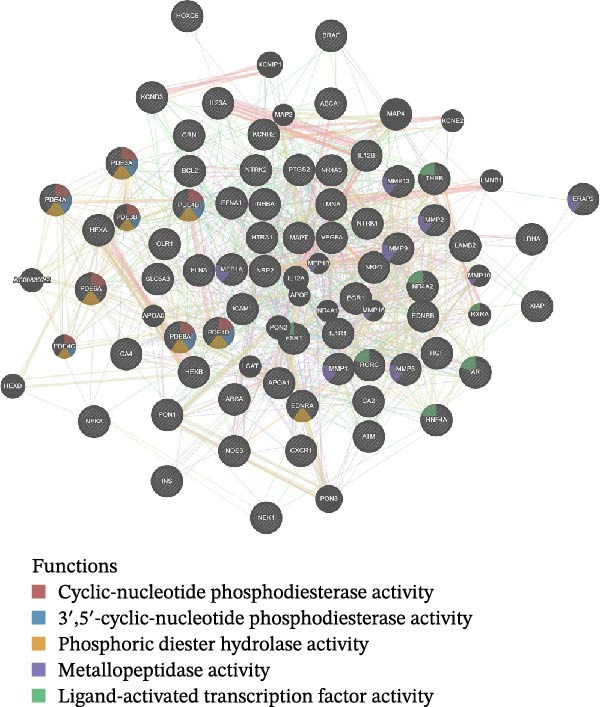 Figure 10
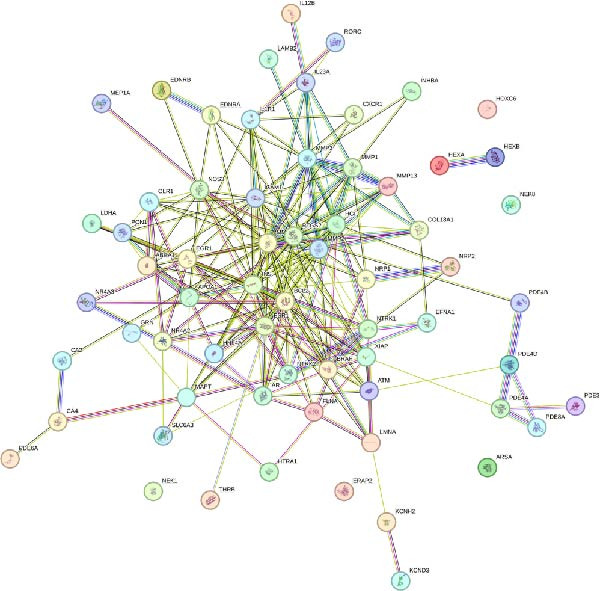 Figure 11
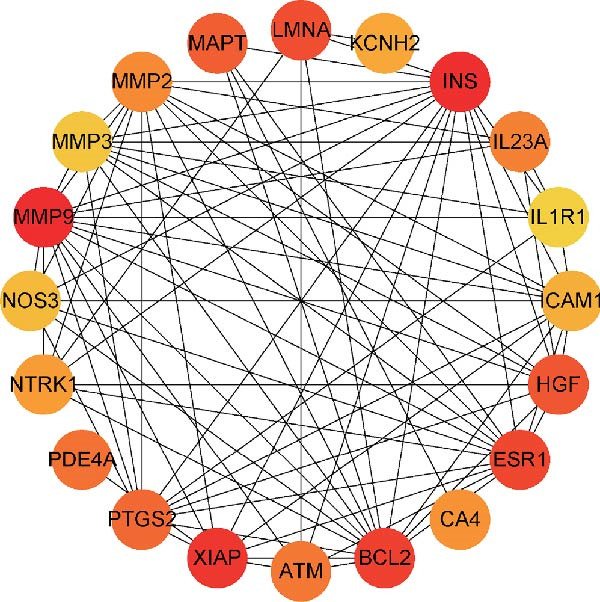 Figure 12
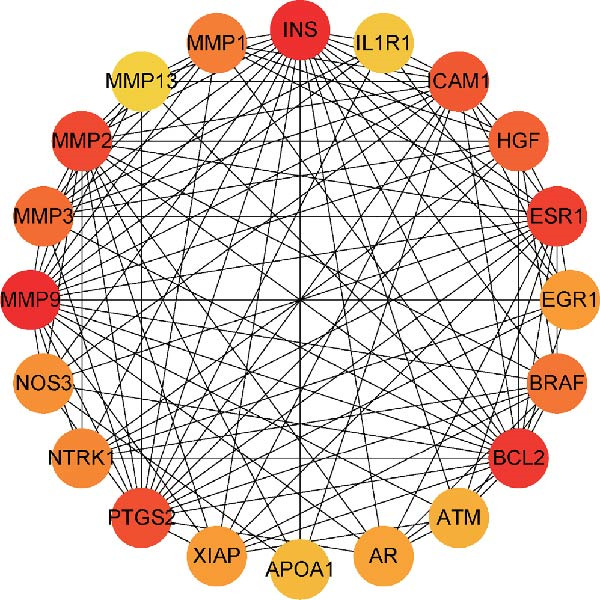 Figure 13
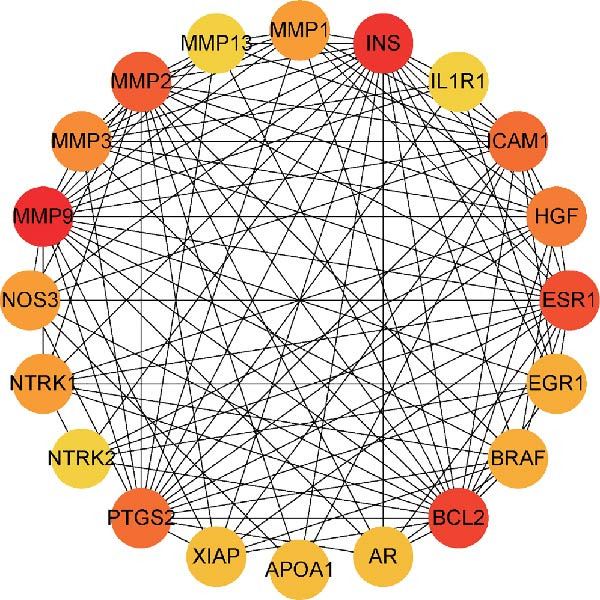 Figure 14
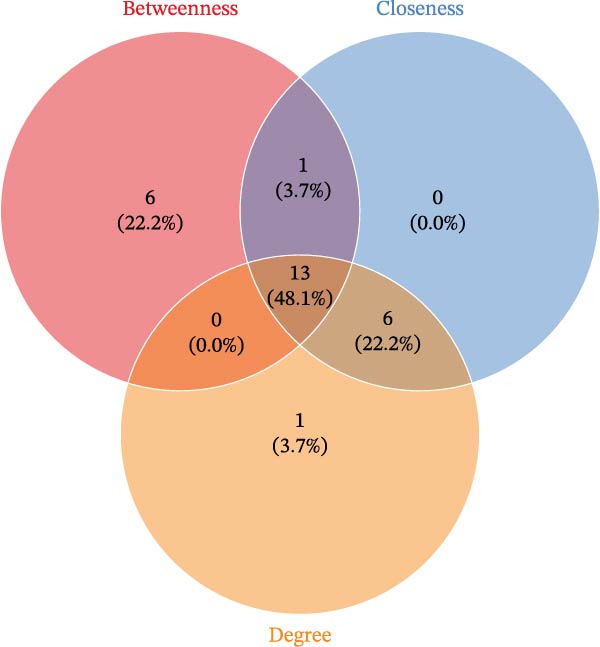 Figure 15
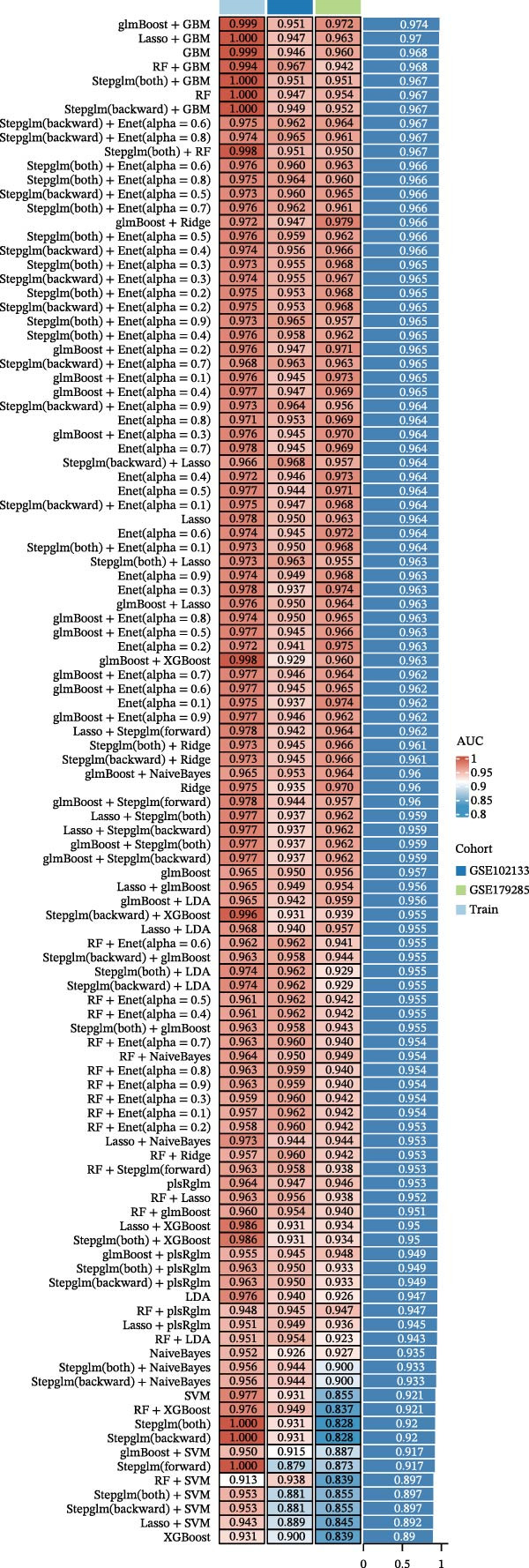 Figure 16
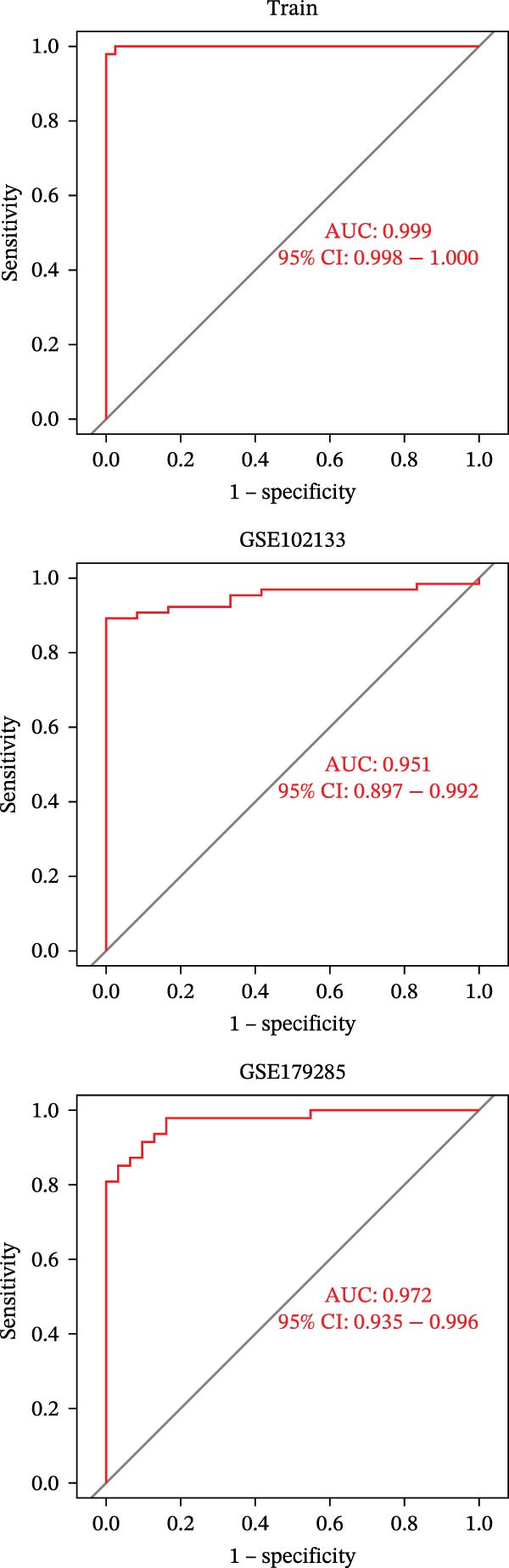 Figure 17
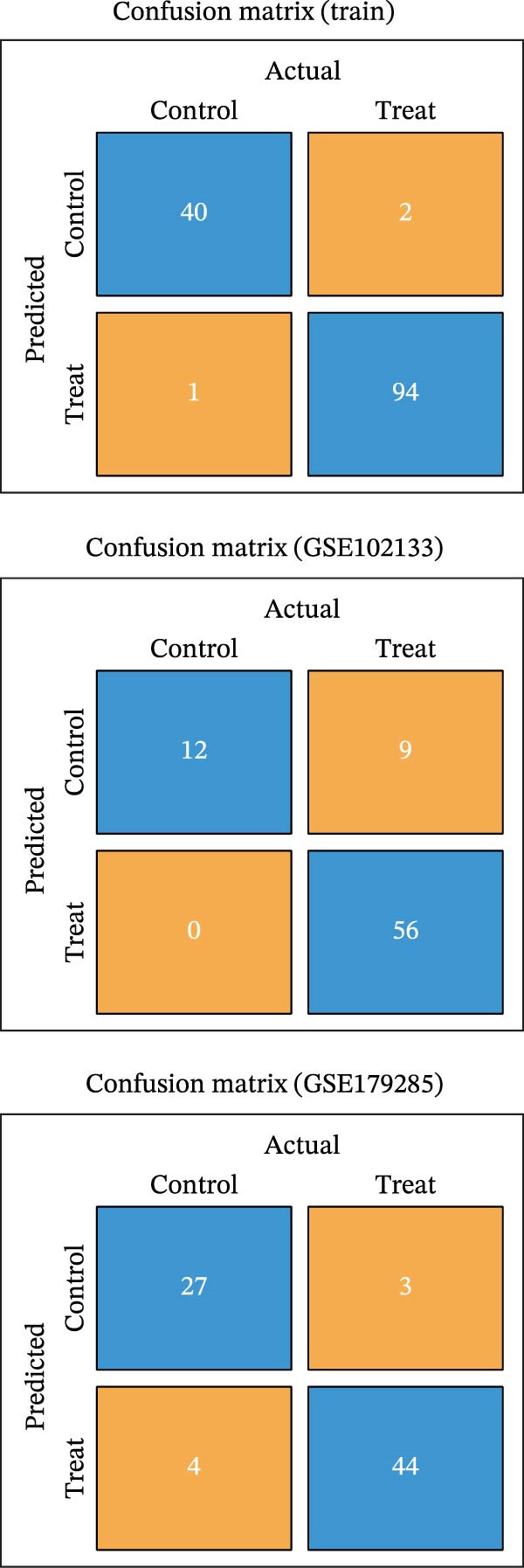 Figure 18
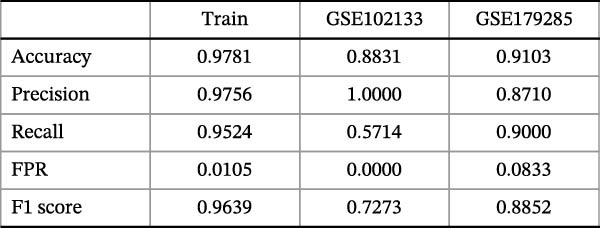 Figure 19
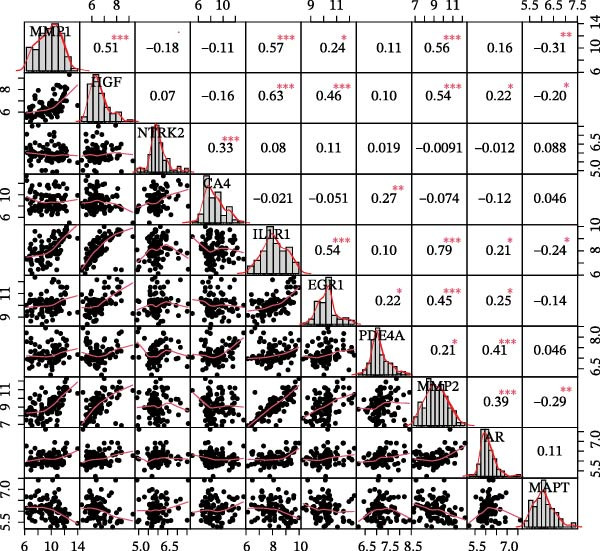 Figure 20
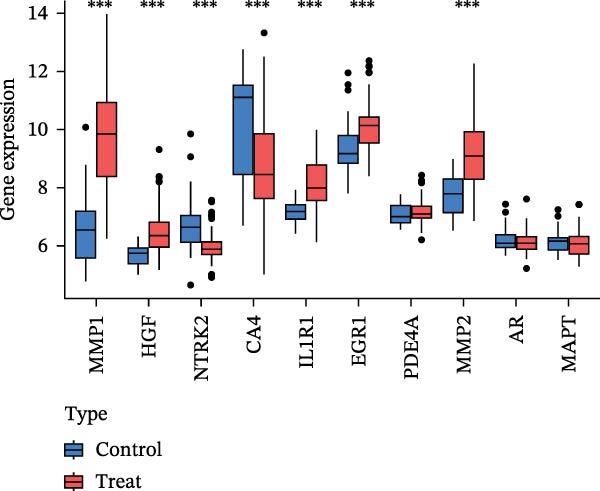 Figure 21
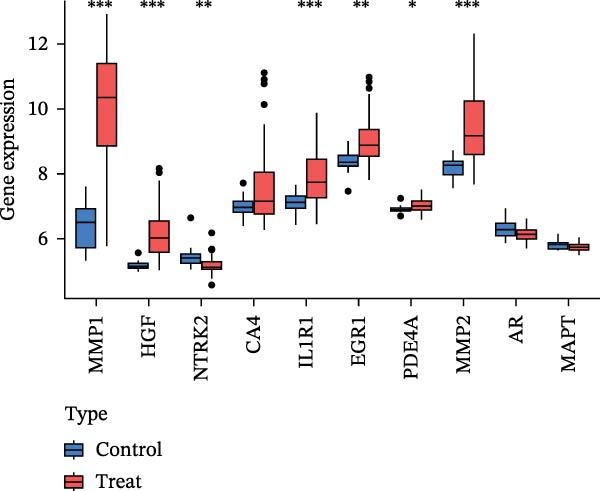 Figure 22
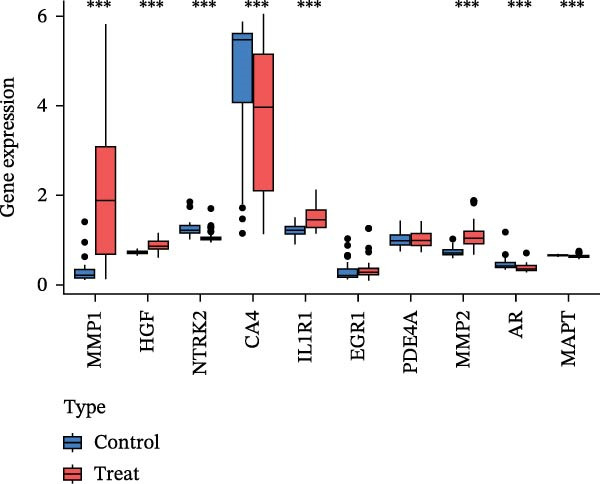 Figure 23
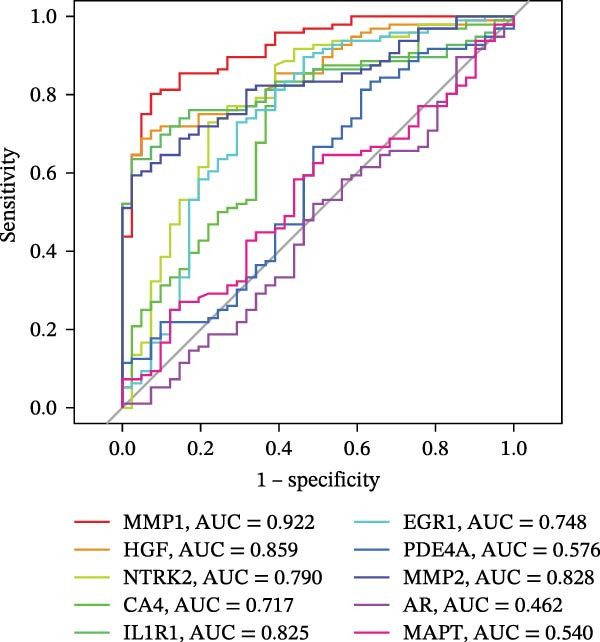 Figure 24
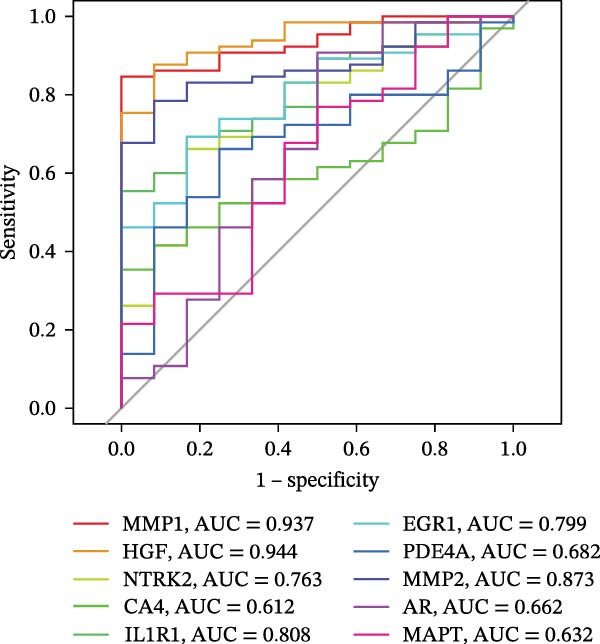 Figure 25
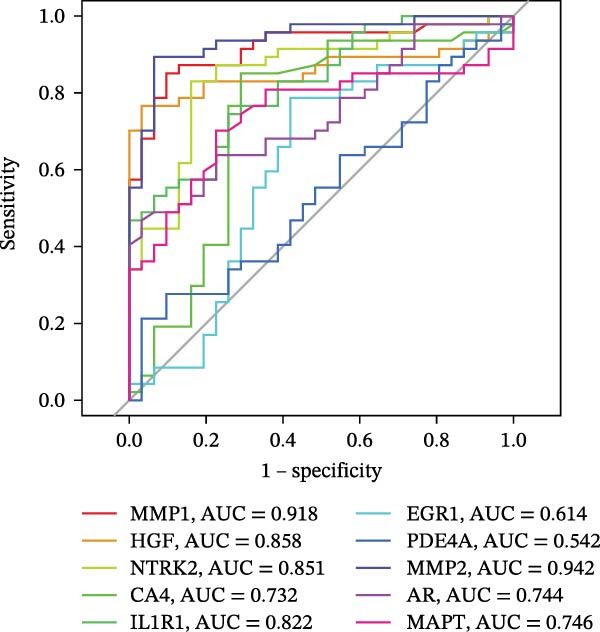 Figure 26
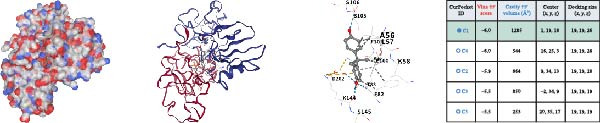 Figure 27
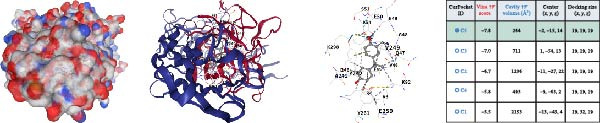 Figure 28
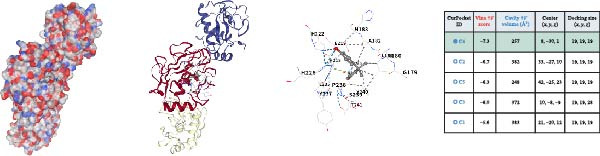 Figure 29
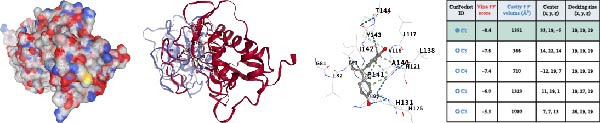 Figure 30
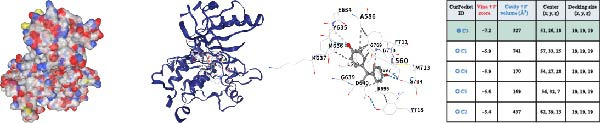 Figure 31
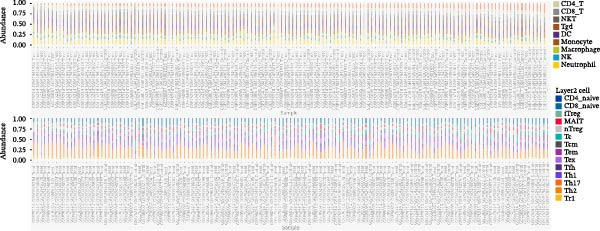 Figure 32
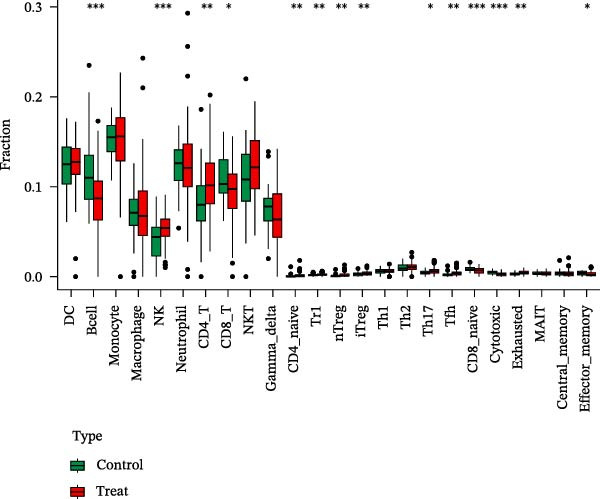 Figure 33
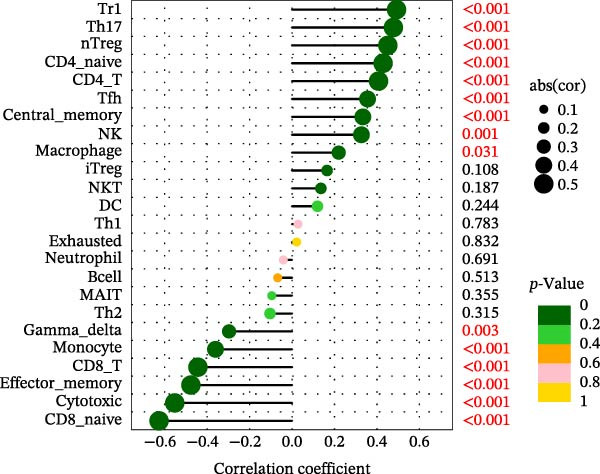 Figure 34
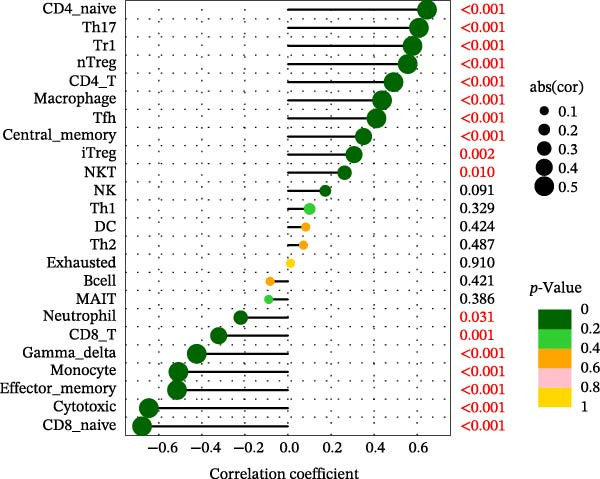 Figure 35
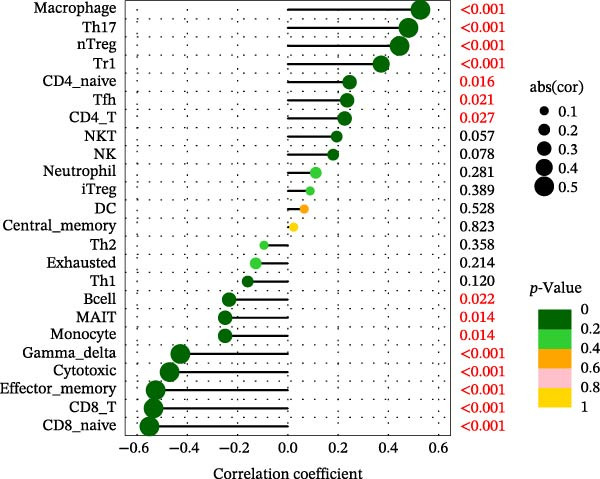 Figure 36
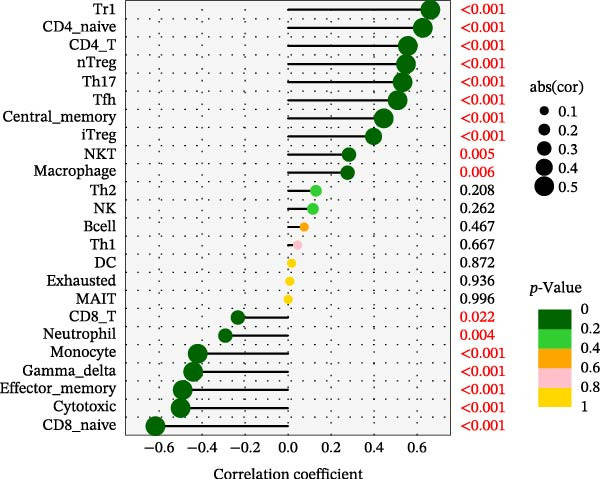 Figure 37
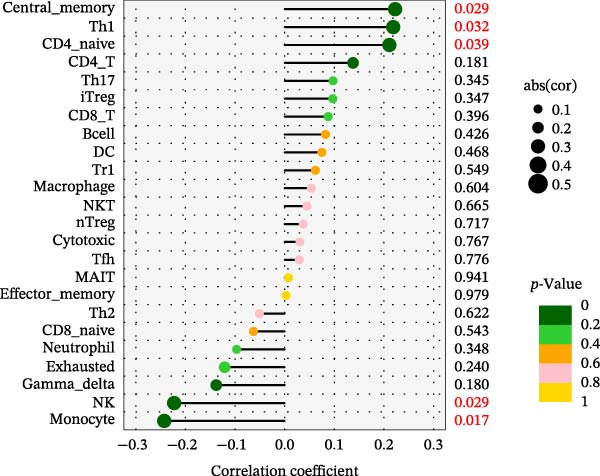 Figure 38
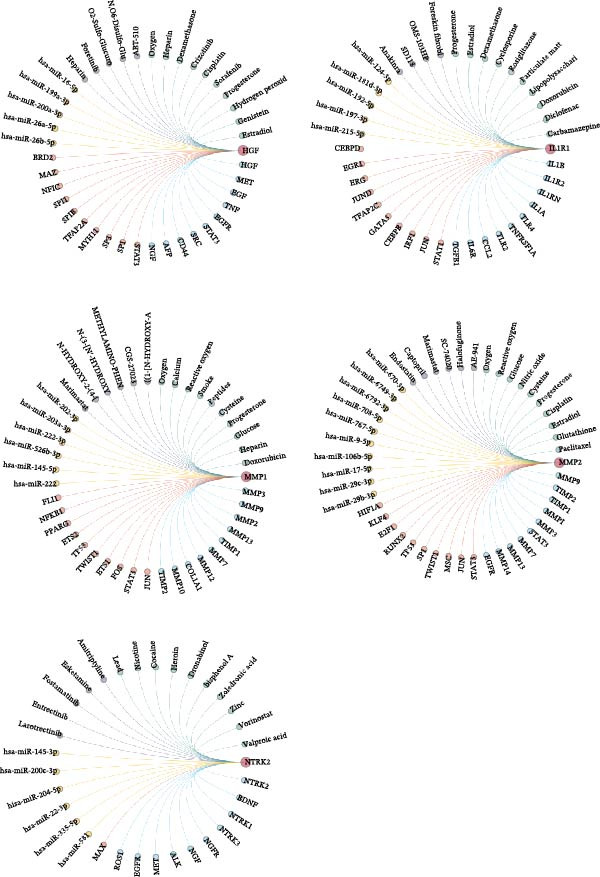 Figure 39
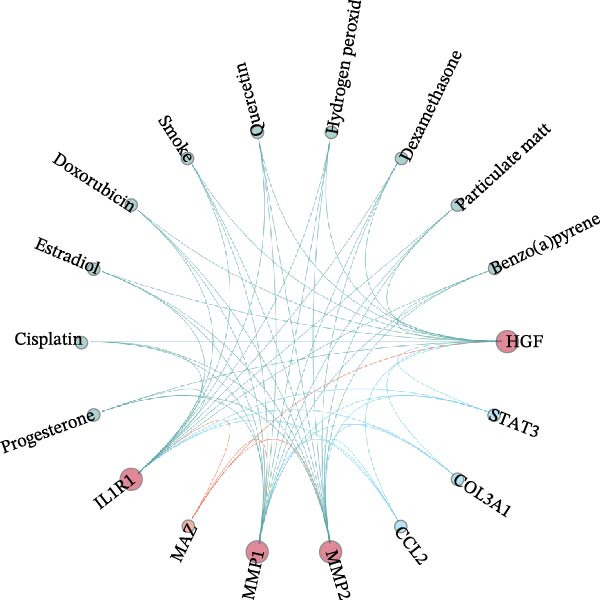 Figure 40
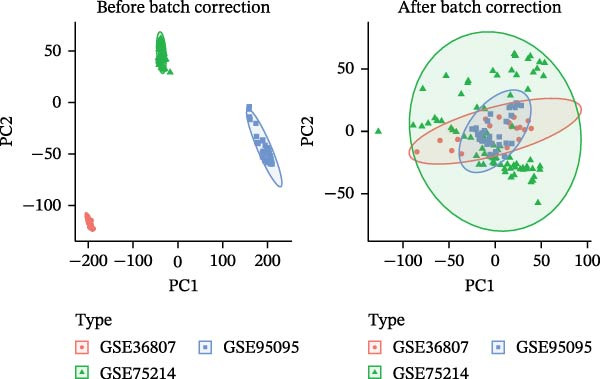 Figure 41
Peer Reviews
No public reviews on file for this paper yet. If you reviewed it on a platform where reviews are public (OpenReview, ICLR, NeurIPS, ICML), you can paste yours below so the community can read it here.
Videos
No videos yet. Explain this paper in a talk, walkthrough, or lecture? Add one.
Taxonomy
TopicsEffects and risks of endocrine disrupting chemicals · Gene expression and cancer classification · Epigenetics and DNA Methylation