Baicalin as a Regulator of Peroxisome Proliferator‐Activated Receptor Gamma: Alleviating Sepsis‐Induced Liver Injury by Inhibiting the Cluster of Differentiation 14/Nuclear Factor Kappa B Signaling Pathway
Hui Wang, Mengmeng Guo, Xueling Zeng, Yuqi Hu, Jiawei Ma, Yufei Chang

TL;DR
Baicalin helps reduce liver damage from sepsis by activating PPARγ and blocking the CD14/NF-κB pathway.
Contribution
This study reveals a novel mechanism of baicalin in alleviating sepsis-induced liver injury via PPARγ and CD14/NF-κB.
Findings
Baicalin improved cell viability and reduced apoptosis in LPS-treated AML12 cells.
Baicalin downregulated pro-inflammatory cytokines and inhibited the CD14/NF-κB pathway.
PPARγ silencing reversed the protective effects of baicalin, confirming its role in the mechanism.
Abstract
Sepsis frequently results in multiple organ failure, with the liver particularly susceptible to sepsis‐induced damage. The flavonoid baicalin (BA), derived from Scutellaria baicalensis, presents anti‐inflammatory properties, yet its effects on liver injury in sepsis through the Cluster of Differentiation 14 (CD14)/Nuclear Factor kappa B (NF‐κB) pathway remain underexplored. Alpha Mouse Liver 12 (AML12) cells were intervened with different concentrations of BA and subsequently challenged with lipopolysaccharide (LPS) to induce inflammation. Cell viability, apoptosis, inflammatory cytokine production, and signaling pathway activation were tested by Cell Counting Kit 8 (CCK8), flow cytometry, quantitative real‐time PCR (qRT‐PCR) and western blotting, respectively. And immunofluorescence was employed to visualize nuclear ectopic location of NF‐κB in cells. Additionally, the impact of…
Genes, proteins, chemicals, diseases, species, mutations and cell lines named across the full text — each resolved to its canonical identifier and authoritative record.
Click any figure to enlarge with its caption.
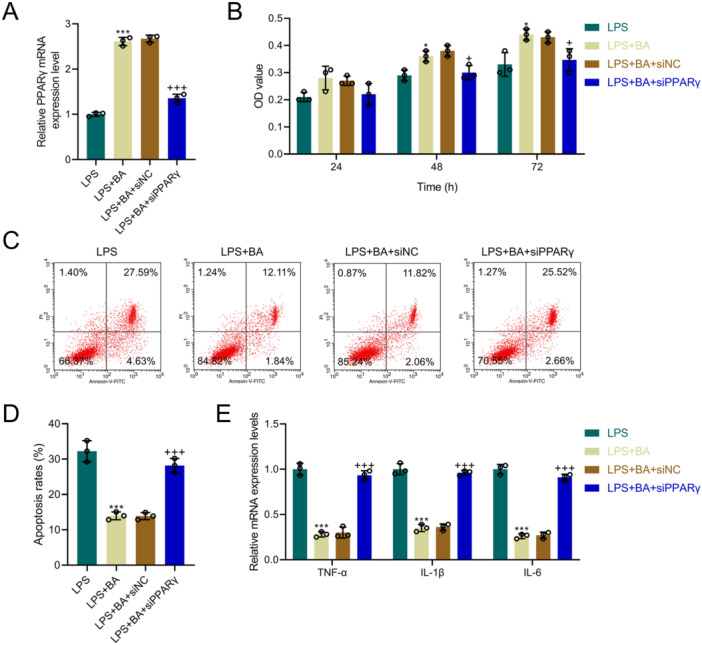 Figure 1
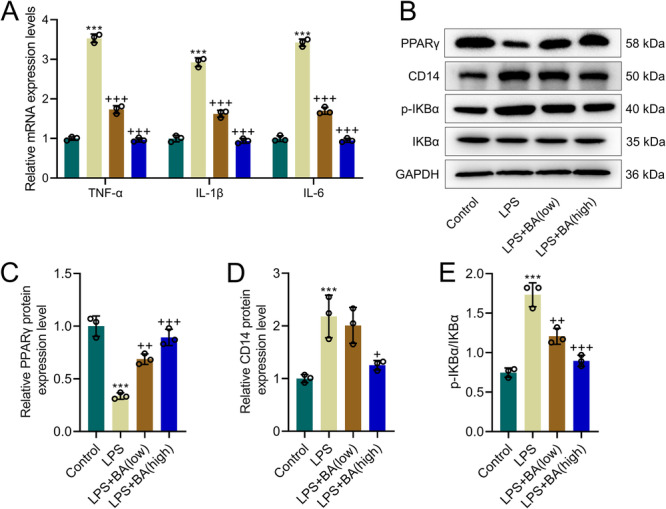 Figure 2
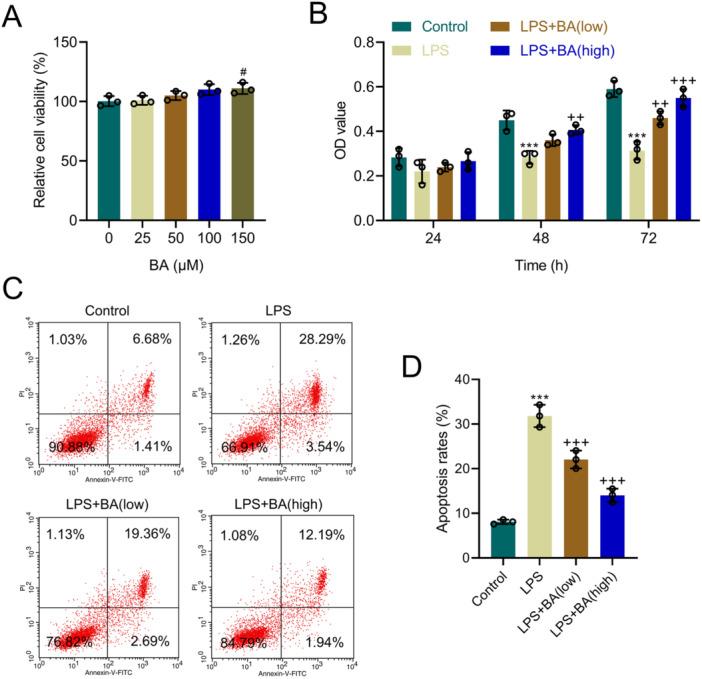 Figure 3
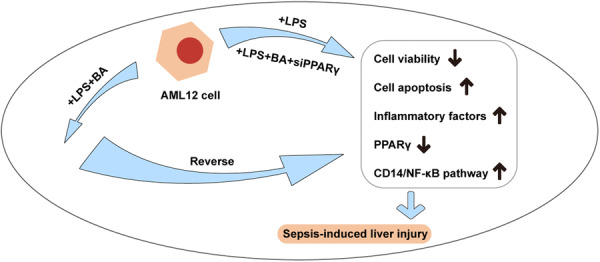 Figure 4
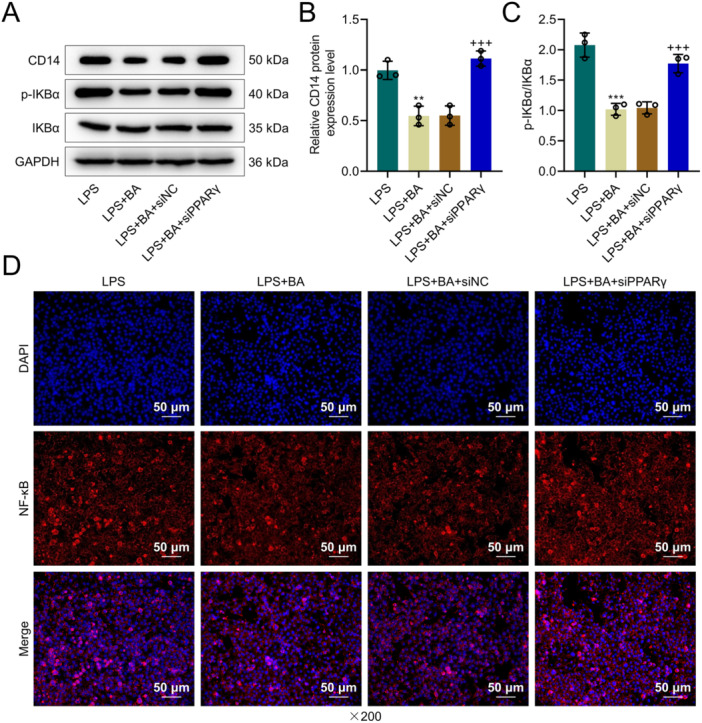 Figure 5
Peer Reviews
No public reviews on file for this paper yet. If you reviewed it on a platform where reviews are public (OpenReview, ICLR, NeurIPS, ICML), you can paste yours below so the community can read it here.
Videos
No videos yet. Explain this paper in a talk, walkthrough, or lecture? Add one.
Taxonomy
TopicsFlavonoids in Medical Research · Clusterin in disease pathology · Advanced Glycation End Products research