Exploring the Therapeutic Mechanism of Xiehuo Pingtu San in Treating Thyroid Eye Disease Based on Network Pharmacology, Molecular Docking, and Molecular Dynamics Simulation
Ping Wang, Ruiyan Liu, Xin Shang, Yu Fu, Ying Wang, Shuxun Yan

TL;DR
This study explores how Xiehuo Pingtu San treats thyroid eye disease using network pharmacology and simulations to identify key ingredients and mechanisms.
Contribution
The study reveals new therapeutic mechanisms of Xiehuo Pingtu San through integrated network pharmacology and molecular simulations.
Findings
Xiehuo Pingtu San targets biological functions like ROS responses and fatty acid metabolism in thyroid eye disease.
Key active ingredients like quercetin and luteolin show strong binding to hub genes such as IL-6 and PPARγ.
Immune cell infiltration differences in TED patients correlate with identified hub genes.
Abstract
Xiehuo Pingtu San (XHPTS) has been shown to be safe and effective in treating thyroid eye disease (TED), yet its underlying mechanisms remain unclear. This study aimed to elucidate the active ingredients of XHPTS and their therapeutic mechanisms in TED through network pharmacology, molecular docking, and molecular dynamics simulations. Active ingredient targets for XHPTS were screened through the TCMSP and BATMAN‐TCM databases. TED‐related targets were obtained from GeneCards, OMIM, and CTD, and differentially expressed genes (DEGs) between TED patients and healthy controls were retrieved from GEO. The intersecting targets among active ingredient targets, disease targets, and DEGs were defined as key targets. Gene Ontology (GO) terms and Kyoto Encyclopedia of Genes and Genomes (KEGG) enrichment analyses were performed to identify biological processes and pathways associated with XHPTS…
Genes, proteins, chemicals, diseases, species, mutations and cell lines named across the full text — each resolved to its canonical identifier and authoritative record.
Click any figure to enlarge with its caption.
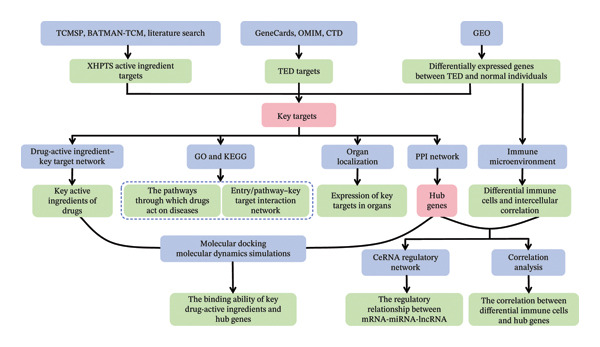 Figure 1
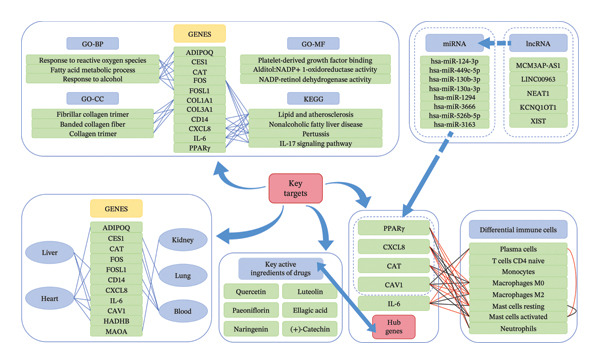 Figure 2
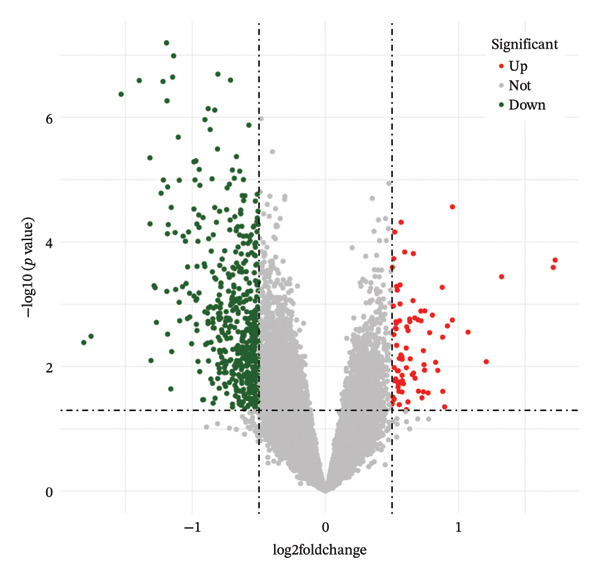 Figure 3
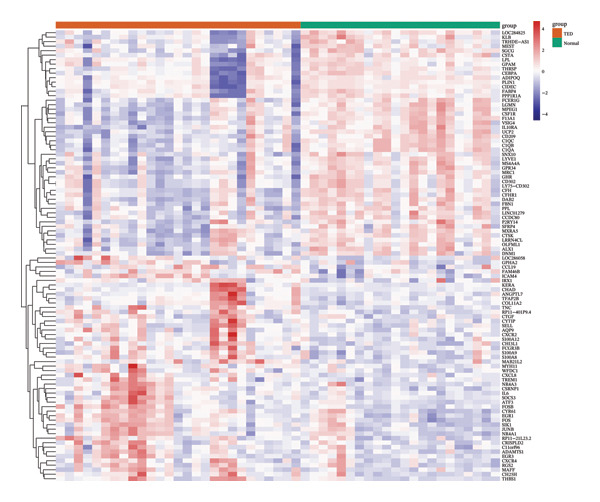 Figure 4
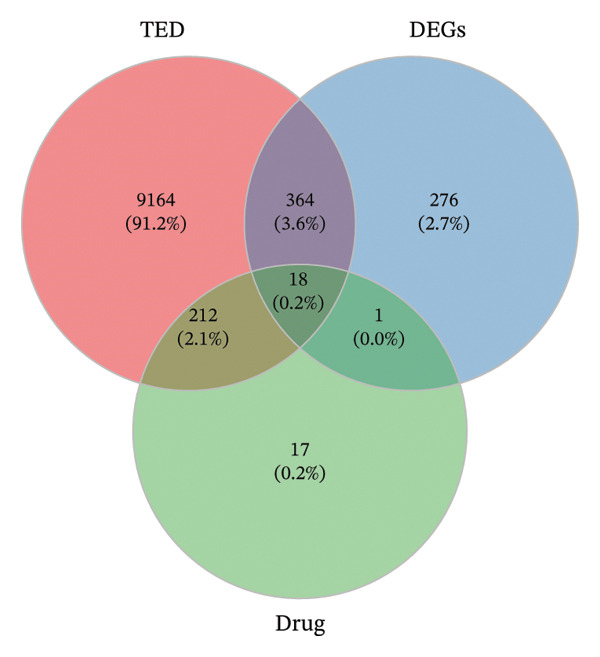 Figure 5
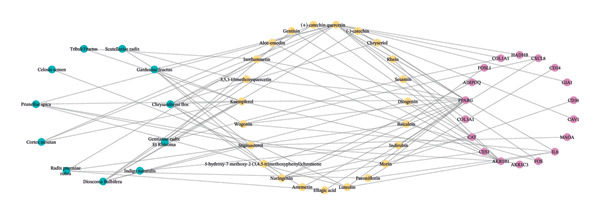 Figure 6
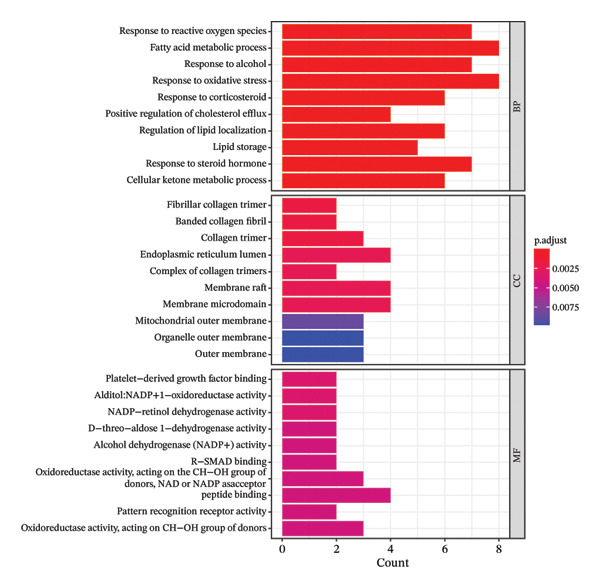 Figure 7
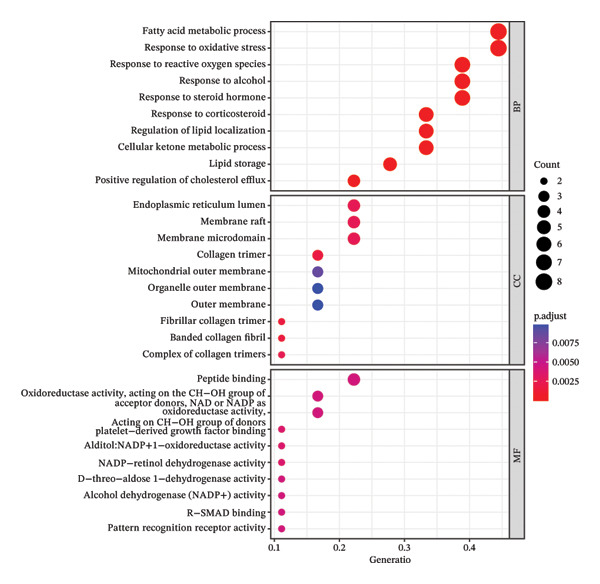 Figure 8
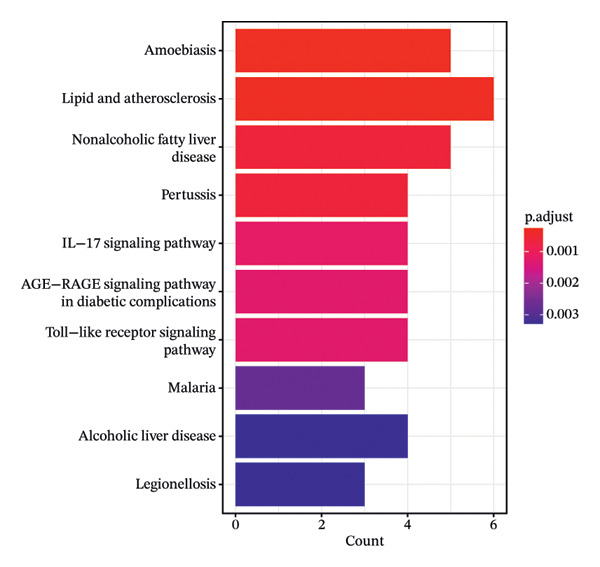 Figure 9
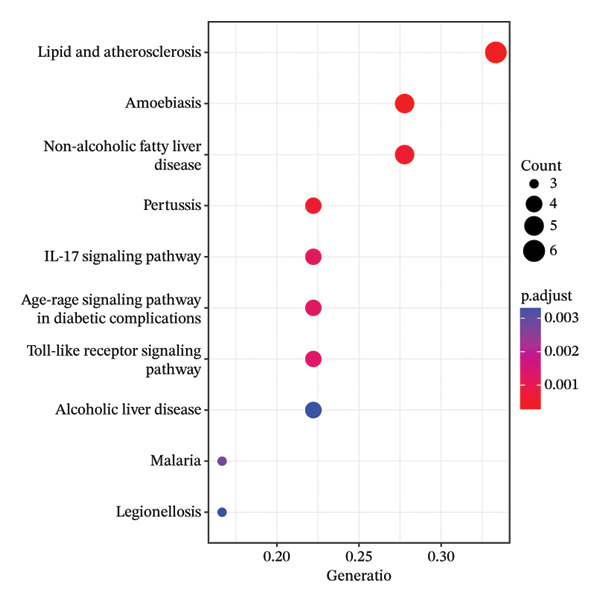 Figure 10
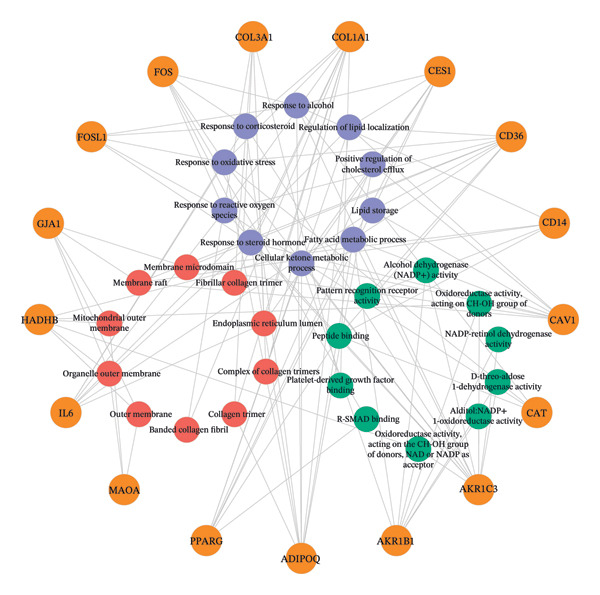 Figure 11
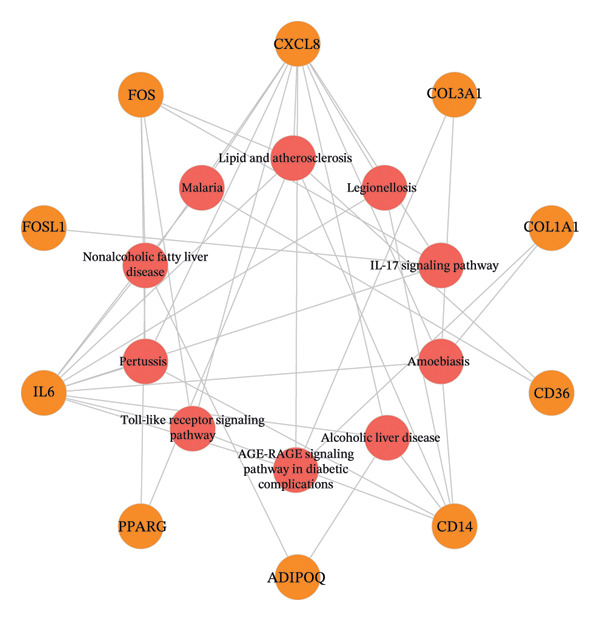 Figure 12
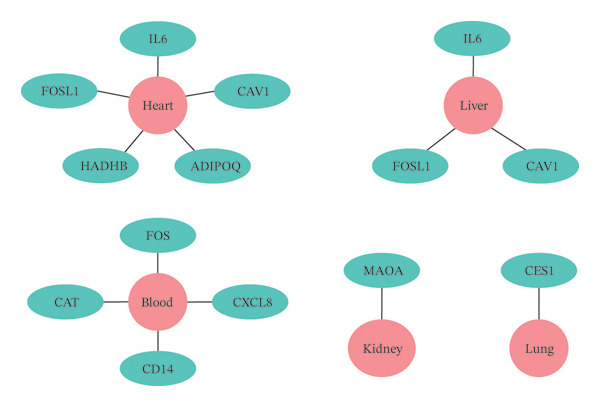 Figure 13
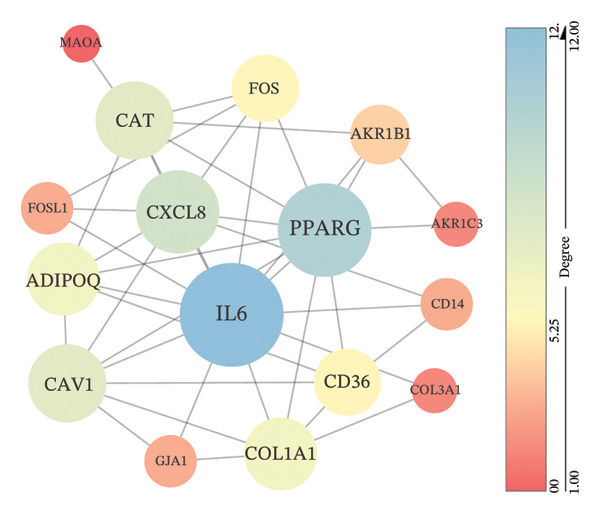 Figure 14
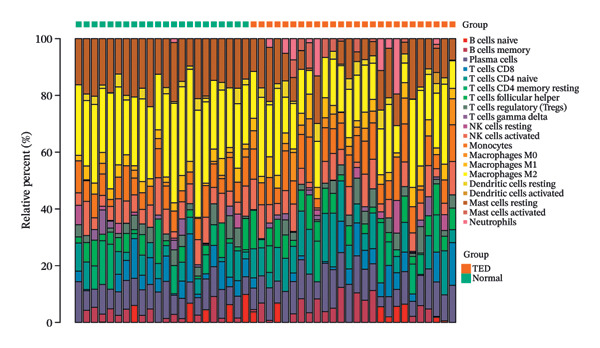 Figure 15
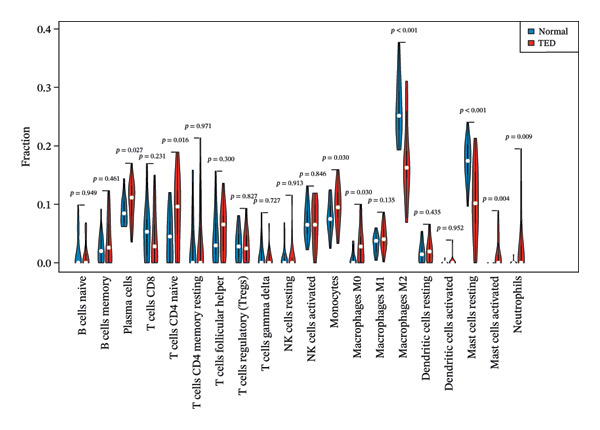 Figure 16
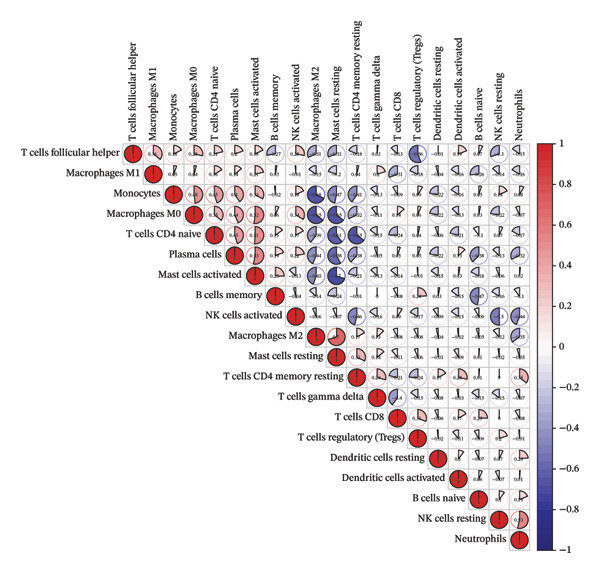 Figure 17
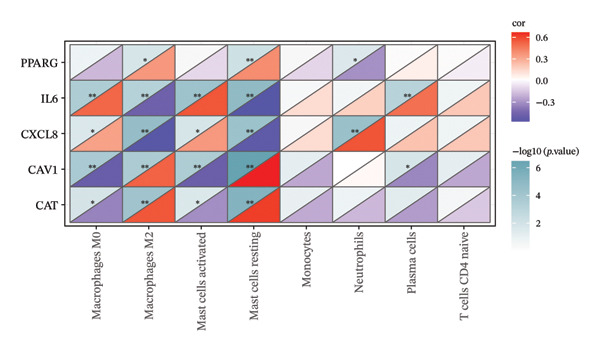 Figure 18
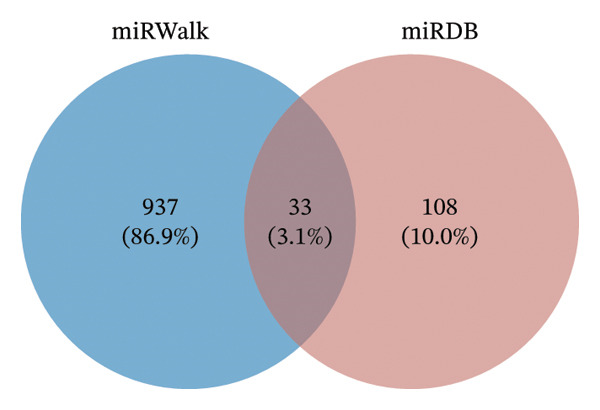 Figure 19
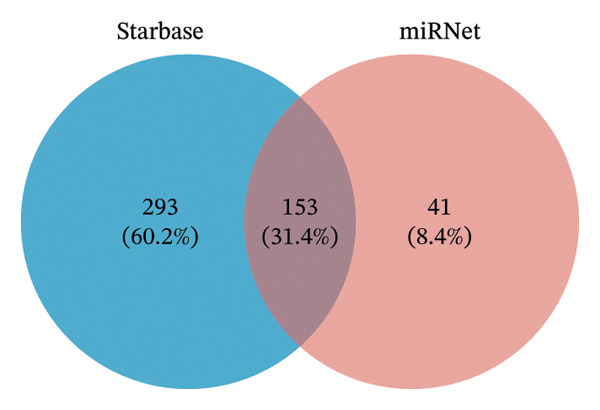 Figure 20
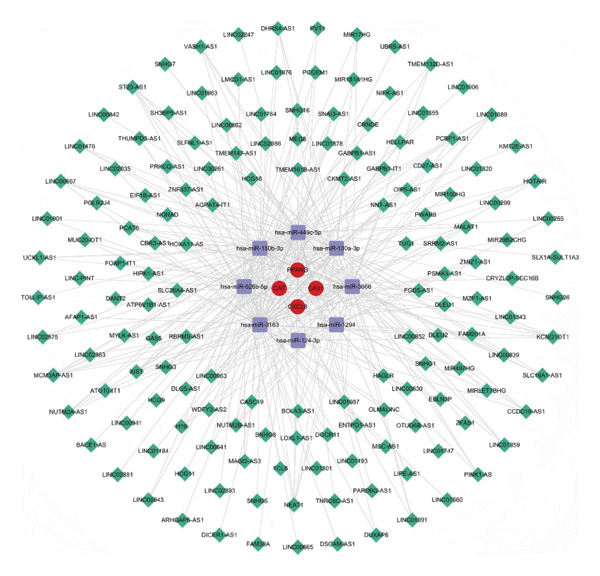 Figure 21
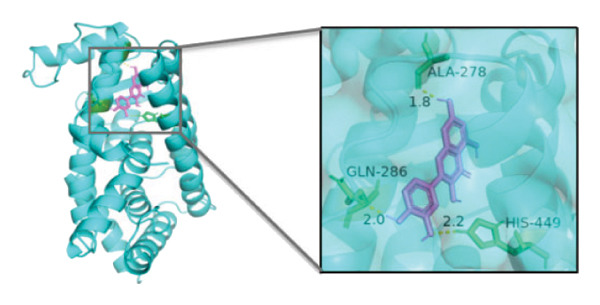 Figure 22
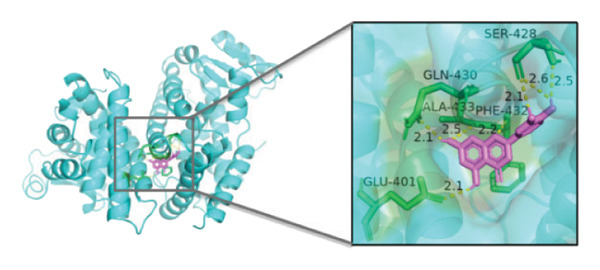 Figure 23
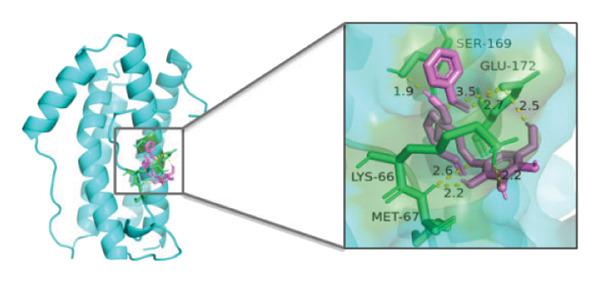 Figure 24
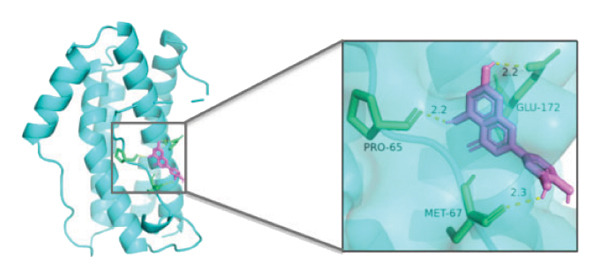 Figure 25
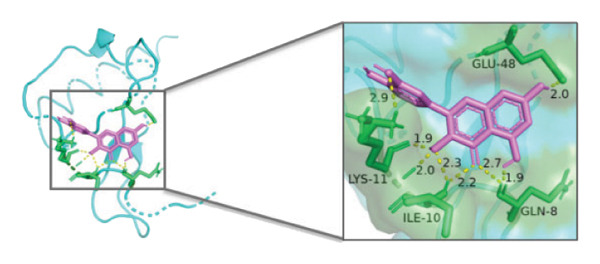 Figure 26
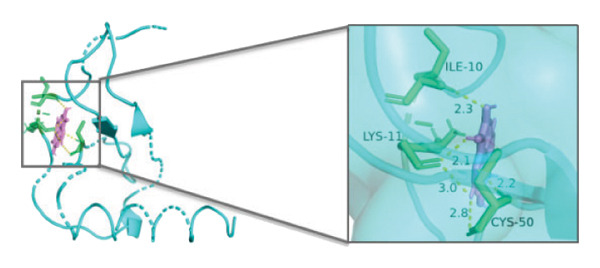 Figure 27
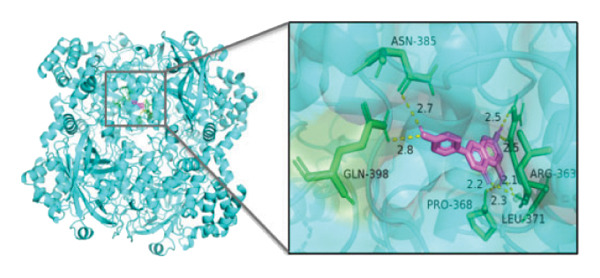 Figure 28
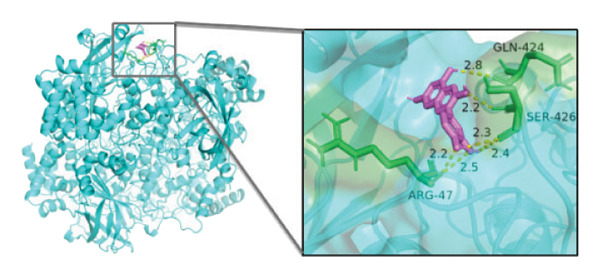 Figure 29
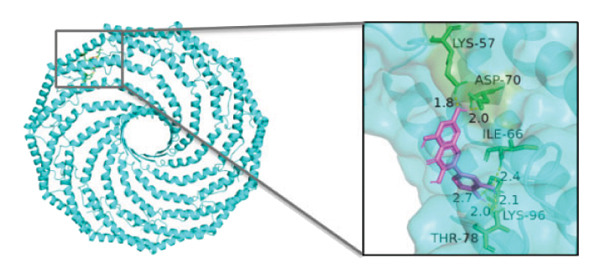 Figure 30
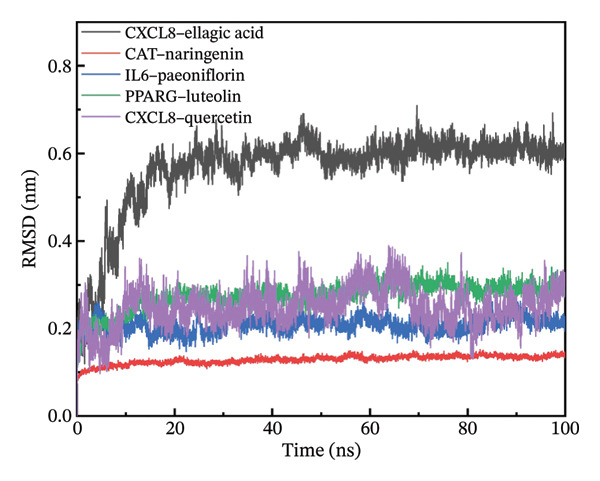 Figure 31
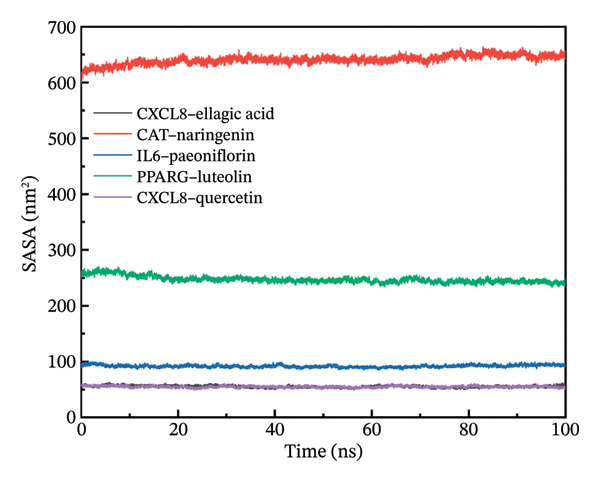 Figure 32
 Figure 33
 Figure 34
 Figure 35
 Figure 36
Peer Reviews
No public reviews on file for this paper yet. If you reviewed it on a platform where reviews are public (OpenReview, ICLR, NeurIPS, ICML), you can paste yours below so the community can read it here.
Videos
No videos yet. Explain this paper in a talk, walkthrough, or lecture? Add one.
Taxonomy
TopicsRetinal Diseases and Treatments · Bioinformatics and Genomic Networks · Thyroid Disorders and Treatments