Body surface potential mapping of ventricular depolarization and repolarization in phospholamban and plakophilin-2 cardiomyopathy
Iris van der Schaaf, Manon Kloosterman, Machteld J. Boonstra, Rob W. Roudijk, Anneline S.J.M. te Riele, Peter M. van Dam, Peter Loh

TL;DR
This study shows that body surface potential mapping can detect early electrical changes in people with genetic heart disease before symptoms appear.
Contribution
The study demonstrates that BSPM can detect electrical abnormalities in presymptomatic carriers of PKP2 and PLN pathogenic variants.
Findings
Abnormal T-wave amplitudes were most frequent in structural disease stages.
PLN carriers showed more electrical abnormalities than PKP2 carriers in early disease stages.
BSPM abnormalities became more frequent and extended toward V1–V6 as disease progressed.
Abstract
Pathogenic variants in plakophilin-2 (PKP2) and phospholamban (PLN) are associated with arrhythmogenic cardiomyopathy. Early disease detection is important to prevent adverse events. Body surface potential mapping (BSPM) may detect local electrical abnormalities earlier than the 12-lead electrocardiogram. This study aimed to determine abnormalities in R-, S-, and T-wave amplitudes in PKP2- and PLN-pathogenic variant carriers using BSPM. 67 lead BSPM was performed in controls and PKP2 and PLN carriers. R-, S-, and T-wave amplitudes across all leads in controls were used as reference. Amplitudes of carriers exceeding these ranges were considered abnormal and assessed across disease stages (presymptomatic, electrical, and structural, as done previously). Follow-up BSPM (≥2 years) was performed in a subset of carriers. 152 subjects (40 [27;54] years; 51% women) (40 controls and 112…
Genes, proteins, chemicals, diseases, species, mutations and cell lines named across the full text — each resolved to its canonical identifier and authoritative record.
Click any figure to enlarge with its caption.
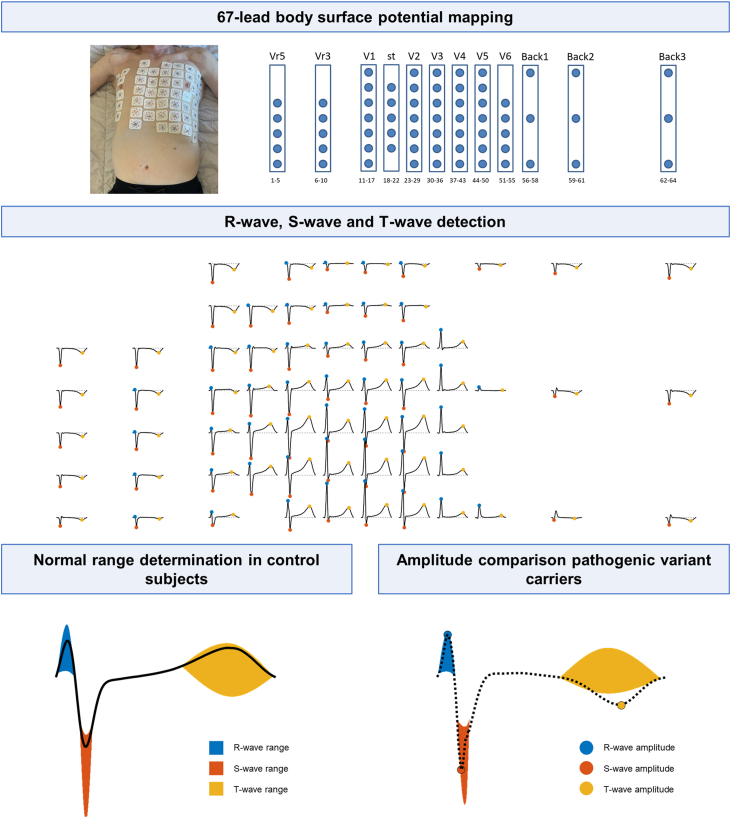 Figure 1
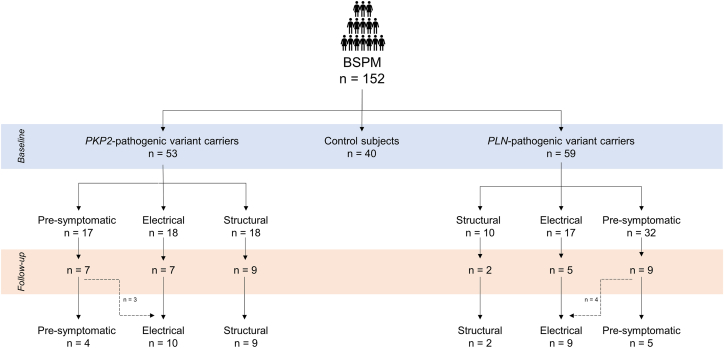 Figure 2
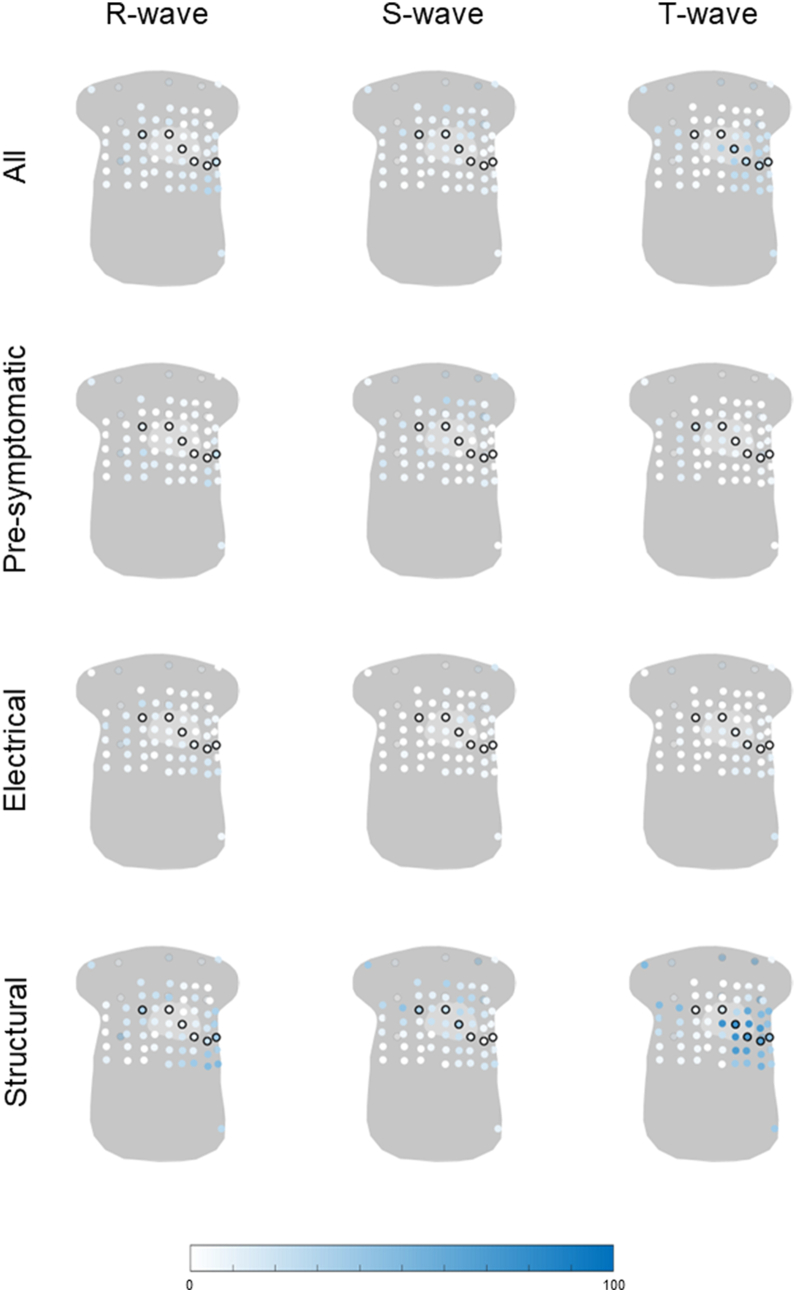 Figure 3
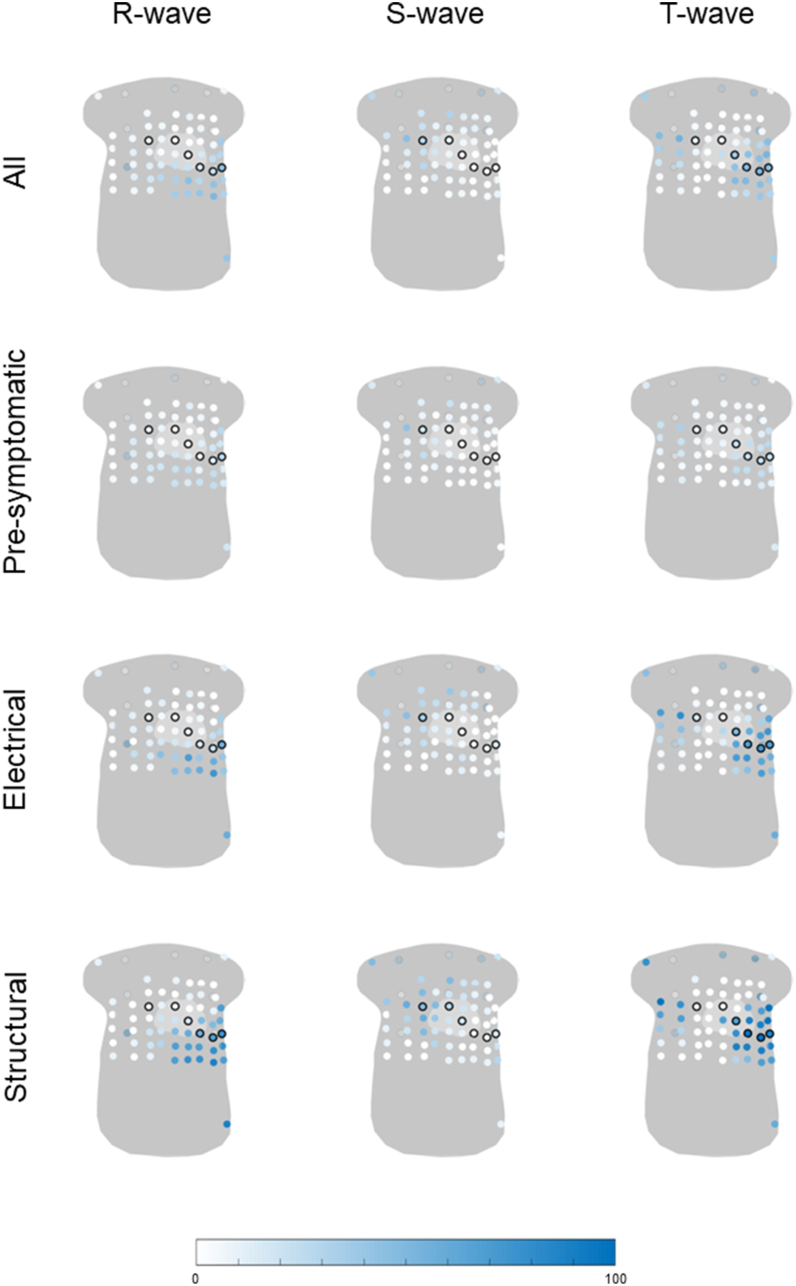 Figure 4
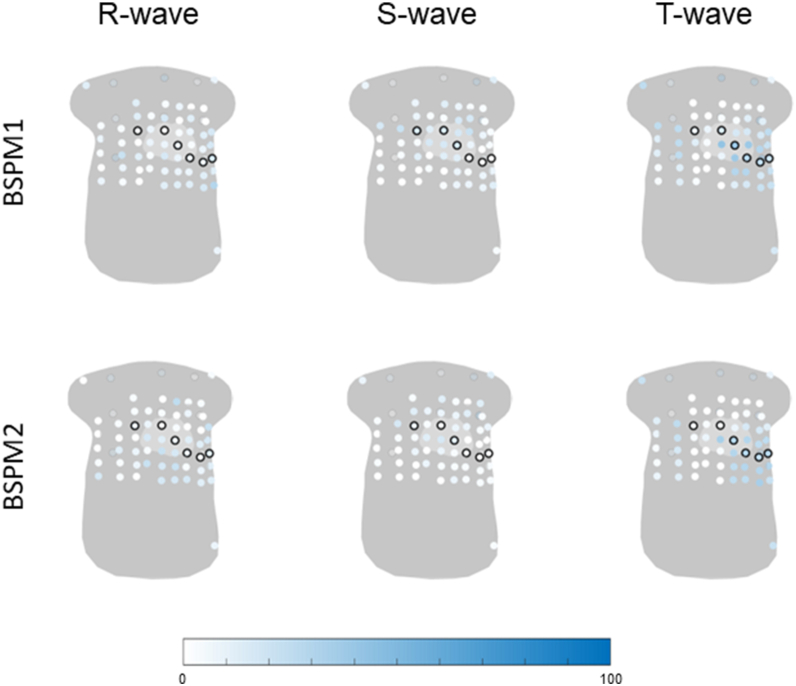 Figure 5
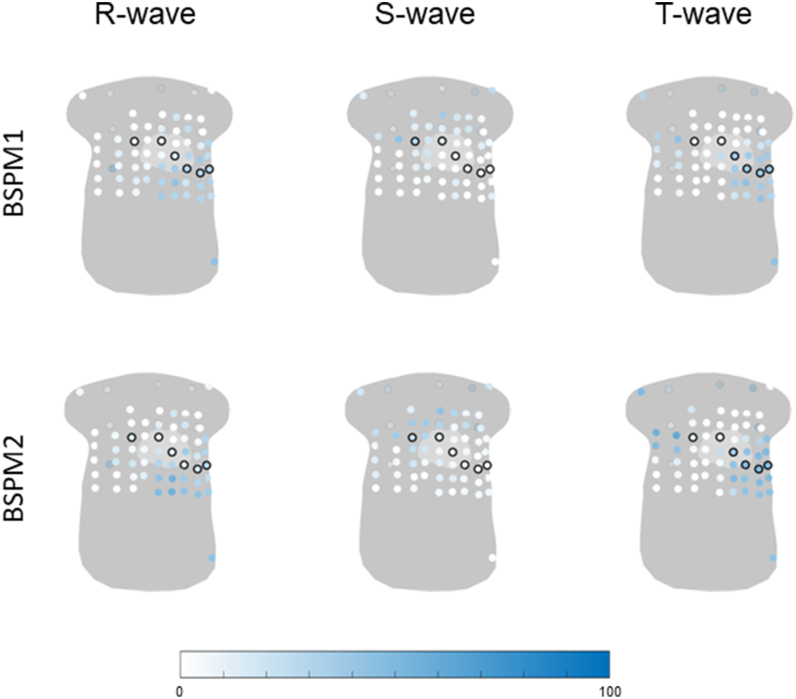 Figure 6
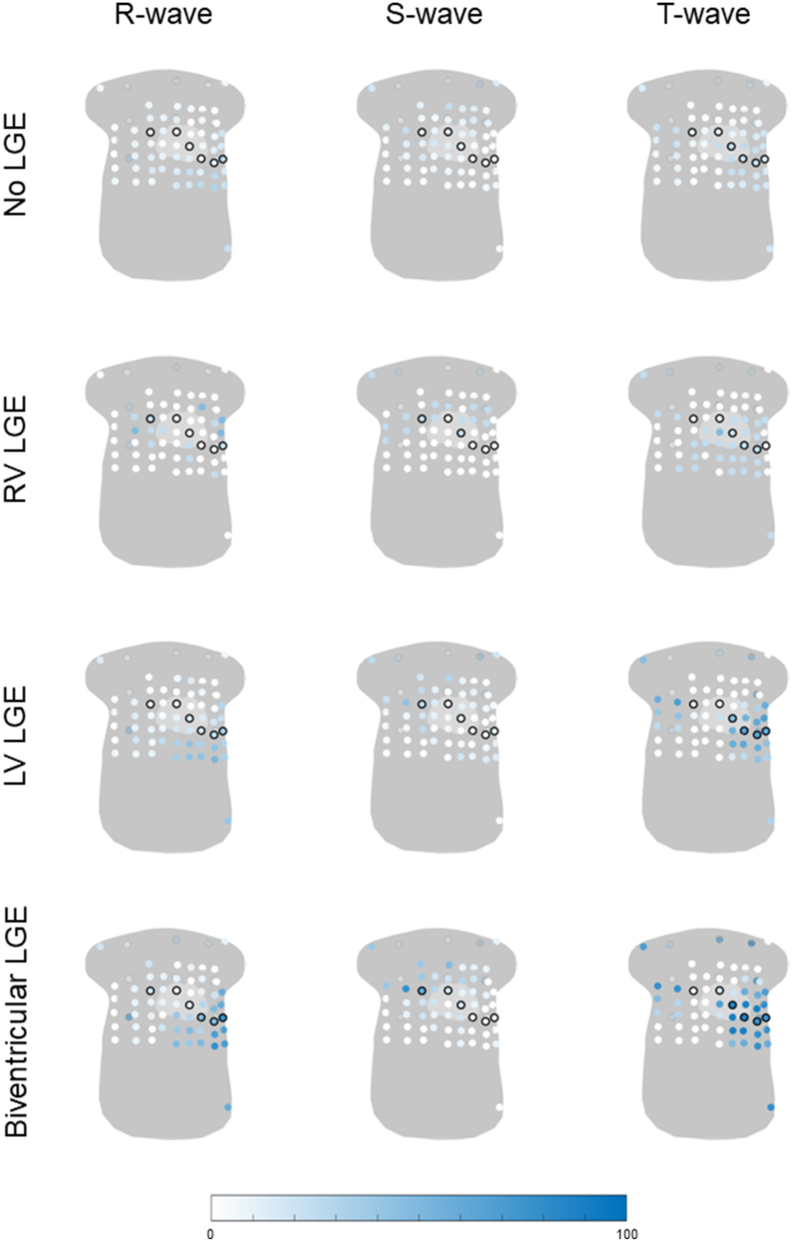 Figure 7
Peer Reviews
No public reviews on file for this paper yet. If you reviewed it on a platform where reviews are public (OpenReview, ICLR, NeurIPS, ICML), you can paste yours below so the community can read it here.
Videos
No videos yet. Explain this paper in a talk, walkthrough, or lecture? Add one.
Taxonomy
TopicsCardiac electrophysiology and arrhythmias · Cardiac Arrhythmias and Treatments · Cardiovascular Effects of Exercise