Spatial pattern separation deficits in early Alzheimer’s disease are comparable in humans and animal models
Martina Laczó, Kristyna Maleninska, Natalie Khazaalova, Sarka Borovska, Martin Vyhnalek, Jakub Hort, Ales Stuchlik, Jan Svoboda, Jan Laczó

TL;DR
This study shows that spatial pattern separation deficits in early Alzheimer's disease are similar in humans and animal models, suggesting a useful tool for translational research.
Contribution
The study demonstrates that spatial pattern separation deficits are comparable in humans and animal models of early Alzheimer's disease.
Findings
AD aMCI participants performed worse than cognitively normal participants in spatial pattern separation tasks.
TgF344-AD rats performed worse than wild-type rats in a 90° spatial pattern separation probe trial.
SPS deficits in early AD are not due to general memory impairment and are comparable across species.
Abstract
Spatial pattern separation (SPS) is a memory process that enables the discrimination of similar spatial locations. This process is vulnerable to pathophysiological changes in the early stages of Alzheimer’s disease (AD), but the translational potential of its testing remains unclear. This study aimed to evaluate the potential of SPS testing as a translational cognitive marker for identifying early AD and enabling direct comparisons of cognitive outcomes in animals and humans. We used a validated SPS task to examine biomarker-defined participants with amnestic mild cognitive impairment due to AD (AD aMCI; n = 56) and cognitively normal (CN) participants (n = 60). An animal version of this task, based on a modified Morris Water Maze task, was used to test six-month-old transgenic TgF344-AD rats (n = 38) and wild-type (WT) rats (n = 36). AD aMCI participants performed worse than CN…
Genes, proteins, chemicals, diseases, species, mutations and cell lines named across the full text — each resolved to its canonical identifier and authoritative record.
Click any figure to enlarge with its caption.
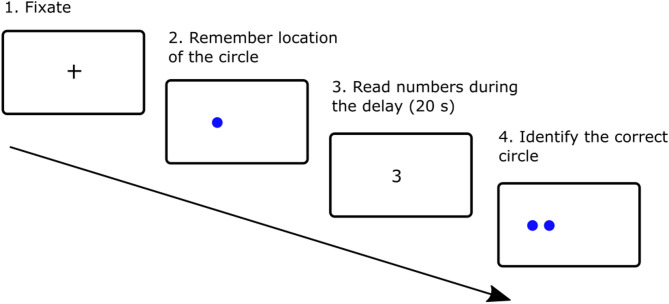 Figure 1
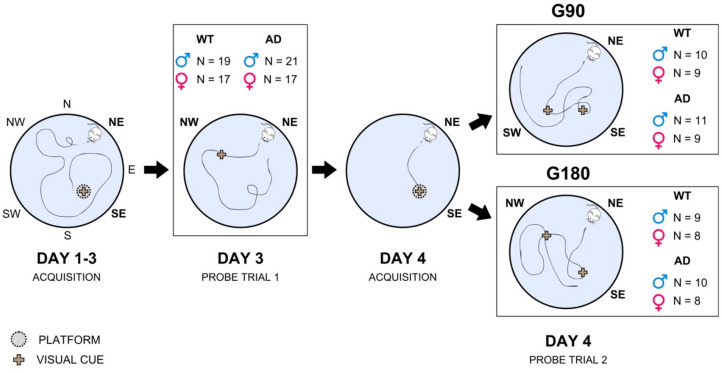 Figure 2
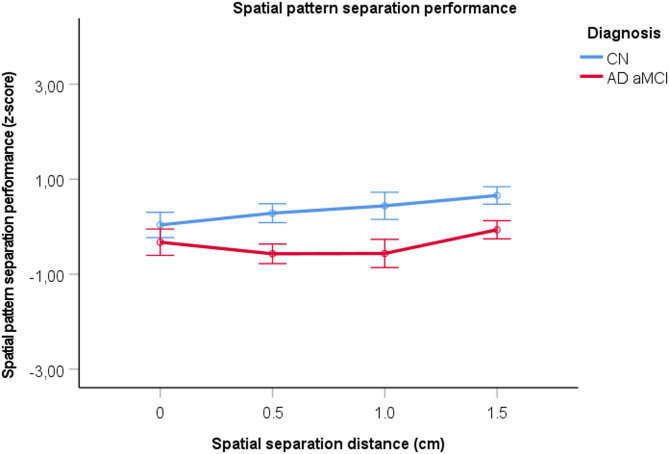 Figure 3
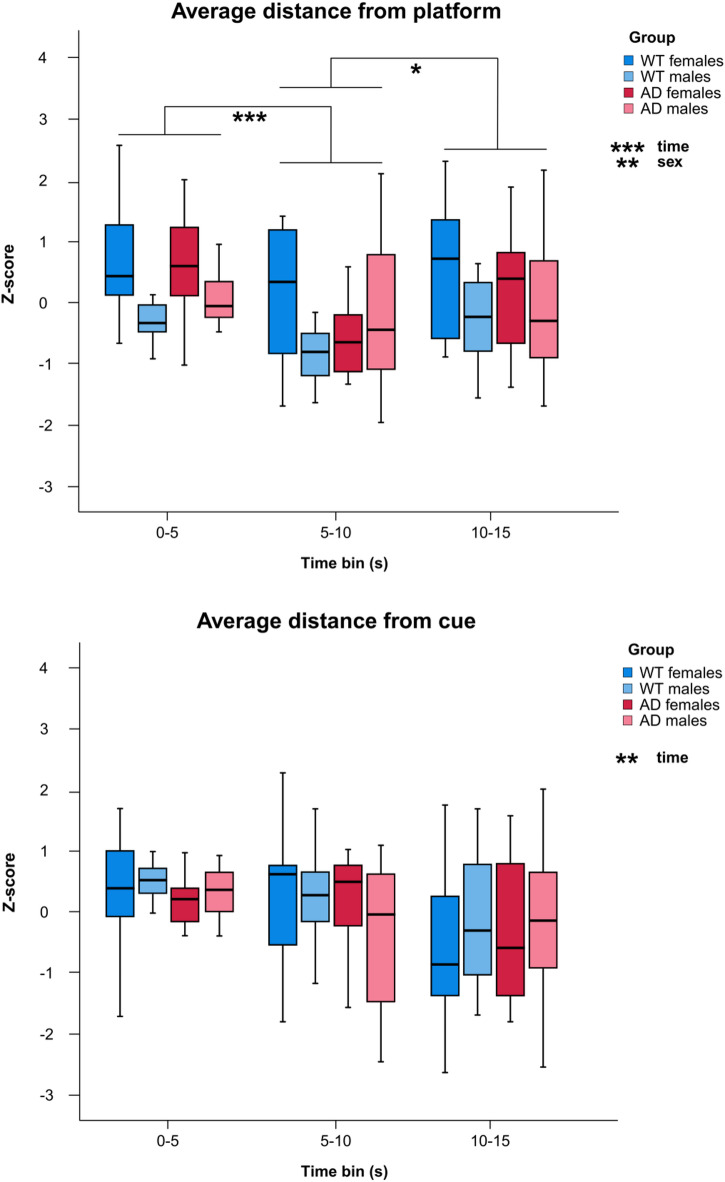 Figure 4
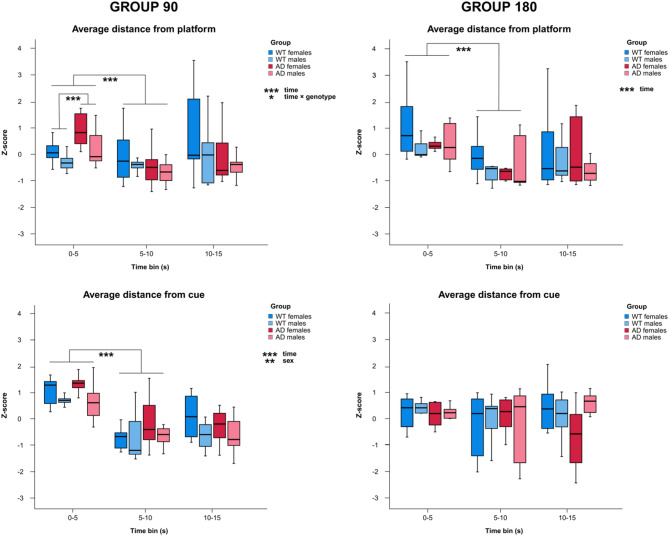 Figure 5
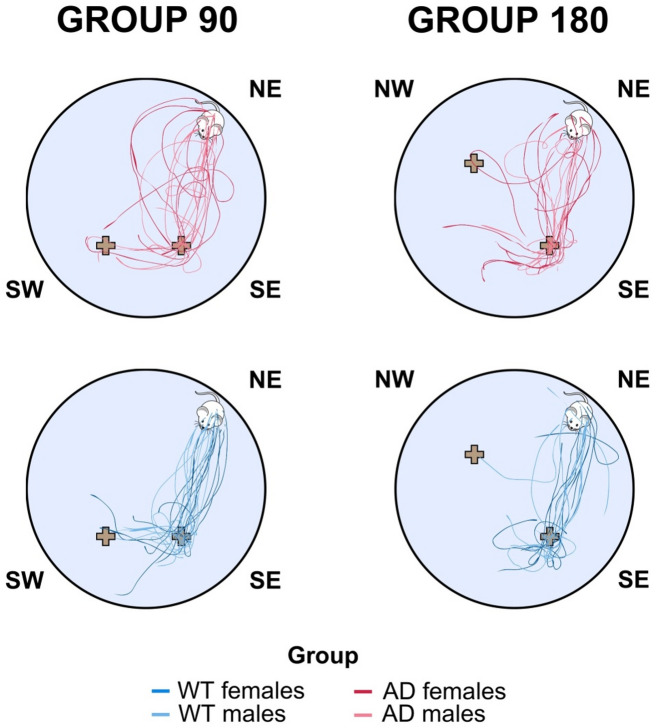 Figure 6
Peer Reviews
No public reviews on file for this paper yet. If you reviewed it on a platform where reviews are public (OpenReview, ICLR, NeurIPS, ICML), you can paste yours below so the community can read it here.
Videos
No videos yet. Explain this paper in a talk, walkthrough, or lecture? Add one.
Taxonomy
TopicsMemory and Neural Mechanisms · Alzheimer's disease research and treatments · Dementia and Cognitive Impairment Research