Functional and evolutionary diversification of luciferase genes in Metridia lucens Boeck 1865
Luís B. Gabín-García, Carolina Bartolomé, Pablo Iglesias, Ánxela M. Estévez-Salguero, Laura Rodríguez de la Fuente, Xulio Maside, Jose A. Costoya

TL;DR
This paper explores the evolution of luciferase genes in the copepod Metridia lucens, revealing unexpected genetic diversity and multiple gene lineages involved in bioluminescence.
Contribution
The study identifies three distinct luciferase gene lineages in M. lucens, expanding understanding of marine bioluminescence evolution.
Findings
M. lucens luciferase genes show high genetic diversity within and between specimens.
Three distinct luciferase gene lineages were identified, each with multiple copies.
The findings suggest an extended gene family contributing to bioluminescence in this copepod.
Abstract
Bioluminescent organisms have developed extraordinary adaptations to produce light using a luciferin-luciferase reaction, fulfilling various ecological functions such as predator evasion, prey attraction, and intraspecies communication. Although the earliest record in the marine environment dates back some 540 million years, the evolutionary origins of this phenomenon remain largely unknown in most species. In Metridinidae copepods, light production capability is facilitated by a luciferase gene duplication. This study focuses on characterizing the luciferase genes of Metridia lucens, a copepod widely distributed throughout global oceans, excluding the high Arctic. Despite being the first species described in this genus, the genomic sequences of its luciferase genes remained unknown prior to this investigation. Here, using an integrated approach combining molecular cloning and…
Genes, proteins, chemicals, diseases, species, mutations and cell lines named across the full text — each resolved to its canonical identifier and authoritative record.
Click any figure to enlarge with its caption.
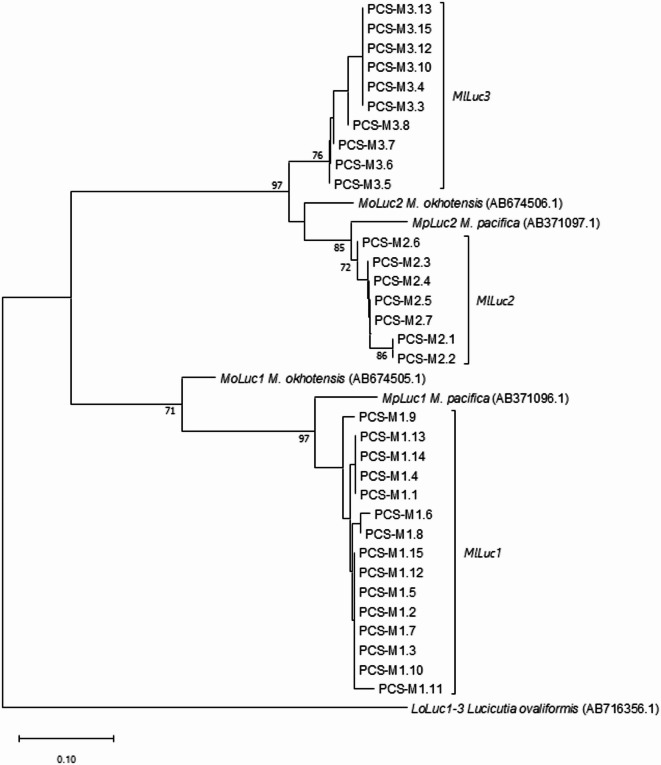 Figure 1
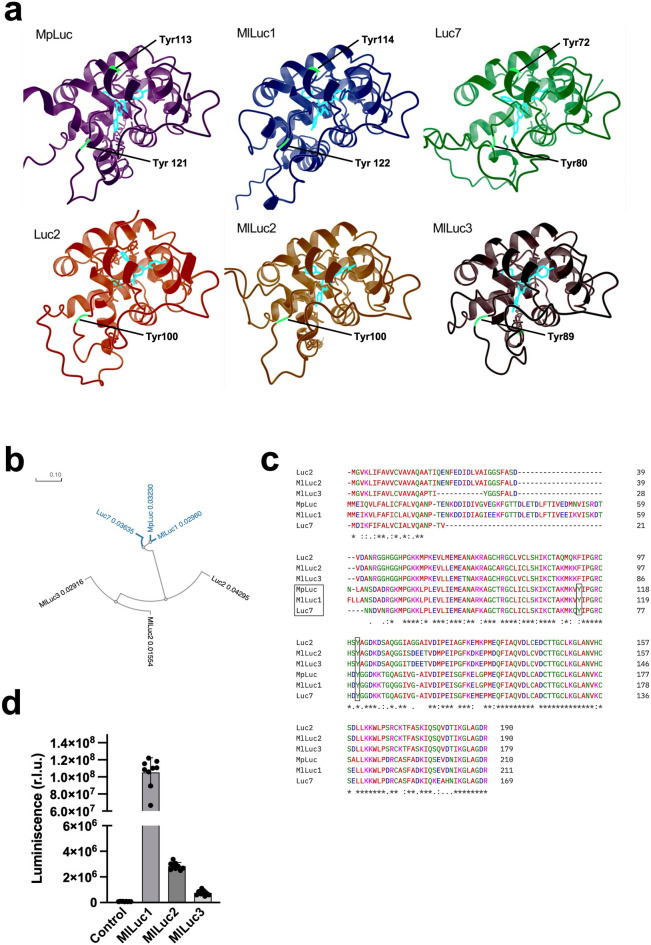 Figure 2
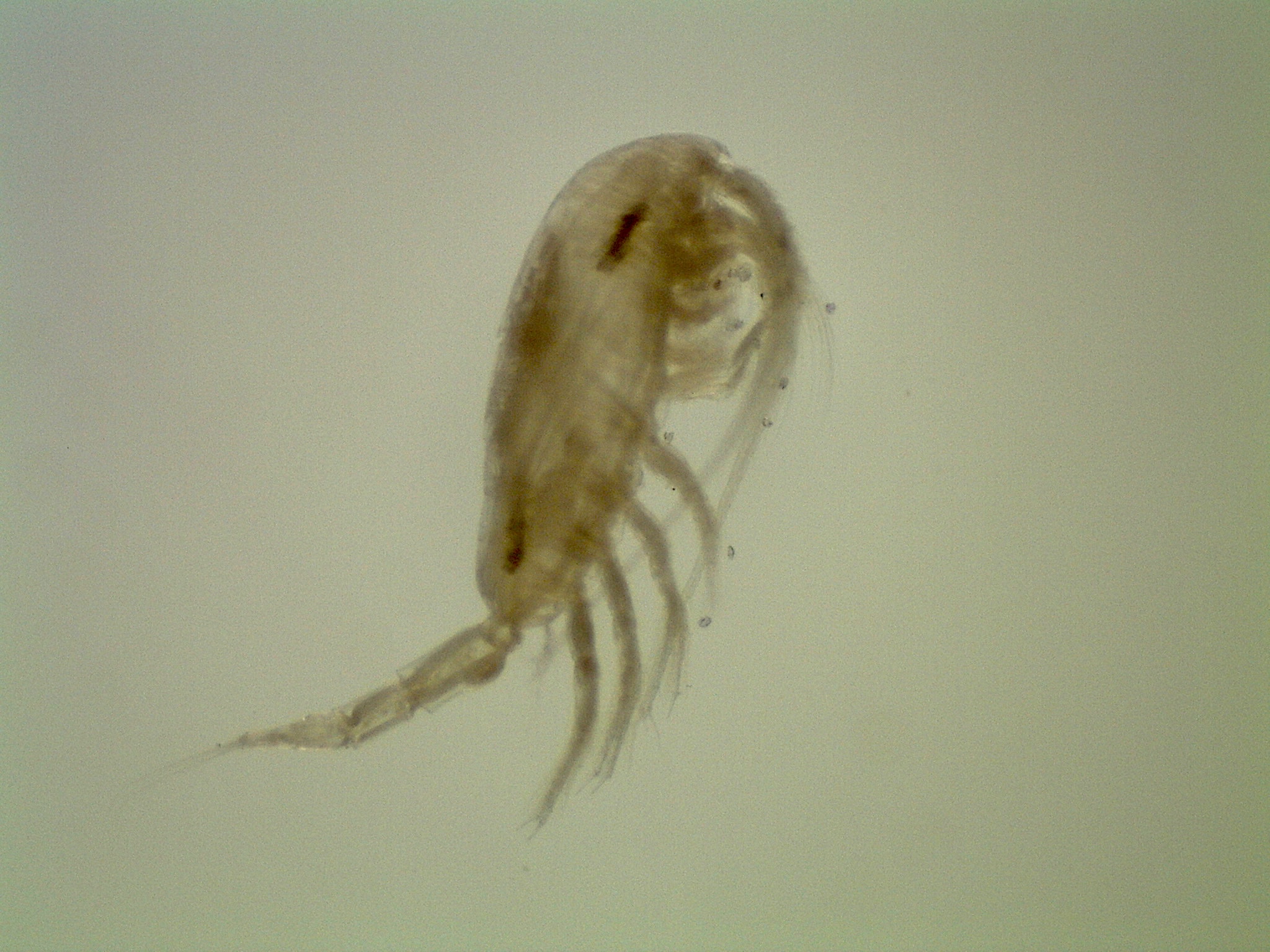 Figure 3
Peer Reviews
No public reviews on file for this paper yet. If you reviewed it on a platform where reviews are public (OpenReview, ICLR, NeurIPS, ICML), you can paste yours below so the community can read it here.
Videos
No videos yet. Explain this paper in a talk, walkthrough, or lecture? Add one.
Taxonomy
Topicsbioluminescence and chemiluminescence research · Photoreceptor and optogenetics research · Bacterial biofilms and quorum sensing