Horizontal saccade bias results from combination of saliency anisotropies and egocentric biases
Stephanie M. Reeves, Jorge Otero-Millan

TL;DR
The paper explains how horizontal saccade bias in humans arises from a combination of visual scene structure and internal biases in eye movement systems.
Contribution
The study identifies orientation anisotropies in saliency as a key driver of horizontal saccade bias and proposes a model combining allocentric and egocentric biases.
Findings
Orientation anisotropies in saliency best predict horizontal saccade bias.
A model combining allocentric and egocentric biases replicates human saccade patterns.
Current saliency models do not fully capture the effects of image tilt on saccades.
Abstract
Saccadic eye movements shift the fovea between objects of interest to build a visual percept. In humans, saccades are predominantly executed along the cardinal axes, particularly in the horizontal direction. It is unknown how this horizontal saccade bias could arise mechanistically, though previous work suggests contributions from neural, image-based, and ocular motor factors. Here we used two publicly available eye movement datasets to first investigate which image features–spatial frequency, saliency, and structural content–relate to the horizontal saccade bias. Among the three image features, we found that orientation anisotropies in saliency content best predicted the strength of the horizontal saccade bias. Based on this result, we next implemented a saccade target selection model combining allocentric biases aligned with image orientation and egocentric biases aligned with eye or…
Genes, proteins, chemicals, diseases, species, mutations and cell lines named across the full text — each resolved to its canonical identifier and authoritative record.
Click any figure to enlarge with its caption.
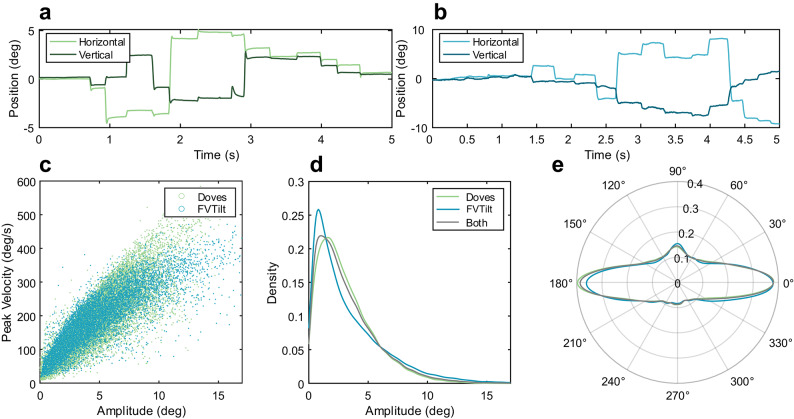 Figure 1
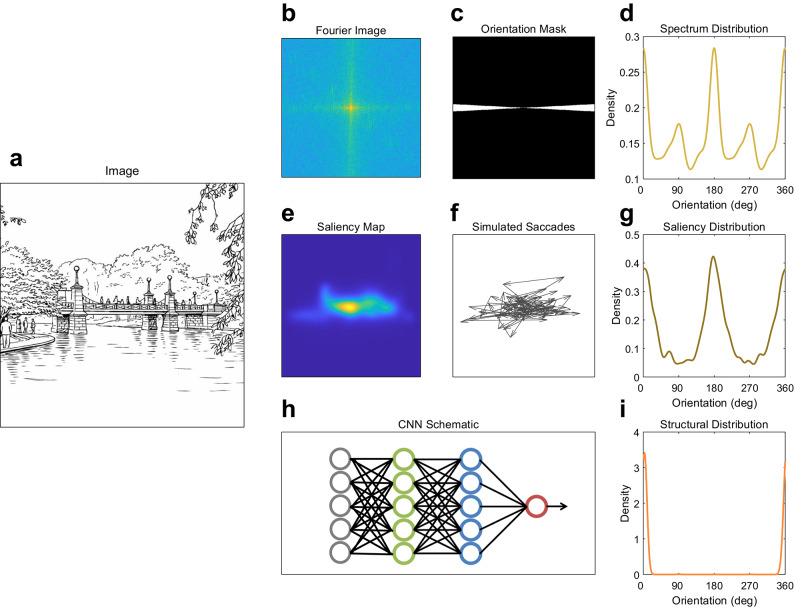 Figure 2
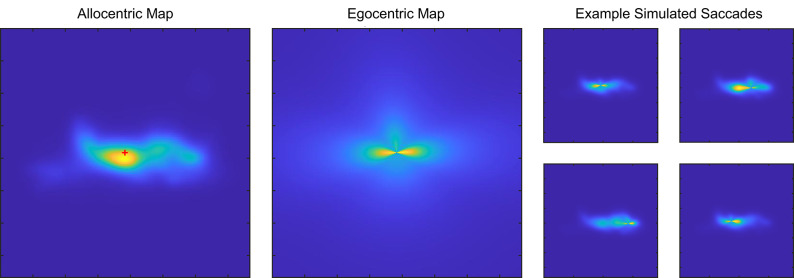 Figure 3
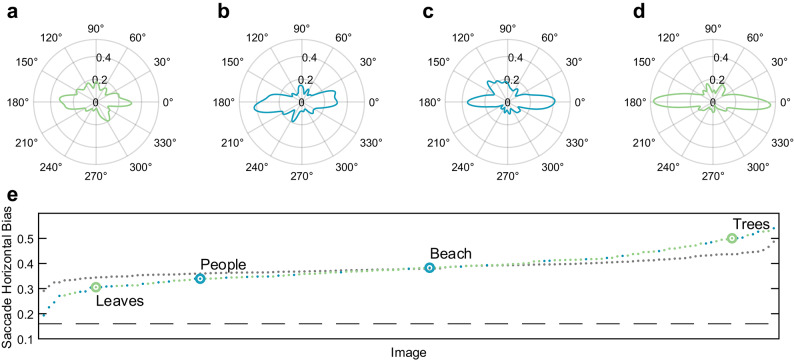 Figure 4
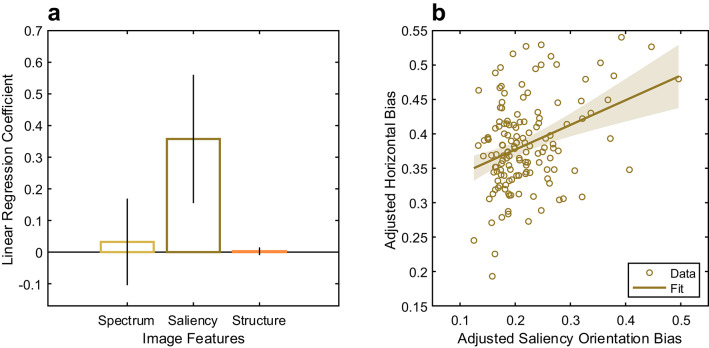 Figure 5
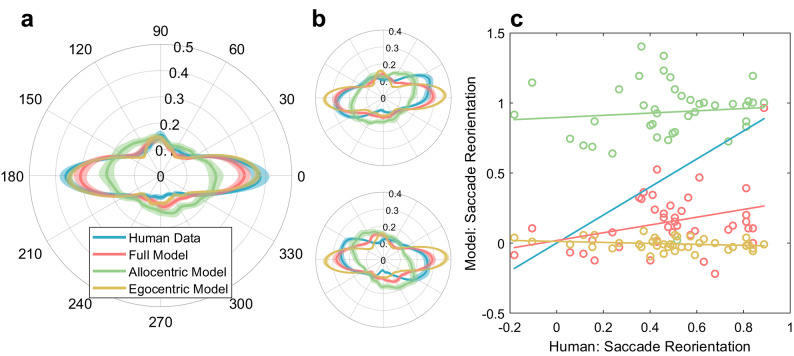 Figure 6
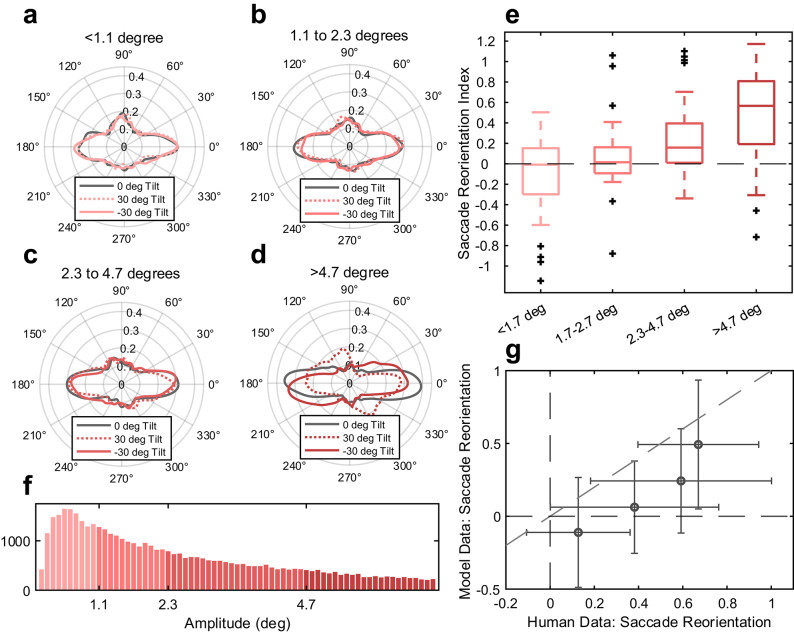 Figure 7
Peer Reviews
No public reviews on file for this paper yet. If you reviewed it on a platform where reviews are public (OpenReview, ICLR, NeurIPS, ICML), you can paste yours below so the community can read it here.
Videos
No videos yet. Explain this paper in a talk, walkthrough, or lecture? Add one.
Taxonomy
TopicsVisual Attention and Saliency Detection · Visual perception and processing mechanisms · Face Recognition and Perception