Computation of topological relations with 3-SRM
Nivedita P. Totad, Girish M. Sajjanshettar, Prakash K. Aithal

TL;DR
This paper introduces a new model for computing topological relations among three spatial regions in 2D space, extending traditional binary frameworks.
Contribution
The paper proposes the 3-SRM, a formally defined ternary intersection calculus for triadic spatial relations.
Findings
The 3-SRM model identifies 16 distinct topological relations among three spatial regions.
Each relation is characterized by evaluating the emptiness patterns of interior–boundary–exterior intersections.
The model extends binary frameworks while preserving their topological semantics.
Abstract
Topological relation models are fundamental to spatial databases and GIS, providing a basis for reasoning about how spatial objects relate. Existing binary frameworks such as RCC-8 and the 9-Intersection Model effectively describe relations between two regions but cannot capture the global structure of configurations involving three spatial entities. To overcome this limitation, we propose a formally defined ternary intersection calculus, the Three-Simple-Region Model (3-SRM), for computing topological relations among three simple regions in 2D space. The model is constructed on the basis of three 3x3 matrices \documentclass[12pt]{minimal} \usepackage{amsmath} \usepackage{wasysym} \usepackage{amsfonts} \usepackage{amssymb} \usepackage{amsbsy} \usepackage{mathrsfs} \usepackage{upgreek} \setlength{\oddsidemargin}{-69pt}…
Genes, proteins, chemicals, diseases, species, mutations and cell lines named across the full text — each resolved to its canonical identifier and authoritative record.
Click any figure to enlarge with its caption.
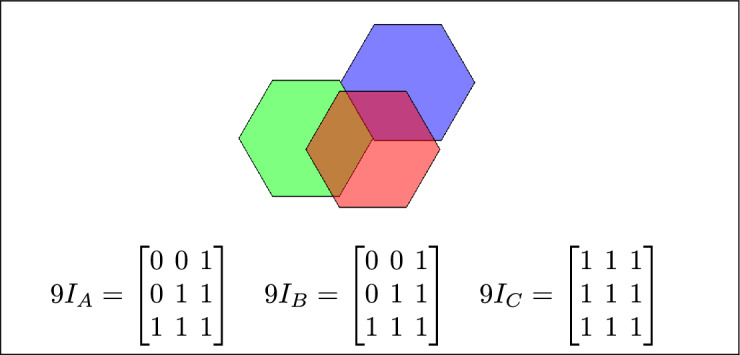 Figure 10
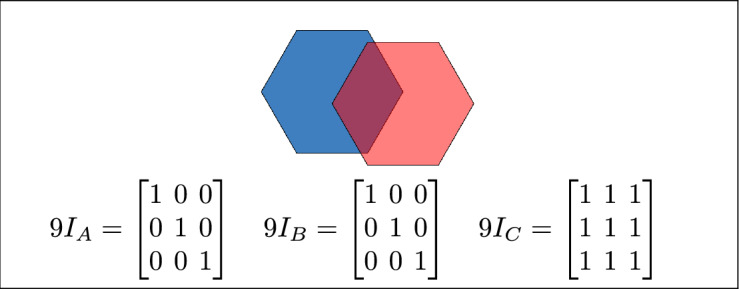 Figure 11
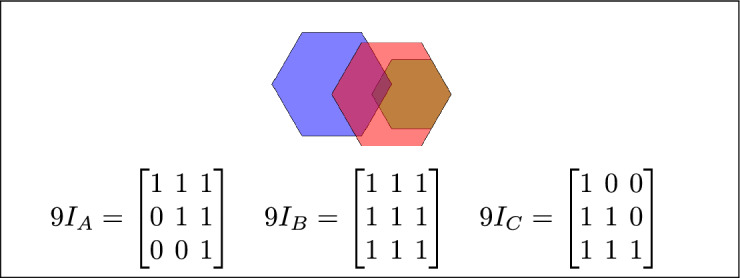 Figure 12
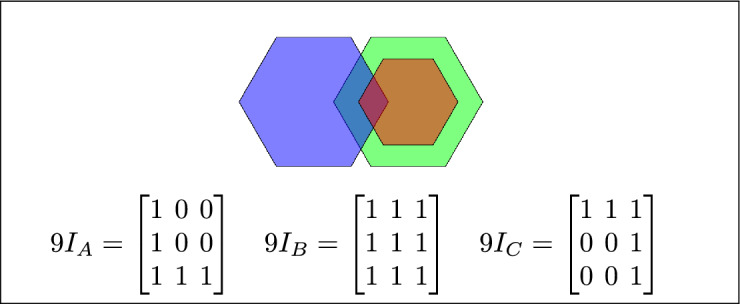 Figure 13
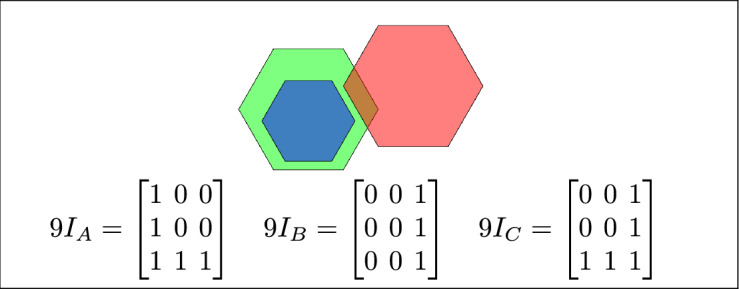 Figure 14
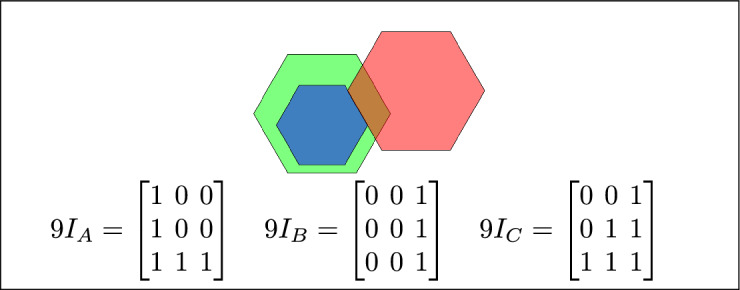 Figure 15
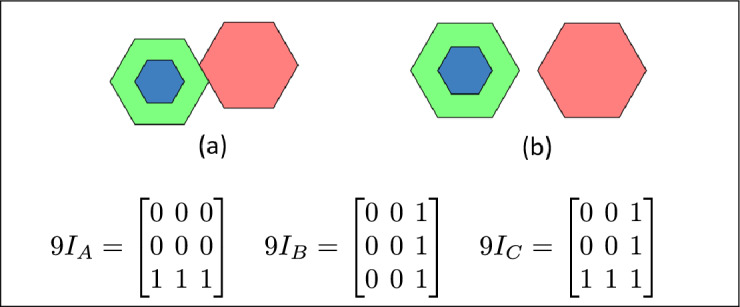 Figure 16
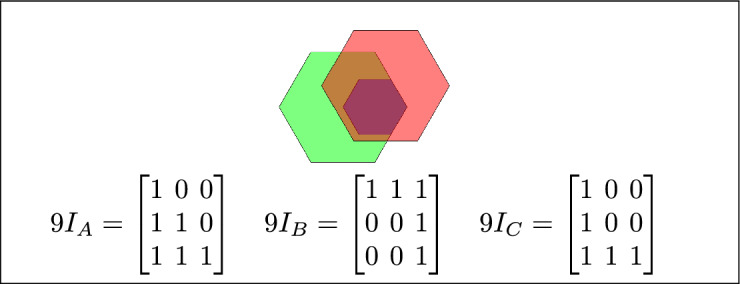 Figure 17
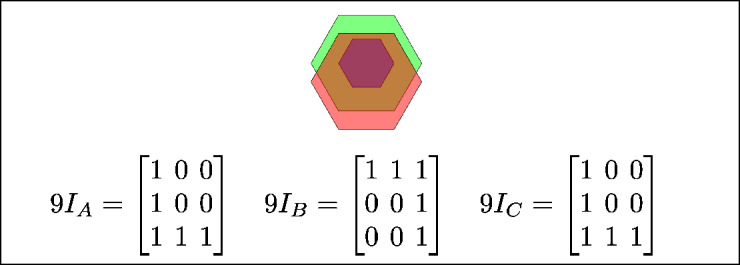 Figure 18
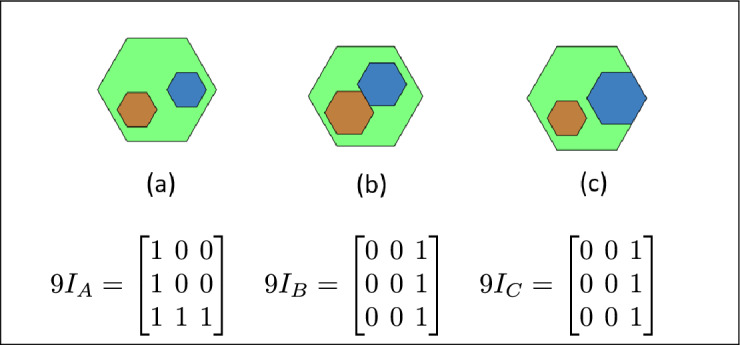 Figure 19
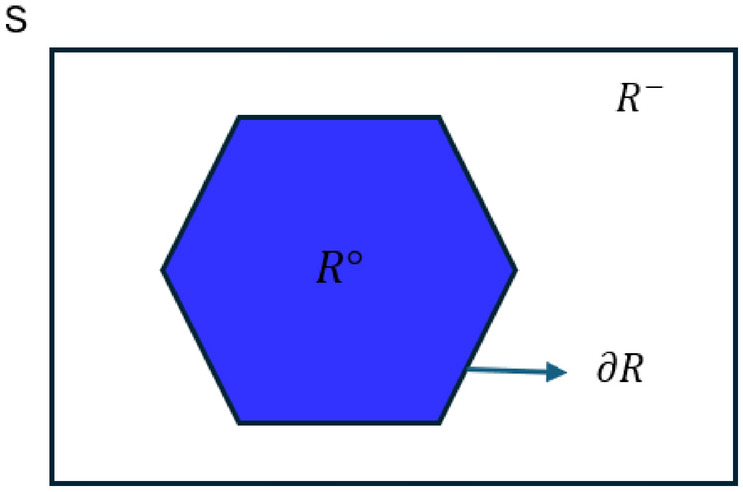 Figure 1
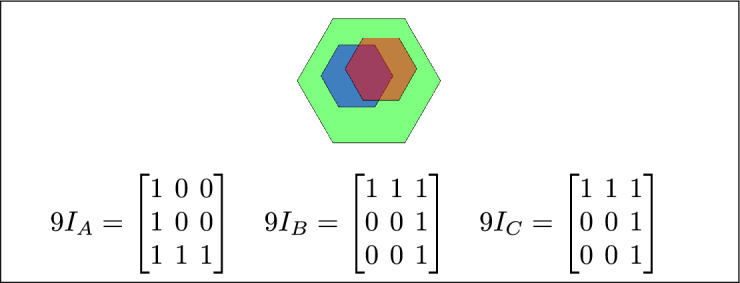 Figure 20
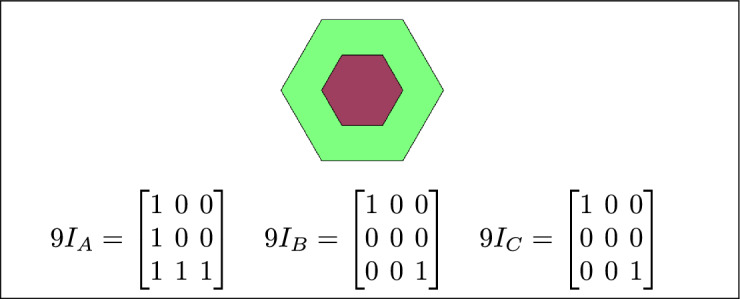 Figure 21
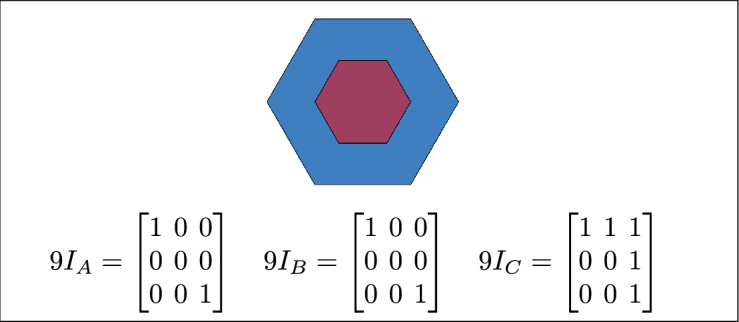 Figure 22
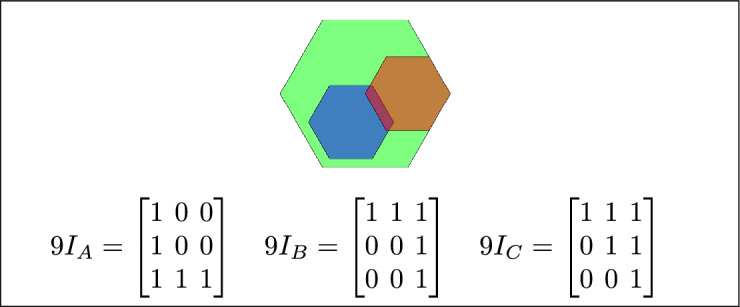 Figure 23
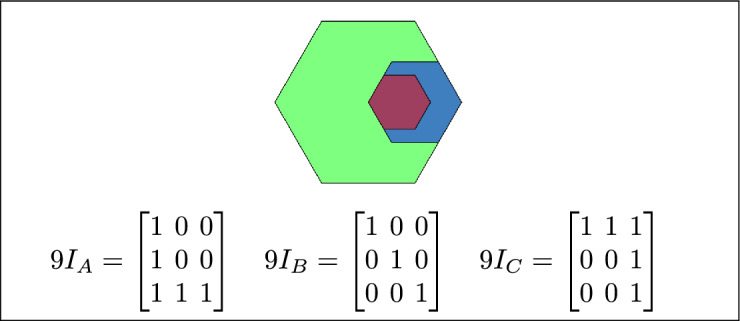 Figure 24
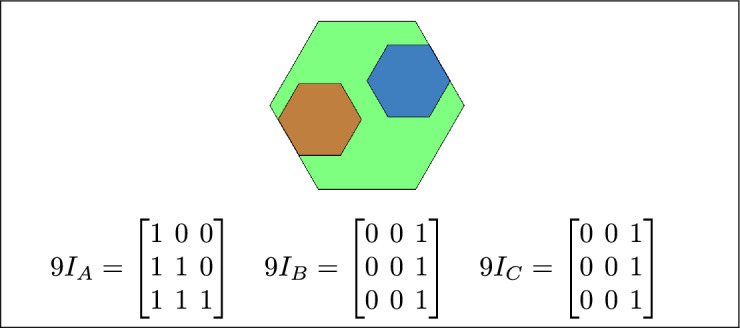 Figure 25
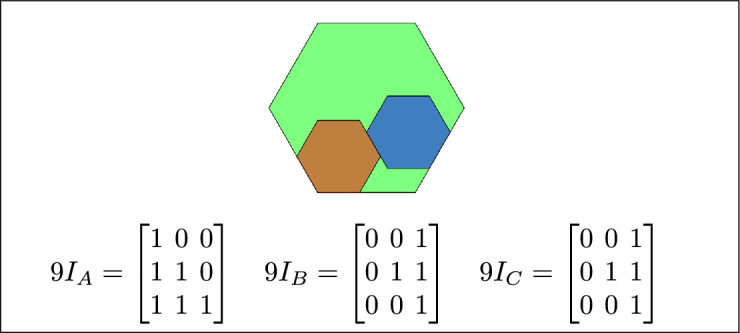 Figure 26
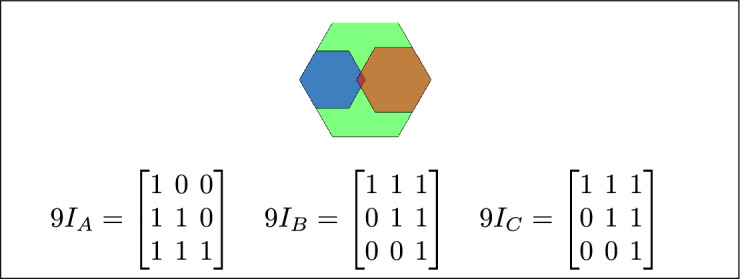 Figure 27
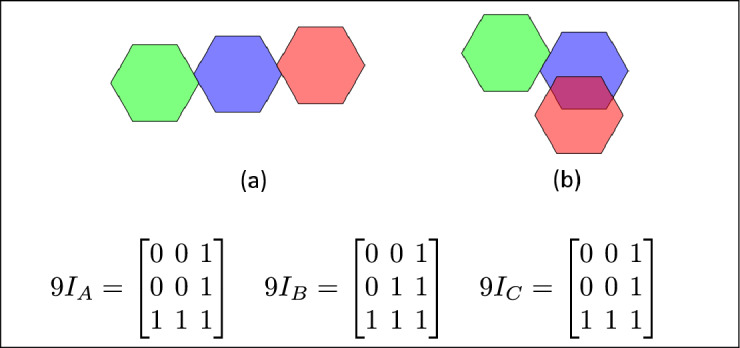 Figure 28
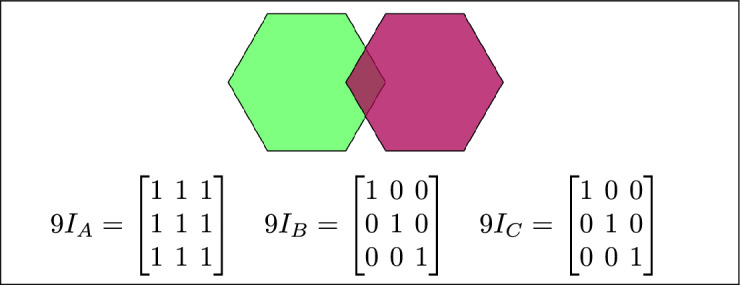 Figure 29
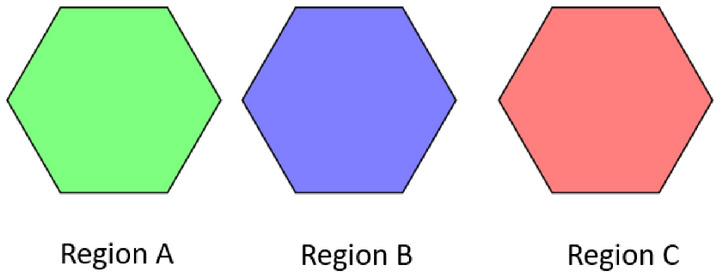 Figure 2
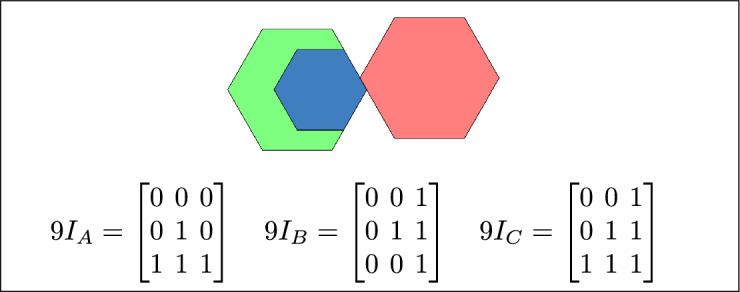 Figure 30
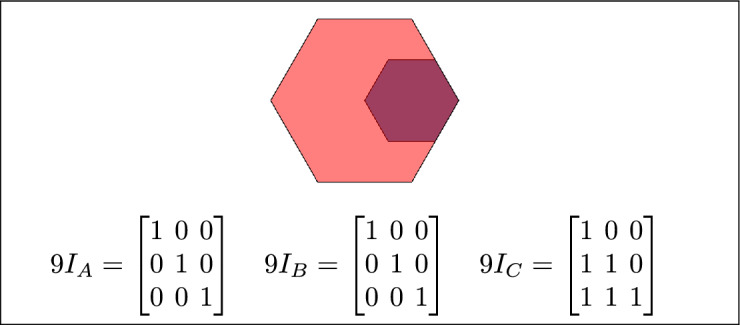 Figure 31
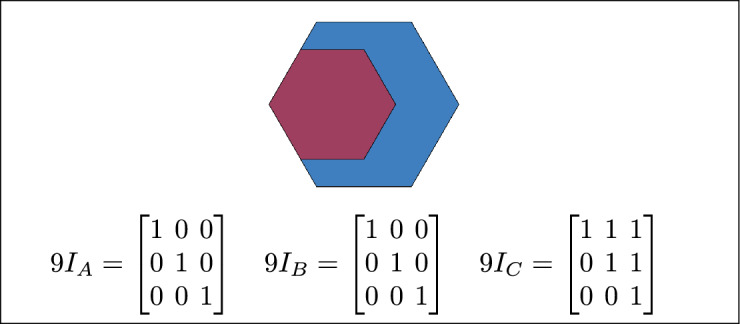 Figure 32
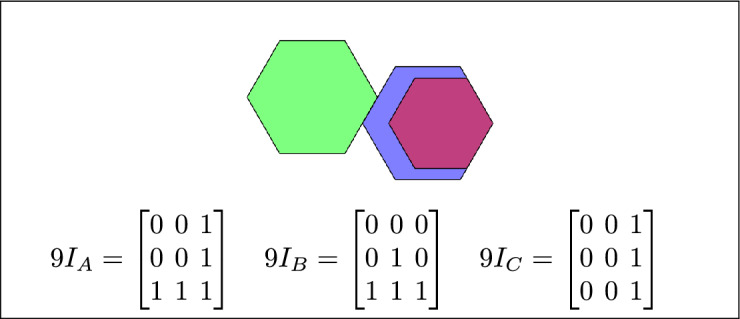 Figure 33
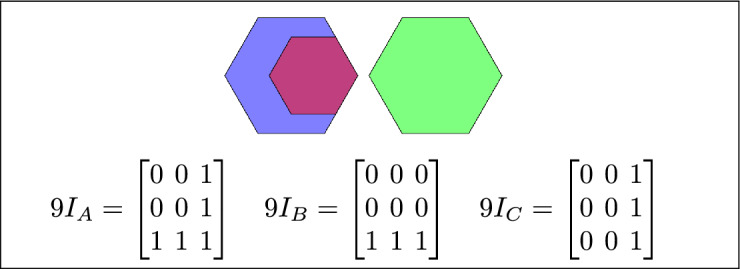 Figure 34
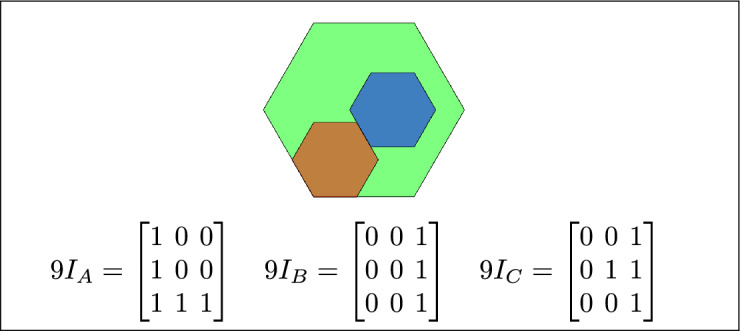 Figure 35
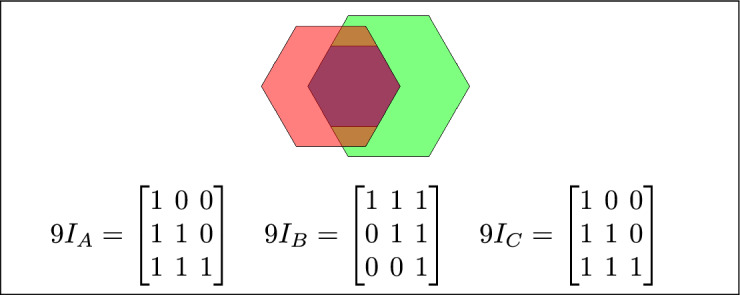 Figure 36
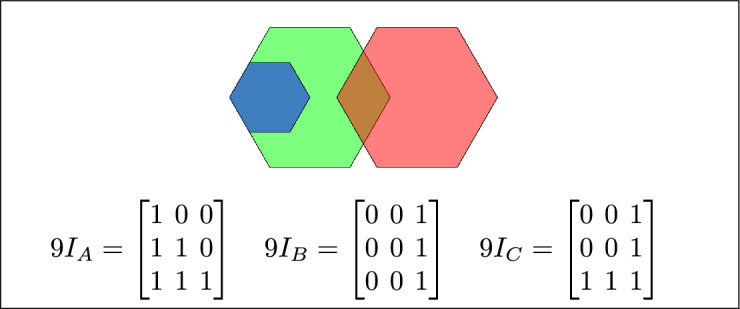 Figure 37
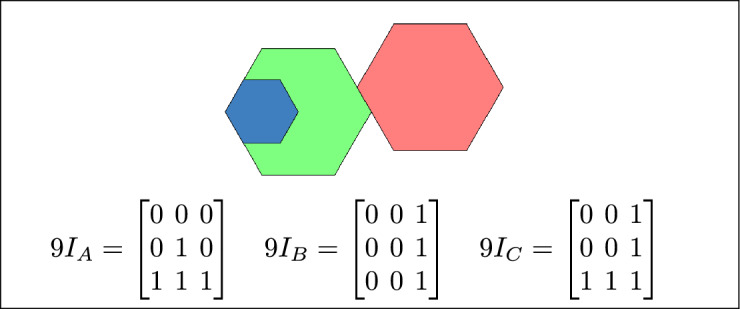 Figure 38
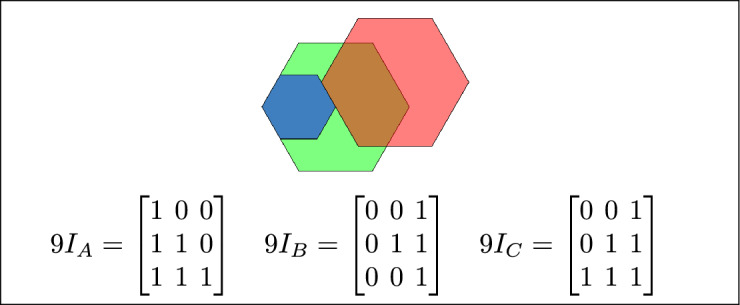 Figure 39
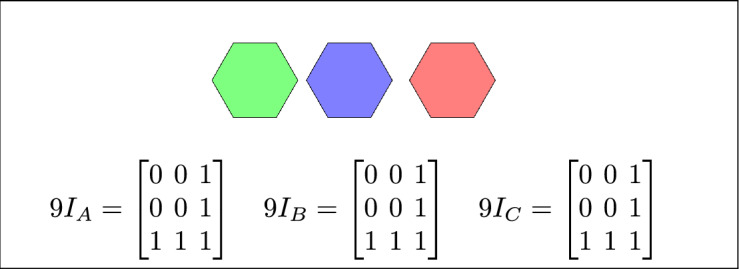 Figure 3
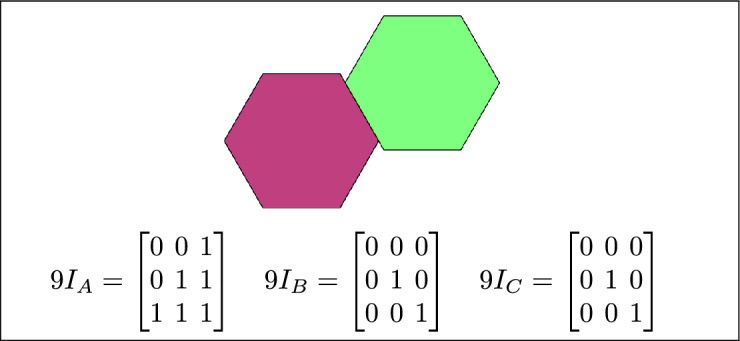 Figure 40
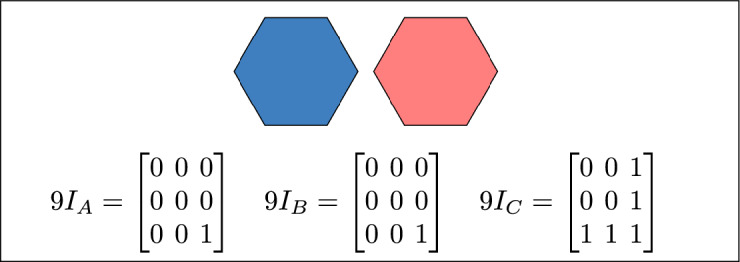 Figure 41
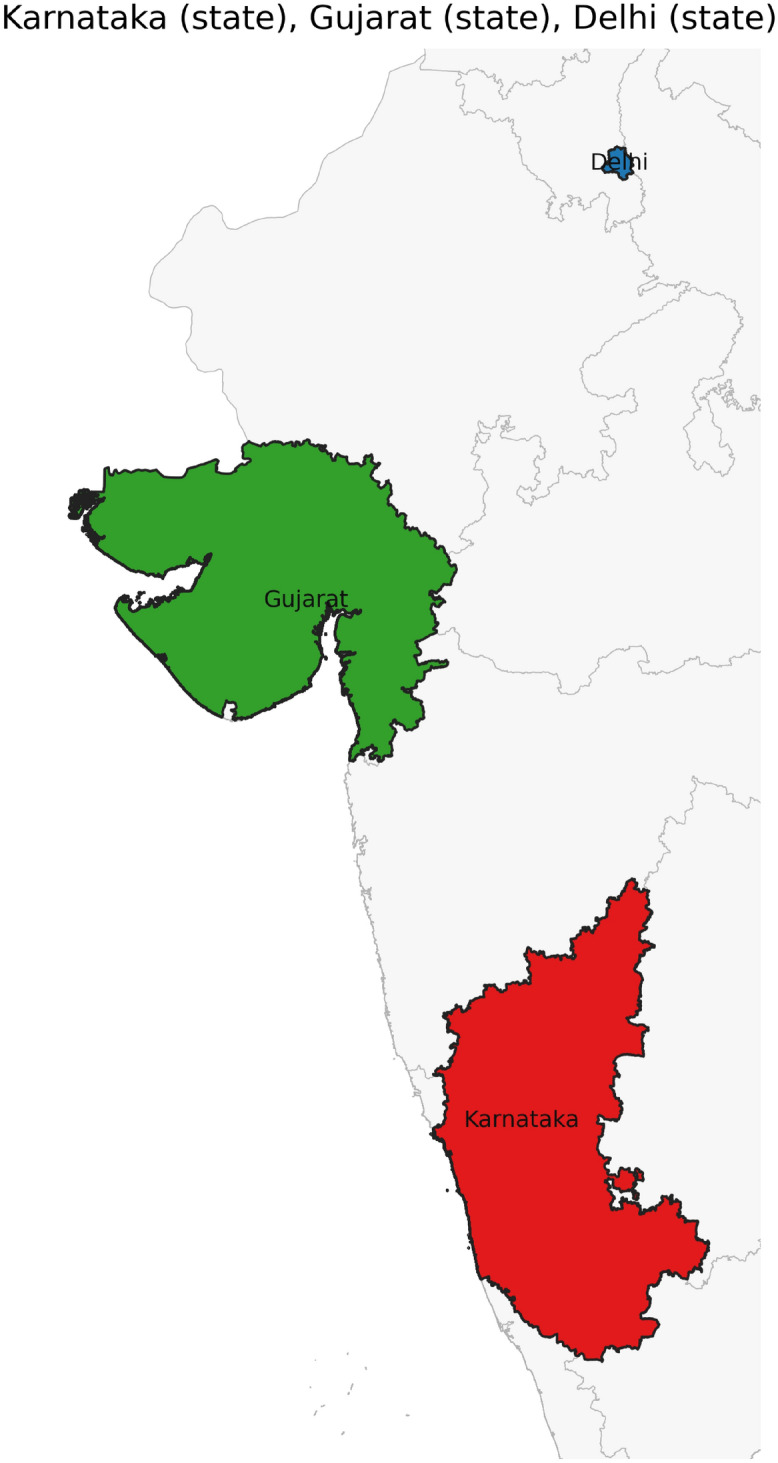 Figure 42
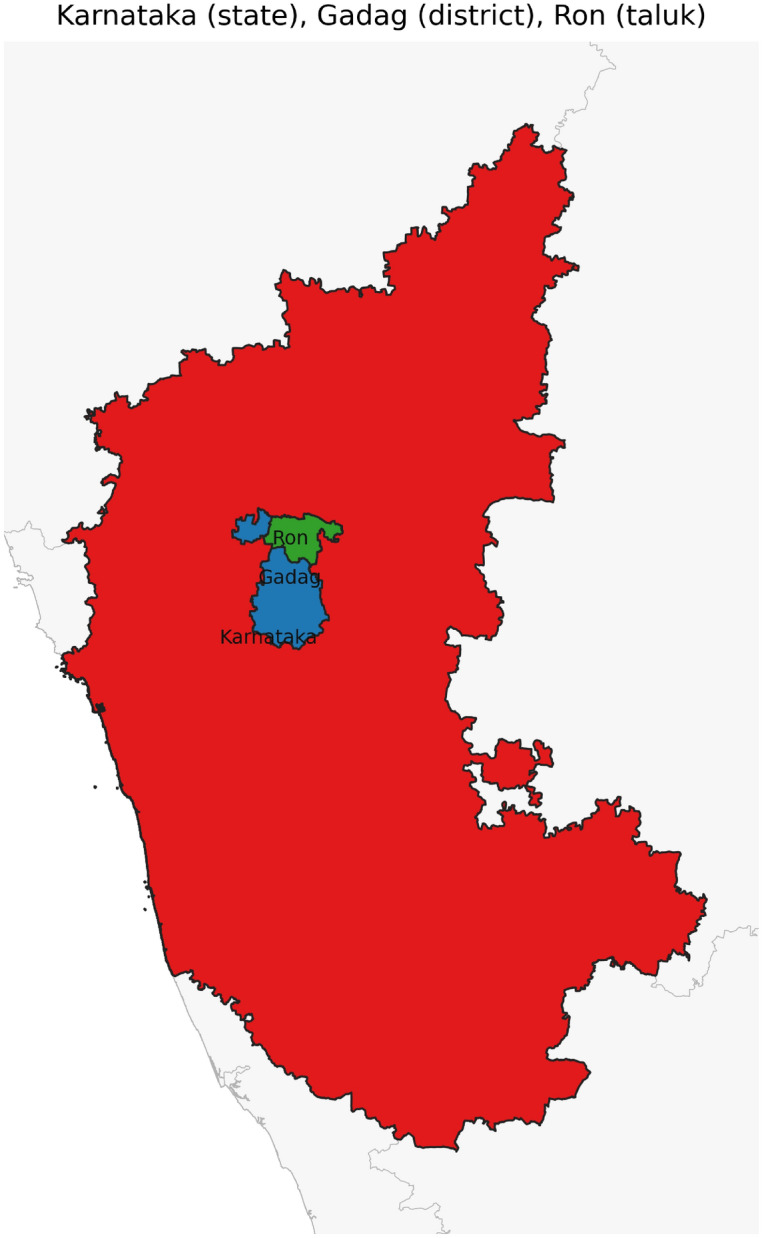 Figure 43
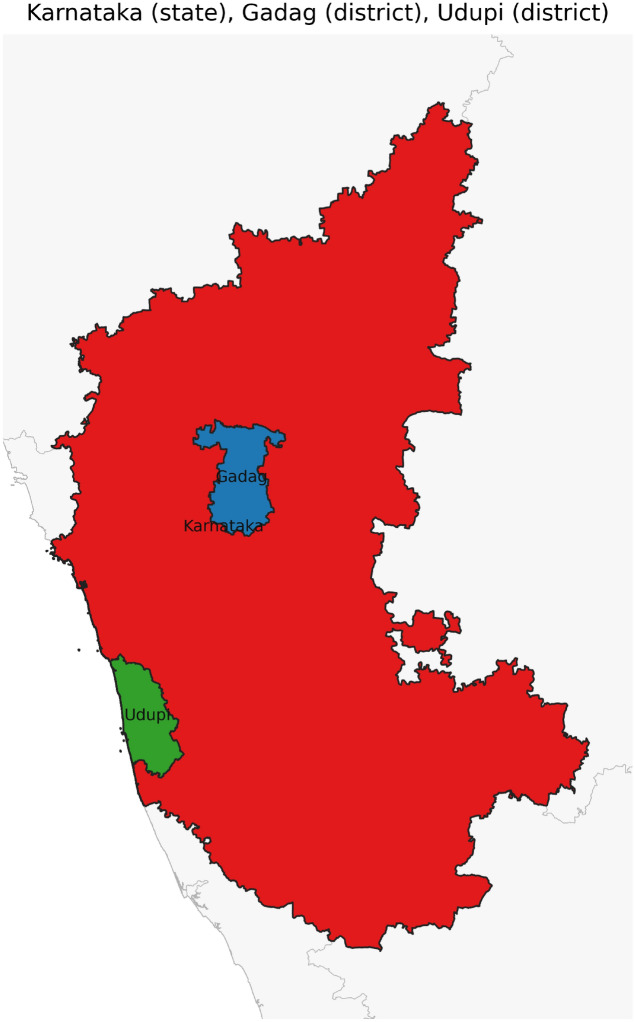 Figure 44
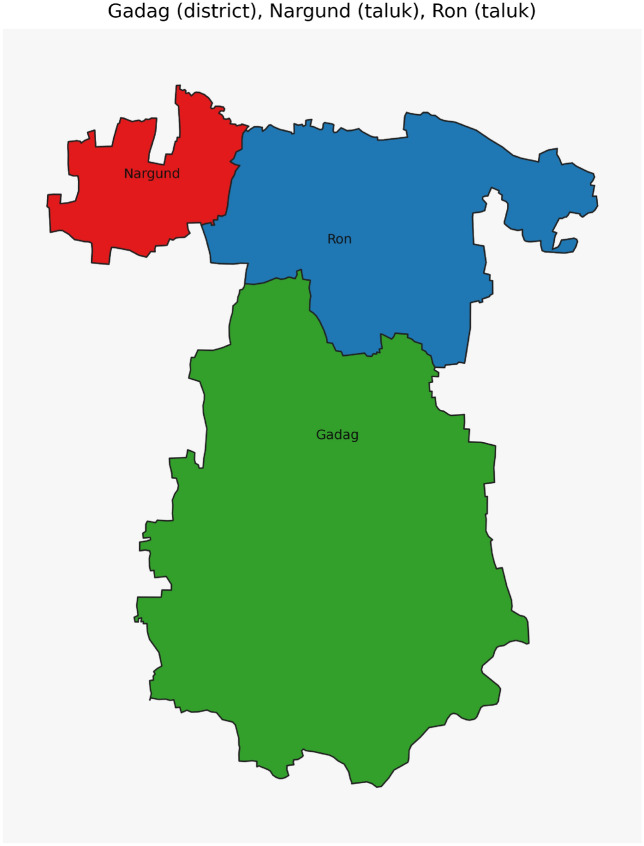 Figure 45
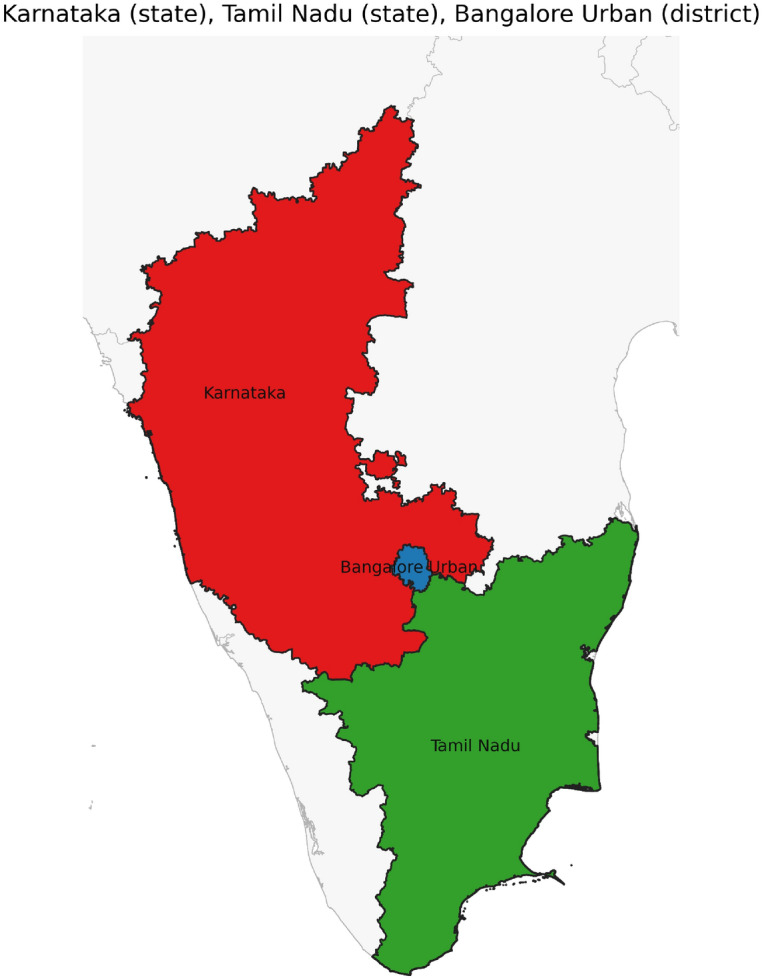 Figure 46
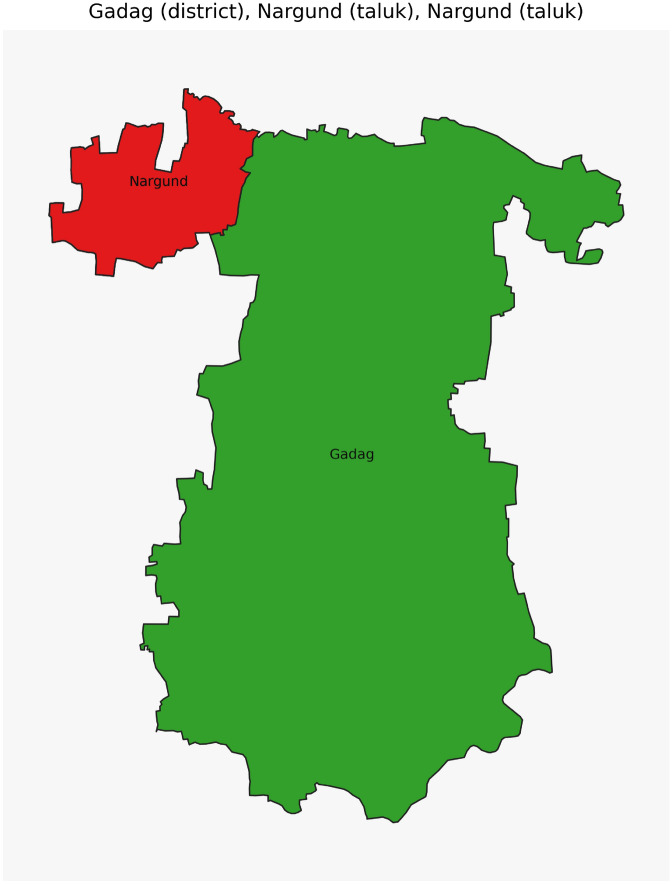 Figure 47
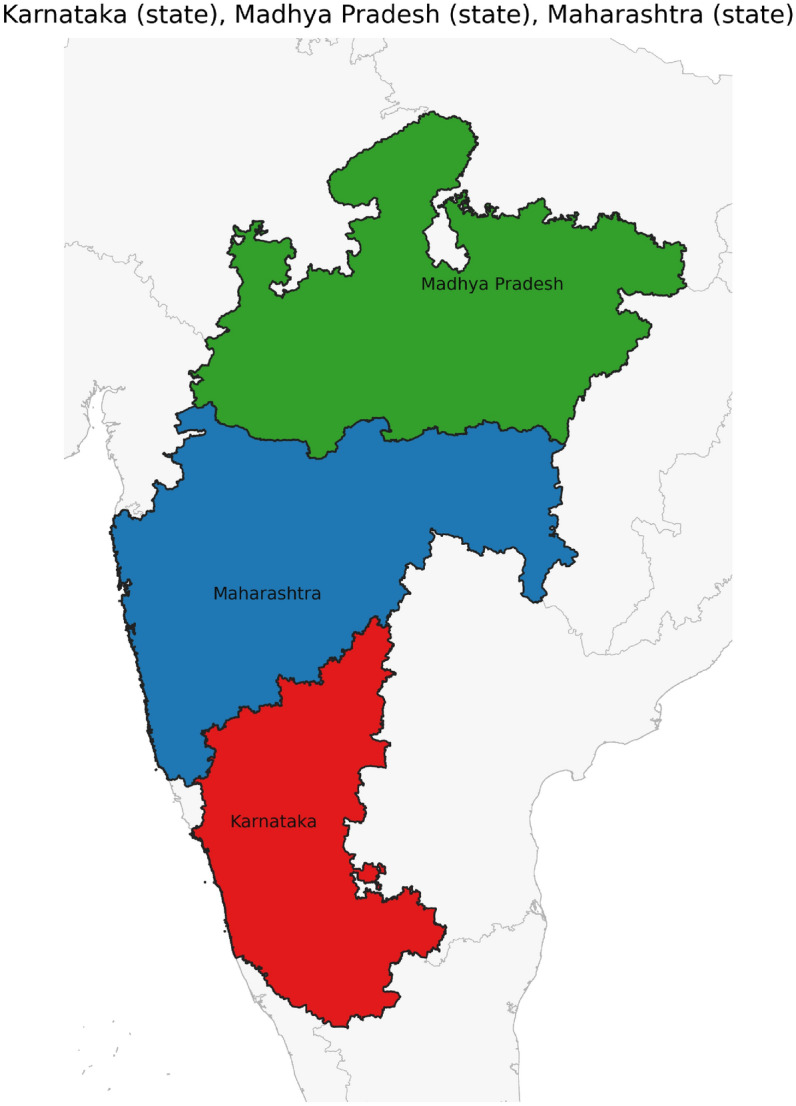 Figure 48
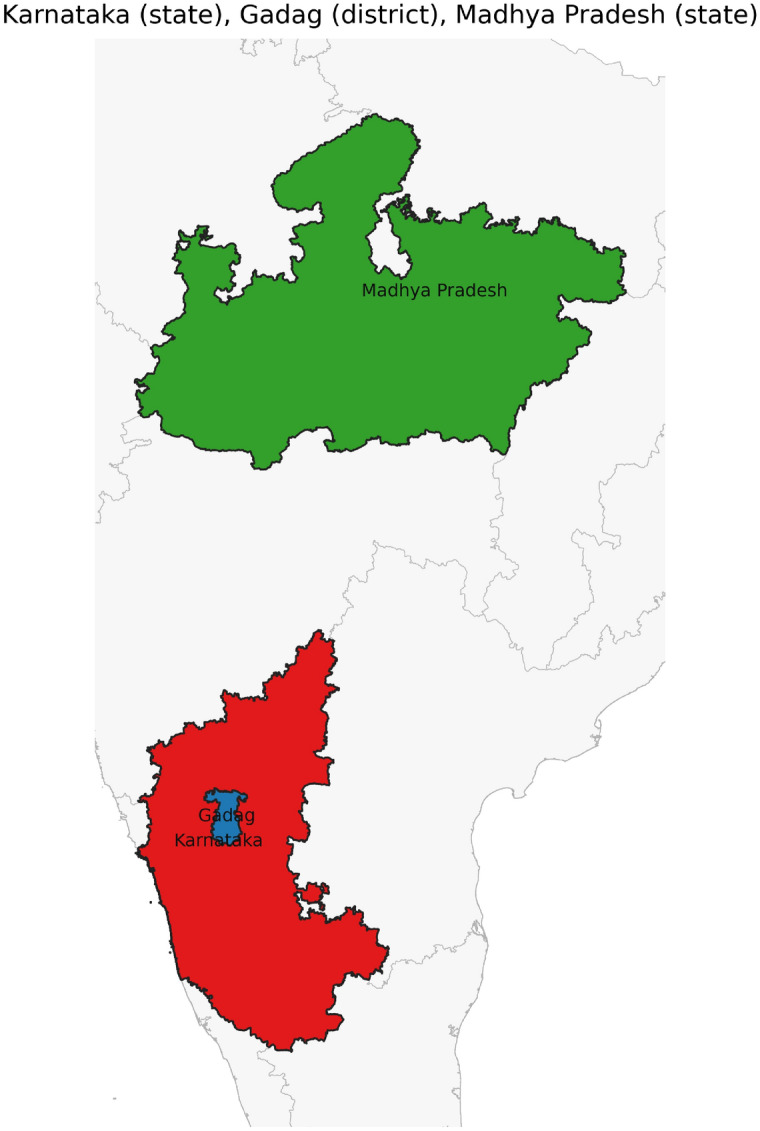 Figure 49
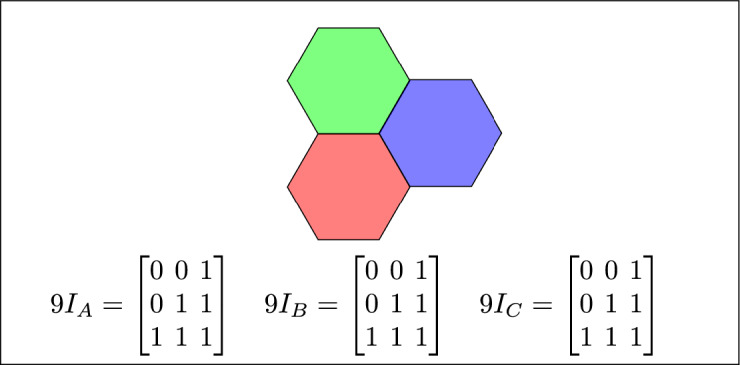 Figure 4
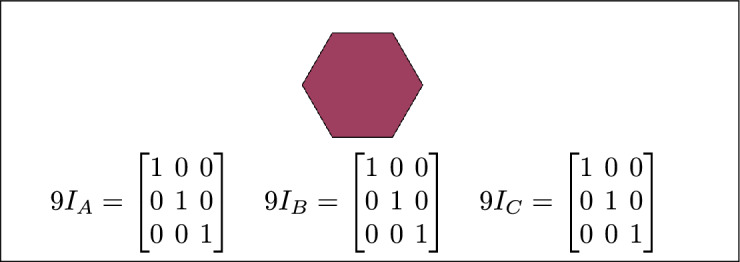 Figure 5
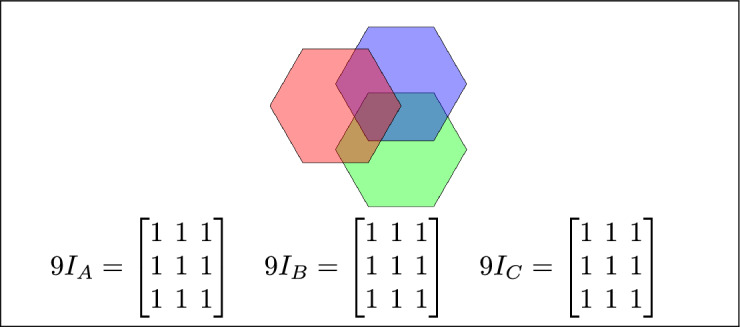 Figure 6
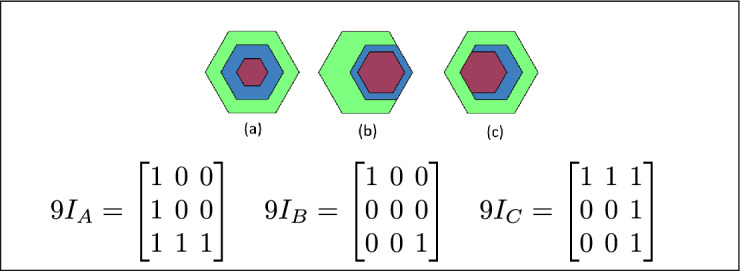 Figure 7
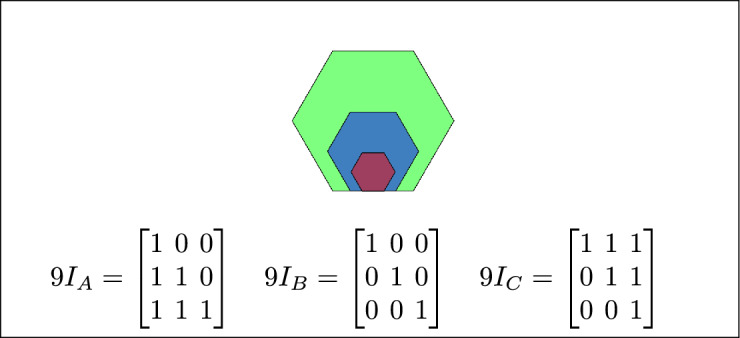 Figure 8
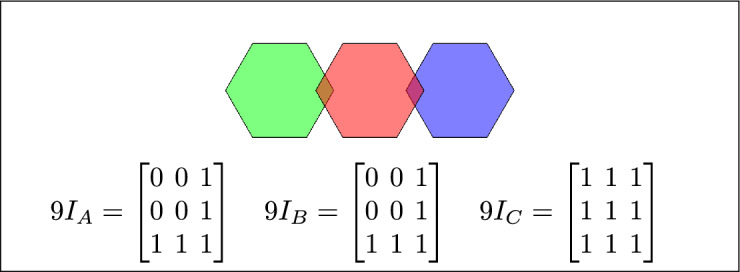 Figure 9
Peer Reviews
No public reviews on file for this paper yet. If you reviewed it on a platform where reviews are public (OpenReview, ICLR, NeurIPS, ICML), you can paste yours below so the community can read it here.
Videos
No videos yet. Explain this paper in a talk, walkthrough, or lecture? Add one.
Taxonomy
TopicsConstraint Satisfaction and Optimization · Data Management and Algorithms · Geographic Information Systems Studies