De novo variants in the splicing factor gene SF3B1 are associated with neurodevelopmental disorders
Kevin Uguen, Tiffany Bergot, Marie-Pier Scott-Boyer, Solène Chapalain, Camille Desdouets, Séverine Commet, Changlian Zhu, Yiran Xu, Yangong Wang, Tony Roscioli, Frederic Tran-Mau-Them, Laurence Faivre, Julien Maraval, Julian Delanne, Anne-Sophie Denommé-Pichon, Antonio Vitobello

TL;DR
New genetic variants in SF3B1 are linked to neurodevelopmental disorders, showing how this gene affects development and splicing.
Contribution
Identifies de novo SF3B1 missense variants as a cause of neurodevelopmental disorders, distinct from cancer-related mutations.
Findings
De novo SF3B1 missense variants are associated with neurodevelopmental disorders and facial dysmorphia.
Missense variants in SF3B1 disrupt RNA splicing more subtly than cancer-related somatic variants.
SF3B1 is implicated in both cancer and neurodevelopmental disorders, highlighting its multifaceted role.
Abstract
SF3B1 is an essential and ubiquitous splicing factor that plays a pivotal role in the early steps of pre-mRNA splicing. Recurrent somatic missense mutations in SF3B1 are frequent in cancers, but no constitutional variant has been reported so far. We describe here a cohort of 26 individuals with neurodevelopmental disorders, harbouring SF3B1 constitutional heterozygous variants that appeared mostly de novo. Patients present with a global developmental delay, associated with variable neurological and facial dysmorphic traits. A dichotomy may emerge between patients harbouring predicted loss of function (n = 9) and missense variants (n = 17), the latter being associated with a more severe and syndromic phenotype, including heart and gastrointestinal anomalies. We focused on de novo SF3B1 missense variants, which were largely distinct from those reported in cancer. Functional…
Genes, proteins, chemicals, diseases, species, mutations and cell lines named across the full text — each resolved to its canonical identifier and authoritative record.
Click any figure to enlarge with its caption.
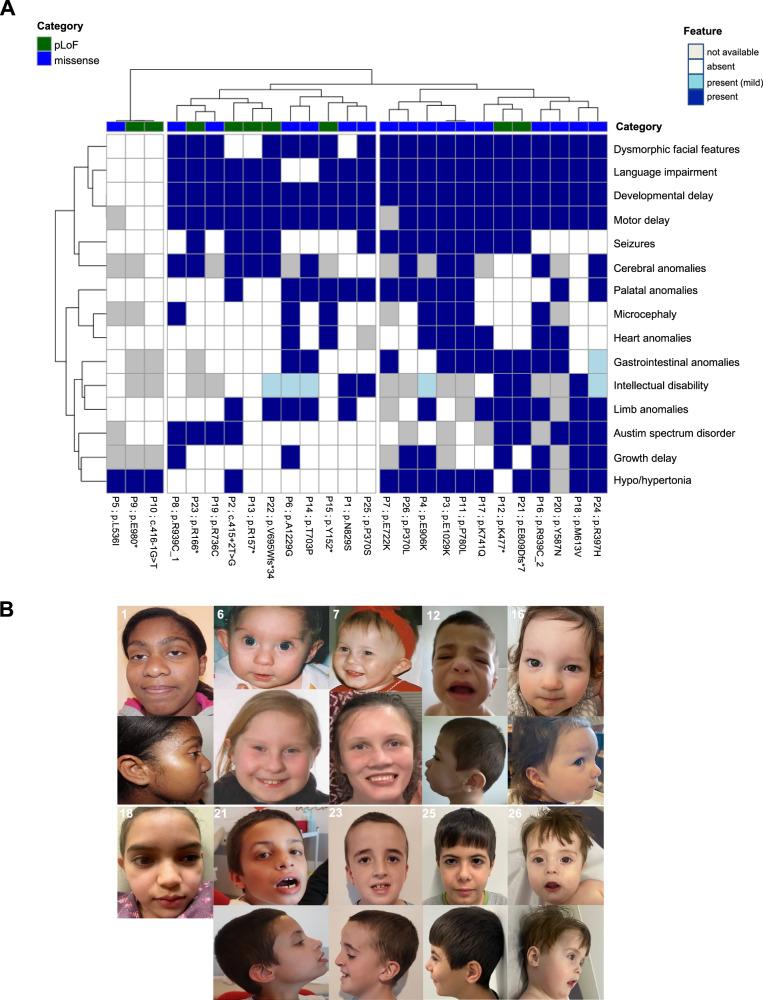 Figure 1
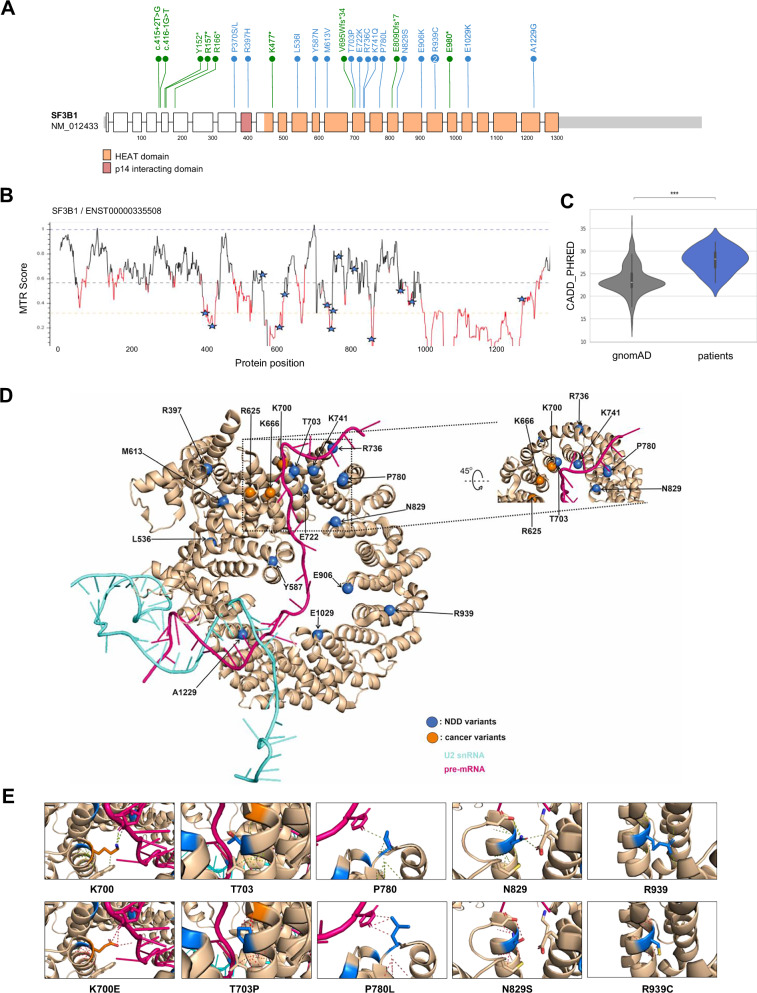 Figure 2
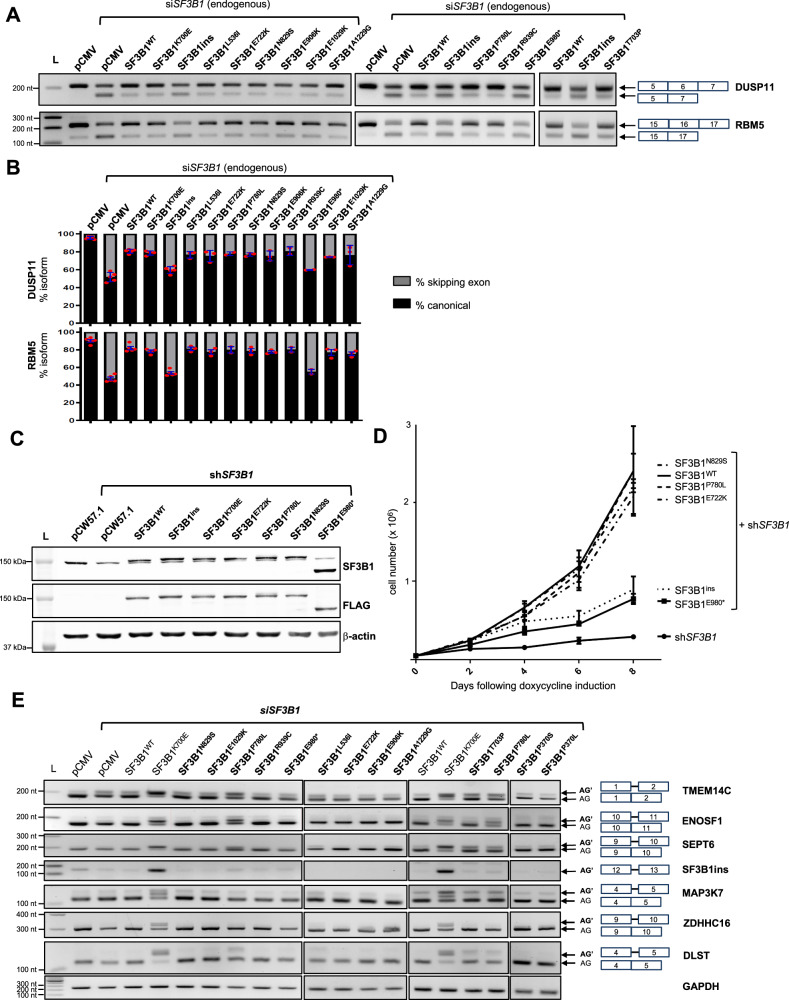 Figure 3
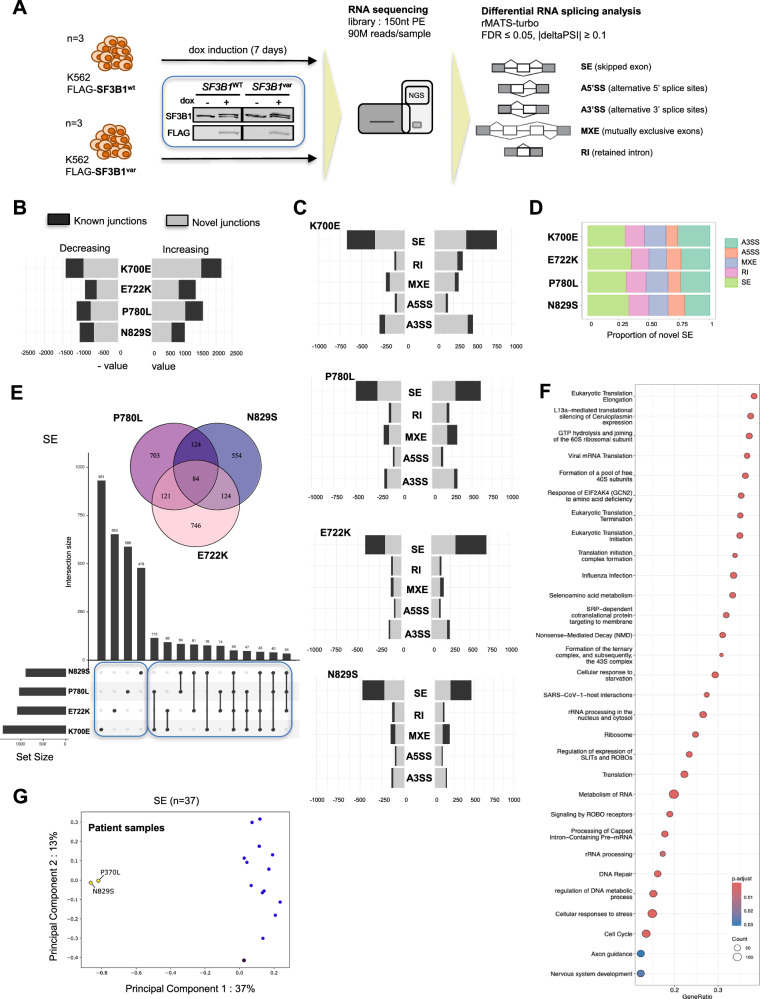 Figure 4
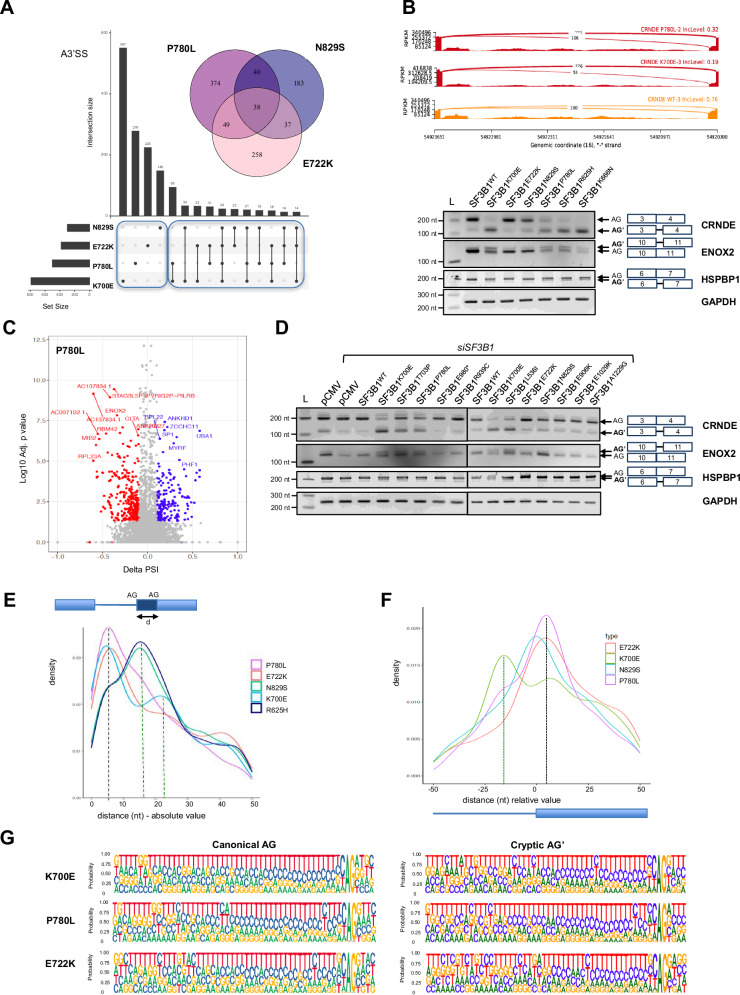 Figure 5
Peer Reviews
No public reviews on file for this paper yet. If you reviewed it on a platform where reviews are public (OpenReview, ICLR, NeurIPS, ICML), you can paste yours below so the community can read it here.
Videos
No videos yet. Explain this paper in a talk, walkthrough, or lecture? Add one.
Taxonomy
TopicsRNA Research and Splicing · Genomics and Rare Diseases · RNA modifications and cancer