Sickle cell disease detection in low-resource conditions using transfer-learning and contrastive-learning coupled with XAI
Jay Patel, H. Muralikrishna, Krishnaraj Chadaga, Ananthakrishna Thalengala, Niranjana Sampathila

TL;DR
This paper presents a method to detect sickle cell disease using deep learning techniques that work well with limited data and provide explainable results.
Contribution
The paper introduces a novel combination of transfer-learning, contrastive-learning, and XAI for SCD detection in low-resource settings.
Findings
Models using transfer learning and triplet loss outperformed traditional loss functions.
Explainable AI methods were integrated to enhance model transparency in clinical applications.
The approach is effective for SCD detection with limited training data.
Abstract
Sickle cell disease (SCD) is a severe hereditary blood disorder that affects millions worldwide, necessitating early and accurate detection to improve patient outcomes. State-of-the-art approaches for automatic detection of SCD use deep learning (DL) based models, which require a large amount of training data for efficient training. However, such large training datasets are often not available, significantly limiting the efficiency of DL-based models. In this paper, we propose different approaches to address this issue. Firstly, we propose to use a transfer-learning based approach, where we use pre-trained models like ResNet-50, DenseNet-121, and EfficientNet-B0 and fine-tune them for SCD detection. To further enhance the efficiency of the models, we then propose to include contrastive-learning-based approach using triplet loss. We also use focal loss to handle class imbalance.…
Genes, proteins, chemicals, diseases, species, mutations and cell lines named across the full text — each resolved to its canonical identifier and authoritative record.
Click any figure to enlarge with its caption.
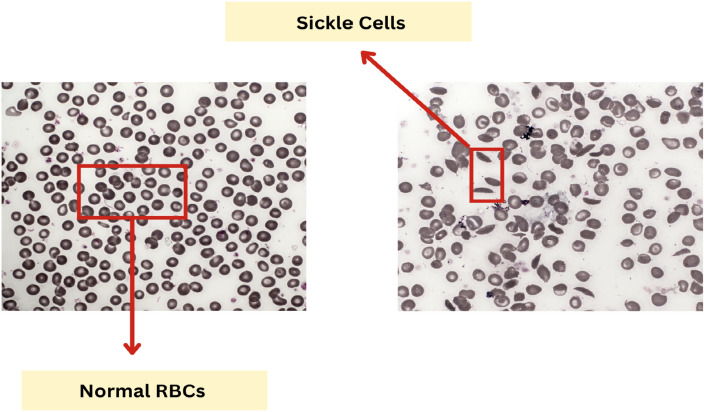 Figure 10
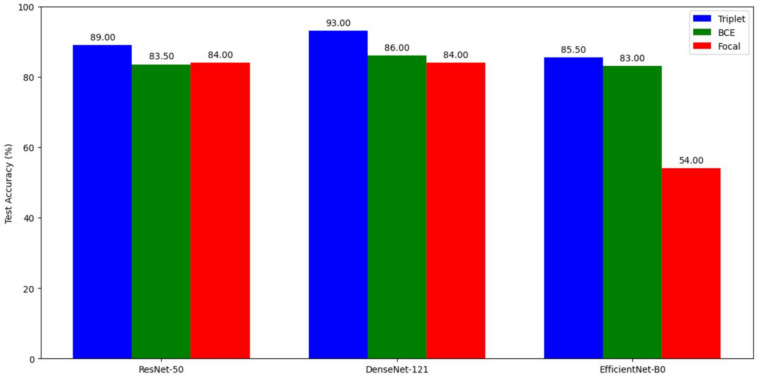 Figure 11
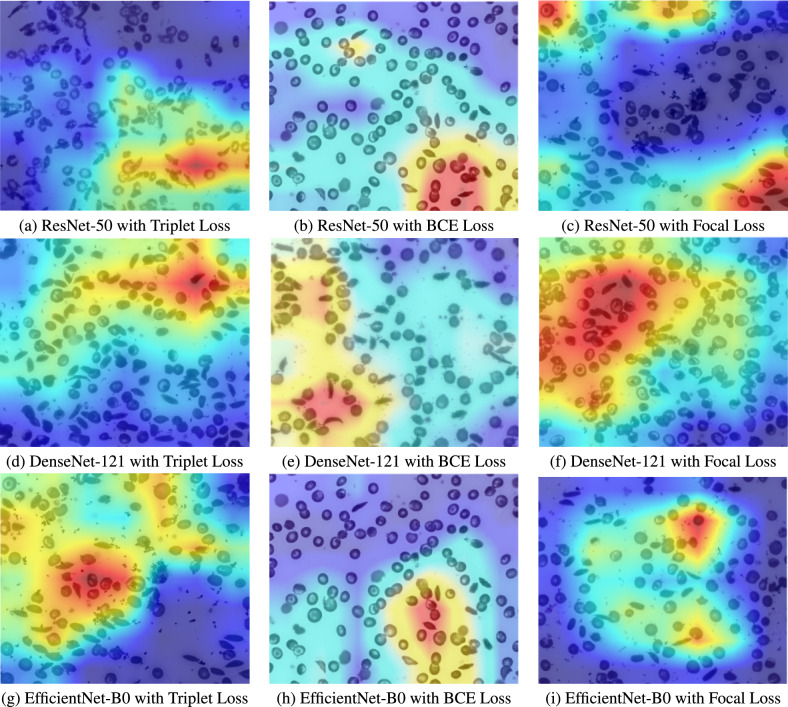 Figure 12
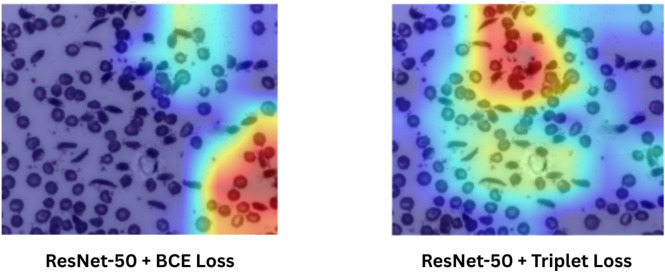 Figure 13
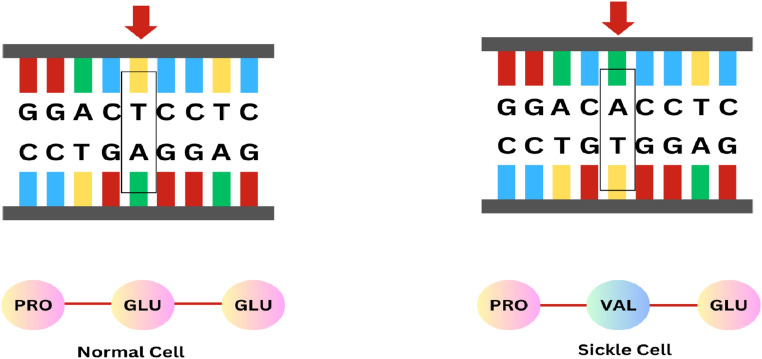 Figure 1
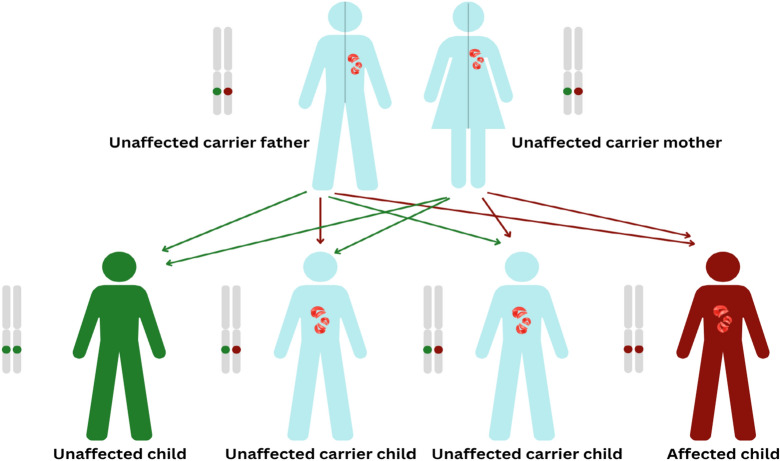 Figure 2
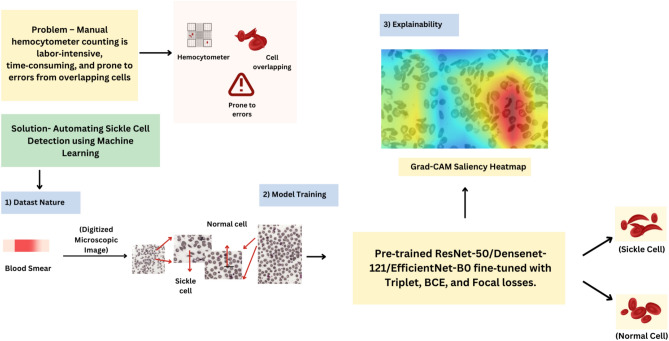 Figure 3
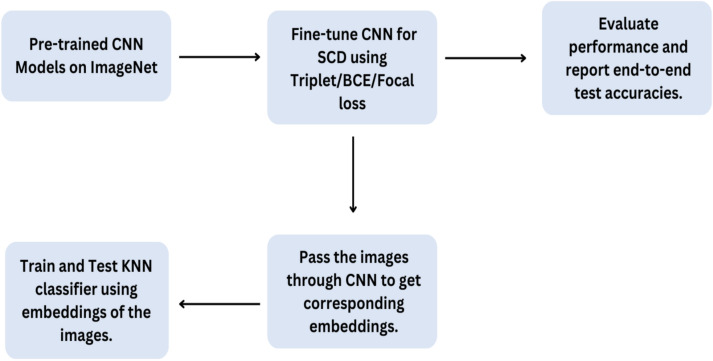 Figure 4
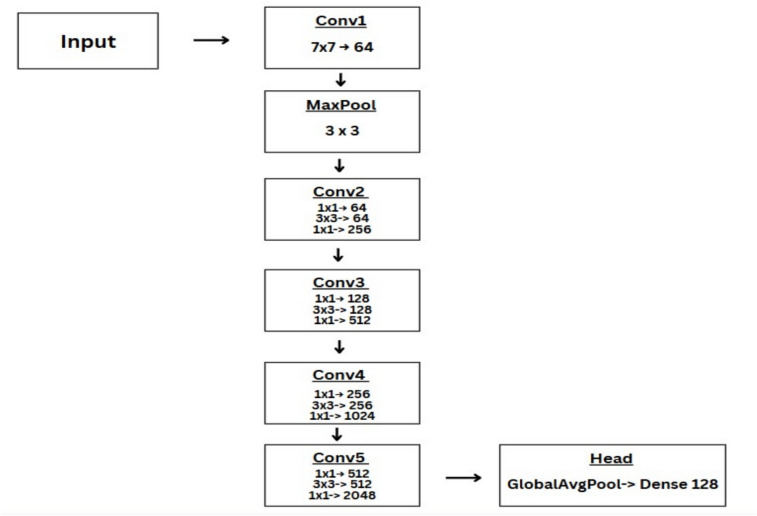 Figure 5
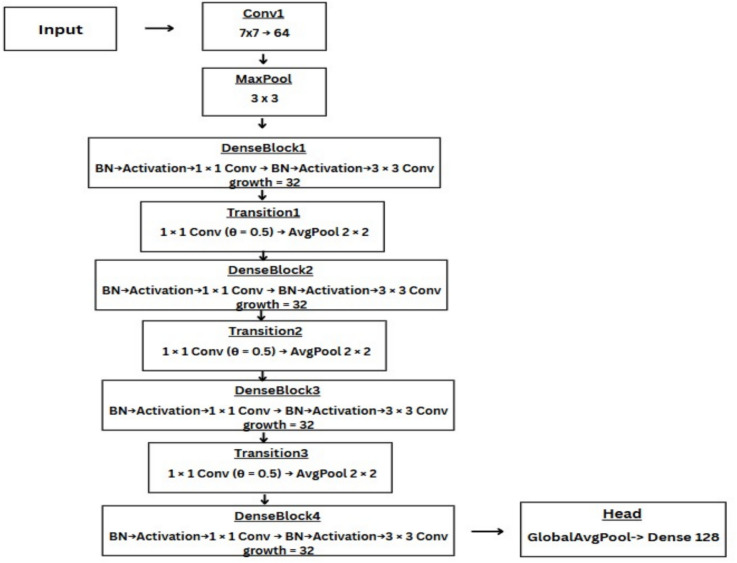 Figure 6
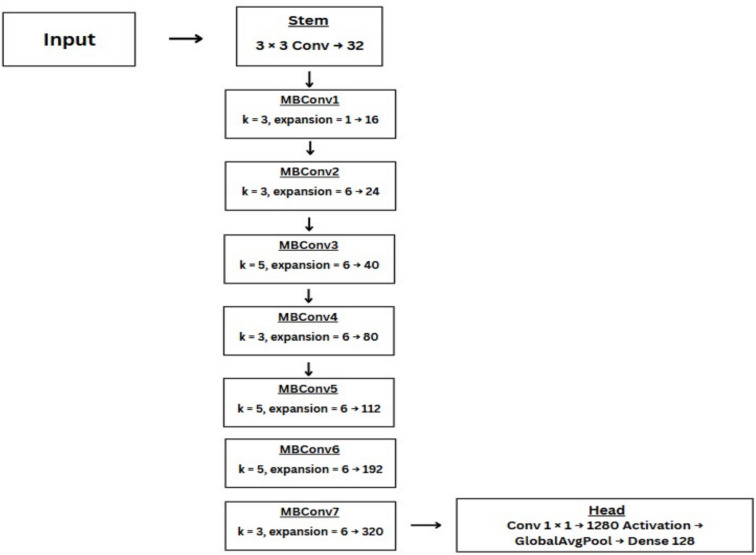 Figure 7
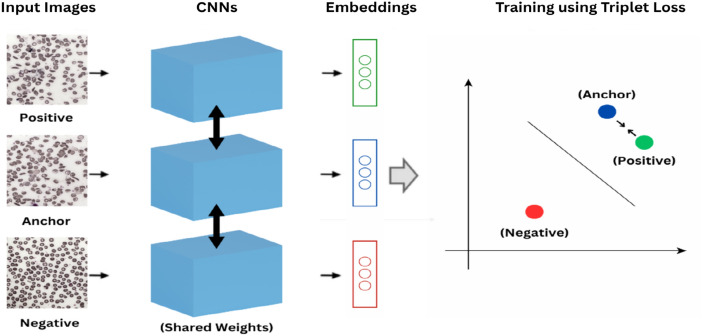 Figure 8
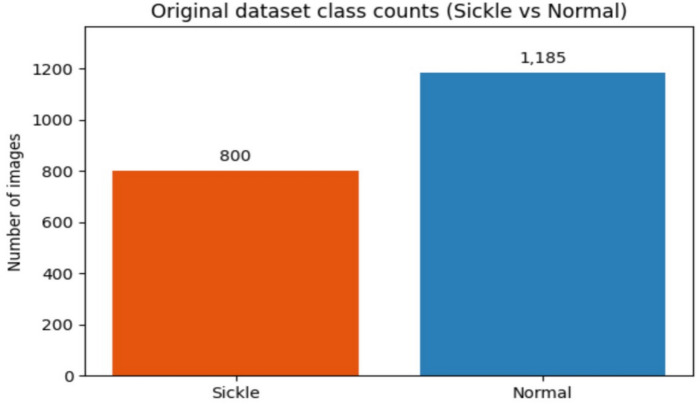 Figure 9
Peer Reviews
No public reviews on file for this paper yet. If you reviewed it on a platform where reviews are public (OpenReview, ICLR, NeurIPS, ICML), you can paste yours below so the community can read it here.
Videos
No videos yet. Explain this paper in a talk, walkthrough, or lecture? Add one.
Taxonomy
TopicsDigital Imaging for Blood Diseases · COVID-19 diagnosis using AI · Machine Learning in Healthcare