Tissue-resident macrophage survival depends on mitochondrial function regulated by SerpinB2 in chronic inflammation
Sathish Babu Vasamsetti, Samreen Sadaf, Mohammad A. Uddin, Jixing Shen, Ebin Johny, Awishi Mondal, Jonathan Florentin, Liqun Lei, Aleef Mannan, Krithika Sudhakar Rao, John Sembrat, Mauricio Rojas, Ian Sipula, Jake Kastroll, Michael J. Jurczak, Sruti Shiva, Robert M. O’Doherty

TL;DR
The study shows that SerpinB2 helps tissue-resident macrophages survive by regulating mitochondrial function, which is crucial during chronic inflammation like obesity.
Contribution
The novel finding is that SerpinB2 regulates mitochondrial function and macrophage survival in chronic inflammation.
Findings
SerpinB2 promotes macrophage survival by regulating mitochondrial oxidative phosphorylation and preventing cytochrome c release.
Chronic inflammation reduces SerpinB2 expression, leading to a decline in VAT resident macrophages.
Restoring SerpinB2 or glutathione improves macrophage survival and metabolic health in mice.
Abstract
How cellular metabolism facilitates tissue-resident macrophage maintenance remains elusive. Here we show that visceral adipose tissue (VAT)-resident macrophages, unlike monocyte-derived macrophages, are enriched with mitochondrial-specific antioxidant enzymes restraining inflammation and promoting VAT homeostasis and insulin sensitivity. Additionally, VAT resident macrophages express high levels of plasminogen activator inhibitor type 2, encoded by SerpinB2, which is involved in the blood coagulation cascade. SerpinB2 promotes adipose resident macrophage survival by regulating mitochondrial oxidative phosphorylation and preventing the release of pro-apoptotic cytochrome c from the mitochondria into the cytoplasm via antioxidant glutathione production. Chronic inflammation, such as obesity, diminishes SerpinB2 expression in VAT macrophages in patients and mice, leading to the decline of…
Genes, proteins, chemicals, diseases, species, mutations and cell lines named across the full text — each resolved to its canonical identifier and authoritative record.
Click any figure to enlarge with its caption.
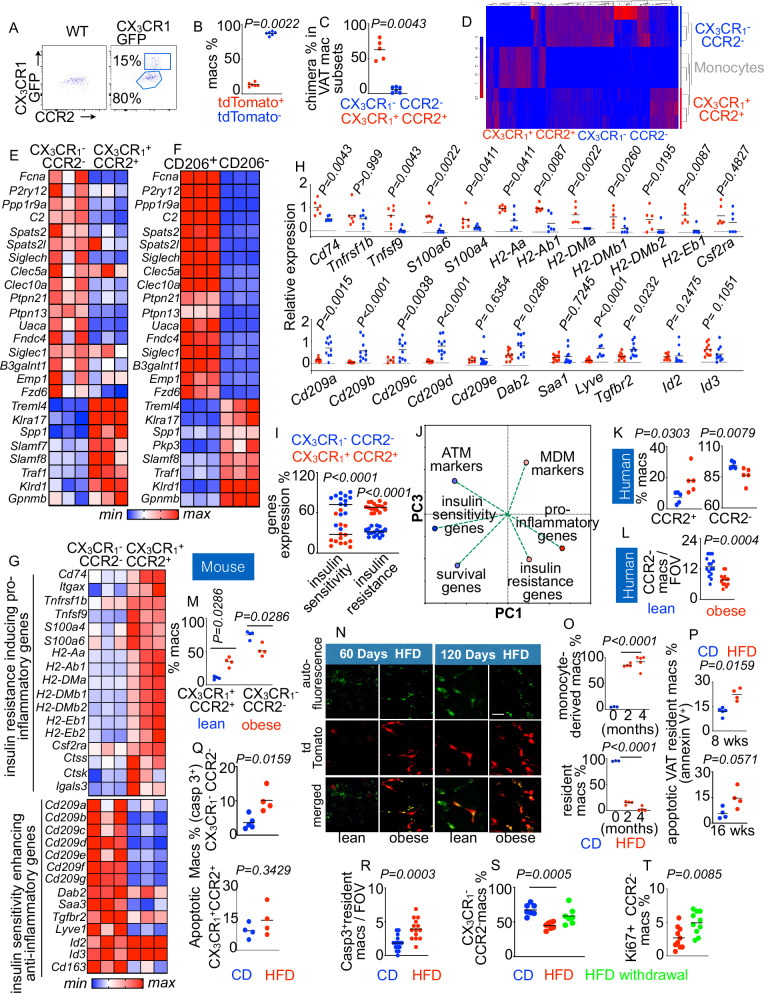 Figure 1
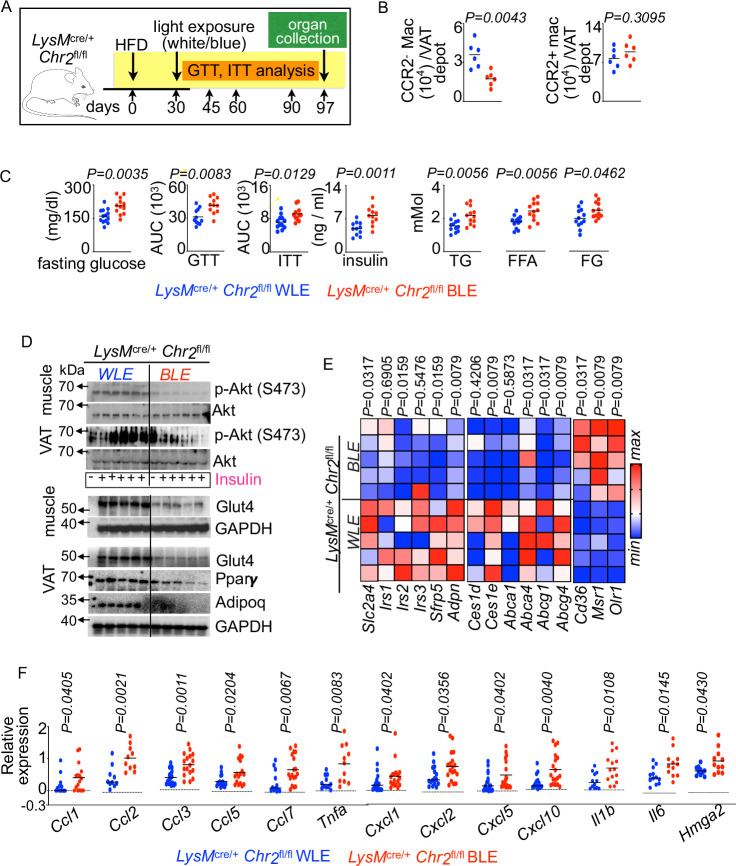 Figure 2
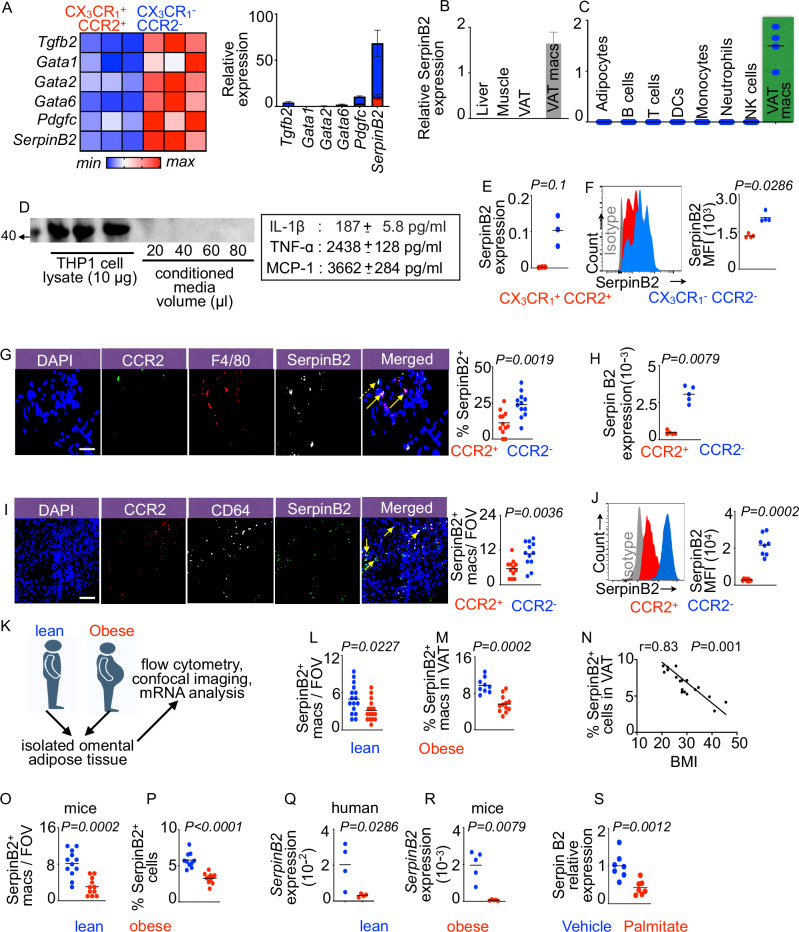 Figure 3
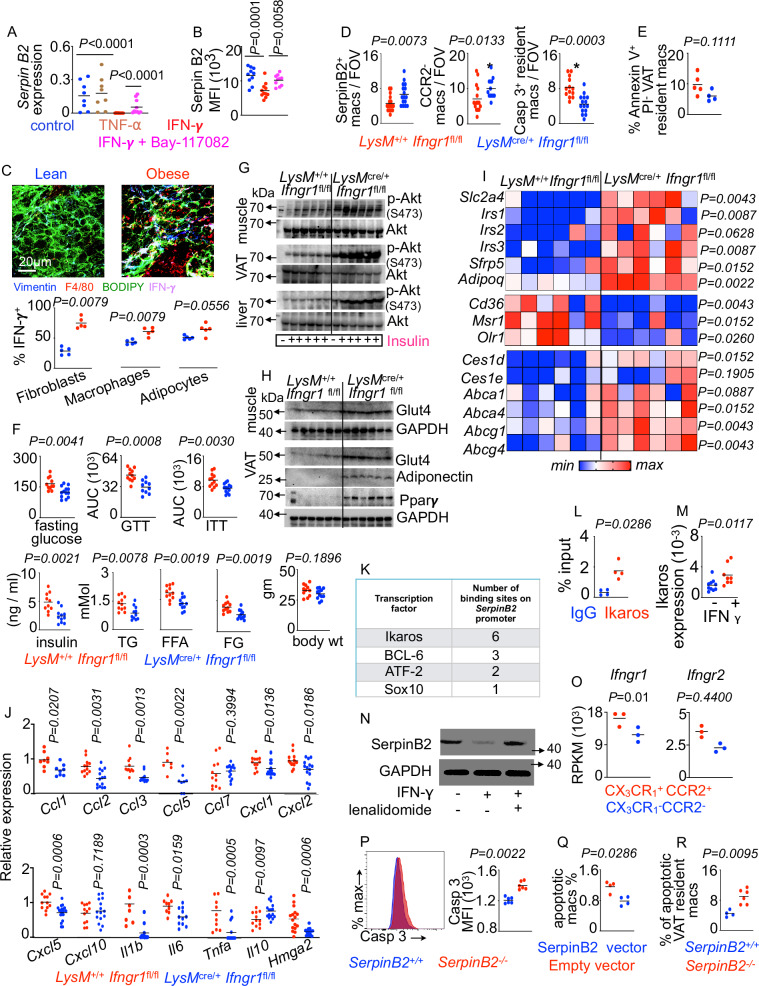 Figure 4
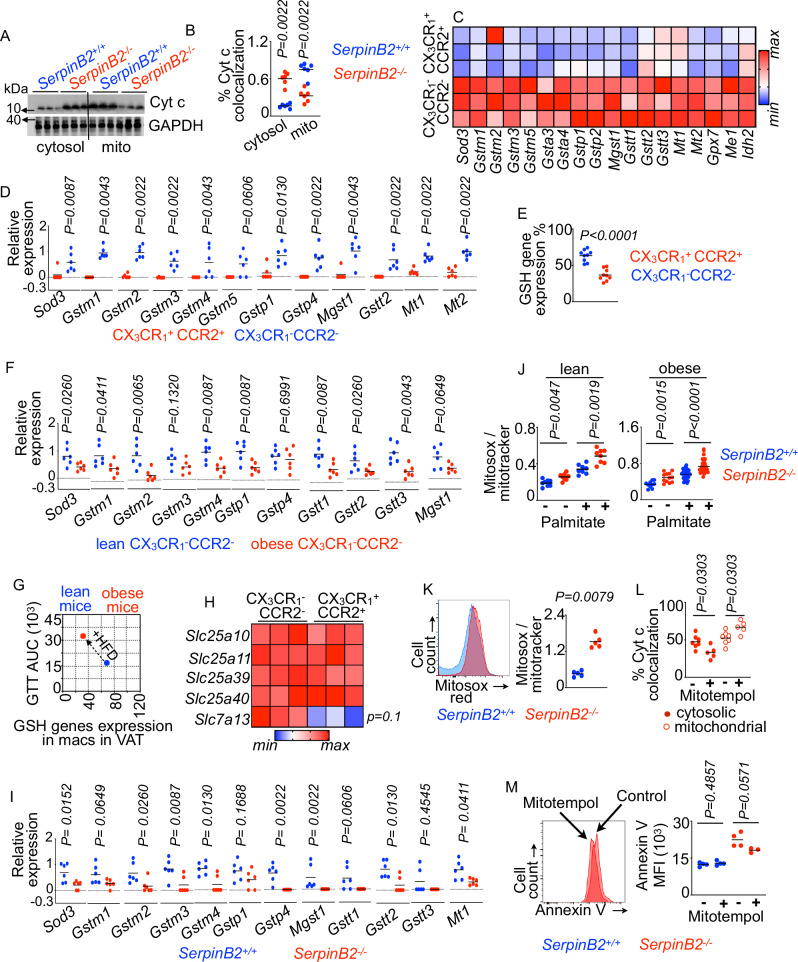 Figure 5
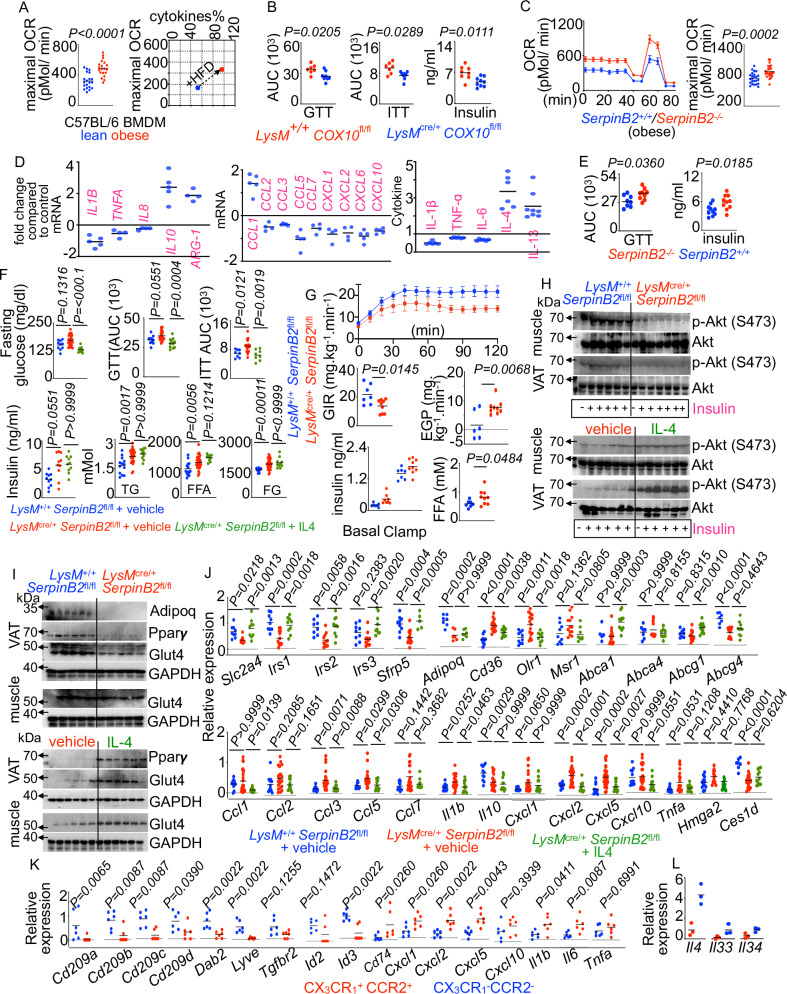 Figure 6
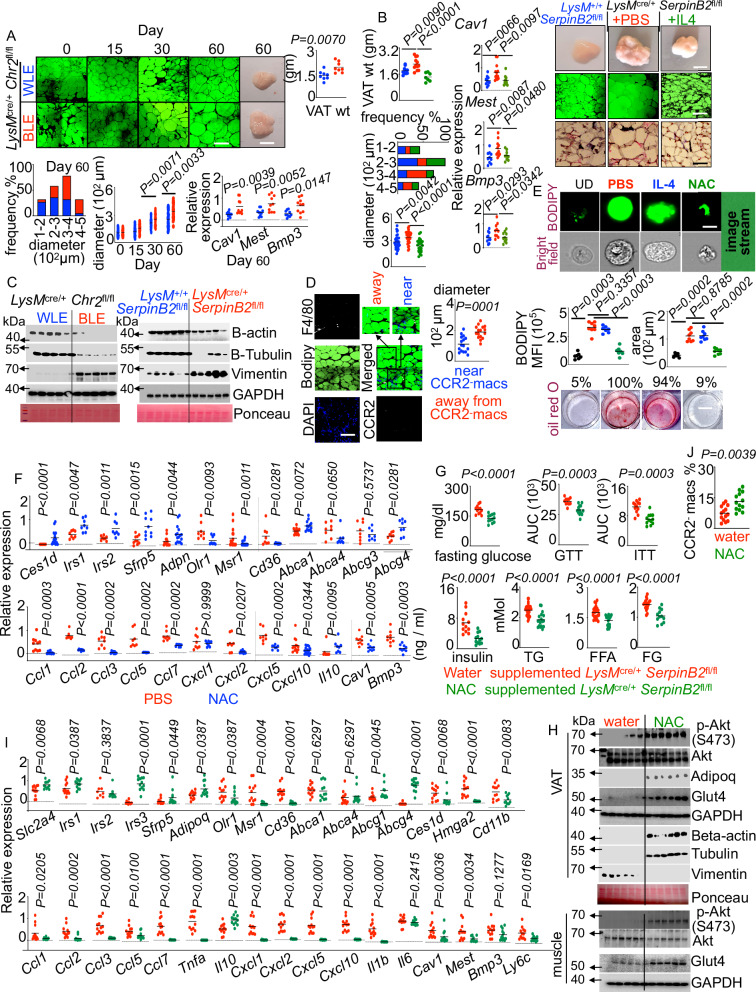 Figure 7
Peer Reviews
No public reviews on file for this paper yet. If you reviewed it on a platform where reviews are public (OpenReview, ICLR, NeurIPS, ICML), you can paste yours below so the community can read it here.
Videos
No videos yet. Explain this paper in a talk, walkthrough, or lecture? Add one.
Taxonomy
TopicsAdipokines, Inflammation, and Metabolic Diseases · Immune cells in cancer · Neutrophil, Myeloperoxidase and Oxidative Mechanisms