Scaling digital models
Deniz Karanfil, Bahram Ravani

TL;DR
This paper presents a new method using machine learning and dimensional analysis to scale digital models across different system sizes, reducing the need for expensive experimental calibration.
Contribution
A novel methodology and modular computational framework for scaling digital models using ML and DA, enabling calibration transfer between system sizes.
Findings
Calibration on a single system can be scaled to other sizes using the proposed framework.
The approach resolves issues with distorted scaling factors in traditional dimensional analysis.
A case study demonstrates successful scaling of a wheel loader model between industrial and lab systems.
Abstract
The development of accurate digital models (DMs) for physical systems requires virtual representations that faithfully capture the underlying physics of the system or equipment being represented. Physics-based DMs provide reliable predictions only when accurate mathematical models of physical systems exist. When such models are incomplete or uncertain, experimental calibration can significantly improve model fidelity. However, in industries where systems or equipment exist in multiple sizes or configurations, performing experimental calibration for each variant can be prohibitively expensive and time-consuming. To address this challenge, this paper introduces a novel methodology and modular computational framework that leverages machine learning (ML) and dimensional analysis (DA) to enable scaling of DMs. The proposed approach allows calibration to be performed on a single…
Genes, proteins, chemicals, diseases, species, mutations and cell lines named across the full text — each resolved to its canonical identifier and authoritative record.
Click any figure to enlarge with its caption.
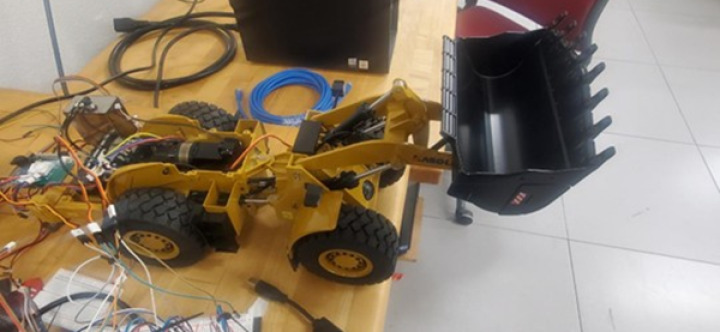 Figure 10
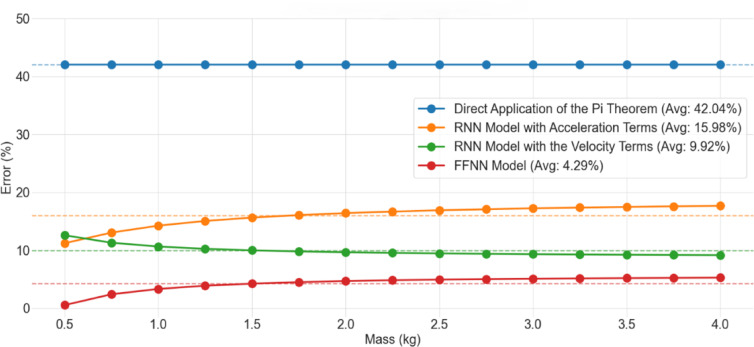 Figure 11
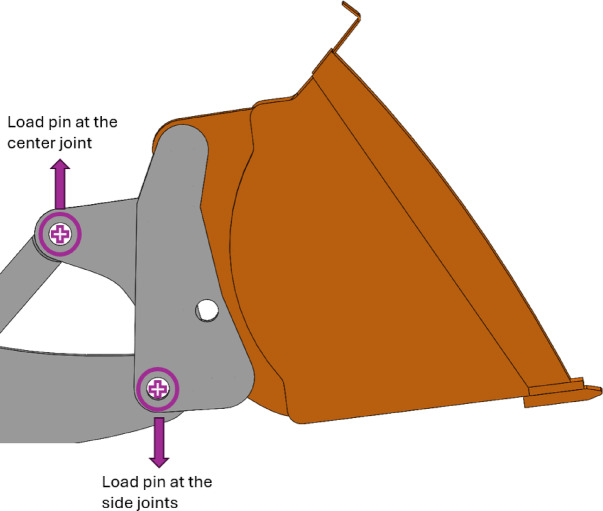 Figure 1
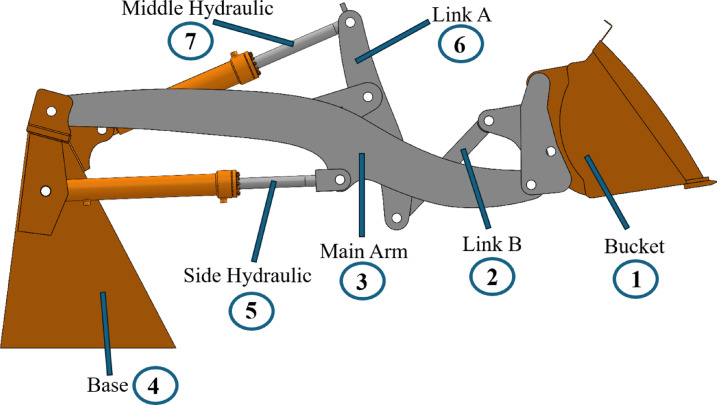 Figure 2
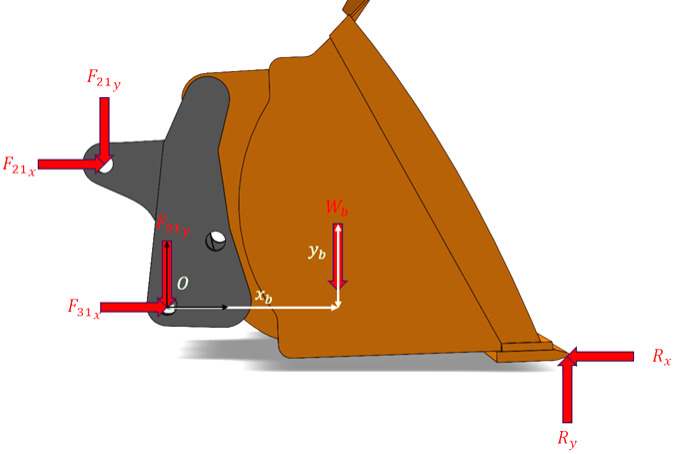 Figure 3
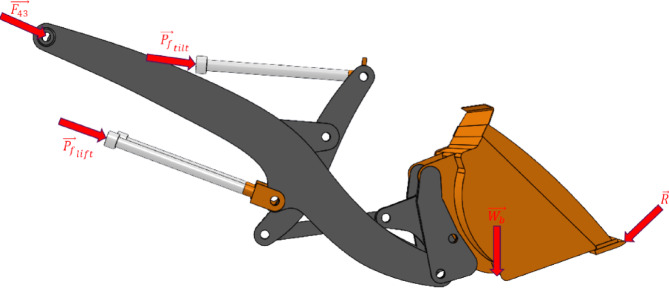 Figure 4
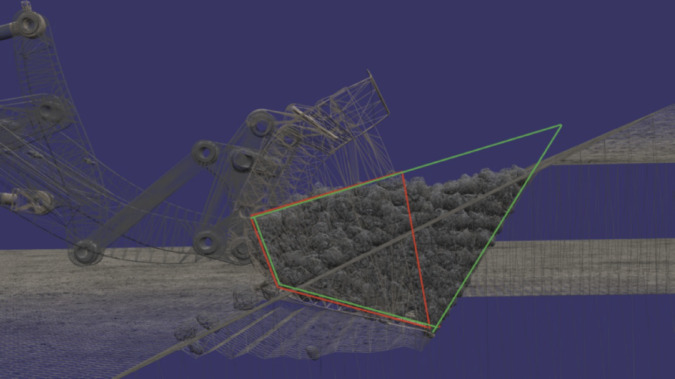 Figure 5
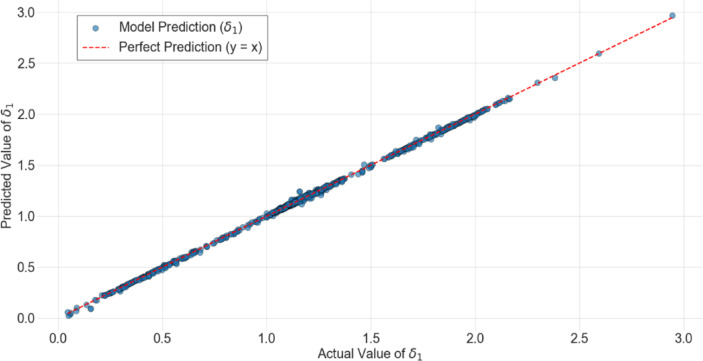 Figure 6
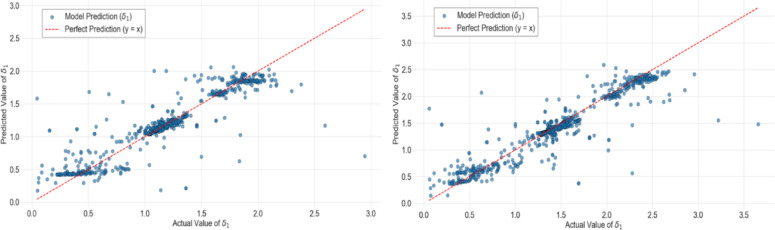 Figure 7
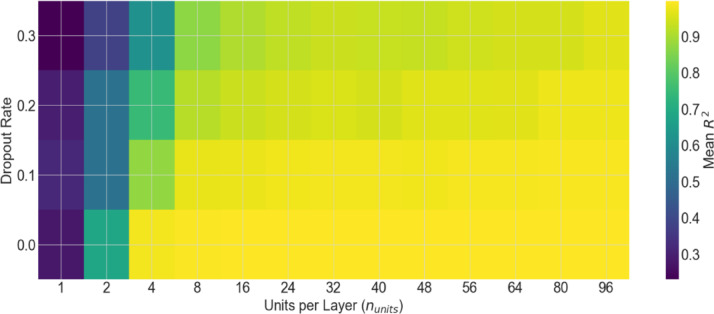 Figure 8
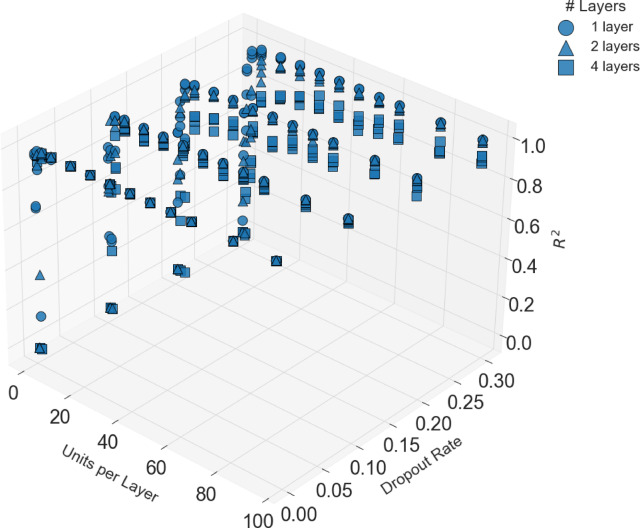 Figure 9
Peer Reviews
No public reviews on file for this paper yet. If you reviewed it on a platform where reviews are public (OpenReview, ICLR, NeurIPS, ICML), you can paste yours below so the community can read it here.
Videos
No videos yet. Explain this paper in a talk, walkthrough, or lecture? Add one.
Taxonomy
TopicsModel Reduction and Neural Networks · Machine Learning in Materials Science · Advanced Multi-Objective Optimization Algorithms